A guest taps a card for an $86 dinner on Tuesday night, the terminal says "Approved," and the server moves on to the next table. To the restaurant, that sale feels finished. In reality, the money has not moved yet. It will pass through several steps and at least three companies before it lands in your bank account, and depending on how your setup works, that could be the next morning or several days later.
Most owners do not need to know every detail of card payment processing. But knowing where the money sits at each step explains things that otherwise look like mistakes: why deposits do not match the day's sales, why a holiday weekend leaves the bank balance low, and why an unclosed batch can cost more than you think. Here is how credit card payment processing works for a restaurant, following one dinner check from the tap to the deposit.
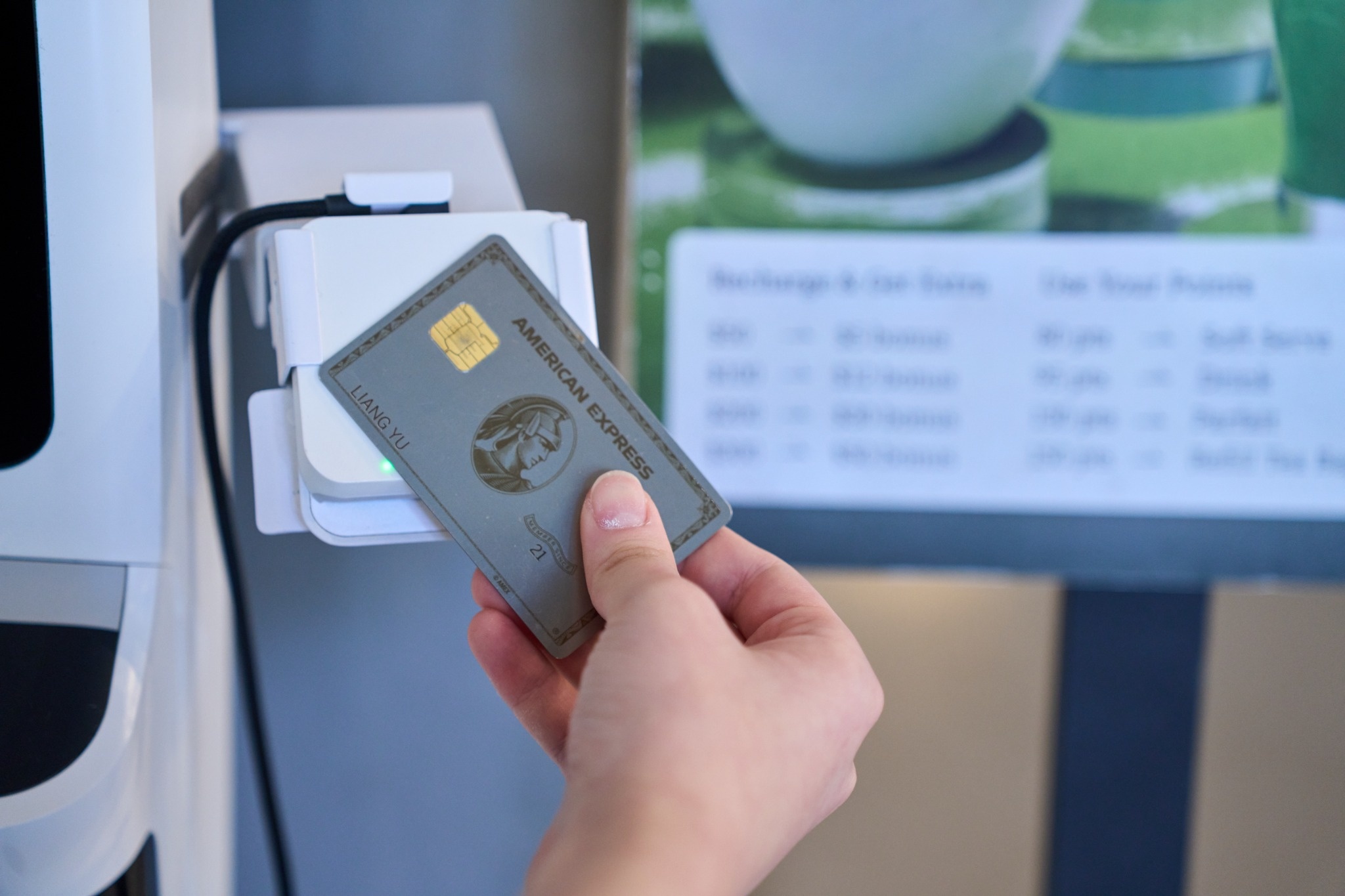
When the card is tapped, your payment processor sends a request through the card network to the guest's bank, which checks that the card is valid and the funds are available. If it approves, the bank places a hold on the guest's account for the amount. That is the "Approved" on the screen. At this point, no money has moved to you. The guest's bank has simply agreed to pay later.
In restaurants, the first authorization is usually for the amount before the tip. When the guest writes or selects a tip, the server adjusts the transaction to include it. That adjustment has to happen before the next step, which is why tips entered late, or forgotten, cause so many end-of-night headaches.
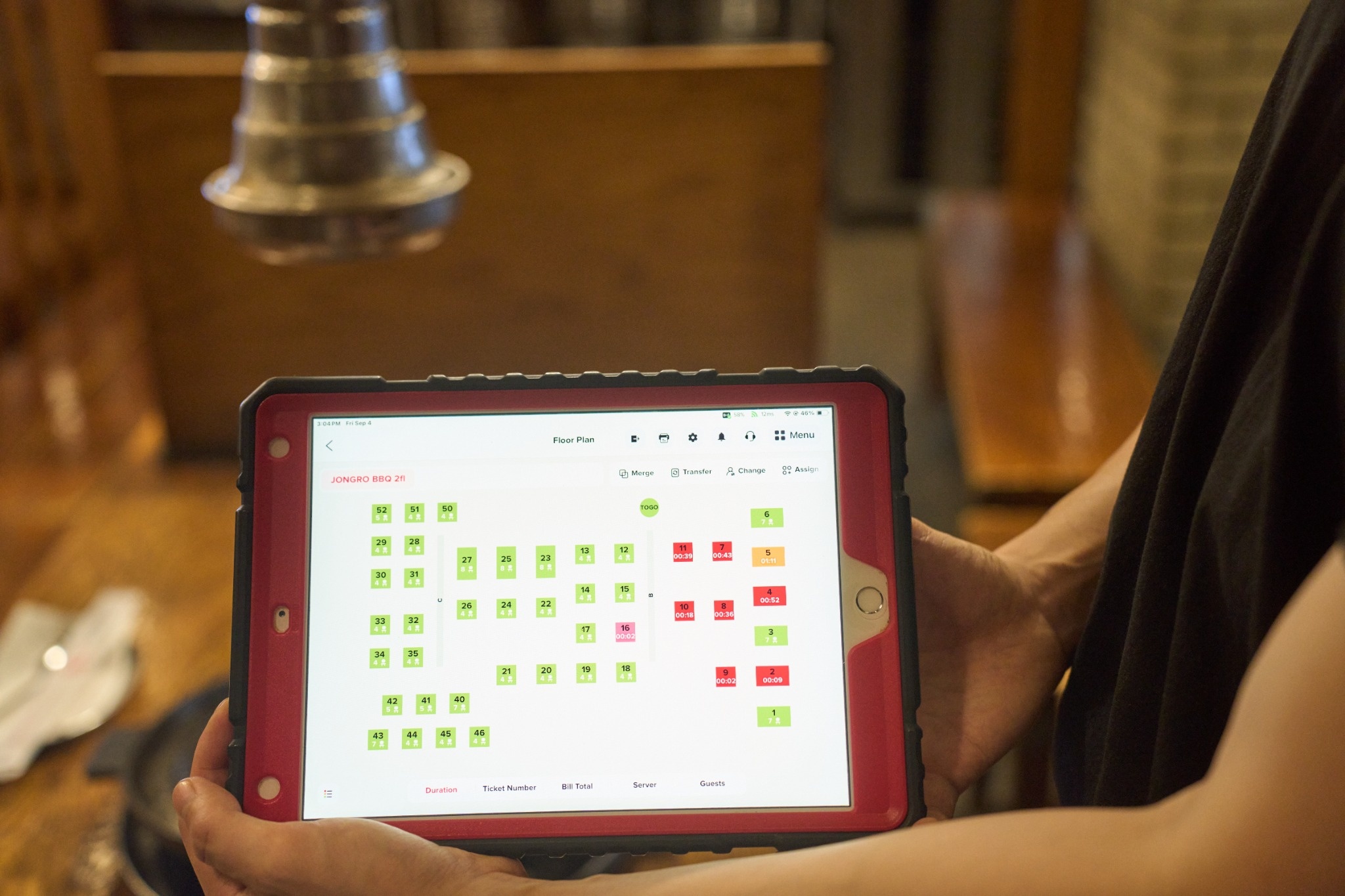
All of the day's approved and tip-adjusted card transactions are grouped into a batch. When the batch closes, those transactions are sent for settlement. Many POS systems close the batch automatically at a set time, often in the early morning after the last shift. Others require a manager to close it as part of the end-of-day routine.
Batch timing matters more than it seems. Until the batch closes, the money does not start moving toward your account, so a batch left open over a weekend can delay funding by days. Processors also expect transactions to be settled within a reasonable window after authorization, and transactions that settle late can be charged at higher rates. A consistent, automatic batch close is one of the simplest ways to keep deposits predictable. For background on processors and pricing models, see the overview of restaurant payment processing.
After the batch closes, your processor's bank, often called the acquiring bank, submits the transactions to the card networks. The networks pass them to each guest's bank, which sends the funds back through the network to the acquiring bank. Along the way, fees are calculated: interchange paid to the guest's bank, network assessments, and your processor's markup.
This part happens mostly out of sight and usually takes about a business day. It is also why a restaurant's deposit for Tuesday's sales does not arrive on Tuesday. You will not see these steps in your POS, but you will see their result: the fees on your monthly statement and the timing of each deposit.
Once the acquiring bank has the funds, it deposits them into your business bank account, typically by ACH transfer. For many restaurants, that means sales from one day arrive one or two business days later. Some processors offer next-day or same-day funding, sometimes for an extra fee or with conditions such as an earlier batch cutoff.
Two details explain most of the confusion when owners compare deposits with sales. The first is whether you are funded gross or net. With net funding, fees are subtracted before the deposit, so each deposit is smaller than that day's card sales. With gross funding, the full amount arrives and fees are withdrawn later, often once a month. The second is that ACH transfers only move on banking business days, so weekends and federal holidays push deposits back.
Thanksgiving week shows the effect clearly. Thanksgiving Day is a federal banking holiday, and it is followed by a weekend. Card sales from the busy Wednesday before Thanksgiving may settle and fund later than a normal Wednesday's sales, and sales from Thursday through Sunday may arrive in one larger deposit early the following week, depending on your processor's schedule.
That matters if suppliers, rent, or payroll come due at the end of the month. A restaurant can have one of its strongest sales weeks of the year and still see a thin bank balance on the Friday after Thanksgiving. Look at last year's deposits for the same week to see the pattern, and plan supplier payments and payroll timing around it. Ask your processor whether faster funding is available for the holiday week if that would help.
Card deposits are only one stream. Cash goes into the drawer and reaches the bank only when someone makes a deposit, so its timing depends entirely on your routine. Delivery marketplace orders are paid out by each platform on its own schedule, often weekly and net of commissions, which means a busy delivery week shows up in the bank days after the card deposits. Gift cards sold during the holidays bring in cash now, but the food is served later when the card is redeemed, so it helps to track gift card sales separately rather than treating them as ordinary daily revenue.
When an owner says the bank account does not match the POS, the explanation is often that these streams arrive on different days. A simple weekly view that lists card deposits, cash deposits, and platform payouts side by side, against sales by payment type in the POS, makes the gaps easy to explain.
A few situations can delay or reduce deposits beyond the normal schedule. Unusually large transactions, such as a big catering order, can trigger a review by the processor before funds are released. A sudden jump in volume compared with your usual sales can do the same, so keep it in mind before a holiday catering push. Disputed charges, called chargebacks, can be deducted from future deposits until they are resolved. Some processors also hold a reserve, a portion of funds kept back as protection against future chargebacks.
If you expect a large catering order or a big volume increase during the holidays, telling your processor in advance can reduce the chance of a hold. And if a deposit is lower than expected, check for a chargeback or reserve before assuming an error.
The easiest way to stay on top of this is a short daily routine. Each morning, compare yesterday's card sales total in the POS with the batch total that was settled, and confirm the batch closed. A few days later, match the deposit in your bank account to that batch. Most mismatches turn out to be timing, fees, a late tip adjustment, or a refund. Catching them within a few days is far easier than at the end of the month.
Owners who want to see the daily close without being on site can check it from their phone. The Chowbus Go app, for example, shows daily closing reports with core metrics, so the morning check takes a minute.

Q1: How does credit card payment processing work for a restaurant?
The card is authorized when tapped, the tip is adjusted, the day's transactions are grouped into a batch, the batch is settled through the card networks and banks, and the funds are deposited into the restaurant's bank account, usually one to two business days later.
Q2: How long does it take for card payments to reach a restaurant's bank account?
Typically one to two business days after the batch closes, depending on the processor. Weekends and federal banking holidays add delays, and some processors offer faster funding for a fee or with an earlier batch cutoff.
Q3: What is ACH payment processing time for merchant deposits?
Merchant deposits are usually sent by ACH, which moves on banking business days. Standard ACH deposits generally arrive within one to two business days, while same-day options depend on the processor and bank.
Q4: Why doesn't my daily deposit match my sales?
Common reasons include net funding, where fees are deducted before deposit, sales from several days combined after a weekend or holiday, refunds, chargebacks, reserves, and cash or gift card sales that are not part of card deposits.
Q5: What happens if the batch is not closed?
The transactions do not move toward settlement, so funding is delayed. Transactions that settle too long after authorization may also be charged higher rates, which is why an automatic daily batch close is a good default.
Q6: How should I plan cash flow around Thanksgiving week?
Expect deposits from Wednesday through Sunday to arrive later or combined because of the holiday and the weekend. Review last year's deposit timing, schedule supplier and payroll payments accordingly, and tell your processor in advance about any large catering orders.
Card money does not arrive the moment a guest taps. It moves through authorization, tip adjustment, batch close, clearing, and deposit, and each step has its own timing. Knowing that sequence turns confusing deposits into predictable ones, helps you plan around holiday weeks, and makes small problems easy to spot while they are still small.