Walk into almost any pho shop in the U.S. and the menu reads like a list of codes: #1 house special, #4 rare steak and brisket, #7 rare steak and flank, #12 chicken. The short answer to why pho restaurants have numbers is practical. A pho menu holds a dozen or more bowls that share the same broth and noodles and differ mainly by cut of beef, the guest and the server do not always share a first language, and a number is the fastest thing anyone can say at a busy counter. Those reasons are the ones owners and food writers give most often, and they hold up when you watch a lunch rush.
The number also does a second job that guests never see. Once a guest says "#7," that number becomes an item code in your POS, a line on a kitchen ticket and a row in your end-of-day report. This guide answers the question honestly, separates the menu numbers from the numbers in restaurant names, and then follows one order, "#7, large, no onion, extra tendon," from the menu to the close so you can see how a good numbering system pays off for years. For background on the dish itself, start with our guide to what pho is.
Beef pho is one dish with many cuts. The bowl almost always starts with the same broth, rice noodles, onion and herbs, and the meat is where the choices pile up. The common Vietnamese names describe each cut: tái is thin-sliced beef that cooks in the hot broth, chín is well-done brisket, nạm is flank, gầu is fatty brisket, gân is tendon, sách is tripe, and bò viên are beef meatballs. Combine two or three of those and you get a long list of bowls whose full names are hard to say quickly, such as phở tái nạm gầu gân sách. Many menus put the everything-included house special, phở đặc biệt, at #1.
When the only real difference between #5 and #6 is tendon, a number is clearer than a name. It removes pronunciation from the transaction, so a guest who has never tried to say "gầu" can still order exactly what they want. It also lets regulars order in one word, which is part of the appeal of a pho shop at lunch.
Language is the other common explanation. Many pho restaurants were opened by Vietnamese immigrant families serving guests who spoke English, Spanish, Chinese and many other languages. A number works in every one of them. Writers who have looked at numbered Asian menus more broadly, such as a December 2025 RADII feature on Chinese restaurants abroad, describe numbers as a long-standing workaround for mutual mispronunciation that spread across Asian restaurants outside Asia. Treat that as a commonly given explanation rather than a settled history: there was no single origin, and plenty of Vietnamese restaurants number their menus simply because the shops their owners knew did the same.
Speed rounds out the answer. At a counter or on a phone order, "number seven, large" takes two seconds and leaves little room for error. The kitchen hears the same short code it reads on the ticket, which keeps the line moving when every seat turns over within the hour.
Some people searching this question mean the number in the restaurant's name, as in Pho 79, Pho 96 or Pho 555. That is a different custom with its own set of reasons. Reporting from 303 Magazine and Food Bible, among others, collected answers straight from owners, and they vary:
There is no single rule, and the most reliable way to learn what a sign means is to ask the owner. For your own menu, the numbers on the board matter far more to daily operations than the number on the awning, so the rest of this guide follows a numbered order through the restaurant.
Picture a Tuesday lunch. On this illustrative menu, #7 is phở tái nạm, rare steak and flank, offered in small, regular and large. A guest orders "#7, large, no onion, extra tendon." In one breath they have given you four pieces of information: the base item, a size, a removal and a paid add-on.
How you built the menu decides whether those four pieces survive the trip to the kitchen intact. If #7 exists as a single clean item with structured choices attached, the order lands correctly every time. If "large" is a separate item, "no onion" is a free-typed note and "extra tendon" is a manual price adjustment, the same order turns into three or four disconnected entries that a busy server has to assemble from memory. The rest of the order's journey shows why the first setup holds up and the second one leaks money and accuracy.
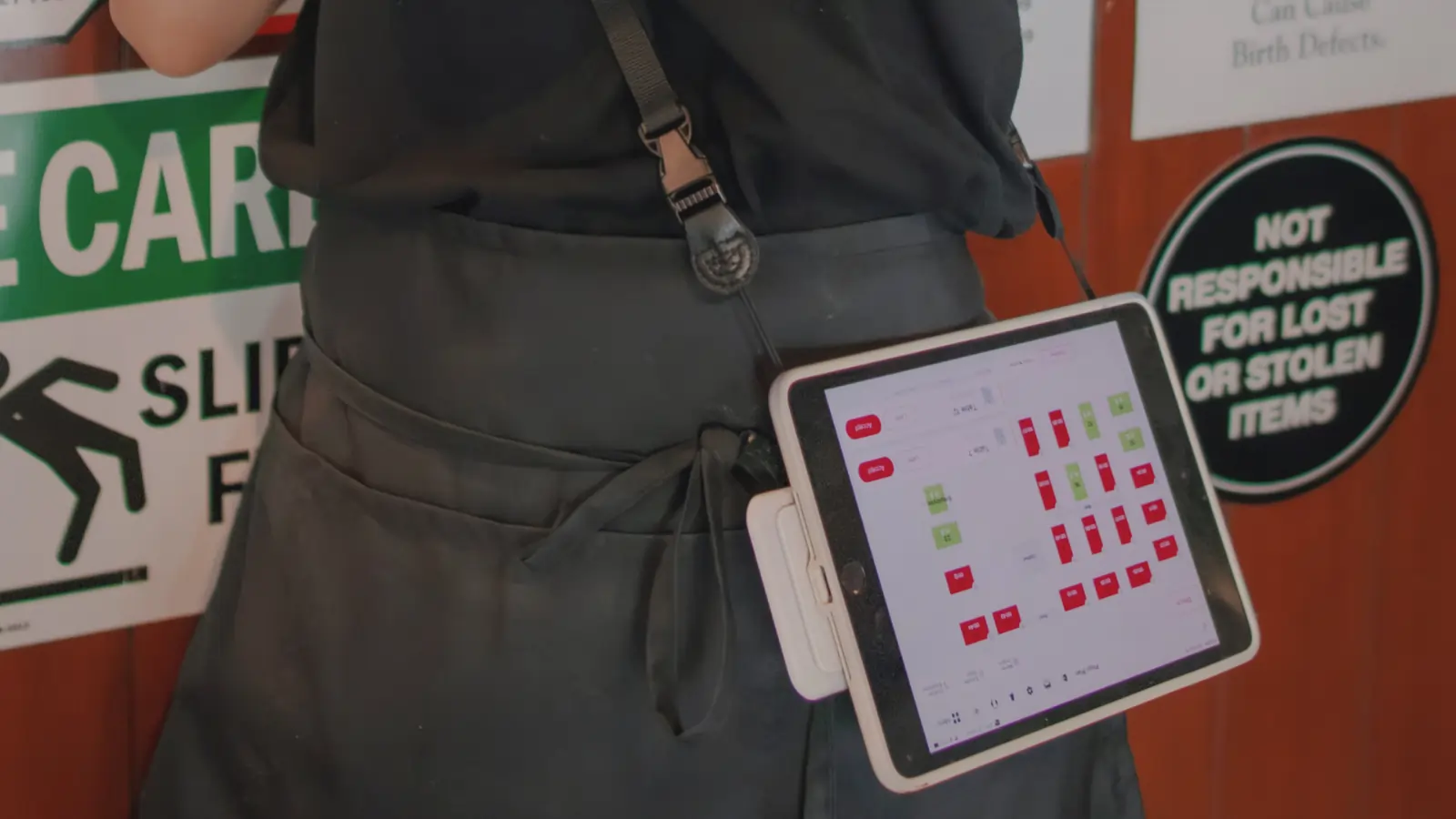
Wherever the order is taken, the first job is matching "#7" to one record in the system. At the counter, a cashier who can type 7 into a search box finds the item faster than one scrolling through a category of photos. At the table, a server on a handheld does the same. On a self-ordering kiosk or a QR menu, the guest sees "7. Phở Tái Nạm (Rare Steak & Flank)" with a photo, so the number they remember from the paper menu matches what is on the screen.
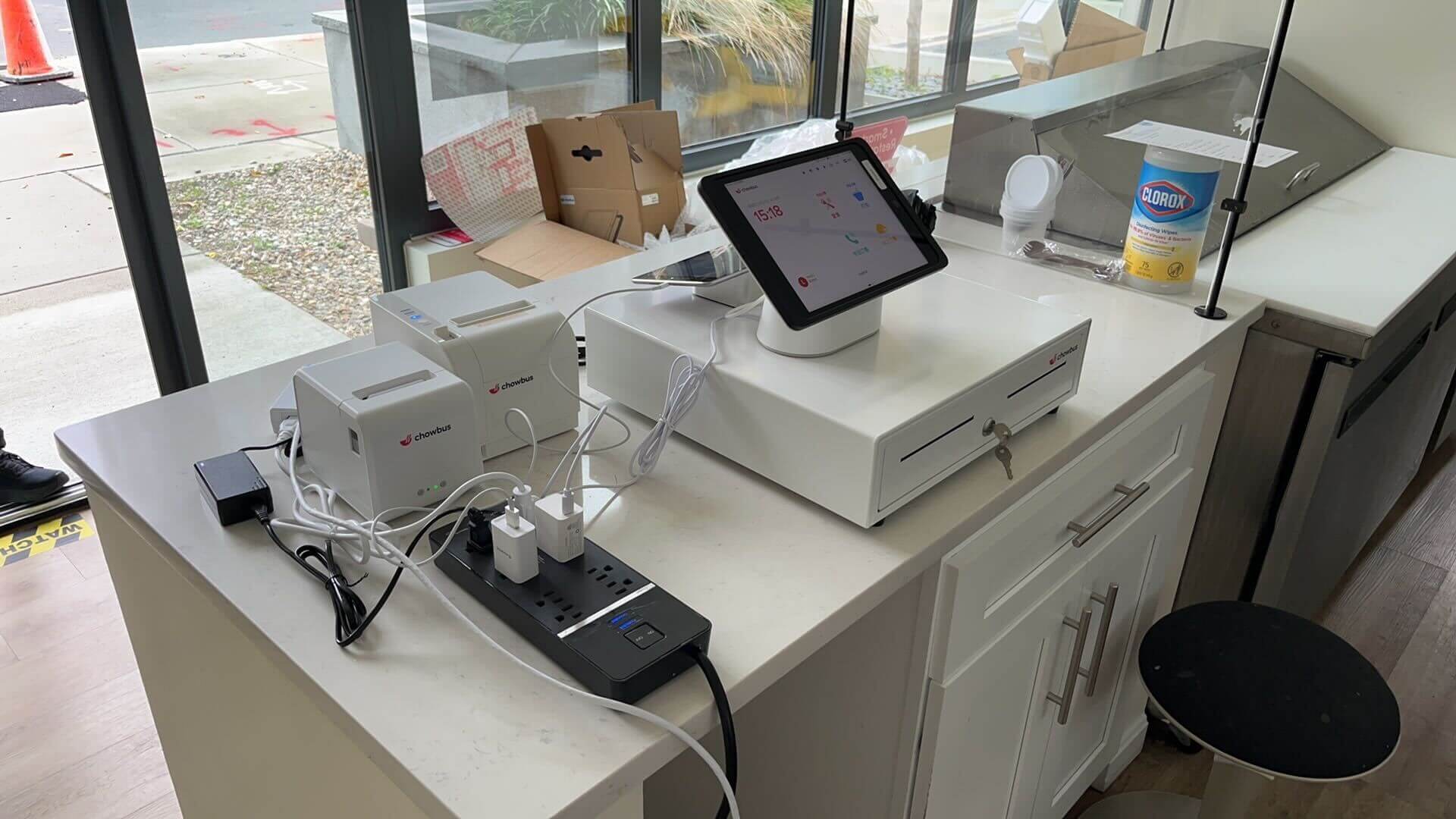
That match is the whole point. The number on the printed menu, the number on the screen and the number in the POS should be the same number, attached to the same item, everywhere. When you ask a POS vendor for a demo, ask to see how servers search for an item by its menu number and how the number displays on the kiosk and QR menu. In Chowbus POS, menu changes sync across all menus from one place, which keeps the number and the item tied together when you update the dine-in, online and delivery menus.
Keep the number visible in the item name or in a dedicated code field, and keep the format consistent: "7. Phở Tái Nạm" on every channel, rather than "#7" in one place and "No. 7" in another. Consistency matters most on delivery apps, where guests often reorder by searching the number they remember.
Size, removals and add-ons belong in modifier groups attached to #7, and each type behaves differently.
Structured modifiers keep pricing correct without manual edits, and they print the same way every time. Free-typed notes still have a place for unusual requests, but if your servers type "no onion" twenty times a day, it should be a button. The same logic applies to broth choices on chicken pho or noodle swaps on bún dishes. If you serve several Southeast Asian formats on one menu, our guide to POS systems for Vietnamese restaurants covers the wider feature list.
The kitchen ticket is where the number earns its keep. A clean ticket for our order reads something like "#7 Tái Nạm – LARGE / NO ONION (ALL) / + EXTRA TENDON," with the table or order number above it. The cook building the bowl reads the code they already know by heart, then the size, then the changes, in the same order every time.
Set up a few habits to make that ticket easy to read under pressure:
Whether the ticket is printed or shown on a screen, the format should match. A kitchen display system can also show how long each bowl has been waiting, which helps a table of four get their pho together.
Because #7 is one item with structured modifiers, the end-of-day report can answer real questions instead of just totals. You can see how many #7 bowls sold, how that compares with #4 and #1, and what share sold as large. The modifier report shows how many extra-tendon add-ons you sold and the revenue they brought in, which tells you whether that add-on price still makes sense when tendon costs change.
Removals are useful too. A steady count of "no raw onion" requests at lunch tells your prep cook how much sliced onion to hold. A rising number of extra-tendon orders tells your buyer to adjust the next order. Breaking the report down by time of day and by order type, such as dine-in, takeout and delivery, shows whether #7 is a lunch bowl or a dinner bowl and whether it travels well.
These reports fall apart when the same bowl lives under three different names. When a large #7 is rung up as "Large Pho" or a custom open item, it vanishes from the item report, and the numbers you rely on for prep and purchasing stop matching what the kitchen cooked.
Whether you are opening a pho shop or cleaning up a menu that grew over a decade, a few numbering rules save trouble later:
Update the number everywhere on the same day. A reprint, a QR menu edit and a kiosk update that happen weeks apart are how a guest ends up ordering #23 on paper and getting a different dish from the screen.

Q1: Why do pho restaurants have numbers on the menu?
The reasons owners and food writers give most often are practical. Many pho bowls differ only by cut of beef, so a number is clearer than a long Vietnamese name, it works across languages, and it speeds up ordering at a busy counter. There is no single documented origin, so treat the cultural explanations as common reasons rather than settled history.
Q2: How should I set up numbered pho items in a POS?
Create one item per menu number, show the number consistently in the item name or a code field, and attach modifier groups for size, removals and paid add-ons. Make size a required choice and keep removals specific, such as "no raw onion" versus "no green onion." Then check that the same number appears on the printed menu, QR menu, kiosk and delivery apps.
Q3: Is it better to make sizes separate items or modifiers?
For most pho shops, modifiers work better. One item with a required size choice keeps all sales of that bowl under one number in your reports, while separate items split the data across three entries. Separate items can make sense only if the sizes use different recipes or are tracked separately for inventory.
Q4: How much should I charge for add-ons like extra tendon?
Start from the cost of the added portion plus your target food-cost percentage, then round to a price guests accept. Check the modifier report monthly, because beef cut prices move and an add-on that was profitable at opening may not be a year later. Any prices you set are your own decision, so compare them with similar shops in your area.
Q5: What happens if I renumber my menu after a remodel?
Regulars who order by number will order the wrong dish or get confused, and your historical reports will mix old and new items under the same numbers. If you must renumber, do it on one date across every channel, post a short notice for regulars, and keep a mapping of old to new numbers for reporting. Where possible, add new items in the gaps instead of shifting existing numbers.
Q6: What should I do first if my numbered menu is a mess?
Print your current menu and export your POS item list, then put them side by side and mark every number that does not match. Fix the POS item records first, convert repeated typed notes into modifiers, and only then reprint and update the QR menu, kiosk and delivery apps on the same day.
Pho restaurants have numbers because the format almost demands it: many bowls with small differences, guests and staff from many language backgrounds, and a lunch rush that rewards a two-second order. Those same numbers are a ready-made coding system for your POS, and they are most useful when one number points to one item everywhere it appears.
If you are reviewing your menu setup this season, follow one real order the way this guide did and see where it breaks: at the screen, on the ticket or in the report. For pho, bún and Thai menus that share one kitchen, our Vietnamese and Thai restaurant POS page shows how Chowbus handles ordering, kitchen display and reporting on one system.