The first question most new restaurant owners ask is "how much does it cost?" The more important question — the one that separates sustainable openings from struggling ones — is: "what does the first full year actually look like, financially?"
In this guide, you'll get a full breakdown of what it actually costs to open a restaurant in 2026 — from pre-opening expenses through your first year of operation — so you can enter the business with realistic expectations and a cash plan that holds.
Here's what the numbers — and thousands of real restaurant operators — actually show.### The Real Cost of Opening a Restaurant: Pre-Opening vs. Operating
There are two distinct phases most people conflate when asking "how much does it cost to open a restaurant?" The first is the startup investment — everything spent before the doors open. The second is the operating cost runway — the cash required to sustain the business until it reaches consistent profitability.
Treating these as separate buckets matters because running out of operating capital is what closes most early-stage restaurants, not an underfunded build-out. Industry experience consistently shows that restaurants take 3–6 months to reach break-even on a weekly basis, and sometimes longer in highly competitive markets.
Startup investment for a full-service Asian restaurant in a mid-tier U.S. market typically ranges from $300,000 to $600,000. This covers construction or renovation, kitchen equipment, furniture and fixtures, technology infrastructure, licensing and permits, and pre-opening labor costs.
Operating capital reserve should cover at minimum three months of projected operating expenses — typically $60,000–$120,000 for a mid-size concept. This is cash that sits in reserve, not budgeted for the build. It's the financial cushion that determines whether a slow opening month becomes a learning experience or a crisis.
Lease and security deposits: Most restaurant leases require first and last month's rent plus a security deposit — often 2–3 months of rent upfront. On a $8,000/month space in a mid-market city, that's $24,000–$32,000 before any work is done on the space.
Renovation and construction: $80,000–$300,000 depending on whether the space requires a full build-out or just cosmetic upgrades to an existing restaurant space. Second-generation restaurant spaces — previously occupied by a restaurant — can reduce this dramatically if the kitchen infrastructure is largely intact.
Kitchen equipment: $50,000–$150,000 for a full-service concept. Bubble tea shops, ramen shops, and other specialty Asian formats may require specialized equipment (commercial blenders, induction setups, specialty extractors) that isn't standard in a general restaurant supply catalog.
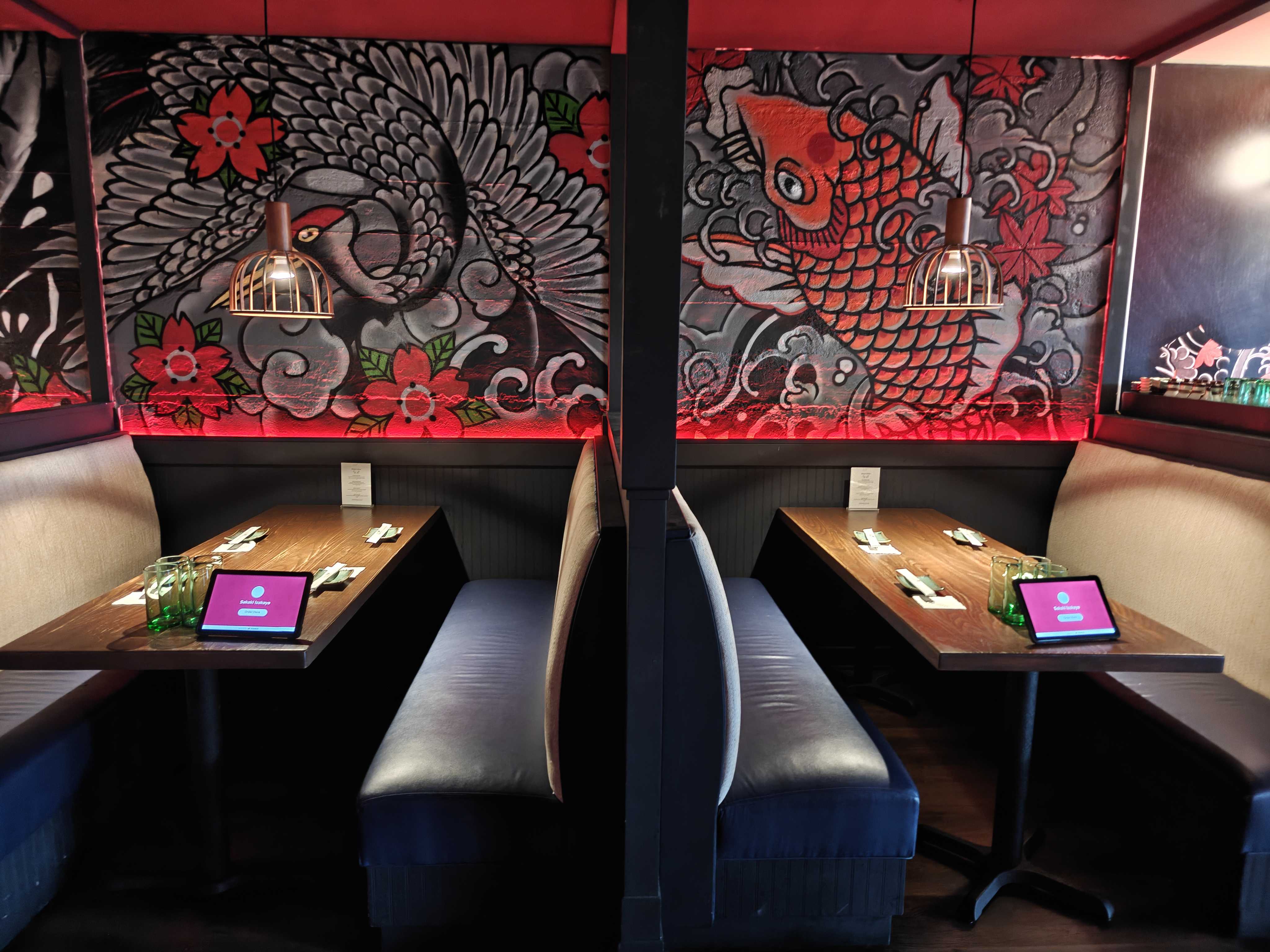
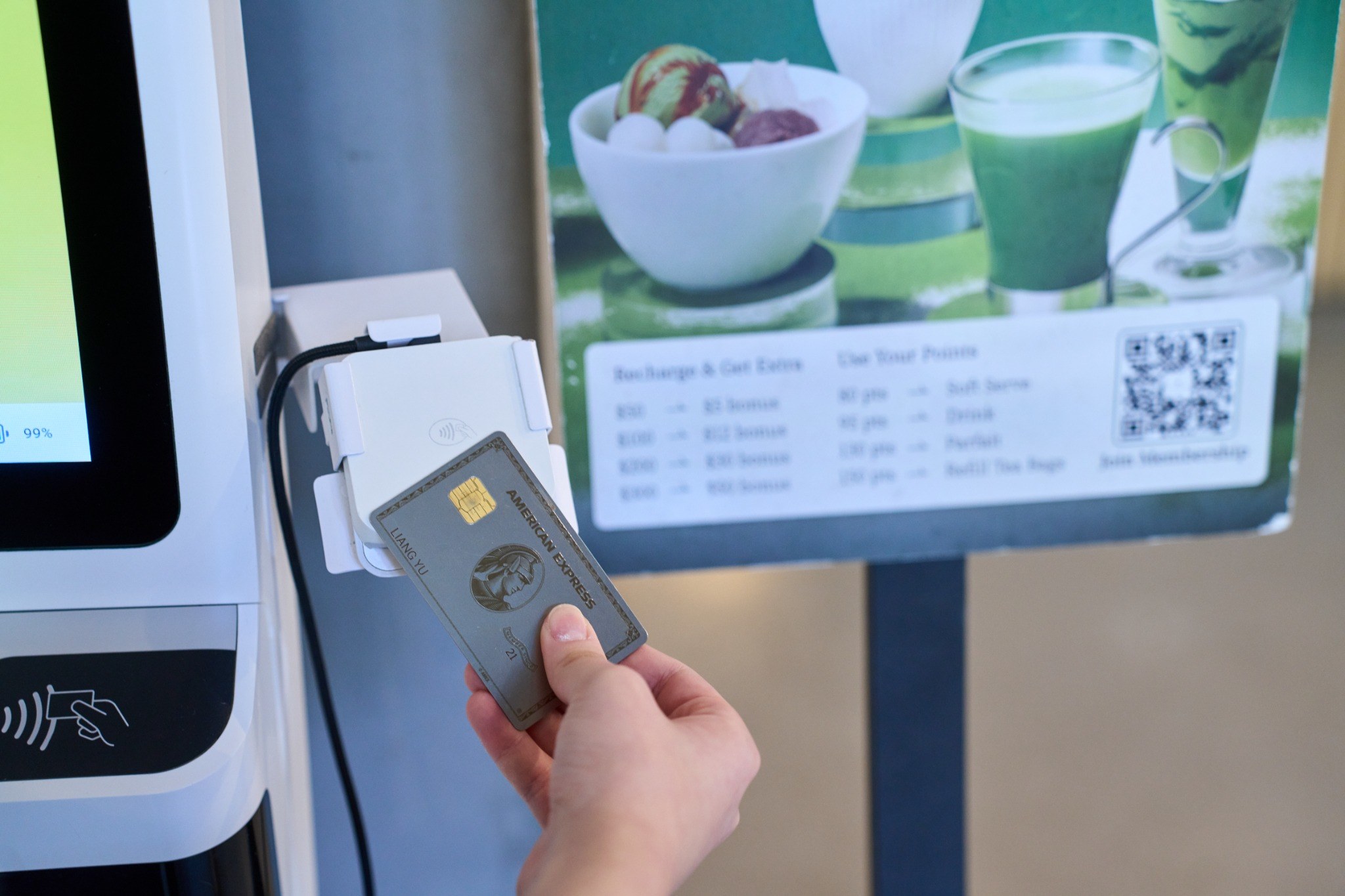
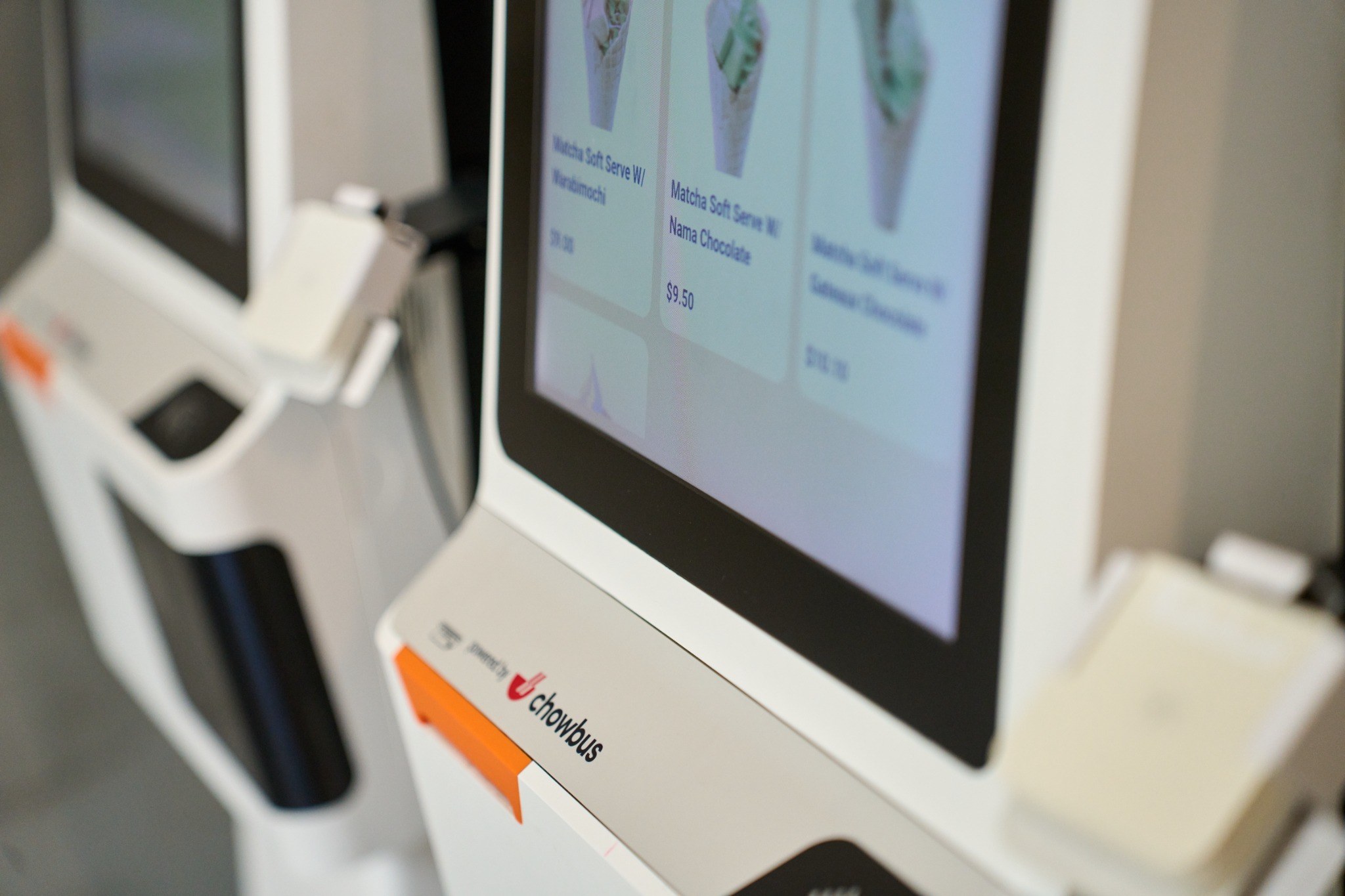
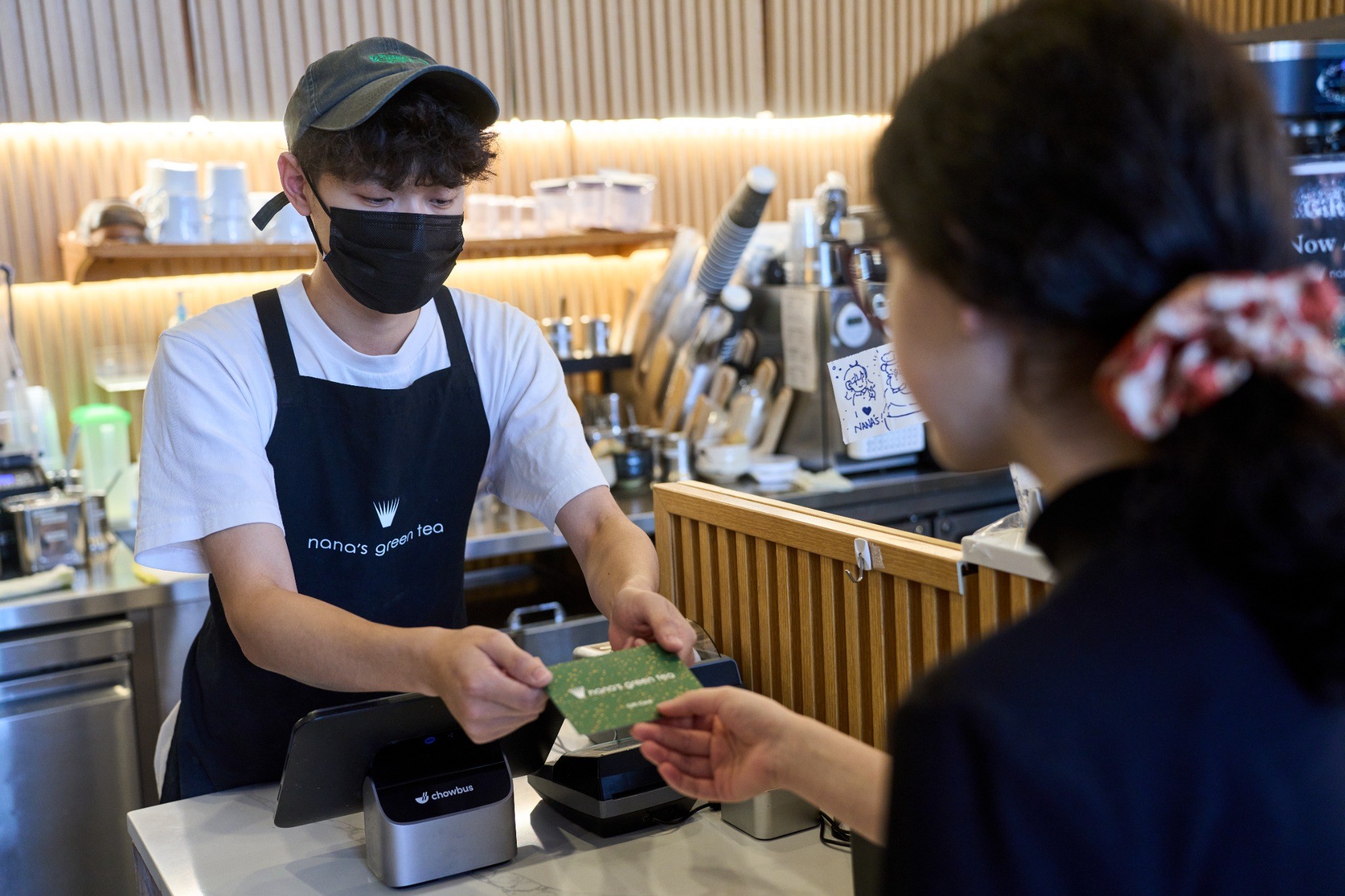
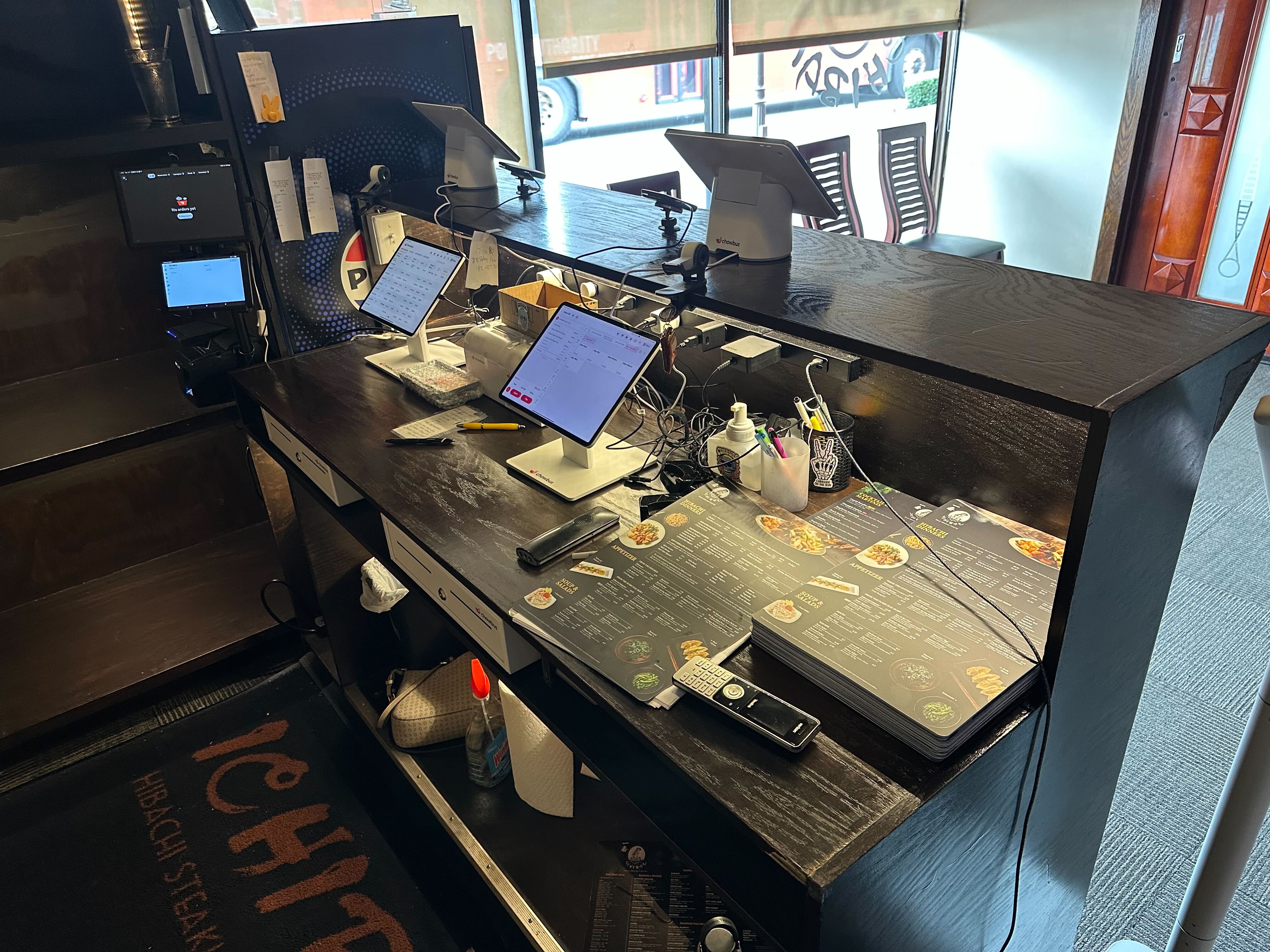
Technology: $8,000–$20,000 for a complete POS setup including hardware, software, kitchen display system, and online ordering integration. For Asian restaurants, choosing a purpose-built system from the start — rather than adapting a general system — avoids a disruptive migration later.
Initial inventory: $5,000–$20,000 depending on concept complexity and menu size. Asian restaurants with extensive imported ingredient lists (specific soy sauces, specialty noodles, particular proteins) should budget on the higher end and establish supplier relationships before opening.
Understanding what you'll spend monthly after opening is as critical as the startup budget. The "Big Five" operating costs in a restaurant are rent, labor, food cost, marketing, and miscellaneous (utilities, insurance, maintenance, POS and tech fees, and waste).
Rent: Industry standard is 6–10% of revenue. If you're targeting $1M in annual revenue, your rent should ideally not exceed $8,300/month. Restaurants paying 15%+ of revenue in rent face a structurally difficult path to profitability regardless of how well everything else runs.
Labor: The single largest operating cost for most restaurants — typically 28–35% of revenue. For Asian restaurant formats that require skilled preparation (hand-pulled noodles, sushi, dim sum), labor costs can run higher. Technology that reduces labor dependency — particularly QR ordering systems and kitchen automation — directly improves this ratio.
Food cost: Typically 28–35% of revenue for full-service Asian restaurants. Menu engineering — identifying high-margin items and promoting them strategically — can meaningfully improve food cost percentage without changing the menu itself.
Third-party delivery fees: A hidden cost many new operators underestimate. Platforms like DoorDash and Grubhub charge 25–30% commission on every delivery order. On $100,000/year in delivery revenue, that's $25,000–$30,000 in platform fees. Restaurants that build their own online ordering channel — even at the cost of some marketing spend — recover that margin.
Three operational decisions made before opening have the highest impact on first-year profitability.
Menu size: A tightly focused menu reduces food cost, simplifies training, and speeds kitchen throughput. Many first-time Asian restaurant operators try to serve too broad a menu, leading to higher waste and inconsistent execution.
Technology selection: Restaurants that open with integrated systems — POS, online ordering, loyalty, and kitchen display working together from day one — spend less labor reconciling systems and have better data for making decisions in the early weeks.
Staffing model: The restaurants that reach profitability fastest typically opened slightly understaffed and added headcount as revenue grew, rather than overstaffing for a projected volume that hasn't materialized yet.
Underestimating time to permit approval is the most common cause of over-budget openings — a 3-month permitting delay on a $15,000/month lease costs $45,000 in rent with no revenue to offset it. Building in a 2-month permitting buffer in your financial model is prudent.
Overestimating opening-week revenue is equally common. New restaurants frequently attract strong curiosity traffic in the first two weeks, then settle to a lower steady state. Financial models built on Week 2 revenue as a baseline consistently lead to underfunded operating reserves.
Opening a restaurant is a financial commitment measured in hundreds of thousands of dollars and years of time. The operators who navigate that commitment most successfully aren't the ones who spent the least — they're the ones who went in with a complete financial picture and planned for the full range of costs, not just the visible ones.
If you're planning a restaurant opening, the single most valuable exercise you can do before signing a lease is to build a detailed 24-month financial model. Include every cost category, use conservative revenue assumptions, and test what happens when your opening month is 40% lighter than projected. The model won't be perfect, but the process of building it forces clarity on every assumption.
The restaurants that open strong and stay open are almost always the ones where the operator understood the financial reality before the first contractor showed up.
%20(1).png)
Q1: How much money do you need to open a restaurant in 2026? A: Realistic total funding for a full-service restaurant — startup costs plus operating reserve — ranges from $305,000 to $720,000+ depending on concept, market, and space condition. Fast-casual formats and second-generation spaces can bring this to $200,000–$350,000. Never enter with less than 3 months of operating expenses in reserve beyond your startup costs.
Q2: What is the cheapest type of restaurant to open? A: Ghost kitchens, counter-service only concepts, and food trucks have the lowest entry costs — often $50,000–$150,000 to launch. Among brick-and-mortar formats, fast-casual with a small menu and second-generation restaurant space is the most capital-efficient path.
Q3: How long does it take to become profitable after opening? A: Most well-run restaurants reach weekly cash-flow break-even within 3–6 months. Full return on the initial investment typically takes 2–4 years. The variables with the most impact are rent as a percentage of revenue and labor efficiency.
Q4: What percentage of restaurants fail in Year 1? A: Industry data suggests approximately 17% of restaurants close in Year 1, and roughly 50% close by Year 5. The primary cause of early failure is undercapitalization — running out of operating reserves before the business stabilizes — rather than a bad concept or poor location.
Q5: How does the POS system choice affect restaurant profitability? A: A POS system that matches your service format reduces labor costs, speeds table turns, and provides the data needed to make menu and staffing decisions confidently. For Asian restaurants, a purpose-built system with multilingual menus, QR ordering, and built-in loyalty can meaningfully impact the labor-to-revenue ratio — often recouping its cost within the first 90 days of operation.