Few businesses are as romantic to imagine and as unforgiving to run as a café. The dream is warm light, regulars who know your name, and the smell of espresso; the reality is razor-thin margins on a $5 drink, a morning rush that decides your day, and competitors on every block. The cafés that last in 2026 — including the fast-growing wave of Asian-style cafés, bakeries, and tea-and-coffee hybrids — aren't the ones with the prettiest interiors. They're the ones that planned the economics, nailed the daypart mix, and built systems that turn first-time visitors into regulars. Here's how to open one without learning those lessons the expensive way.
Up front: opening a café in the U.S. commonly runs from roughly $80,000 for a small space to $300,000+ for a full build-out with a kitchen, takes 4–9 months, and succeeds or fails on location, repeat customers, and operating efficiently across more than just the morning rush.
A café's economics are built on frequency, not ticket size. A single latte isn't much; the customer who buys one four mornings a week is. That reframes the whole plan: your job isn't to maximize one transaction, it's to maximize how often the same people come back. Before signing a lease, model realistic daily transactions, average ticket, and — critically — repeat rate. A beautiful café with no plan to capture and bring back regulars is a expensive hobby. One with a modest space but a strong habit loop is a business.
The major cost buckets:
Lease & deposits. Often the largest early outlay, especially in high-foot-traffic spots; expect several months up front.
Build-out. Counter, seating, plumbing, electrical, and finishes. A coffee-only bar is far cheaper than a café with a full kitchen or bakery.
Equipment. Espresso machine(s), grinders, brewers, refrigeration, and — if you bake — ovens and prep equipment. The espresso setup alone is a significant line item.
Initial inventory. Beans, milk and alternatives, syrups, cups, and pastry/retail stock if you carry them.
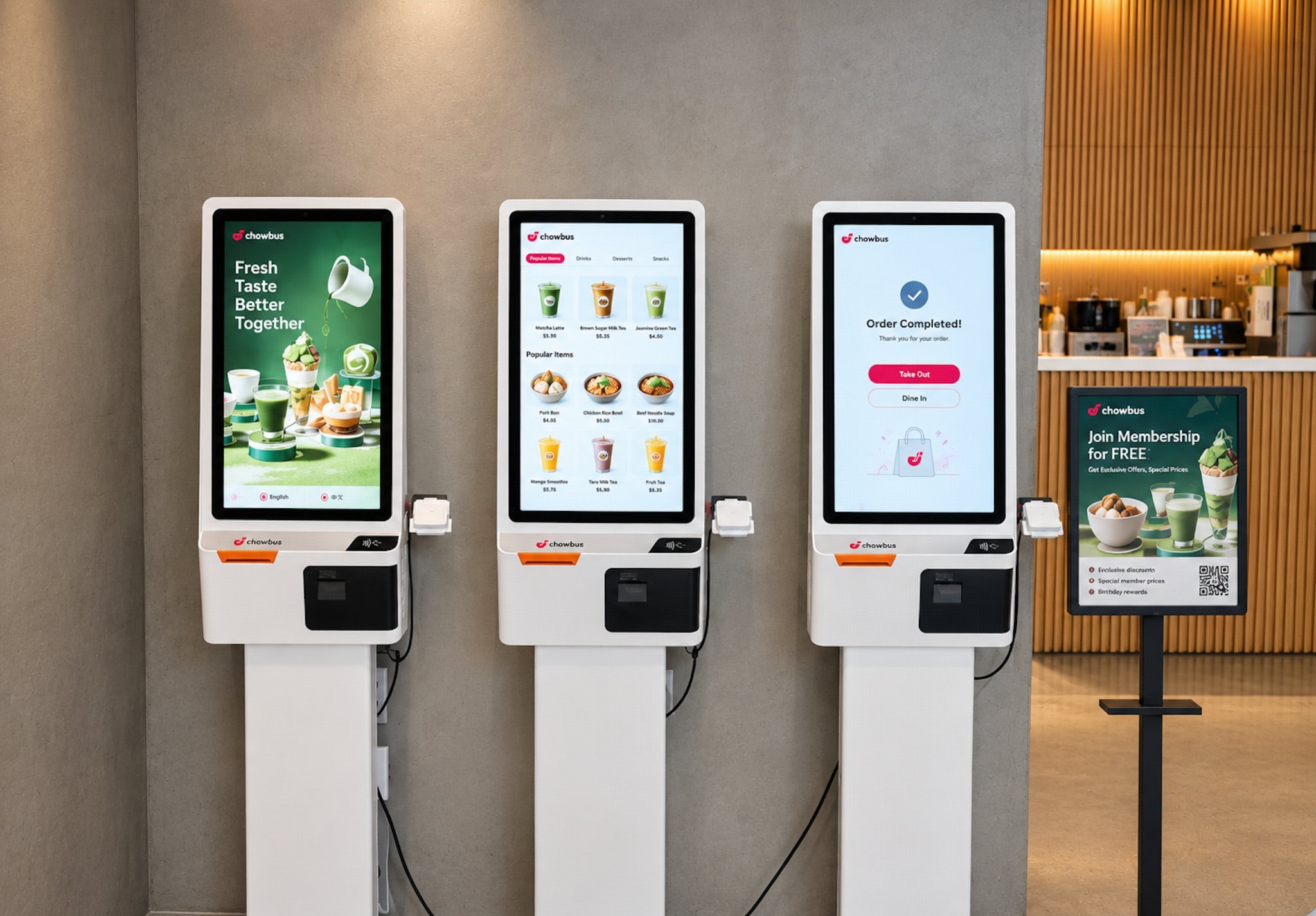
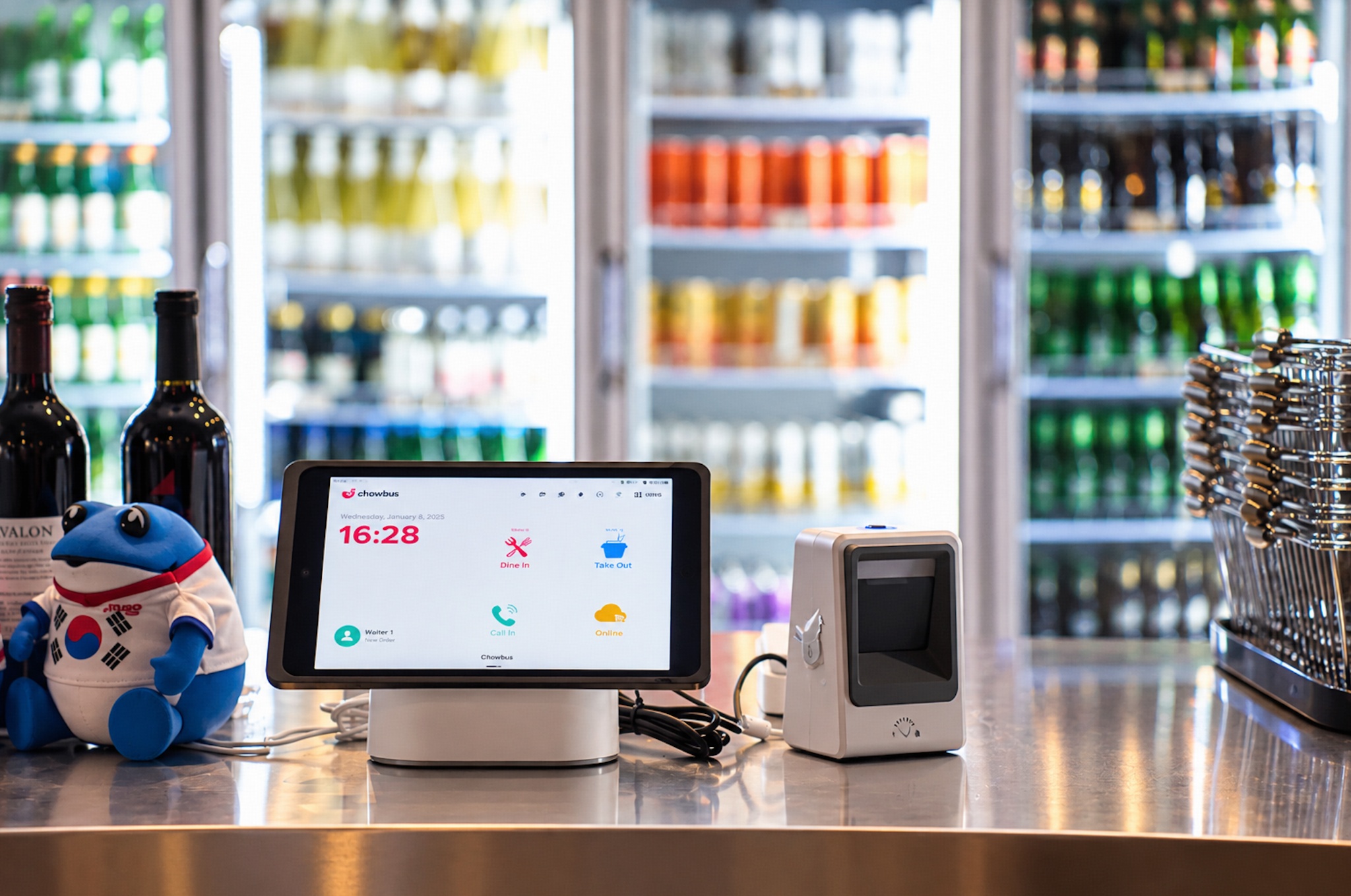
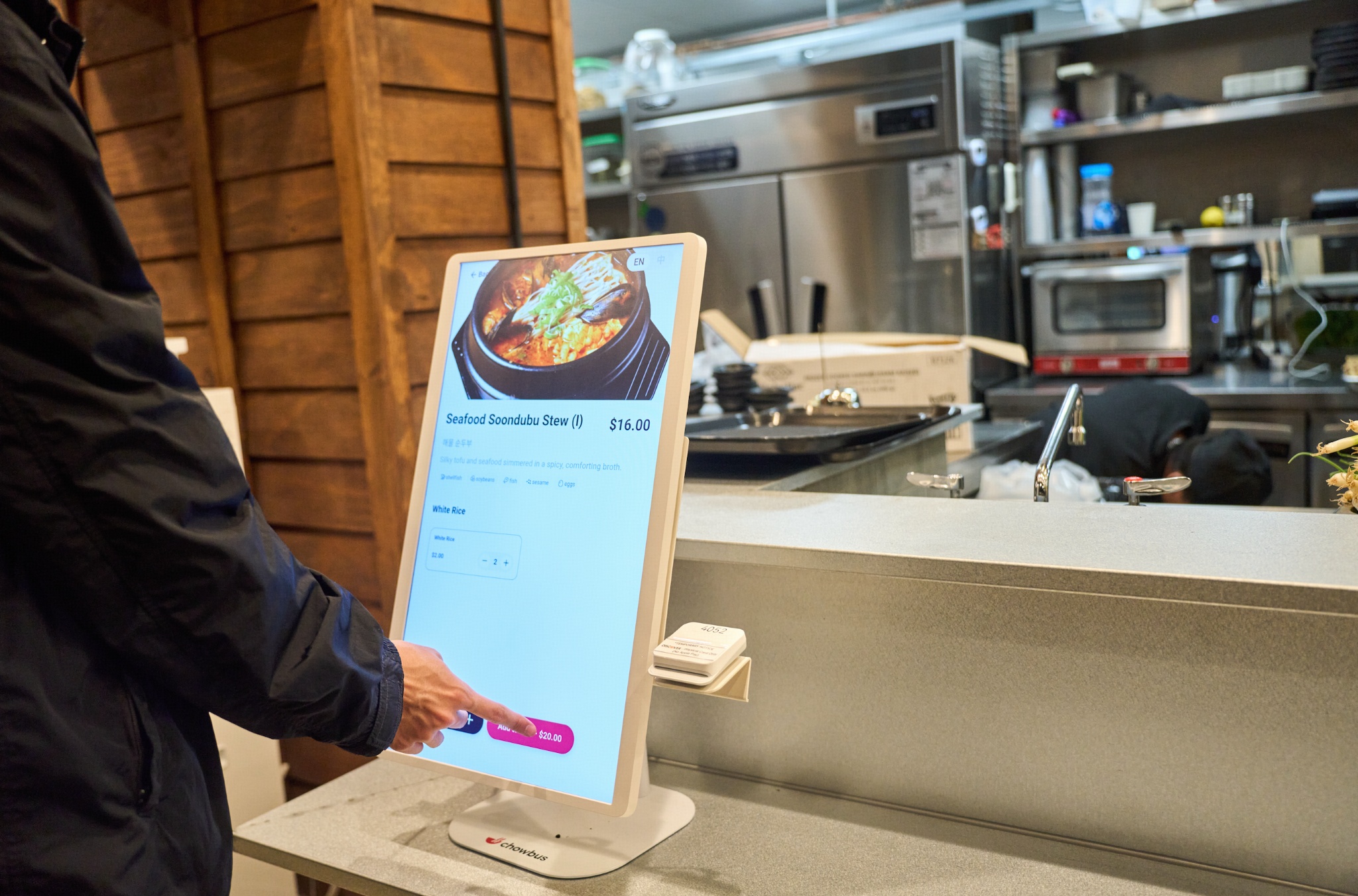
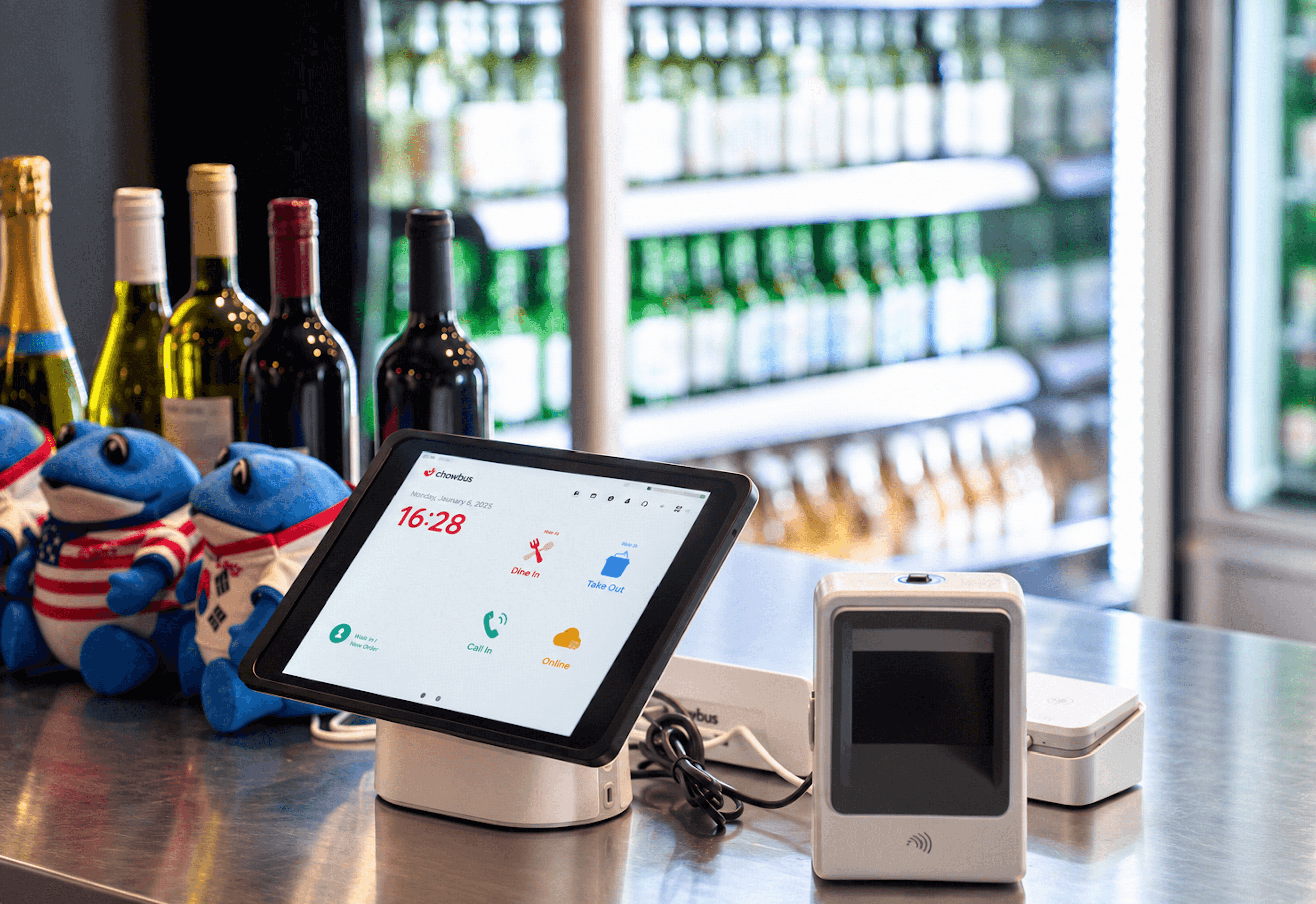
Technology. A café POS with fast drink modifiers, loyalty, and online/mobile ordering; optional kiosks or QR ordering for peak.
Licenses, insurance & working capital. Permits, health approval, and 2–3 months of runway.
1. Define the concept and daypart strategy. Coffee-only? Coffee + pastry? An Asian-style tea-and-coffee hybrid? Decide which dayparts you'll own — mornings are a given; lunch, afternoon, and evening are where extra revenue hides.
2. Choose location for traffic and routine. Cafés thrive on habit, so proximity to commuters, offices, or campuses matters more than a destination spot.
3. Build the plan and financing around frequency and daypart revenue, not just the morning peak.
4. Sign the lease with a build-out period.
5. Start permits and health approval early.
6. Build out and install — sequence plumbing and electrical for the espresso setup first.
7. Set up the POS, loyalty, and ordering channels before opening; configure modifiers, a phone-number loyalty program, and mobile pre-order.
8. Hire and train for speed and consistency — the morning line is a choreography problem.
9. Soft-launch, then build the regulars.
Two levers separate a café that grows from one that just opens. The first is loyalty: because the business runs on frequency, a phone-number loyalty program that nudges a regular back one extra visit a month compounds powerfully — and it's the lever a generic register misses entirely, because it never captures the customer. The second is dayparts: most cafés make their money in one rush and barely cover the lights the rest of the day. Reporting that breaks revenue down by hour shows where the gaps are, and a café POS flexible enough to run an afternoon promo, a lunch program, or a mobile pre-order push is how you fill them. Plan both before opening, not as an afterthought once sales plateau.
A café needs a system tuned for fast, customized drinks and a high-frequency, repeat-customer business — not the table-service features a general restaurant POS leads with. The right café POS rings a customized drink in seconds, captures regulars with phone-number loyalty across counter, kiosk, QR, and online, offers commission-free online and mobile ordering, and handles bakery or retail SKUs alongside drinks. Chowbus is the all-in-one AI POS purpose-built for Asian restaurants — including Asian-style cafés, bakeries, and tea-coffee hybrids — used across 9,000+ restaurants in all 50 states and Canada, which is why settling the system before opening pays off as the regulars build.
For a café, location isn't just about foot traffic — it's about routine. Because the business runs on frequency, the best spots are woven into people's daily patterns: near commuter routes, offices, transit, gyms, or campuses, where the same people pass at the same times each day. A destination location can work for a weekend-brunch concept, but a daily-habit café wants to be on the path of least resistance for a morning coffee. Walk your prospective trade area at 8 a.m. on a weekday, not just when you're touring at 2 p.m. — the morning rush is the business, and you need to see whether your customers actually flow past your door when it matters.
Read the trade area honestly: who lives and works within a few blocks, what they can pay, and what's already serving them. A neighborhood saturated with cafés may still have room for a distinct concept (an Asian-style tea-and-coffee hybrid, a specialty bakery) but not for another generic coffee bar. Confirm the practical fit too — plumbing and electrical for the espresso setup, ventilation if you bake, and seating that matches your concept. And weigh the daypart potential of the location: a spot near offices is strong mornings and lunch but dead at night, while a residential or nightlife-adjacent area might support evening dessert-and-coffee traffic. Matching the location to the dayparts you intend to own is what turns a promising space into a profitable one, and it's far cheaper to get right before you sign than to discover after you open.
A café that only sells coffee leaves money on the table, because the espresso rush is just one slice of the day. The strongest cafés design a menu that gives people reasons to come at other hours and spend a little more each visit. Pastries and grab-and-go food turn a coffee stop into a breakfast or lunch ticket. Specialty and seasonal drinks — and for Asian-style cafés, tea and hybrid drinks — bring in afternoon and evening traffic that plain coffee won't. Retail bags of beans, packaged goods, or branded merchandise add high-margin sales with no extra labor at the counter. The point isn't to overload the menu; it's to deliberately cover more dayparts and raise the average ticket, so the same foot traffic produces more revenue.
That menu strategy only pays off if your system can handle it cleanly. A café POS needs to ring fast drink modifiers, packaged retail items, and made-to-order food in one smooth transaction, and to report by daypart so you can see which items and hours actually drive margin. Build the menu around the dayparts you want to own, price the add-ons to lift the ticket without scaring off the core coffee customer, and let the data guide what you push as you learn your trade area's rhythms.
A café's first week sets habits — yours and your customers'. Use a soft launch to smooth the morning choreography, confirm drink consistency, and get your loyalty program live from day one so early visitors start accruing immediately. After that, watch frequency more than foot traffic: a café's value is the relationship that brings someone back fifty weeks a year, and that's what you're building. Plan the café math, work the steps in order, program your slow dayparts, and put a system that captures regulars in place before you pour the first cup. For Asian-style cafés, bakeries, and hybrids, a purpose-built platform like Chowbus closes the gaps a generic register leaves open. Explore the café POS built for speed and loyalty.
Commonly from about $80,000 for a small coffee bar to $300,000+ for a full café with a kitchen or bakery, depending on city and build-out. Major costs are lease and deposits, build-out, equipment (the espresso setup is significant), inventory, technology, permits, and 2–3 months of working capital.
Usually 4–9 months from lease to launch, gated by permits, health approval, build-out, and equipment lead times. Start permits the day you sign the lease.
They can be, but margins on individual drinks are thin, so profitability depends on volume, repeat frequency, and revenue across multiple dayparts. Cafés that capture regulars with loyalty and program their slow hours tend to outperform.
One with fast drink modifiers, phone-number loyalty, commission-free online/mobile ordering, and clean handling of bakery/retail items. Chowbus offers a café POS purpose-built for the format, especially for Asian-style cafés and hybrids.
By owning the customer relationship — a phone-number loyalty program, mobile pre-order so regulars skip the line, and a distinct concept — rather than competing on scale. The relationship a chain can't replicate is an independent café's biggest advantage.
By the Chowbus Team · Updated 2026. Figures cited (9,000+ restaurants across all 50 U.S. states and Canada) reflect Chowbus company information; startup-cost ranges are general industry estimates — verify against local quotes.