Many of America's most beloved restaurants were opened by first-time owners — often immigrant entrepreneurs who knew their food cold but had to learn the American business side from scratch: the leases, the permits, the payroll rules, the financing, the technology. That learning curve, not the cooking, is what trips up most new operators. This guide lays out the path from idea to open doors in plain terms, with special attention to the hurdles that hit first-time and bilingual owners hardest — and how to clear them without paying for every lesson in lost money.
The short version: starting a restaurant in the U.S. means a business plan, an entity and the right licenses, financing, a location and build-out, hiring, and the systems to run it — typically 6–12 months and a wide cost range depending on format. The owners who succeed treat the unglamorous parts (legal, compliance, numbers, systems) as seriously as the menu.
The most common first-timer mistake is falling for a space before the plan is real. Before you sign anything, write a simple business plan: your concept and who it's for, a realistic budget, projected covers and average check, and the monthly rent and labor those numbers can actually support. This plan does double duty — it keeps you honest, and lenders and investors will ask for it. If the math only works on optimistic assumptions, fix the concept now, while it's free to change.
This is where first-time and immigrant owners most often need guidance, because mistakes here are expensive and hard to undo:
• Business entity. Most restaurants form an LLC or corporation for liability protection; how you structure it affects taxes and partners.
• EIN and bank account. A federal tax ID and a dedicated business bank account keep finances clean from day one.
• Licenses and permits. A business license, food service license, health department permit, and — if you serve alcohol — a liquor license, which can take months and should be started early.
• Employment compliance. Wage-and-hour rules, tip handling, payroll tax, and worker classification vary by state and are a frequent source of costly errors. When in doubt, get professional advice before you hire.
Because these legal and compliance details are exactly where new owners lose money, it's worth budgeting for an accountant and, where relevant, a lawyer early — far cheaper than fixing a problem after it surfaces.
Common paths include personal savings, an SBA or small-business loan, investors or partners, and equipment financing. Lenders want the business plan, your projections, and often a personal guarantee. Two cautions for first-timers: keep enough working capital to cover 2–3 months of operating costs after opening (the ramp is slower than most expect), and be precise about the build-out budget — overruns on plumbing, hood/ventilation, and equipment lead times are routine, so carry a 15–20% contingency.
1. Validate the concept and budget (above).
2. Choose a location that fits the format's needs — power, gas, ventilation, and foot traffic, not just rent.
3. Form the entity, get the EIN, and open the business account.
4. Secure financing.
5. Sign the lease with a build-out runway.
6. Start all permits immediately — health, food, signage, and liquor if applicable.
7. Build out, sequencing long-lead items (hood/ventilation, equipment) first.
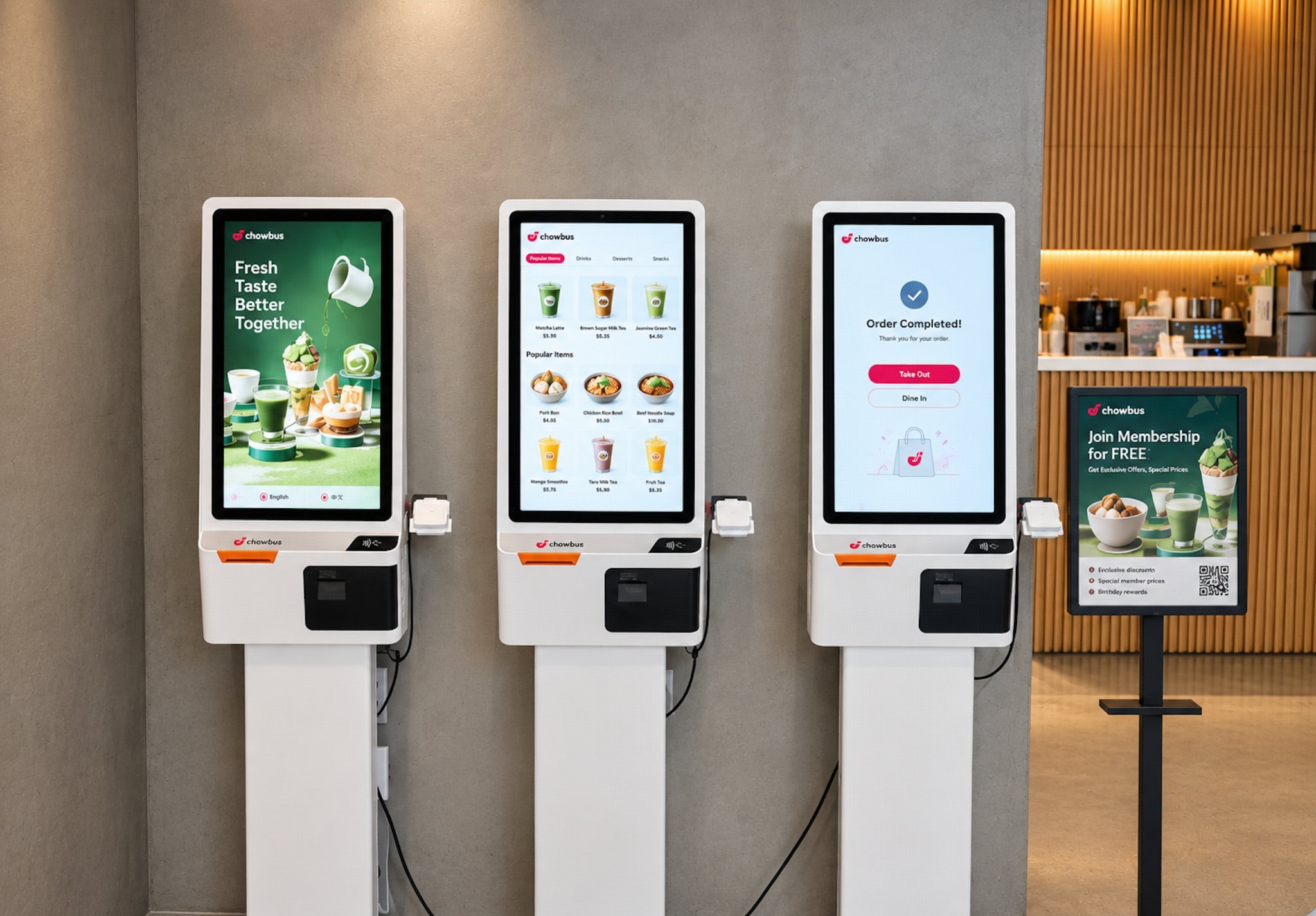
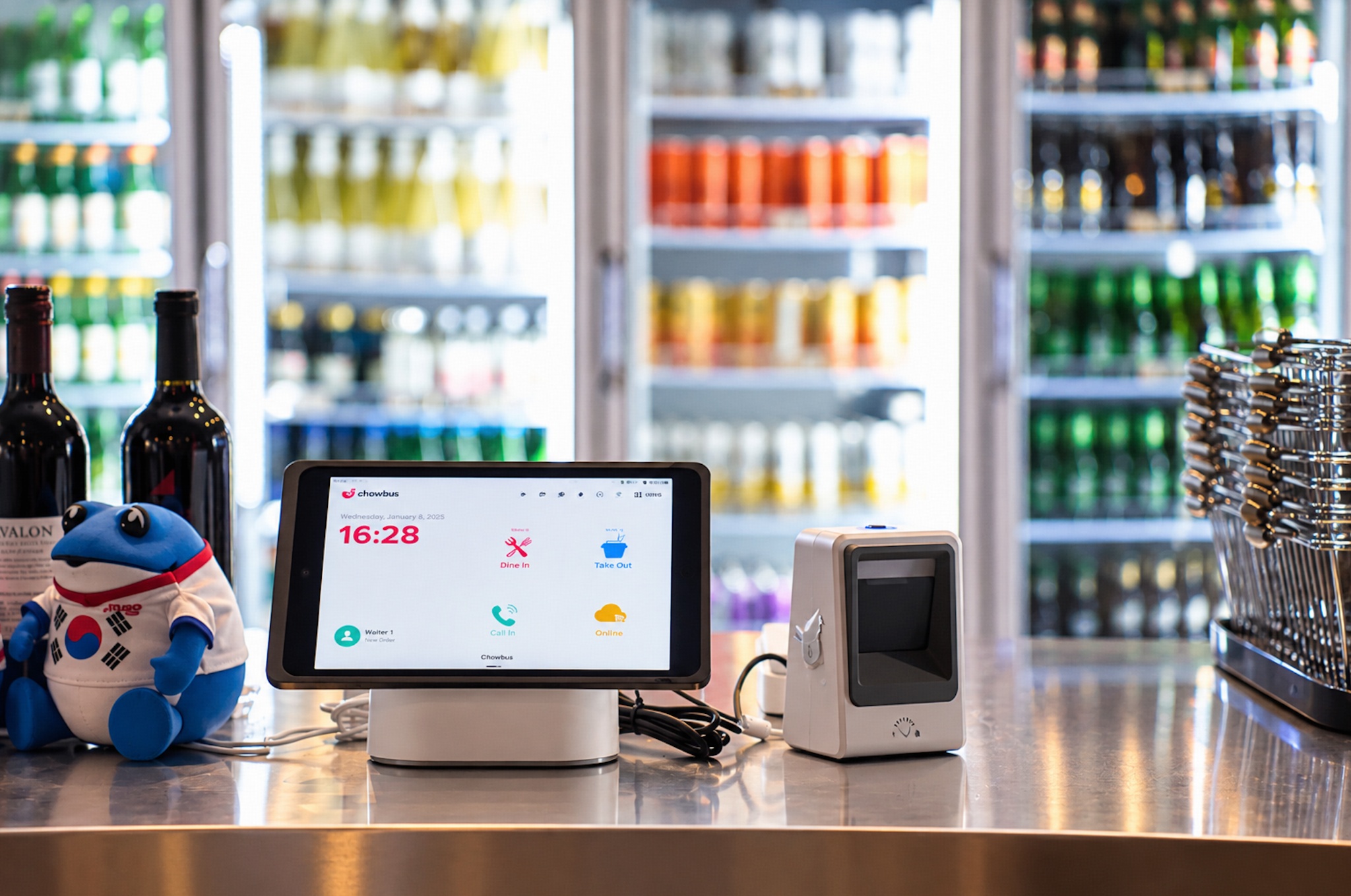
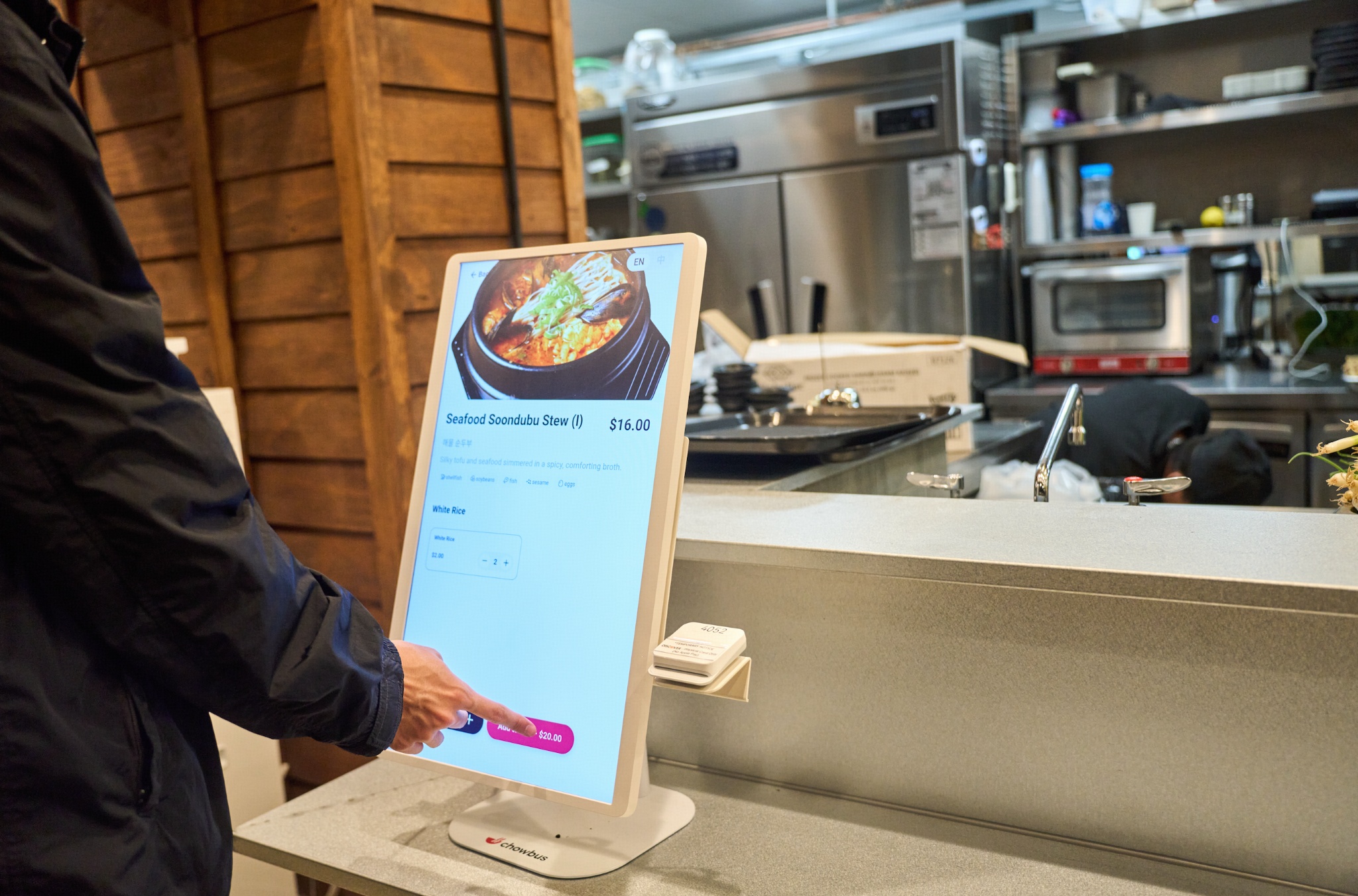
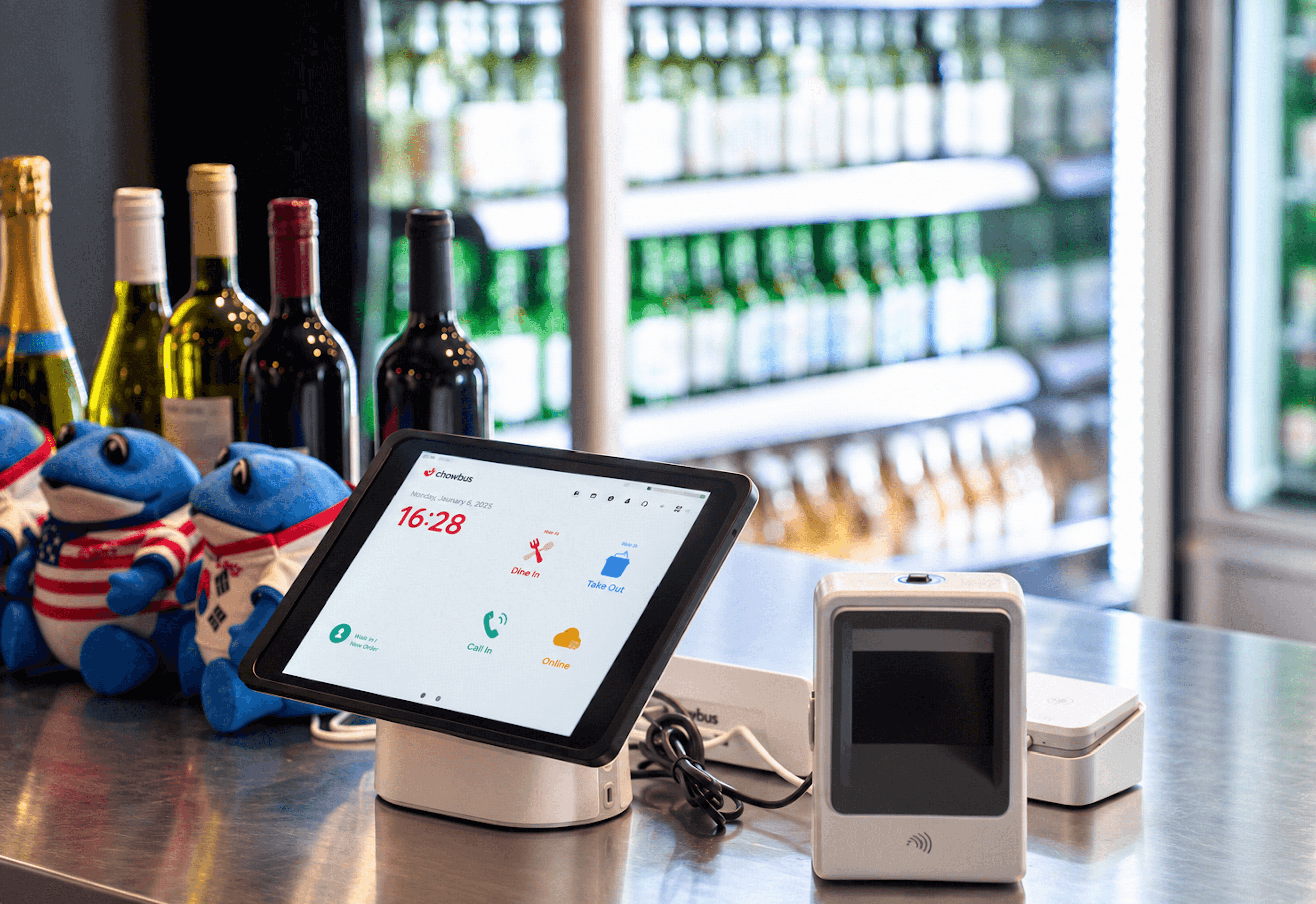
8. Choose your POS and systems and configure them before opening — menu, payments, online ordering, and loyalty.
9. Hire and train.
10. Soft-launch, then open.
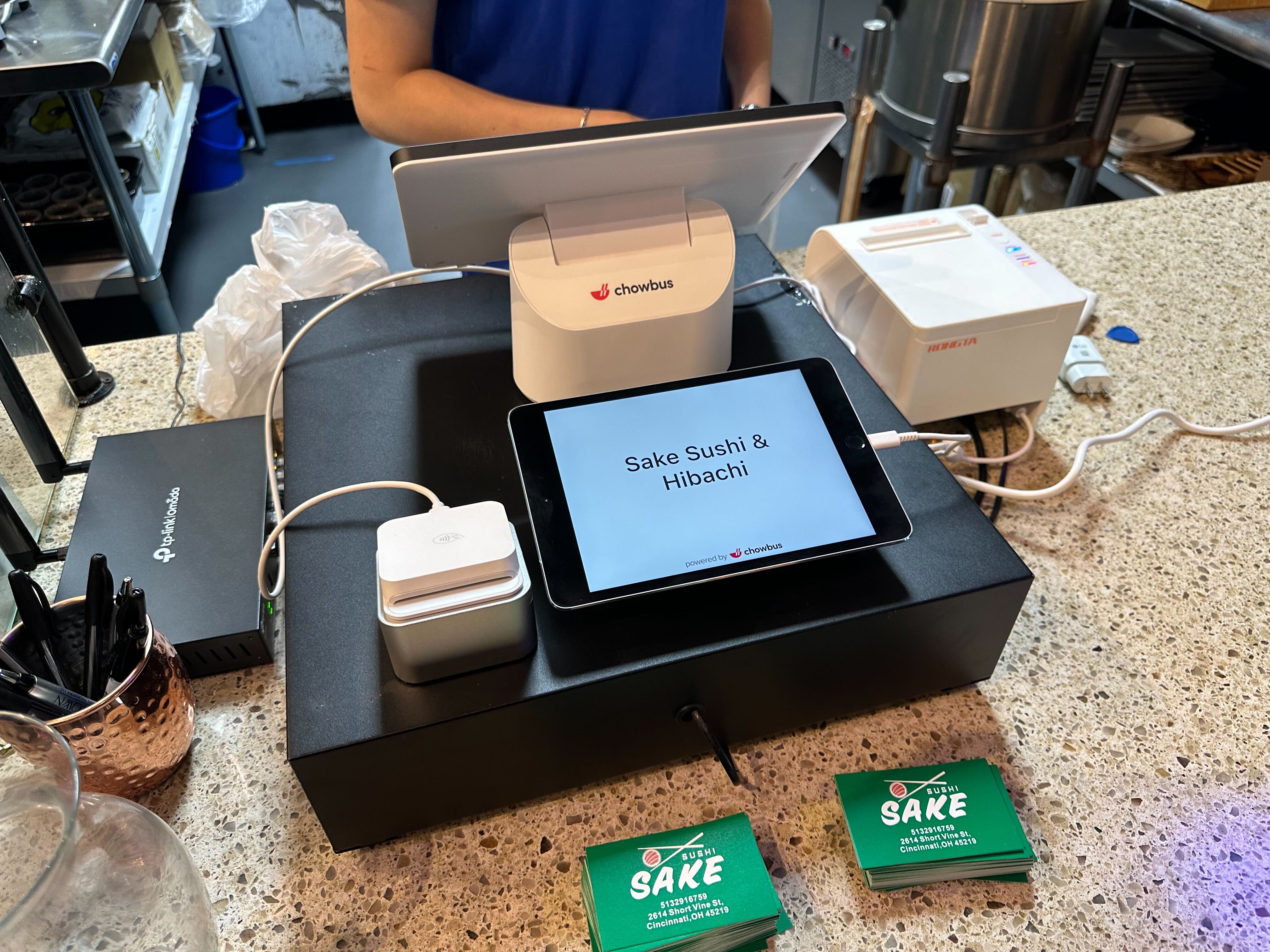
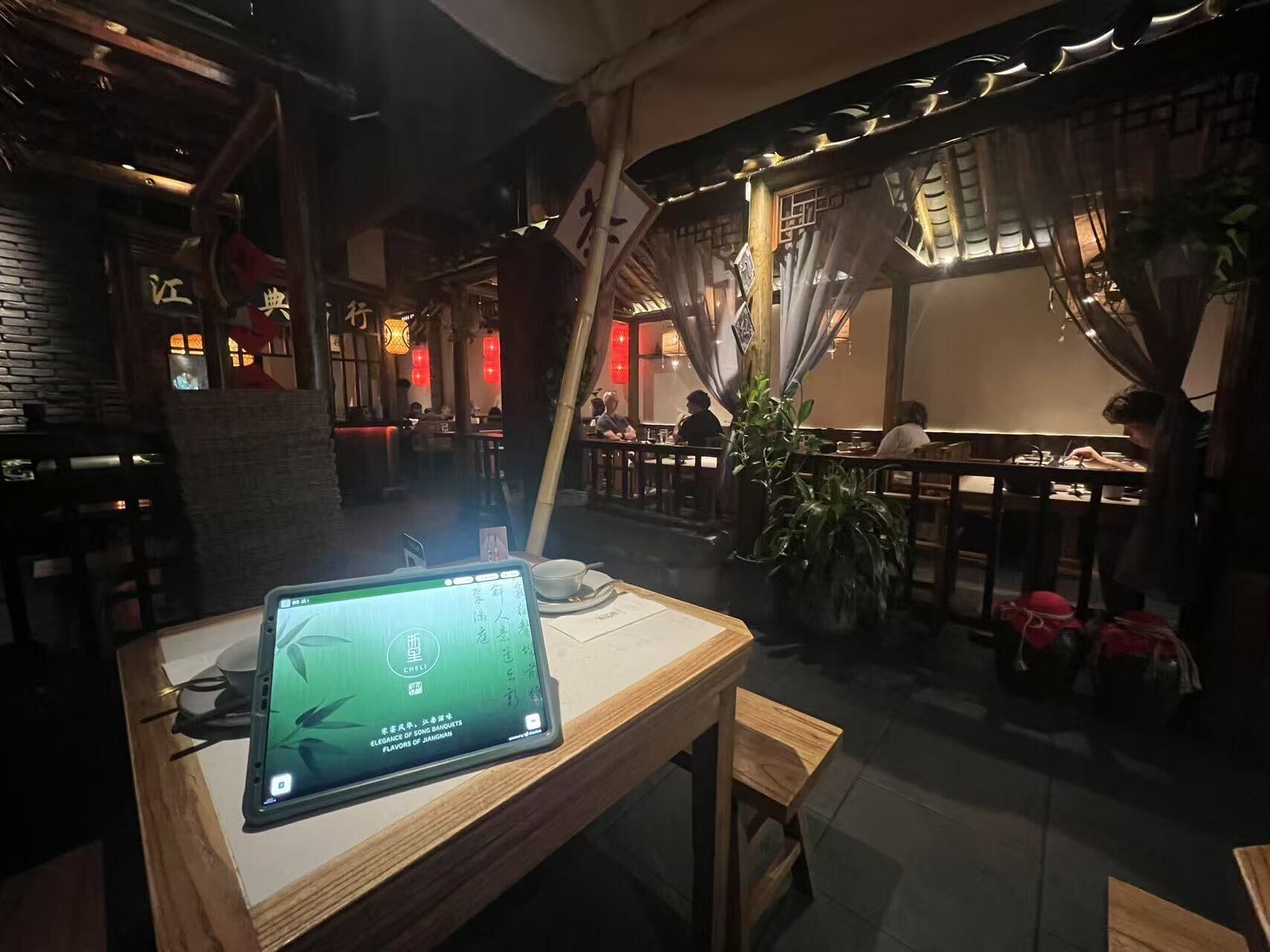
Beyond financing, two challenges show up repeatedly. The first is language and compliance friction: navigating English-language leases, permits, and labor rules is genuinely harder when English isn't your first language — which is why support and software that work in your language matter, not as a nicety but as risk reduction. The second is running disconnected tools: many new owners end up with a register, a separate online-ordering app, a separate loyalty tool, and a delivery integration that don't talk to each other, creating reconciliation headaches and errors from day one. Choosing an all-in-one platform with bilingual support removes both frictions at once. Chowbus is the all-in-one AI POS purpose-built for Asian restaurants, with 24/7 bilingual support (EN/ZH/ES) across 9,000+ restaurants in all 50 states and Canada — built for exactly the owner this section describes.
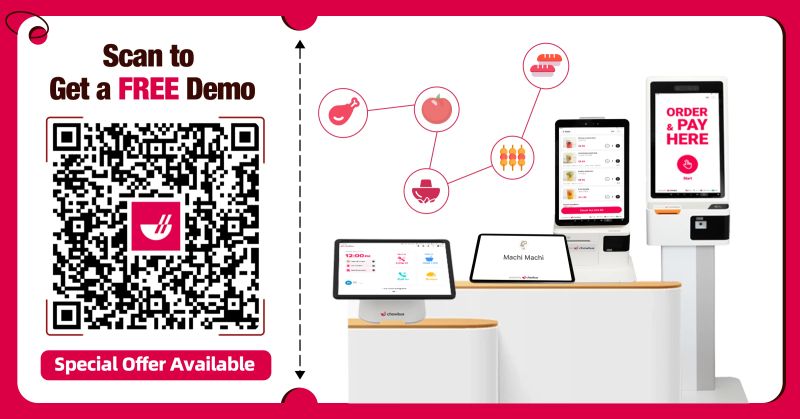
The technology decision is easy to defer and expensive to get wrong. A new restaurant needs a point-of-sale platform that handles ordering and payments, connects commission-free online ordering, captures customers with loyalty, and — for Asian concepts — supports multilingual menus and kitchen tickets. Settling this before opening means your menu, payments, and customer data are configured for day one rather than stitched together later, and an all-in-one platform spares a first-time owner the integration tax of running four disconnected tools.
How you fund the restaurant shapes how much pressure you're under in the early months, so it's worth weighing the options rather than defaulting to one. Personal savings keep you debt-free and in full control, but concentrate your risk. SBA and small-business loans offer favorable terms but require strong documentation, a solid plan, and often a personal guarantee — start the application early, as approval takes time. Investors or partners bring capital and sometimes expertise, but dilute ownership and add decision-makers, so be clear on roles and equity up front. Equipment financing or leasing spreads the cost of expensive kitchen gear over time, preserving cash for the build-out and working capital. Most first-time owners blend two or three of these. Whatever the mix, protect your working-capital reserve above all — running out of cash during the slower-than-expected ramp is the most common way a viable restaurant fails before it finds its footing.
A quiet mistake first-time owners make is treating marketing as something that starts after opening. The restaurants that open strong build demand during the build-out, so day one has a crowd instead of crickets. You don't need a big budget — you need a head start. Claim and complete your Google Business Profile early (it's how most local customers will find you), set up your social profiles and post the build-out journey to create anticipation, and get your name into the local community — neighborhood groups, nearby businesses, and any cultural or community networks relevant to your concept. For Asian and bilingual concepts, that often means both English and Chinese-language channels (WeChat groups, Xiaohongshu, local community pages), where word of mouth travels fast.
Set up the tools that capture demand from the start, too. Have your online ordering and loyalty program live for opening day so early customers start accruing immediately and you begin building a reachable customer base from the first order — rather than letting your busiest early weeks pass without capturing anyone. A soft opening for friends, family, and neighbors both pressure-tests your operation and seeds the first reviews and word of mouth. Demand built before opening compounds: it turns a fragile first month into a running start, which for a new restaurant burning working capital is exactly when momentum matters most.
Starting a restaurant in the U.S. is less about a single big decision and more about doing many unglamorous things in the right order: plan the numbers, set up the entity and licenses correctly, finance with a real contingency, build out with realistic timelines, and choose systems that fit how you'll actually run. For first-time and bilingual owners especially, the path is far smoother with professional advice on the legal and compliance steps and a platform that works in your language. Get those right and you free yourself to focus on what you came to do — the food and the guests. Explore the all-in-one POS platform built for Asian restaurants.
It varies widely by format and city — from a modest quick-service spot to a full-service build-out costing several hundred thousand dollars. Major costs are lease and deposits, build-out, equipment, licenses, technology, and 2–3 months of working capital. Carry a 15–20% contingency for build-out overruns.
Typically a business license, food service license, and health department permit; a liquor license if you serve alcohol (start it early — it can take months); plus employment and tax registrations. Requirements vary by state and city, so confirm locally and consider professional advice.
Commonly 6–12 months from concept to opening, gated by financing, permits, and build-out. Long-lead items like hood/ventilation and a liquor license most often determine the date.
Usually the American business side — leases, permits, labor compliance, and financing — rather than the food, and language friction can make those harder. Professional advice on legal/compliance steps and bilingual-capable software and support reduce the risk; Chowbus offers 24/7 bilingual support across EN/ZH/ES.
An all-in-one POS that handles ordering, payments, commission-free online ordering, and loyalty in one place — avoiding the errors and reconciliation of disconnected tools. For Asian concepts, multilingual menus, kitchen tickets, and bilingual support matter; Chowbus is purpose-built for that.
By the Chowbus Team · Updated 2026. Figures cited (24/7 bilingual support EN/ZH/ES; 9,000+ restaurants across all 50 U.S. states and Canada) reflect Chowbus company information; cost and timeline ranges are general industry estimates. This is general information, not legal or financial advice — consult a licensed professional for your situation.