It costs far more to win a new customer than to bring back one you already have — and yet most restaurants pour their energy into acquisition while letting regulars slip away unnoticed. A loyalty and membership program flips that priority: it turns one-time visitors into repeat customers, and repeat customers into a database you can actually reach. The catch is that most loyalty programs are designed poorly — a punch card no one finishes, points no one redeems — and quietly do nothing. This playbook covers why loyalty matters, the program types that work, and how to build one that actually changes behavior.
The short version: a restaurant loyalty program works when it's tied to a phone number (not a card), accrues across every channel, gives rewards people actually want, and — crucially — lets you reach members directly to bring them back. Build it on data you own, not a punch card you hand out.
Restaurant economics reward frequency. A regular who comes four times a month is worth multiples of a one-time visitor, and bringing an existing customer back is far cheaper than acquiring a new one through ads or third-party apps. Yet without a loyalty program, every visit is anonymous — you can't tell who your best customers are, and you have no way to reach them. A loyalty program converts that anonymous traffic into a known, reachable base. That's why it's often the single highest-return marketing investment a restaurant can make: it works on the customers you've already paid to acquire.
Not all loyalty structures perform equally. The common options:
Points-based. Customers earn points per dollar (or per visit) and redeem for rewards. Simple, familiar, and effective when rewards are reachable — points that take forever to redeem don't change behavior.
Visit-based / digital punch card. "Buy 9, get the 10th free." Great for high-frequency formats like coffee and boba; works best digital (tied to a phone number) rather than a paper card that gets lost.
Tiered / membership. Customers unlock better perks at higher spend or a paid membership tier. Drives both frequency and a sense of status; suits brands with a strong following.
Cashback / store credit. Returns a percentage as credit toward the next visit — a direct nudge to come back.
The best structure depends on your format and frequency, but the common thread is the same: rewards customers can actually reach, on a system that recognizes them automatically.
1. Tie it to a phone number, not a card. A digital, phone-number-based program is recognized automatically, never gets lost, and — most importantly — captures contact data you can use.
2. Pick rewards people want and can reach. A reward that's too distant doesn't motivate; calibrate it to your visit frequency.
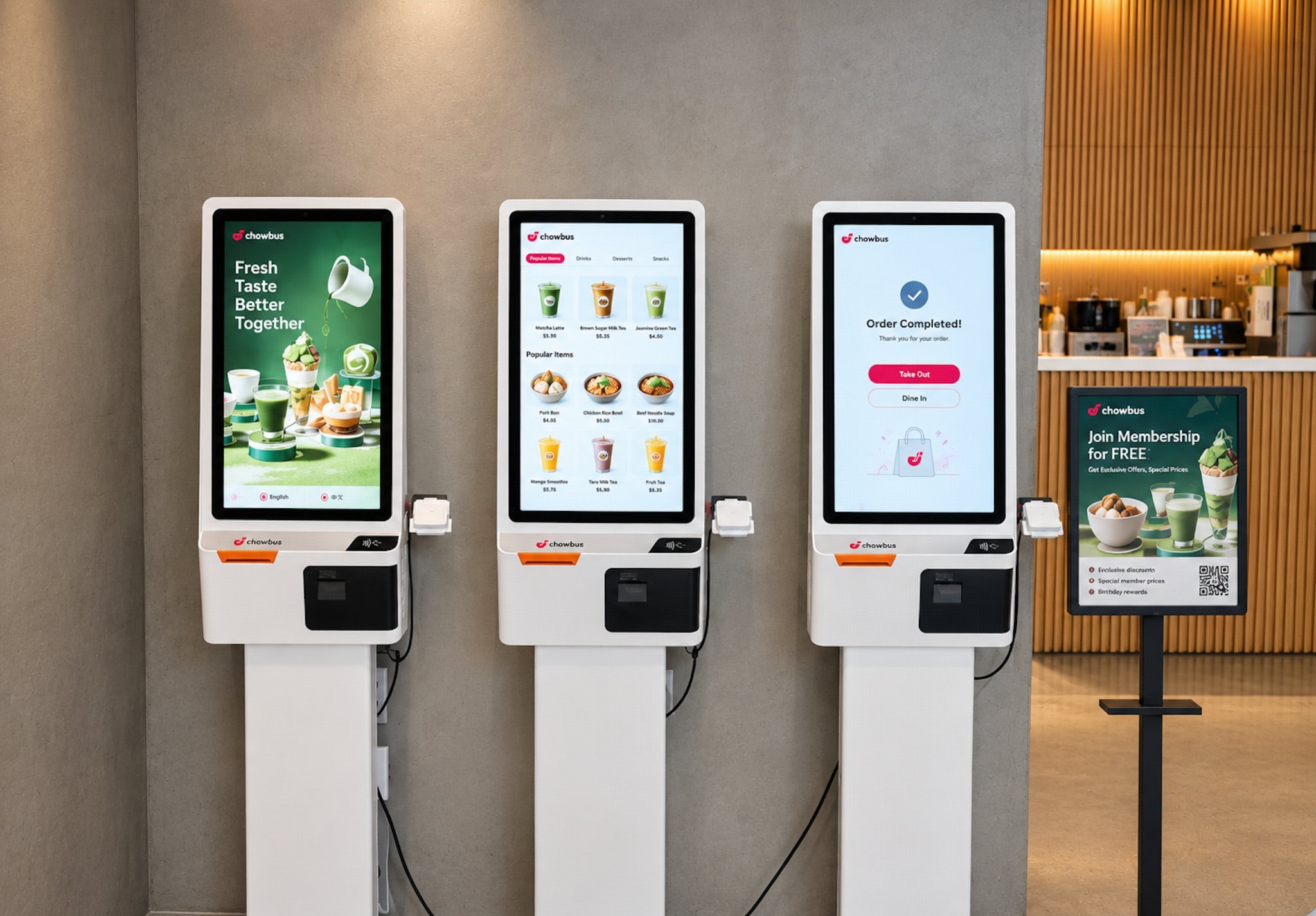
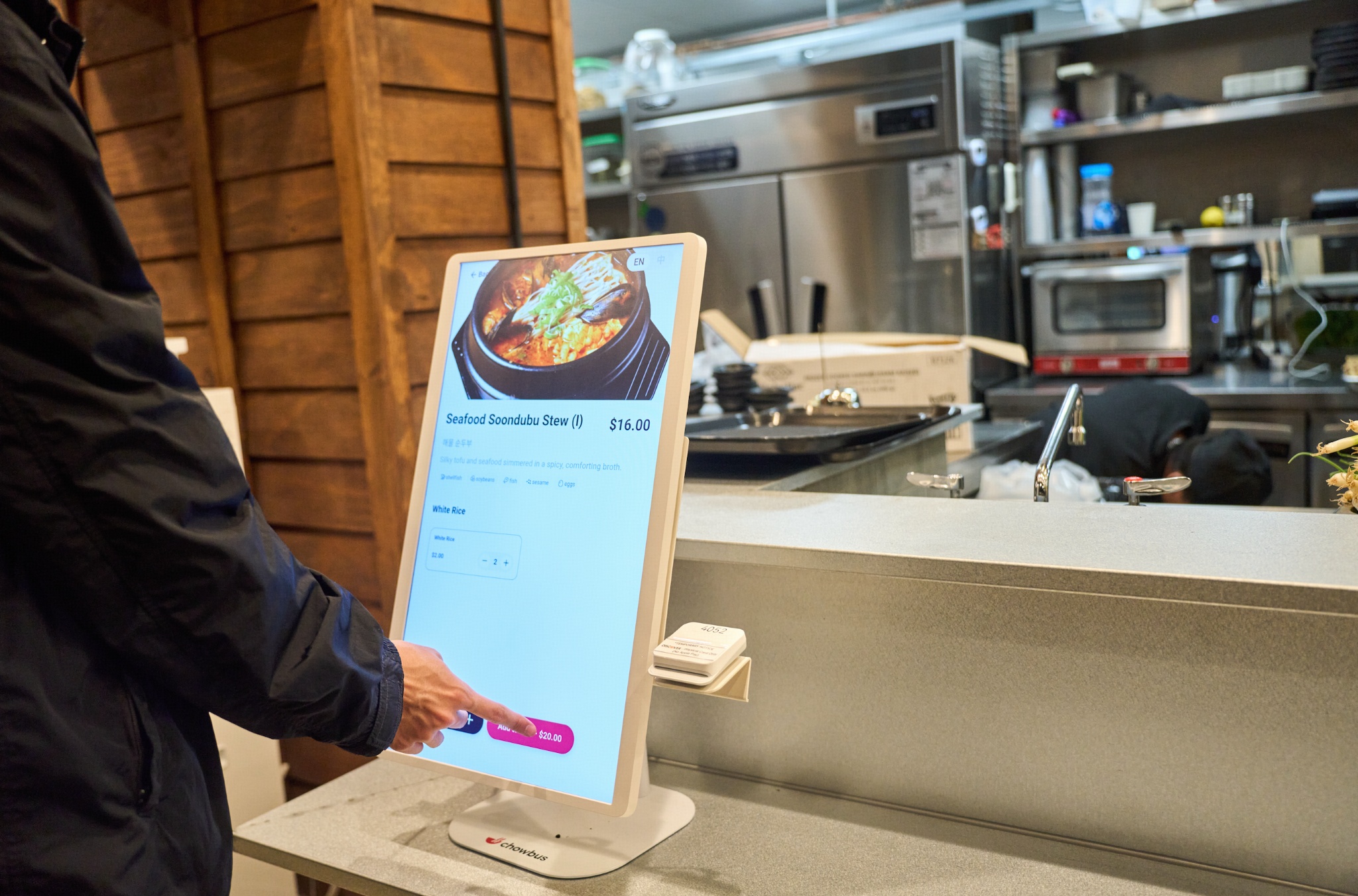
3. Enroll everywhere, frictionlessly. Let customers join at the counter, on a kiosk, via QR, or when ordering online — in seconds.
4. Accrue across every channel. Points should add up whether a customer orders at the counter, online, or by QR — one profile, all channels.
5. Use the data to reach members. This is the step most programs skip. A slow-Tuesday offer, a "we miss you" win-back, a new-item announcement — sent to the people most likely to respond — is where loyalty turns into revenue.
6. Measure repeat frequency, not just sign-ups. The goal is more visits per member, not a bigger list that does nothing.
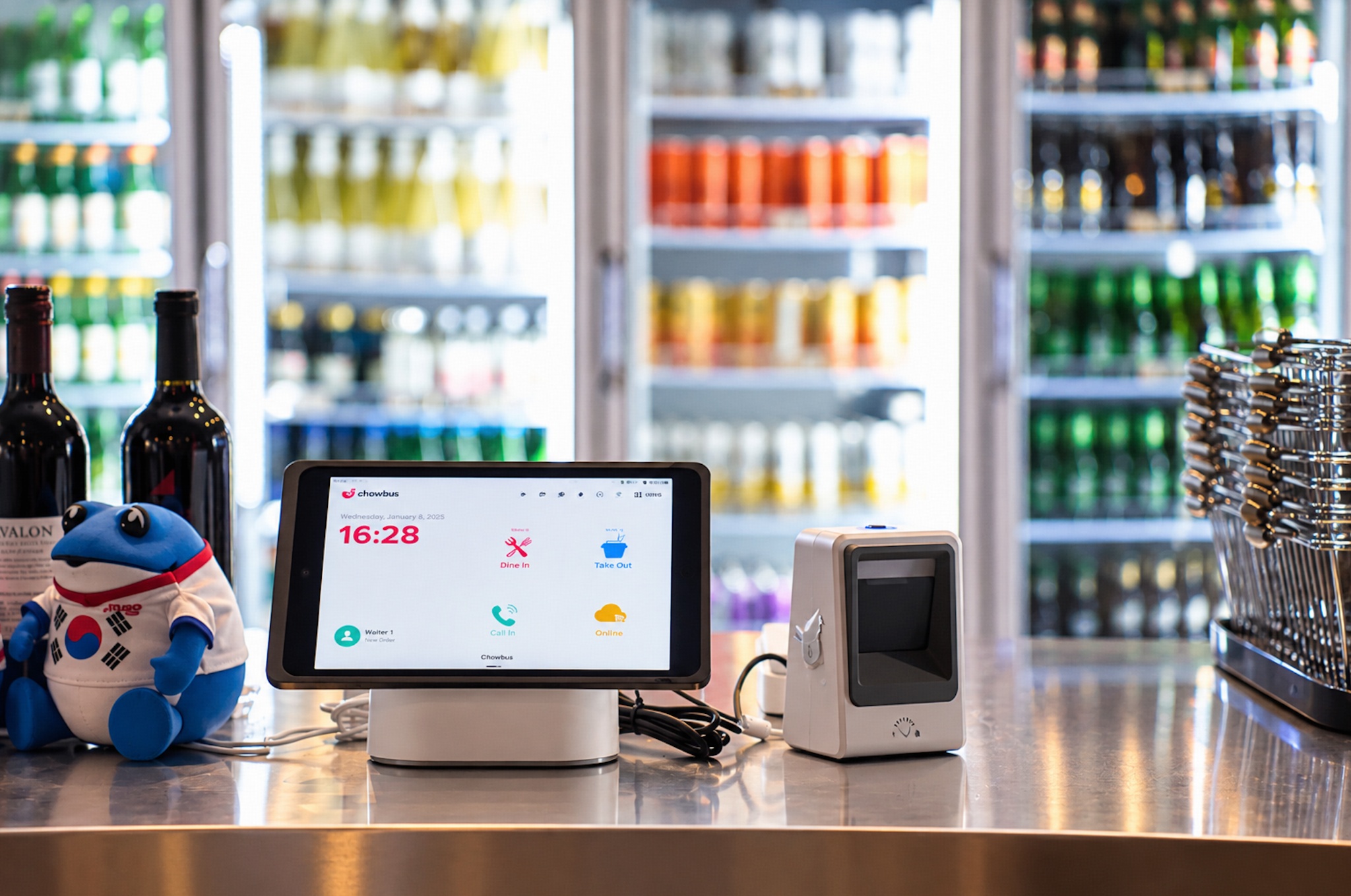
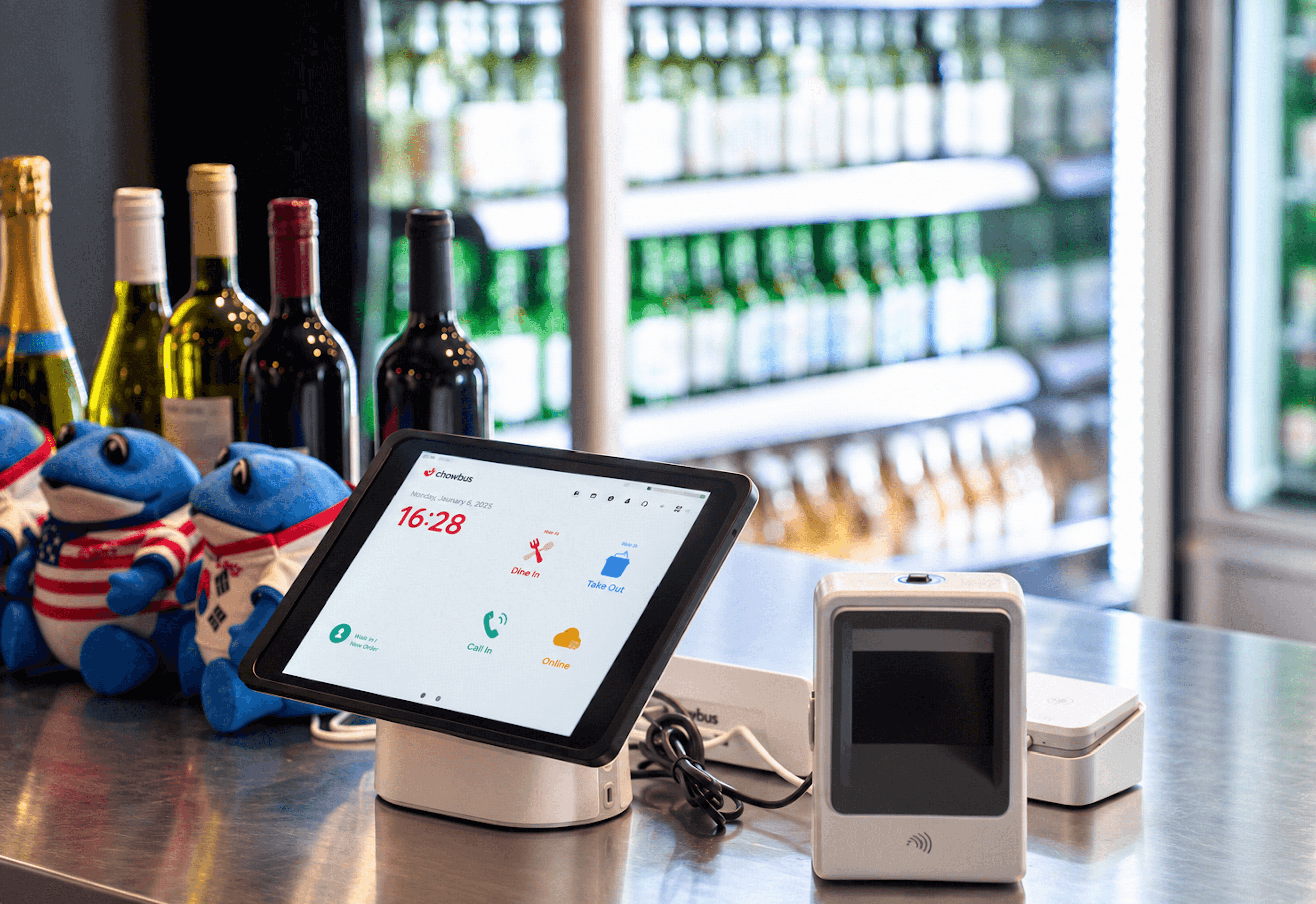
A loyalty program bolted on as a separate app creates the same problem as any disconnected tool: enrollment is clunky, points don't sync across channels, and the customer data sits apart from your sales. Built into your POS, loyalty recognizes a member automatically at the counter, kiosk, QR, and online; accrues everywhere on one profile; and ties purchase history to the customer record so your offers are informed, not guesses. For Asian restaurants, bilingual enrollment and messaging matter too. Chowbus is the all-in-one AI POS purpose-built for Asian restaurants, with loyalty and CRM native to the platform across 9,000+ restaurants in all 50 states and Canada — so the program runs on the same system that already sees every order.
Most failed loyalty programs fail the same predictable ways. The first is rewards that are too far away — if it takes 15 visits to earn anything, customers stop tracking and the program does nothing; calibrate the first reward to be reachable within a few visits. The second is a paper punch card, which gets lost, can't be analyzed, and captures no contact data — the whole point of modern loyalty. The third, and most common, is collecting members but never reaching them: a list of phone numbers you never message is a missed opportunity, not a program. The fourth is friction at sign-up — if enrolling takes a clipboard and a minute, most customers won't bother; it has to be a few taps at the counter, kiosk, QR, or online. And the fifth is measuring the wrong thing — counting sign-ups instead of repeat frequency, so a growing list masks a program that isn't actually driving return visits. Each of these is avoidable, and avoiding them is most of what separates a loyalty program that compounds from one that just exists.
A loyalty program only works if customers know it exists and join, so launch it deliberately. Train staff to mention it at the moment of payment — a simple "want to earn points on this?" enrolls more members than any poster. Put enrollment prompts on kiosks, QR menus, receipts, and your online ordering checkout so every channel captures members automatically. Seed it with a sign-up incentive (points or a small first reward) to overcome inertia. Then — the part that turns a member list into revenue — actually use it: a welcome message, a slow-day offer, a win-back to members who haven't visited in a while, a heads-up on a new item or seasonal special. The cadence doesn't need to be aggressive; it needs to be consistent and relevant. A program promoted at sign-up and used thoughtfully afterward is the difference between a database that grows and a database that earns.
A loyalty program should be judged by behavior change, not vanity metrics, so track the numbers that show whether members actually return more. Watch visit frequency among members versus non-members — the whole point is that members come back more often. Watch member share of revenue: as the program matures, a healthy chunk of sales should come from identified members, which tells you the base is growing and engaged. Watch redemption rate — if rewards are never redeemed, they're not motivating anyone, a sign to make them more reachable. And watch win-back response: when you message lapsed members, do they return? That single test reveals whether your data is an asset or just a list. Because the program lives inside your POS, these numbers are visible alongside sales rather than guessed at — so you can adjust rewards, messaging, and cadence based on what the data shows, and steadily turn a member list into measurable repeat revenue.
A loyalty and membership program isn't about handing out discounts — it's about converting traffic you've already earned into a reachable base that comes back more often. Tie it to a phone number, make the rewards reachable, let customers enroll and earn across every channel, and — the step that separates programs that work from programs that don't — actually use the data to bring members back. Build it inside your POS so recognition and accrual are automatic and the customer data lives with your sales. Done right, loyalty is the closest thing a restaurant has to compounding interest: it works quietly on every regular, every week. Explore restaurant loyalty and CRM built into one platform.
Tie it to a phone number (not a card), choose rewards customers can actually reach, let them enroll and earn across counter, kiosk, QR, and online, and use the captured data to bring members back. Building it into your POS makes recognition and accrual automatic.
It depends on format — points-based and tiered/membership suit full-service, while digital visit-based (punch card) suits high-frequency coffee and boba. The common factor is reachable rewards on a phone-number system that recognizes customers automatically.
A phone-number-based program is recognized automatically, can't be lost, accrues across every channel, and — critically — captures contact data you can use to reach members. A paper card does none of that.
By increasing repeat frequency among customers you've already acquired — which is far cheaper than new acquisition — and by letting you reach members directly with timed offers. The revenue comes from more visits per member over time.
Ideally yes. Built into the POS, loyalty recognizes members automatically across all channels, accrues on one profile, and ties purchase history to the customer record — which a standalone loyalty app can't do as cleanly.
By the Chowbus Team · Updated 2026. Chowbus is the all-in-one AI POS purpose-built for Asian restaurants, used across 9,000+ restaurants in all 50 U.S. states and Canada, with 24/7 bilingual support.