Hot pot is one of the most social, highest-ticket formats in Asian dining — and one of the most operationally demanding to open. It isn't just a restaurant with boiling broth on the table; it's a per-person, round-based, often all-you-can-eat business with tabletop induction, ventilation, and a service rhythm unlike anything in standard full-service. Get the concept and the build-out right and hot pot delivers strong check averages and long, loyal visits. Get them wrong and the costs — equipment, ventilation, labor, uncharged add-ons — pile up fast. Here's how to open one in order.
In short: opening a hot pot restaurant usually means a higher build-out than a typical restaurant (tabletop cooking, induction, and ventilation drive it), a 6–12 month timeline, and a decision early on between à la carte and all-you-can-eat (AYCE) that shapes everything downstream — pricing, kitchen, and the POS you'll need.
Before location or equipment, settle the model, because it changes your pricing, kitchen, and technology. À la carte charges per dish and suits a more premium, slower-paced room. All-you-can-eat (AYCE) charges per person with time limits and premium-cut upgrades, drives volume and repeat visits, and is where much of U.S. hot pot growth sits — but it punishes loose operations: every uncharged premium plate, untracked round, or unenforced time limit is margin gone. Many rooms run AYCE at dinner and à la carte at lunch. Whichever you choose, decide now, because an AYCE room needs a POS that enforces per-person tiers, caps, and upgrades automatically — something to confirm before you buy anything.
Hot pot build-outs typically run higher than comparable restaurants, and the reasons are specific:
Tabletop cooking & induction. Built-in induction cooktops or gas burners at every seat, plus the electrical or gas work to support them.
Ventilation. Per-table downdraft or overhead exhaust is the single biggest cost driver and the most common source of delays and permit scrutiny — budget seriously and start early.
Kitchen & prep. Broth stations, refrigeration for fresh meats and seafood, and prep space for the large ingredient range hot pot demands.
Furniture & space. Tables sized for shared cooking and longer seatings, which affects covers per square foot.
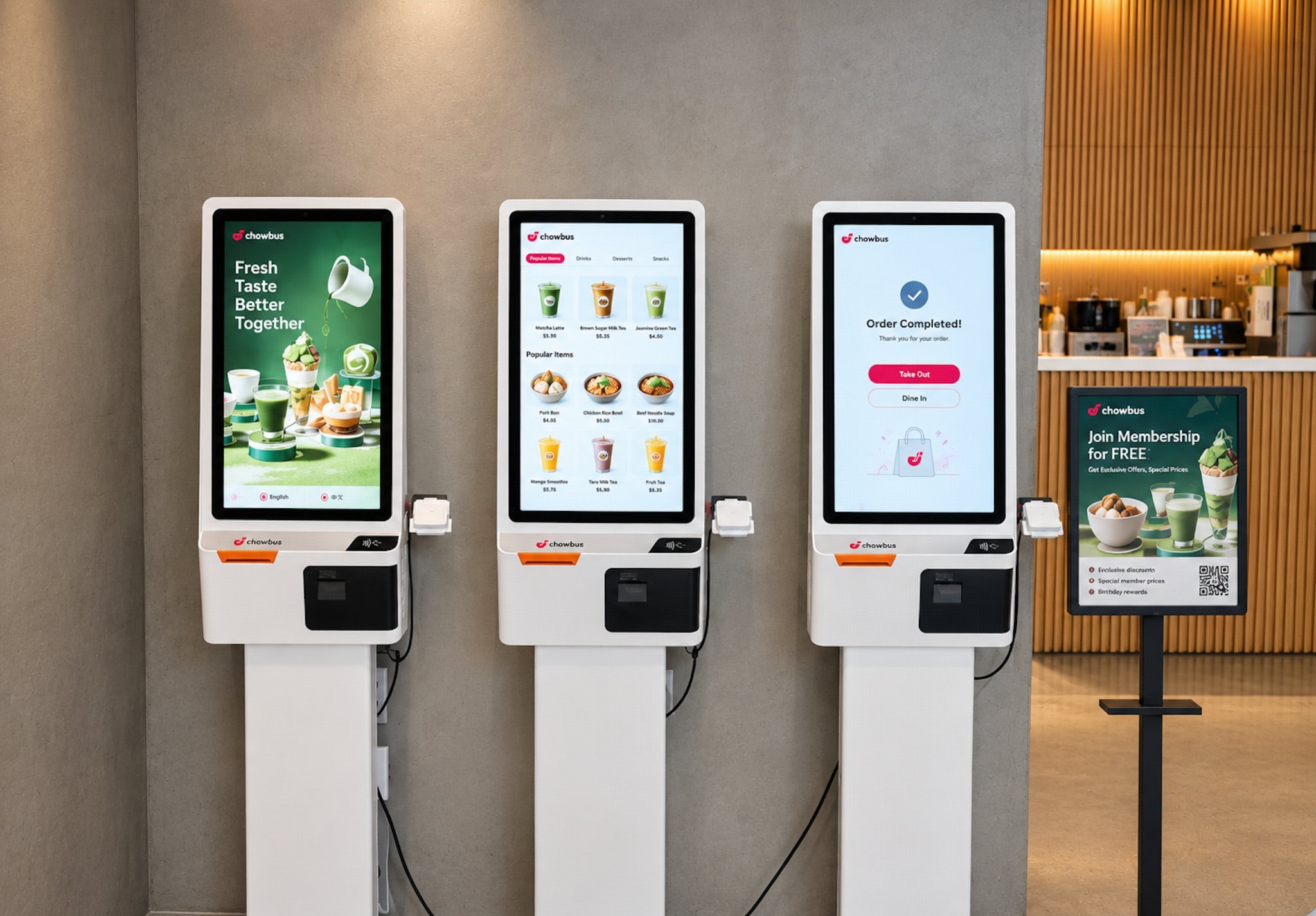
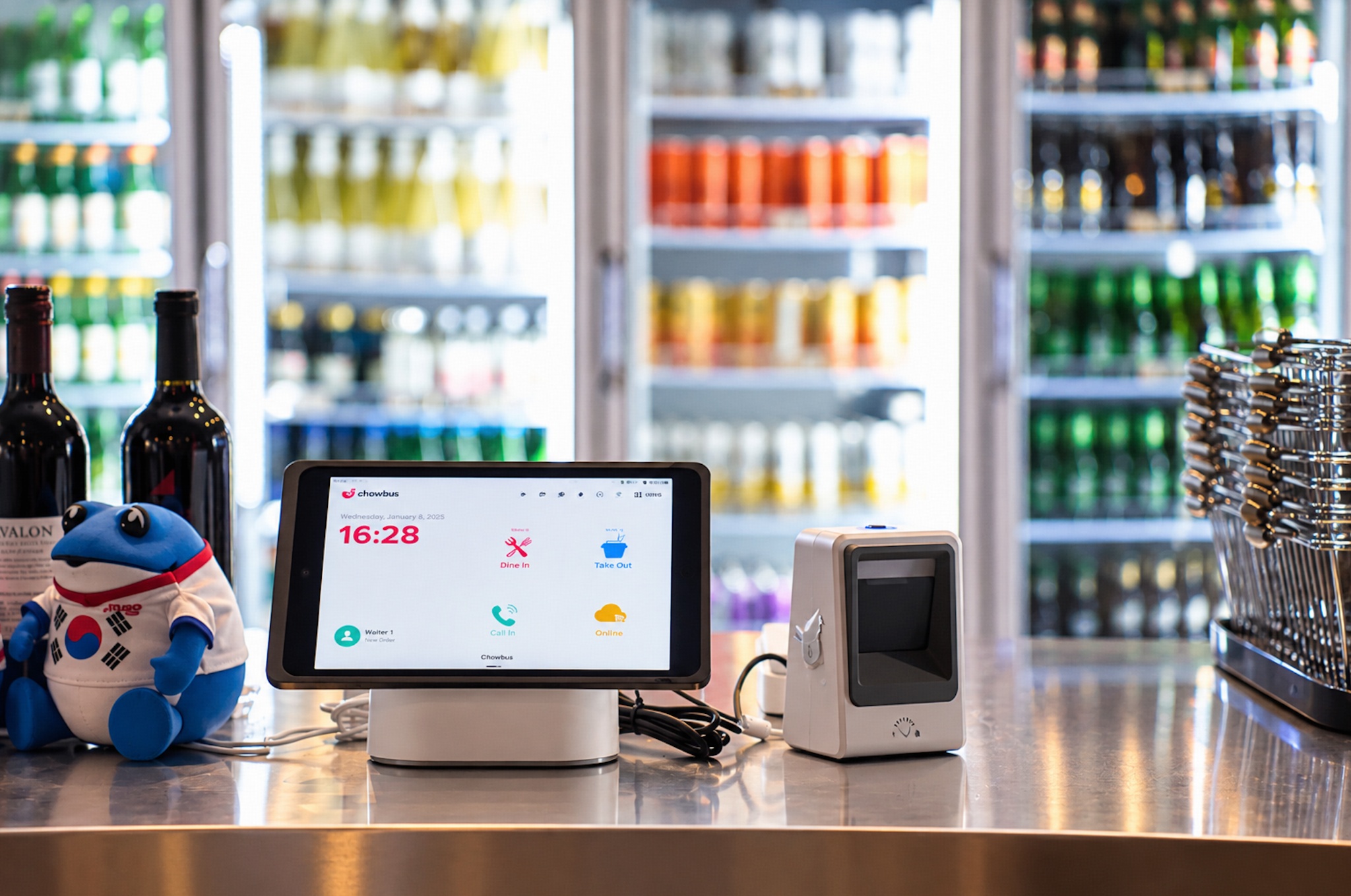
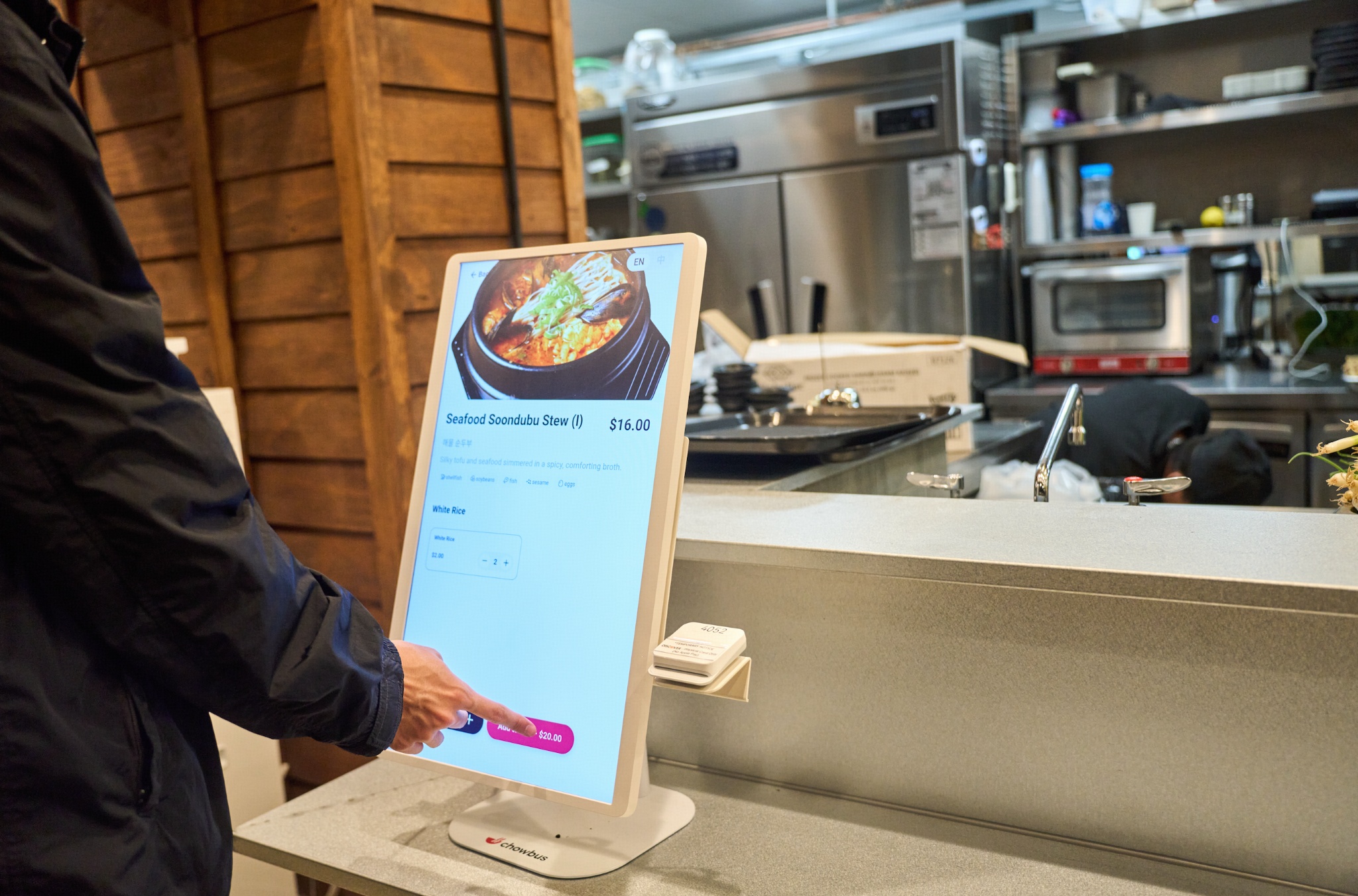
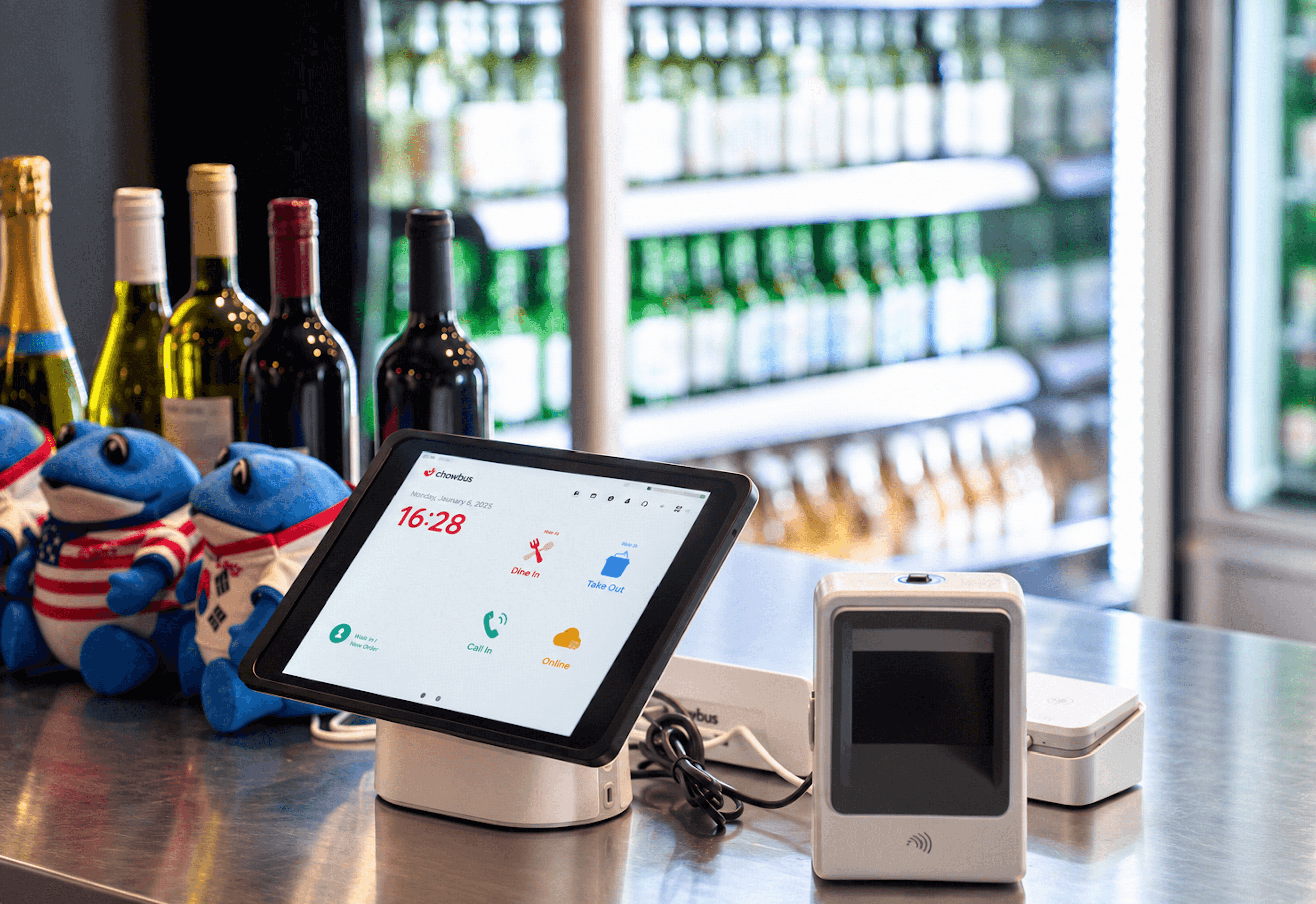
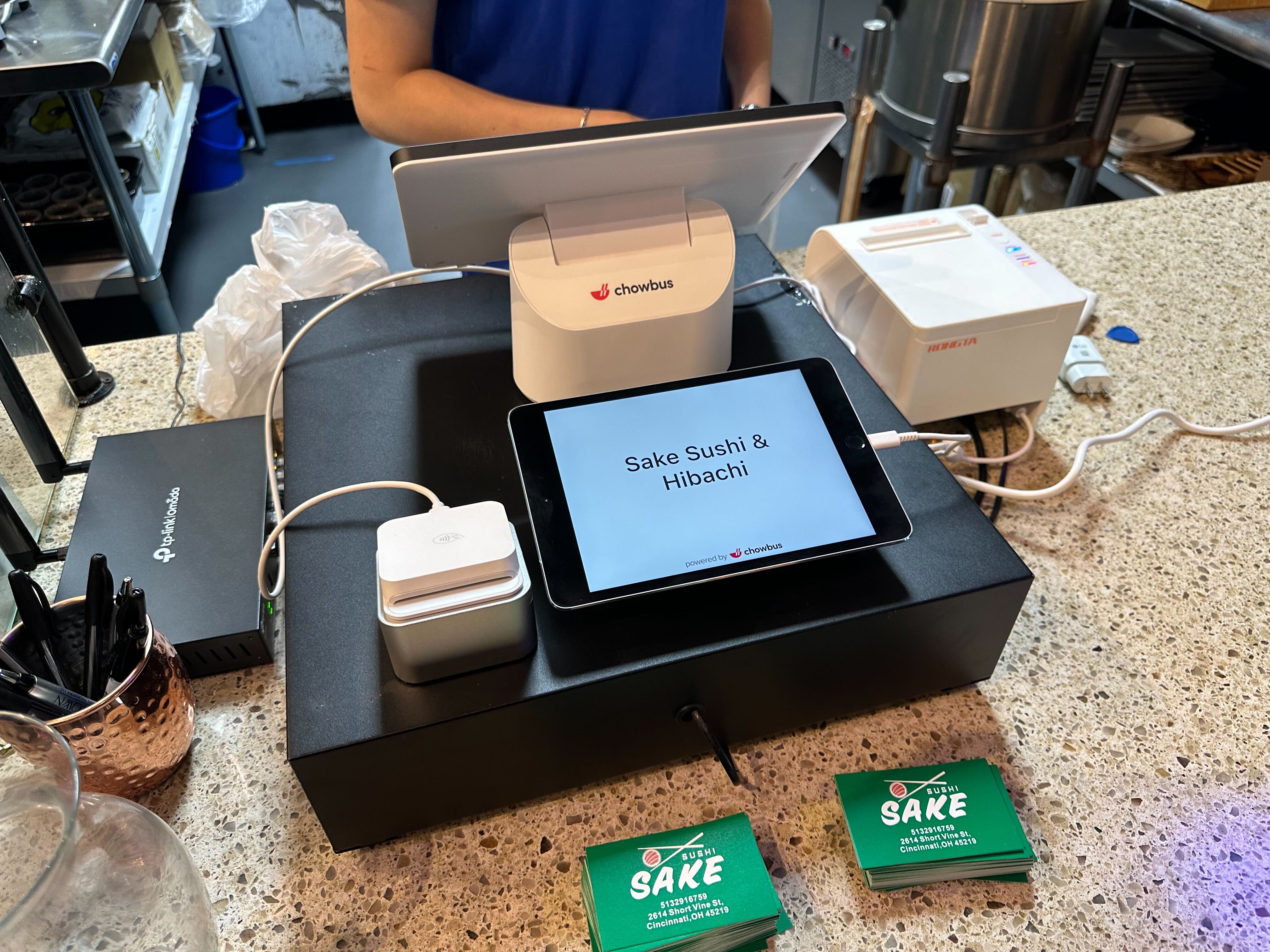
Technology. A hot pot POS with AYCE controls, QR round ordering, and a kitchen display system.
Licenses, insurance & working capital. Plus the usual permits and 2–3 months of runway. Because ventilation and induction draw heavy permit and inspection attention, build a generous timeline and contingency.
1. Lock the model (AYCE vs. à la carte) and the menu tiers — everything else depends on it.
2. Find a location that fits the format — enough power/gas capacity and ceiling/ventilation feasibility, not just foot traffic.
3. Build the plan and financing around realistic per-person spend and table turns.
4. Sign the lease with a build-out runway — hot pot construction takes longer than most.
5. Start permits immediately, especially anything touching ventilation, gas, and electrical.
6. Build out, prioritizing ventilation and induction — the long-lead, high-risk items.
7. Set up the POS, AYCE rules, QR ordering, and KDS before opening; model your real tiers and try to break them in the demo.
8. Hire and train for the rhythm — banchan/sides, continuous rounds, time-limit enforcement, premium-cut upselling.
9. Soft-launch to pressure-test rounds, kitchen pacing, and check accuracy before a full opening.
The quiet killer in a hot pot room — especially AYCE — is the uncharged extra: the premium broth or wagyu upgrade added verbally, the round nobody tracked, the time limit that slipped on a packed Saturday. On paper or an honor system these add up across a service in a per-person model running on thin margins. A platform with built-in AYCE controls captures every premium add-on at the point of order and enforces limits automatically, while QR table ordering lets parties drive round after round without flagging a server. Xiang Hot Pot recovered roughly $15,000 a year after switching from MenuSifu to Chowbus, in part by capturing upgrades that had gone uncharged — a useful benchmark for how much the right setup protects.
Hot pot inverts the assumptions general restaurant systems are built on, so the technology decision belongs in the planning phase, not after opening. A hot pot POS should enforce per-person AYCE pricing, time limits, and round caps; capture premium-cut and broth upgrades; sequence rounds to the kitchen through a KDS; and print bilingual tickets for a kitchen that often reads Chinese. Chowbus is the all-in-one AI POS purpose-built for Asian restaurants, with these hot pot and AYCE controls native, used across 9,000+ restaurants in all 50 states and Canada. Choosing it before build-out means your tiers, rounds, and kitchen flow are configured for opening day instead of retrofitted later.
Hot pot has a service rhythm no generic training program prepares you for, and underestimating it is a common opening mistake. Unlike a plated-meal restaurant where a server takes one order and delivers it, hot pot is continuous: parties order round after round of meat, vegetables, and sides; banchan and sauces need replenishing; broths and burners need tending; and in an AYCE room, time limits and premium-cut upgrades have to be managed at the table without killing the mood. That means your staffing model and training have to account for sustained tableside attention, not just turn-and-burn service. Document your service standards — how rounds are taken, when to suggest premium cuts, how time limits are communicated — and run timed practice services before opening so the team builds the muscle memory.
Technology directly lightens this load, which is why it belongs in your staffing plan. When parties order rounds by QR instead of flagging a server each time, your team spends less time taking orders and more time tending tables and running food — meaning the same headcount covers more seats at peak. A kitchen display system that sequences banchan, broth, and rounds keeps the kitchen synced to the table's pace, cutting the rework and chasing that otherwise eat labor. And because hot pot kitchens are frequently bilingual, tickets that print in the station's language reduce errors that would otherwise need a remake. Plan your staffing around what the technology handles and what genuinely needs a human, and you open with a leaner, calmer operation rather than a frantic one.
Hot pot's profit profile is different from a standard restaurant, and understanding it shapes every decision from pricing to the POS. Broths and base ingredients are relatively low-cost, which is why per-person AYCE pricing can work — the model is a volume-and-frequency game. But the margin isn't evenly spread: premium proteins (wagyu, specialty seafood), specialty broths, and add-ons are where the real profit lives, while the base spread is closer to breakeven designed to get guests in the door. That structure has two implications. First, capturing those premium upgrades reliably is essential — miss them and you're selling the low-margin base without the high-margin top. Second, table turns matter enormously because hot pot is a long, social meal: a per-person price only pencils out if you can seat and turn enough parties, which is why time limits (in AYCE) and efficient round flow aren't just operational niceties but core to the economics.
This is exactly why the technology decision is an economic one, not just an operational one. A system that enforces time limits, captures every premium upgrade at the point of order, and speeds rounds via QR directly protects the two levers — upgrade capture and table turns — that hot pot profit depends on. Plan your pricing tiers and premium menu deliberately, and make sure your POS can both enforce them and report on them, so you can see which broths and cuts actually drive your margin and adjust over time.
Hot pot rewards operators who treat it as the distinct format it is — per person, round-based, ventilation-heavy, and margin-sensitive — and it punishes those who open it like a standard restaurant. Before you commit to a space, confirm three things: the location can physically support induction and ventilation; your model (AYCE or à la carte) and tier pricing are set; and your POS can enforce that model automatically. Nail those, build a realistic timeline with contingency for the long-lead ventilation work, and you give a hot pot concept its best shot in a fast-growing but demanding market. Explore the hot pot POS built for the format.
Typically more than a comparable restaurant because of tabletop induction and ventilation. Major drivers are per-seat cooking equipment, ventilation (the biggest single cost), kitchen and refrigeration, format-specific furniture, technology, permits, and working capital. Build a generous contingency for ventilation and inspection delays.
AYCE drives volume and repeat visits but requires strict enforcement of per-person pricing, time limits, and premium upgrades; à la carte suits a more premium, slower room. Many run AYCE at dinner and à la carte at lunch. Decide early — it shapes pricing, kitchen, and the POS you need.
Often 6–12 months — longer than most formats — because ventilation, induction, gas, and electrical work draw heavy permitting and have long lead times. Starting those permits the day you sign the lease is critical.
One with built-in AYCE controls (per-person tiers, time limits, round caps, premium upgrades), QR round-based ordering, and a KDS. Chowbus offers a hot pot POS purpose-built for this; generic systems force workarounds that leak margin.
With a POS that enforces per-person pricing, time and round limits, and captures premium upgrades at the point of order — not by hand. Built-in AYCE controls recover the add-ons that otherwise go uncharged; one operator saved about $15,000 a year after switching to a purpose-built system.
By the Chowbus Team · Updated 2026. Figures cited (9,000+ restaurants across all 50 U.S. states and Canada; Xiang Hot Pot ~$15,000 annual savings after switching from MenuSifu) reflect Chowbus company information; cost and timeline ranges are general industry estimates — verify against local quotes.