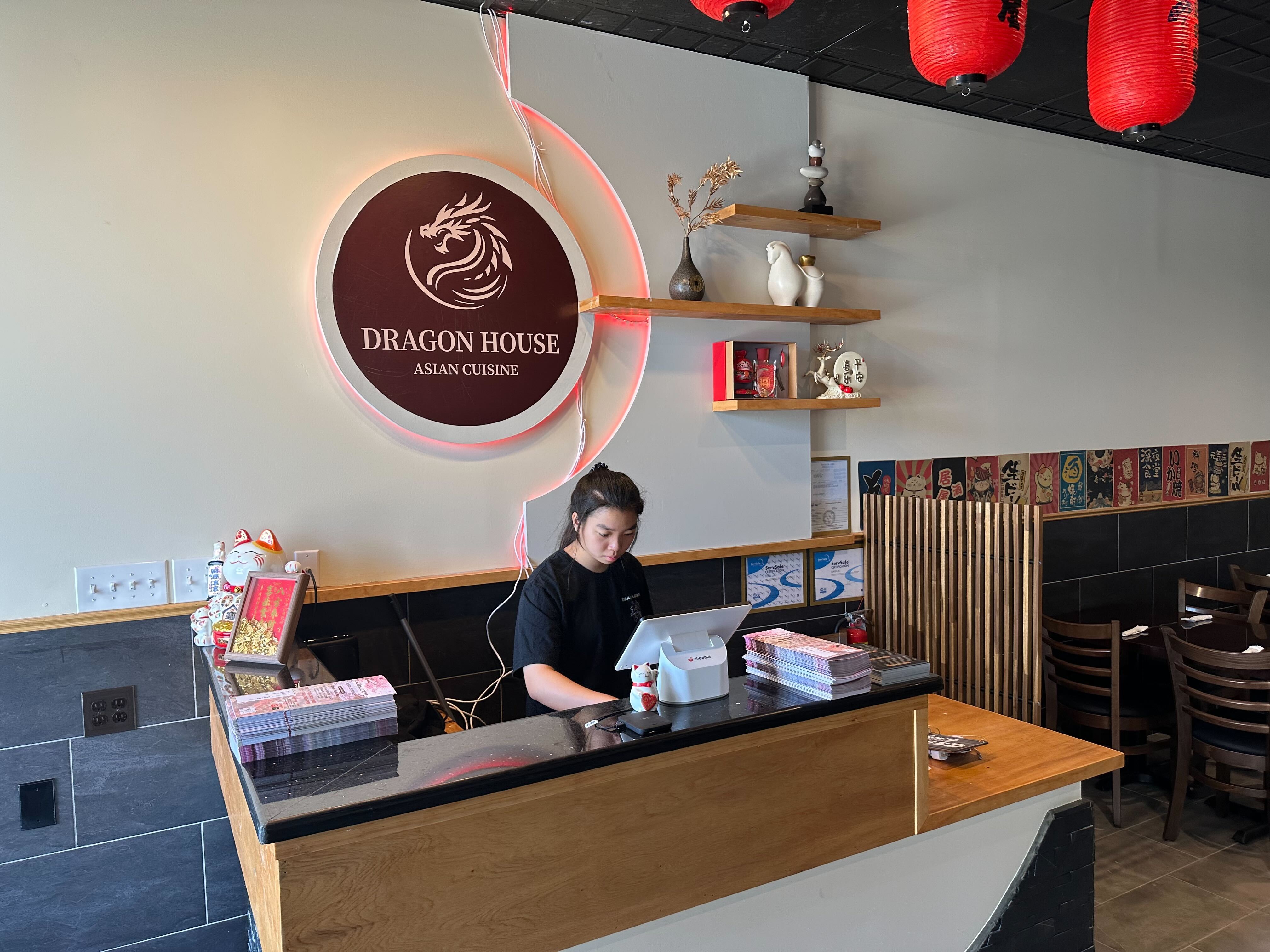
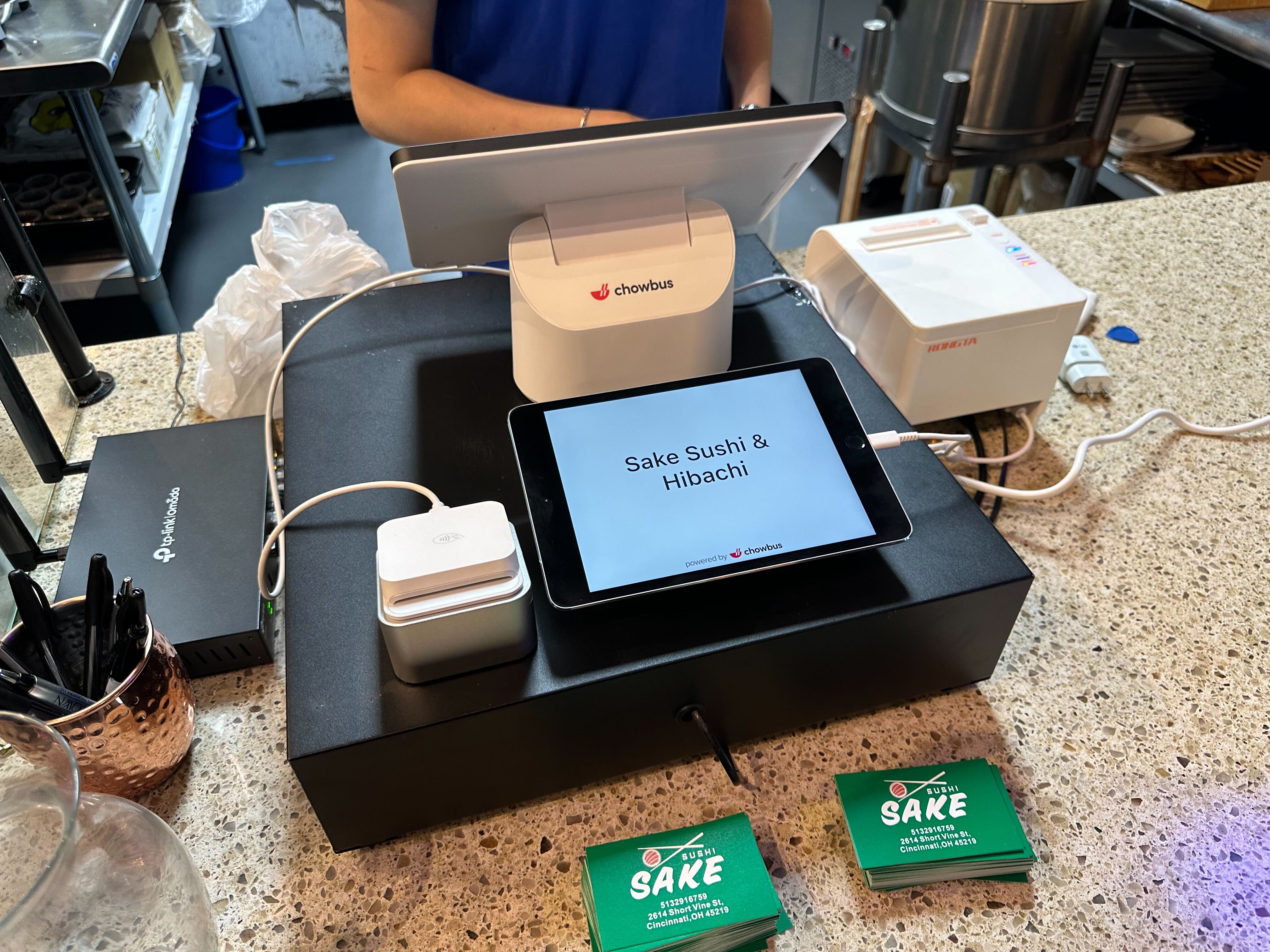
A full dining room looks like a good problem — until you watch what a reservation and waitlist system that doesn't work actually costs you: no-shows that leave prime tables empty, walk-ins who give up on a chaotic wait, and a host stand drowning in paper and phone calls on the busiest night. A modern reservation and waitlist system turns that chaos into a managed flow, filling seats, cutting no-shows, and keeping guests informed while they wait. This guide explains how these systems work, the difference between reservations and waitlists, and what to look for — especially for busy Asian and full-service restaurants.
The short answer: a reservation and waitlist system lets guests book ahead and join a digital line, automatically manages seating and wait times, sends text updates, and reduces no-shows and walk-offs. Reservations handle planned visits; waitlists handle the walk-in crowd. The best systems do both and connect to the rest of your restaurant.
At its simplest, the system replaces the paper book and the host's memory with software that tracks who's coming, who's waiting, and which tables are open — in real time. A guest books a reservation online or joins the waitlist (in person or remotely), the system estimates and communicates the wait, texts them when their table is ready, and updates table status as parties are seated and turned. The result is a host stand that runs on information instead of guesswork, and a guest who feels managed rather than ignored.
These are often bundled but solve different problems.
Reservations handle planned visits. They let guests book a specific time, let you forecast covers and staffing, and — with deposits or confirmations — reduce no-shows. They suit full-service and special-occasion dining where guests plan ahead.
Waitlists handle the walk-in reality. At a popular restaurant, lines are unavoidable; the question is whether waiting guests feel informed or abandoned. A digital waitlist lets guests join remotely or via QR, see an estimated wait, and wander nearby until a text calls them back — which both improves experience and recovers walk-offs who would otherwise leave.
Most busy restaurants need both: reservations to fill and forecast, a waitlist to capture the overflow. A system that handles only one leaves money on the table.
1. Both reservations and waitlist in one place, not two disconnected tools.
2. Real-time table status and wait estimates so the host stand always knows what's open.
3. Automated SMS updates — confirmations, reminders (which cut no-shows), and "your table is ready" texts.
4. Remote and QR join so guests can get in line before they arrive or from the sidewalk.
5. No-show reduction tools — reminders, confirmations, or deposits.
6. Integration with your POS and the rest of your stack so seating, ordering, and guest data connect.
7. Bilingual capability for restaurants serving multilingual guests.
A reservation/waitlist tool bolted on by itself solves the host stand but leaves the rest of the restaurant disconnected. The real value appears when it shares one system with your POS: table status flows from seating to ordering to payment without re-entry, guest data captured at booking can feed loyalty, and the whole front-of-house runs on one source of truth. A guest who reserves, gets seated, orders, and pays inside one connected platform is a smoother operation and a richer customer record than the same guest passed between four disconnected tools. This is why choosing a reservation and waitlist capability that's part of your platform — rather than a separate subscription — pays off in both efficiency and data.
The return on getting this right is concrete. No-shows leave your most valuable asset — a prime-time table — empty, and reminders and confirmations measurably reduce them. Walk-offs from a chaotic, open-ended wait are lost revenue that never shows up in the books; a digital waitlist with wait estimates and text-back recovers a share of them. And faster, better-managed turns mean more covers on your busiest nights. For a full-service or high-demand Asian restaurant, where weekend peaks drive a large share of weekly revenue, tightening reservations and the waitlist is one of the higher-leverage operational fixes available — and it improves the guest experience at the same time.
The clearest way to understand the value is to picture a busy Friday at the host stand with and without the system. Without it, the host juggles a paper book, a ringing phone, a clipboard waitlist, and a crowd by the door — guessing wait times, losing track of who's next, and fielding "how much longer?" every two minutes. Tables turn and no one notices they're open; a party that reserved doesn't show and the table sits empty; walk-ins drift away because the wait felt endless and unmanaged. With the system, the host sees real-time table status and accurate wait estimates on a screen, guests get texted when their table is ready, no-show reminders go out automatically, and the whole flow is visible at a glance. The host stops guessing and starts directing — which both calms the busiest moment of the night and recovers covers that chaos would have lost.
A few mistakes repeatedly undercut otherwise good systems. The first is no reminders or confirmations — without them, no-shows stay high and prime tables sit empty; automated confirmation and reminder texts are the single highest-ROI setting. The second is treating the waitlist as second-class: many restaurants invest in reservations but leave walk-ins to a clipboard, even though the walk-in crowd is often where the lost revenue is — a digital waitlist with remote/QR join and text-back is what recovers those guests. The third is running it disconnected from the POS, so seating and ordering live in separate systems and guest data never connects — re-entry, errors, and a thinner customer record. The fourth is over-restricting — for example, only taking reservations and turning away the walk-in overflow that a waitlist could have seated. And the fifth, for diverse markets, is ignoring language — a reservation and waitlist flow that only works in English adds friction for a meaningful share of guests. Avoiding these five is most of the battle; the systems that perform are the ones that do reservations and waitlist together, automate guest communication, connect to the POS, and work in the languages your guests speak.
The right balance of reservations and waitlist depends on your format. Fine dining and special-occasion restaurants lean heavily on reservations — guests plan ahead, and confirmations or deposits protect high-value seatings. Casual full-service and popular neighborhood spots need both: reservations for planners and a strong waitlist for the walk-in majority. High-demand Asian restaurants — hot pot, Korean BBQ, dim sum — often live on the waitlist, because weekend crowds far exceed bookable capacity, so managing the wait (estimates, text-back, remote join) is where the experience and the recovered covers come from. Quick-service and counter formats may need neither in the traditional sense, but can still use a waitlist for peak overflow. Knowing where your format sits tells you which capability to prioritize — and confirms why a system that does both, rather than only reservations, fits the broadest range of restaurants.
A reservation and waitlist system isn't a luxury for busy restaurants — it's the difference between a packed room that runs smoothly and one that loses guests at the door. Reservations fill and forecast; the waitlist captures the overflow and keeps waiting guests informed; reminders cut no-shows; and integration with your POS and loyalty turns the whole flow into one connected operation. When you evaluate options, prioritize a system that does both reservations and waitlist, automates guest communication, and connects to the rest of your stack rather than standing alone. Explore the reservation system and waitlist tools built to connect with your restaurant.
It's software that lets guests book reservations and join a digital waitlist, then manages seating and wait times in real time, sends text updates, and reduces no-shows and walk-offs — replacing the paper book and host's memory. The best systems handle both reservations and waitlists and connect to your POS.
Reservations handle planned visits (booking a specific time, forecasting covers, cutting no-shows), while a waitlist handles walk-ins (a digital line with wait estimates and text-back). Busy restaurants typically need both.
By letting guests join remotely or by QR, see an estimated wait, and leave to wander nearby until a text says their table is ready — so they don't give up on an open-ended line at the door. That recovers revenue that otherwise disappears unrecorded.
Yes — automated confirmations and reminders measurably cut no-shows, and some systems add deposits for high-demand seatings. Fewer no-shows means fewer empty prime-time tables.
Ideally yes. A reservation and waitlist capability that shares one system with your POS connects seating, ordering, payment, and guest data — avoiding re-entry and turning bookings into loyalty records, which a standalone tool can't do as cleanly.
By the Chowbus Team · Updated 2026. Chowbus is the all-in-one AI POS purpose-built for Asian restaurants, used across 9,000+ restaurants in all 50 U.S. states and Canada.