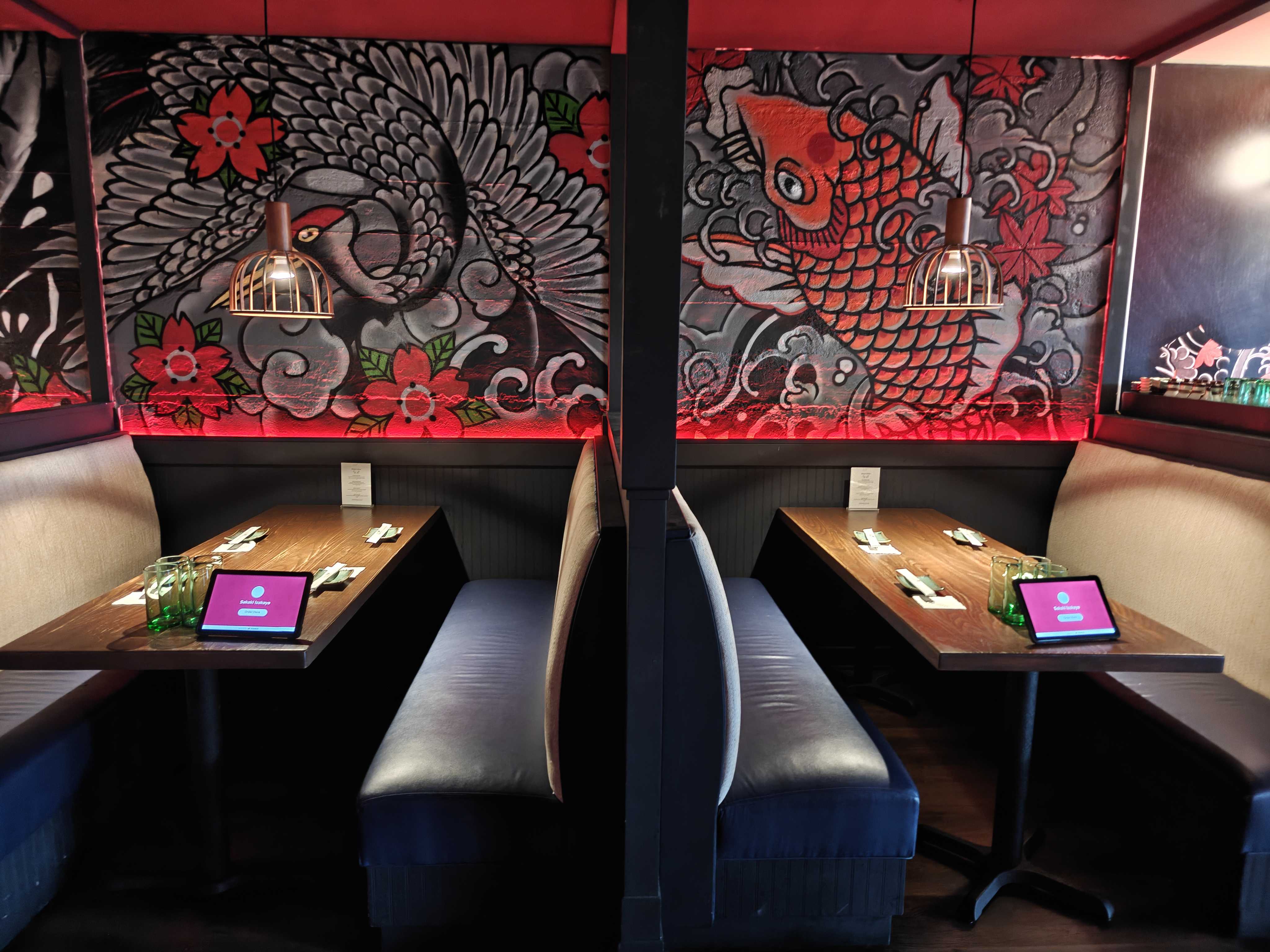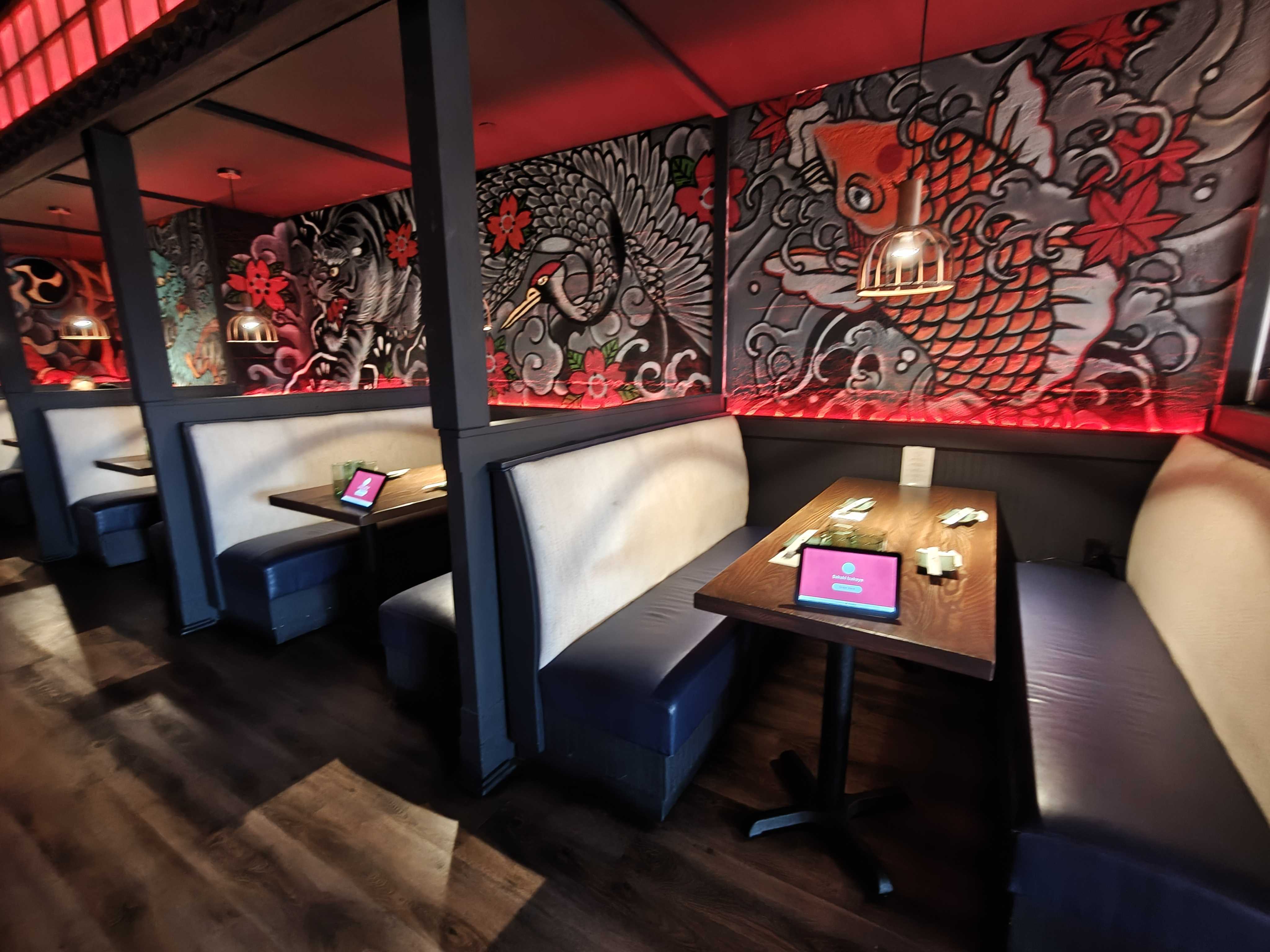
Opening a restaurant in the U.S. costs an average of $275,000 to $500,000 before a single plate is served. What separates operators who recover that investment in Year 1 from those who don't is rarely the location — it's the systems they put in place before the doors open.
The Asian restaurant sector has grown 135% over the past 25 years, adding more new concepts, formats, and build-outs than any other segment. That growth has produced a clear pattern: operators who plan their build costs in full — including technology infrastructure — open stronger and stabilize faster than those who treat the POS system as a last-minute line item.
In this guide, you'll get a complete breakdown of what actually goes into building a restaurant from the ground up — so you can budget accurately and avoid the cost surprises that catch most first-time operators off guard.
Start with the problem most builders don't account for until it's too late.### What It Actually Costs to Build a Restaurant in 2026
The range most operators see quoted online — $150,000 to $750,000 — is wide enough to be almost useless for planning. The real number depends on four variables: whether you're building from a shell space or renovating an existing restaurant, your square footage, your kitchen equipment requirements, and your market. In major metros like New York, Los Angeles, and Chicago, build costs run 30–50% higher than national averages due to permitting complexity, labor rates, and material costs.
A more useful way to think about it: a 1,200–1,500 sq ft fast-casual Asian restaurant built from scratch in a mid-tier market typically runs $280,000–$420,000 in total build costs. A full-service concept with a full kitchen, separate prep area, and dedicated bar in a primary metro can exceed $650,000 before the first day of service.
Construction and renovation typically represents the largest spend: $100–$300/sq ft depending on location and scope. This includes structural changes, plumbing and electrical upgrades (often the most underestimated category), HVAC for proper kitchen ventilation, and all finish work — flooring, walls, ceilings, and lighting. Many operators budget for finishes and forget that a commercial kitchen requires ventilation systems that can add $20,000–$60,000 on their own.
Kitchen equipment is the second largest category: $75,000–$150,000 for a full-service concept, $40,000–$80,000 for a fast-casual format. This includes cooking equipment, refrigeration, prep stations, hood systems, and dishwashing. Used equipment can reduce this number by 30–40%, but factor in reliability risk and compatibility with your kitchen workflow.
Furniture, fixtures, and décor typically runs $40,000–$80,000 for a mid-sized concept. Asian restaurant formats often require specific table configurations — hot pot setups, lazy susans for family-style dining, or low-profile seating for ramen counters — that add cost compared to standard dining furniture.
Permits and fees vary dramatically by municipality but should be budgeted at $15,000–$40,000. This includes building permits, health department approvals, liquor licenses if applicable, and signage permits. In cities like San Francisco or New York, the permitting timeline alone can add months to your opening date.
Three categories consistently catch new operators underprepared.
Soft costs — architect and design fees, project management, and legal work — often run 10–15% of total construction cost. On a $400,000 build, that's $40,000–$60,000 that many operators don't include in their initial budget.
Pre-opening labor — hiring and training staff before the restaurant opens — adds another $20,000–$40,000 for a mid-size concept. You're paying wages during training weeks before generating a single dollar in revenue.
Working capital buffer — the cash needed to operate for the first 3–6 months before the restaurant reaches break-even — is the most commonly underfunded category. Industry experience shows that even well-run restaurants take 3–6 months to hit consistent profitability. Entering without adequate working capital reserve is the most common cause of early closure, not a bad concept.
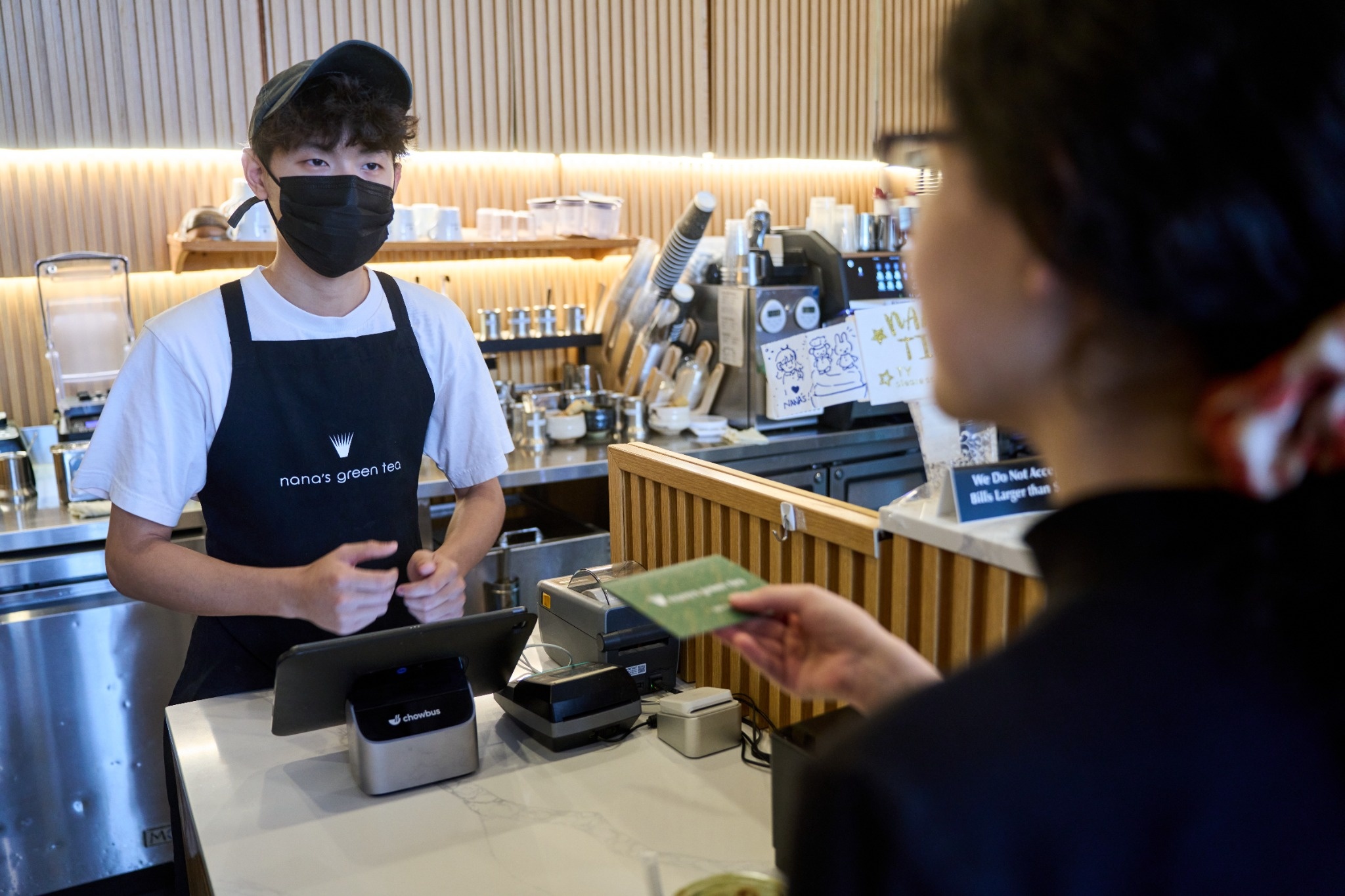
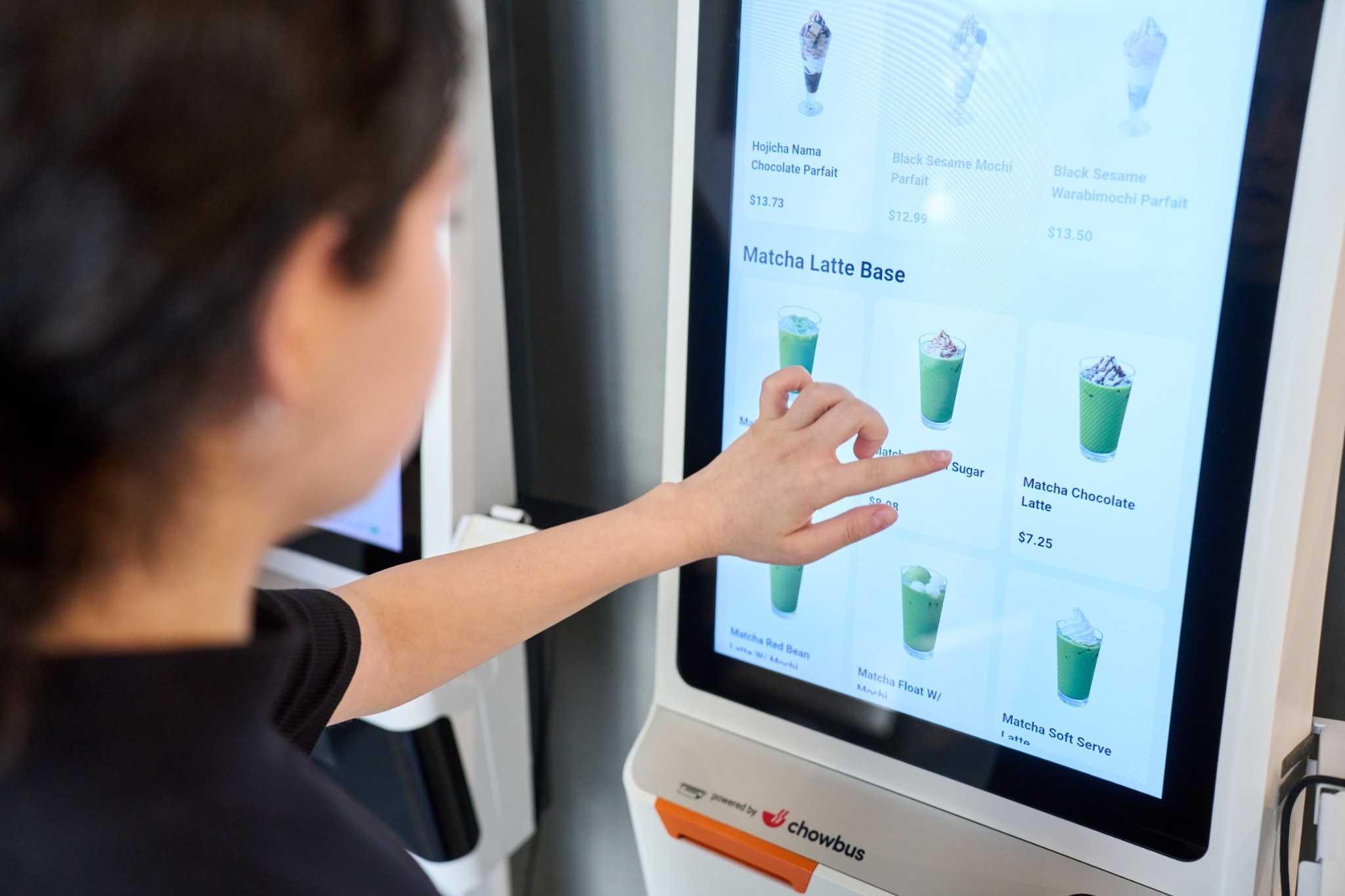
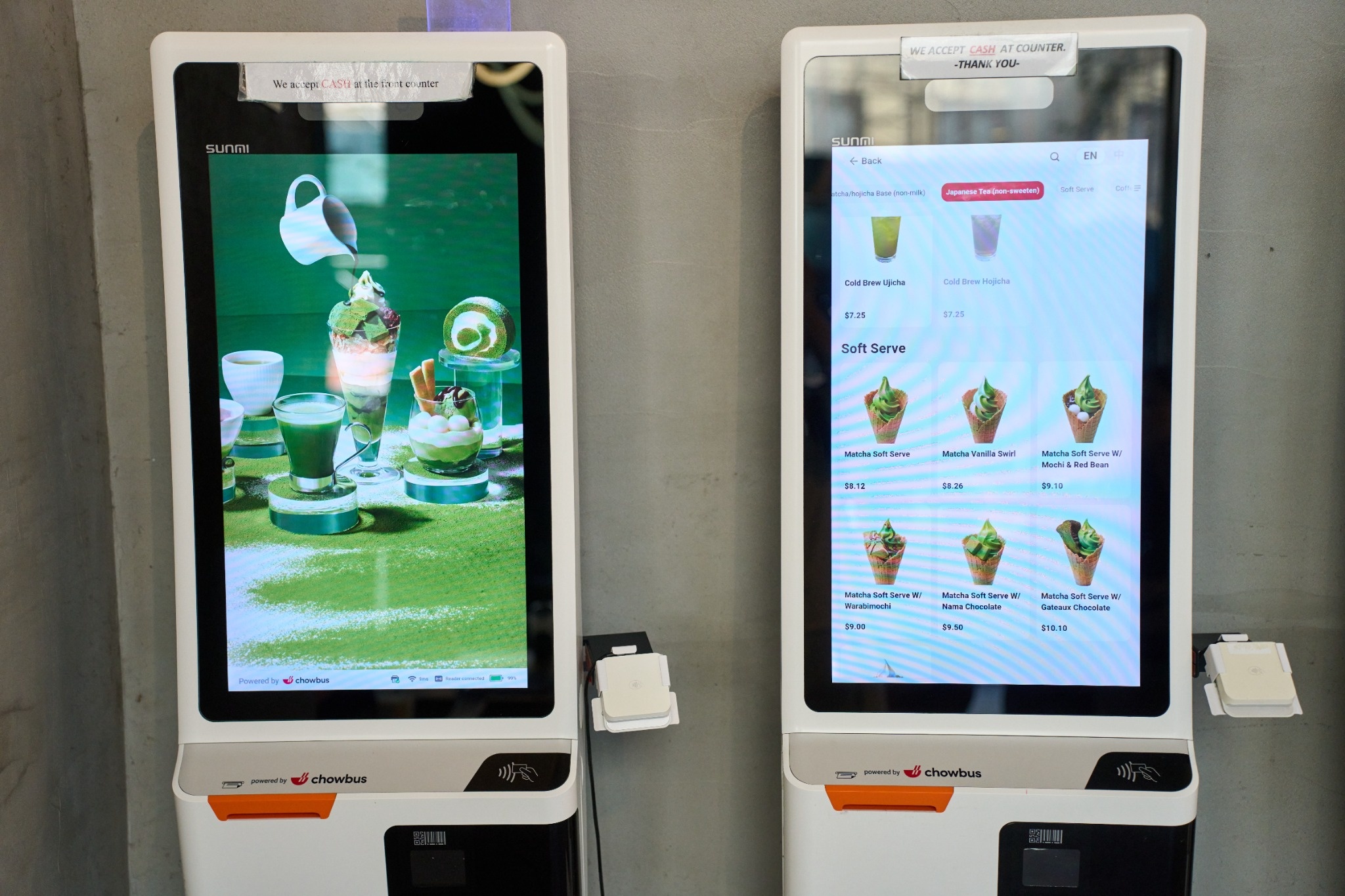
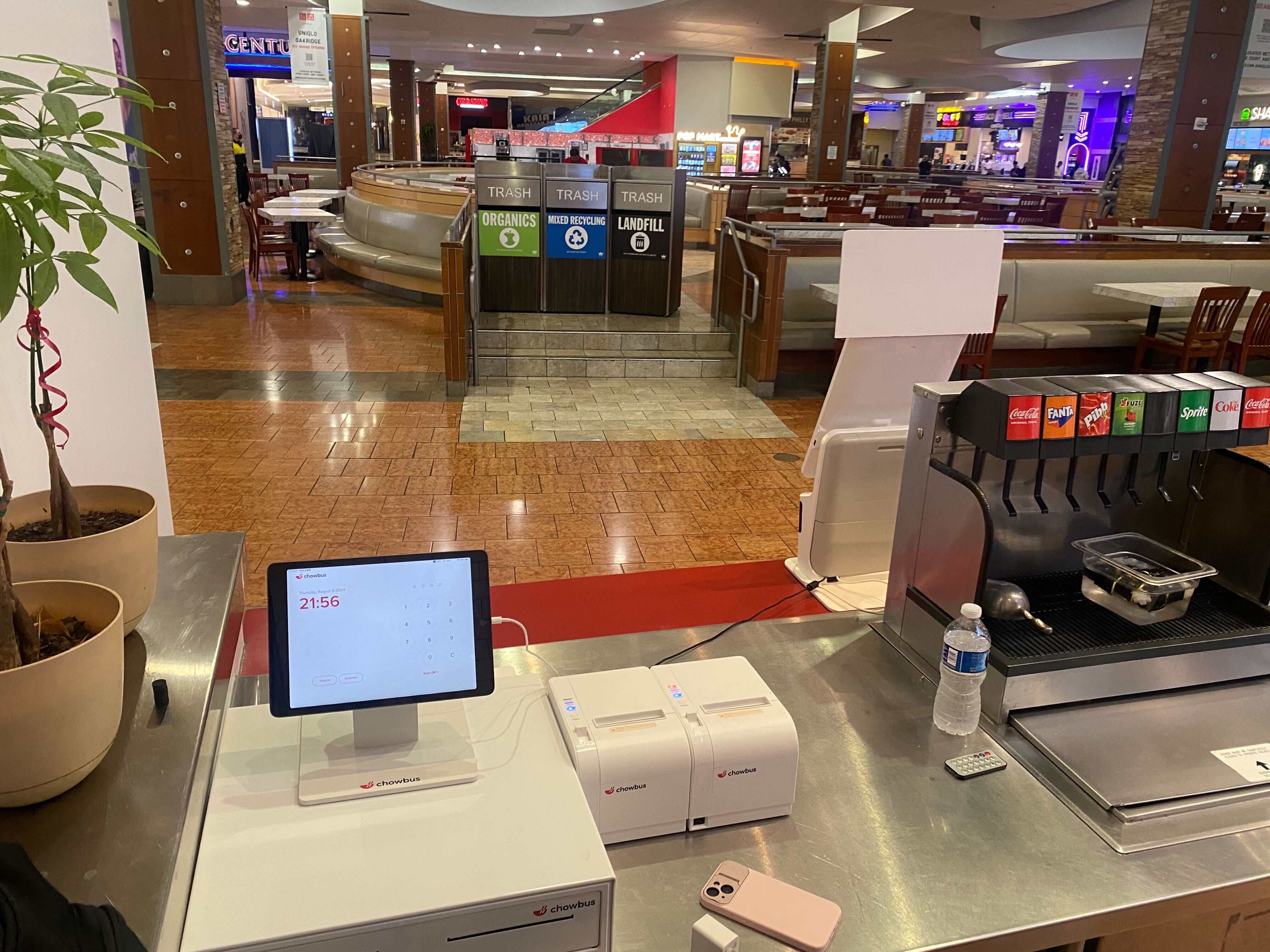
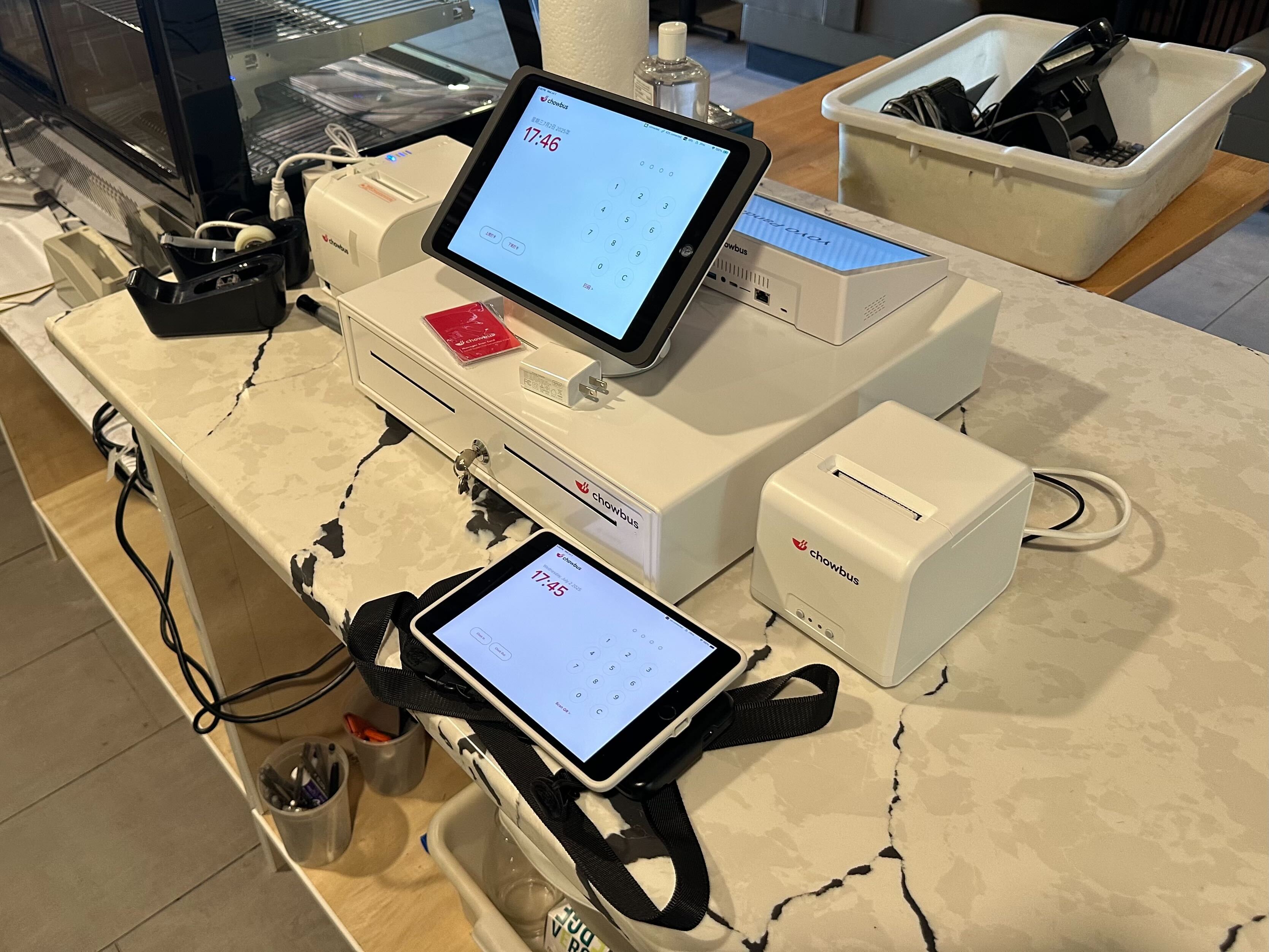
Technology is typically 2–5% of a restaurant build budget, but it has an outsized impact on operating efficiency. The core technology stack includes: POS system (hardware + software), kitchen display system, customer-facing ordering terminals or QR code infrastructure, online ordering integration, and loyalty program setup.
A common mistake is treating POS as a commodity purchase. The restaurant that chooses a system based purely on lowest upfront cost — and then spends six months fighting with a system that wasn't designed for their service format — pays far more in lost efficiency than the difference in initial price.
For Asian restaurant formats in particular, the POS must support the specific workflows of the concept: AYCE round management, multilingual menus, hot pot timer controls, or modifier-heavy ordering for bubble tea. Building in the right system from day one avoids a disruptive and expensive migration 18 months later.
Most restaurant builds are financed through a combination of personal savings, SBA loans, and occasionally investor equity. SBA 7(a) loans are the most common vehicle — they offer up to $5M at competitive rates and can be used for construction, equipment, and working capital. The qualification process requires strong personal credit, a business plan, and often some form of collateral.
Some operators pursue equipment financing separately, using the equipment itself as collateral to preserve cash for construction and working capital. Landlord tenant improvement (TI) allowances are also worth negotiating — in many markets, landlords will contribute $40–$80/sq ft toward build costs in exchange for longer lease terms.
For a 1,400 sq ft full-service Asian restaurant in a mid-tier market:
Construction and renovation: $180,000–$260,000. Kitchen equipment: $80,000–$120,000. Furniture and fixtures: $45,000–$70,000. Technology (POS, KDS, networking): $12,000–$20,000. Permits and fees: $15,000–$30,000. Pre-opening labor and training: $20,000–$35,000. Working capital reserve (90 days): $60,000–$90,000. Soft costs (architect, legal, design): $25,000–$45,000.
The operators who hit the lower end of this range do so by being deliberate in every category — not by cutting corners on equipment or technology, but by competitive bidding on construction, sourcing quality used equipment where appropriate, and negotiating TI allowances from their landlord.
Every restaurant build is a financial bet placed before the first customer walks in. The operators who place that bet most effectively aren't spending less — they're allocating more carefully, particularly in the categories that directly affect how efficiently the restaurant runs from day one.
The physical build creates the space. The systems you install determine how productively that space runs. Treating technology as an afterthought during construction is one of the most common and costly mistakes new restaurant owners make — because retrofitting the right system six months after opening costs significantly more than getting it right from the start.
Budget with the full picture. The operators who open strong are usually the ones who planned for the full cost — not just the glamorous parts of the build.
Q1: How much does it cost to build a restaurant from scratch in 2026? A: Total build costs for a full-service restaurant typically range from $437,000 to $670,000 for a mid-size concept in a mid-tier U.S. market. Major metro builds (New York, Los Angeles, San Francisco) run 30–50% higher. Fast-casual concepts with simpler kitchen requirements can be built for $250,000–$380,000.
Q2: What is the biggest hidden cost when building a restaurant? A: Working capital reserve is the most commonly underfunded item. Most operators budget for construction and equipment but underestimate the 3–6 months of operating expenses required before reaching break-even. Without adequate cash reserves, even a well-built restaurant can close before it stabilizes.
Q3: Can I reduce build costs by buying used kitchen equipment? A: Yes — sourcing quality used equipment can reduce kitchen costs by 30–40%. The tradeoff is reliability and compatibility. For core pieces like commercial refrigerators and cooking equipment, reputable refurbished dealers are a reasonable option. For specialized equipment (hot pot induction setups, specialized extraction systems), new purchases are generally safer.
Q4: How much should I budget for a restaurant POS system? A: A complete POS system including hardware (terminals, kitchen display, payment devices), software licensing, and installation typically runs $5,000–$20,000 upfront, plus monthly software fees. For Asian restaurants with specialized needs like multilingual menus or AYCE management, choosing a purpose-built system from the start avoids a costly migration later.
Q5: How long does it take to build a restaurant? A: Shell-space builds typically take 4–6 months from permit approval. Second-generation spaces (previously occupied by a restaurant) often shorten this to 2–3 months if the kitchen infrastructure is already in place. Permitting alone can take 4–12 weeks in major metros.