Between 2:30 and 5:00 on a weekday afternoon, many restaurant kitchens are almost idle. The lunch rush is over, dinner prep is half done, and the cooks are waiting. Some owners use those hours to run a second, delivery-only brand from the same kitchen, with its own name and menu on DoorDash and other delivery apps.
A delivery-only menu from an existing kitchen can bring in real extra sales, but only when it uses spare capacity, shares ingredients with the main menu, and meets each platform's rules for virtual brands. Many of these brands faded after a few months because they did the opposite: new ingredients, a crowded kitchen at peak, and listings that looked like copies of the main restaurant. This guide walks through the decisions that separate the two outcomes. For background on the concept, see this ghost kitchen guide.
Start with your own sales data. Look at orders by hour for the last two months and mark the hours when the kitchen has room: usually mid-afternoon, late evening, and sometimes weekday lunches for dinner-focused restaurants. A delivery-only brand that only takes orders during those hours adds sales without slowing down dine-in guests.
Be strict about this. A virtual brand that keeps taking orders during Friday dinner competes with your own dining room for the same cooks and the same burners. Most delivery platforms let you set separate hours for each storefront, so the second brand can open at 2:30 and close at 5:30, then reopen after the dinner rush if late-night demand exists.
The cheapest virtual brand is one that adds almost no new ingredients. A Sichuan restaurant might run a spicy noodle brand from the same chili oil, noodles, and proteins. A hot pot restaurant might sell rice bowls built from its sliced meats and vegetables. A dumpling shop might run a late-night snack brand.
Aim for a short menu of dishes that travel well, use ingredients already on the line, and can be made in one or two steps. Every new ingredient adds cost, storage, and waste, and new techniques add training time. A menu built from existing prep can launch in weeks and be shut down without leftover inventory if it doesn't work.
Delivery platforms tightened their rules after virtual brands crowded their apps with near-duplicate listings. As reported by Nation's Restaurant News in 2023, Uber Eats removed thousands of virtual restaurants that duplicated their parent restaurants and required brands to keep up a minimum weekly order count to stay listed. The same report described DoorDash's virtual brand standards at the time: at least eight menu items, at least half the menu different from other menus at the same address, and at least half hot or prepared items. DoorDash also labels virtual brands in its app.
Rules change, so check each platform's current requirements before you build the menu, and design the brand to meet them comfortably. A brand that is clearly different from your main restaurant, with its own identity and dishes, is also more likely to attract new guests instead of splitting orders you would have received anyway.
A virtual brand competes for attention on a crowded app, so the listing does most of the selling. Choose a name that says what the food is, such as a noodle bar or a rice bowl shop, rather than something clever that needs explaining. Shoot real photos of each dish in its delivery container, in good light, since guests compare photos before anything else.
Keep the listing honest. Guests can see the pickup address, and many notice when two brands share one kitchen. That is fine as long as the food and the brand are clearly different and good on their own terms. Write short descriptions that mention spice level, portion size, and anything a first-time guest would ask.
Decide who cooks the delivery brand during its hours. In many kitchens, one cook on the afternoon shift can handle it alone once the menu is short and the prep is done in the morning with the main restaurant's prep. Write a simple station sheet for each dish, with portions and packaging, so any trained cook can step in. If the brand needs someone hired just for it, the numbers change, so recheck the margin before adding staff.
When orders for two brands come out of one kitchen, cooks need to know which is which at a glance. Brand names, packaging, and labels differ, and a mix-up sends a guest a bag with the wrong name on it.
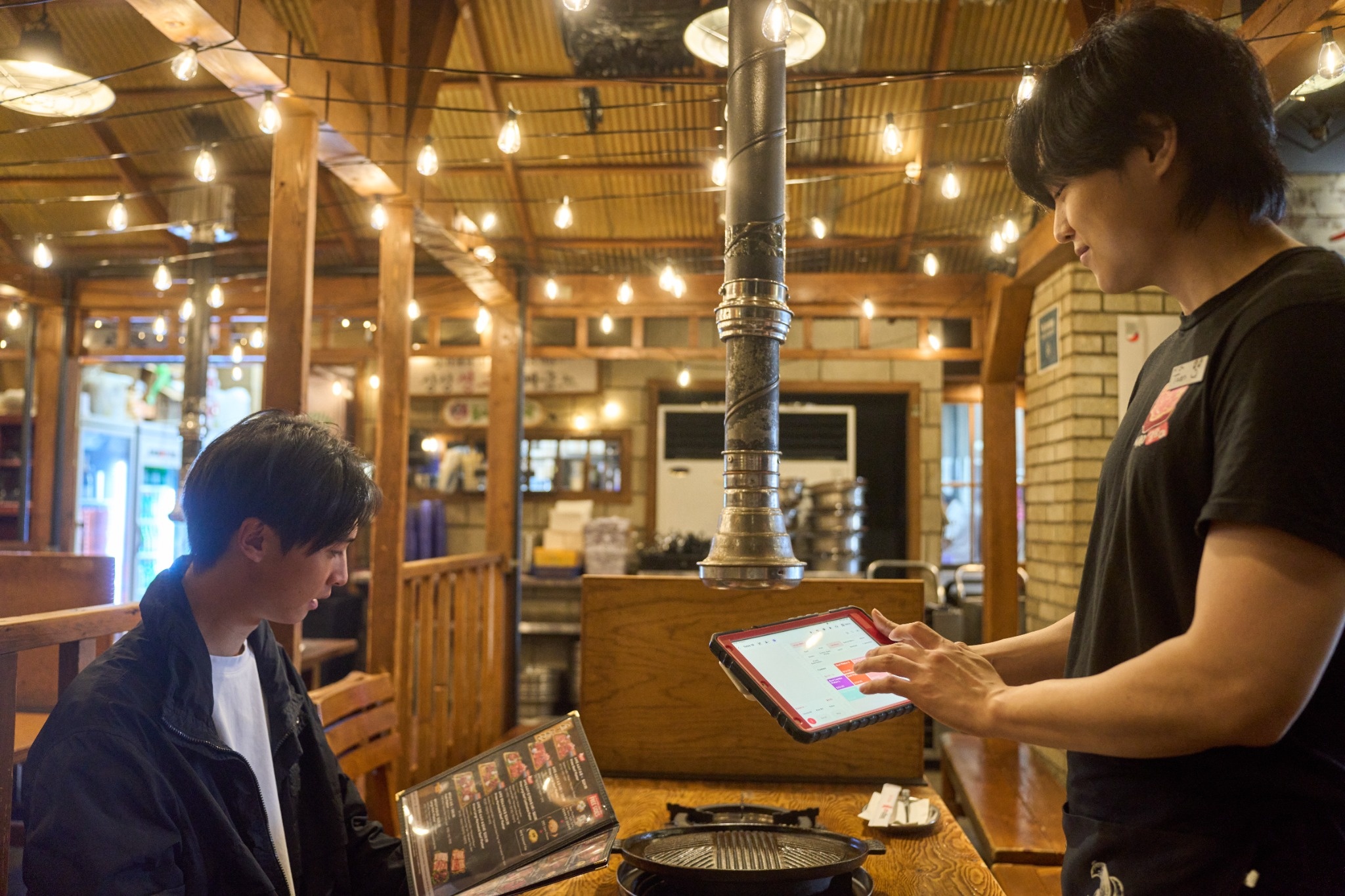
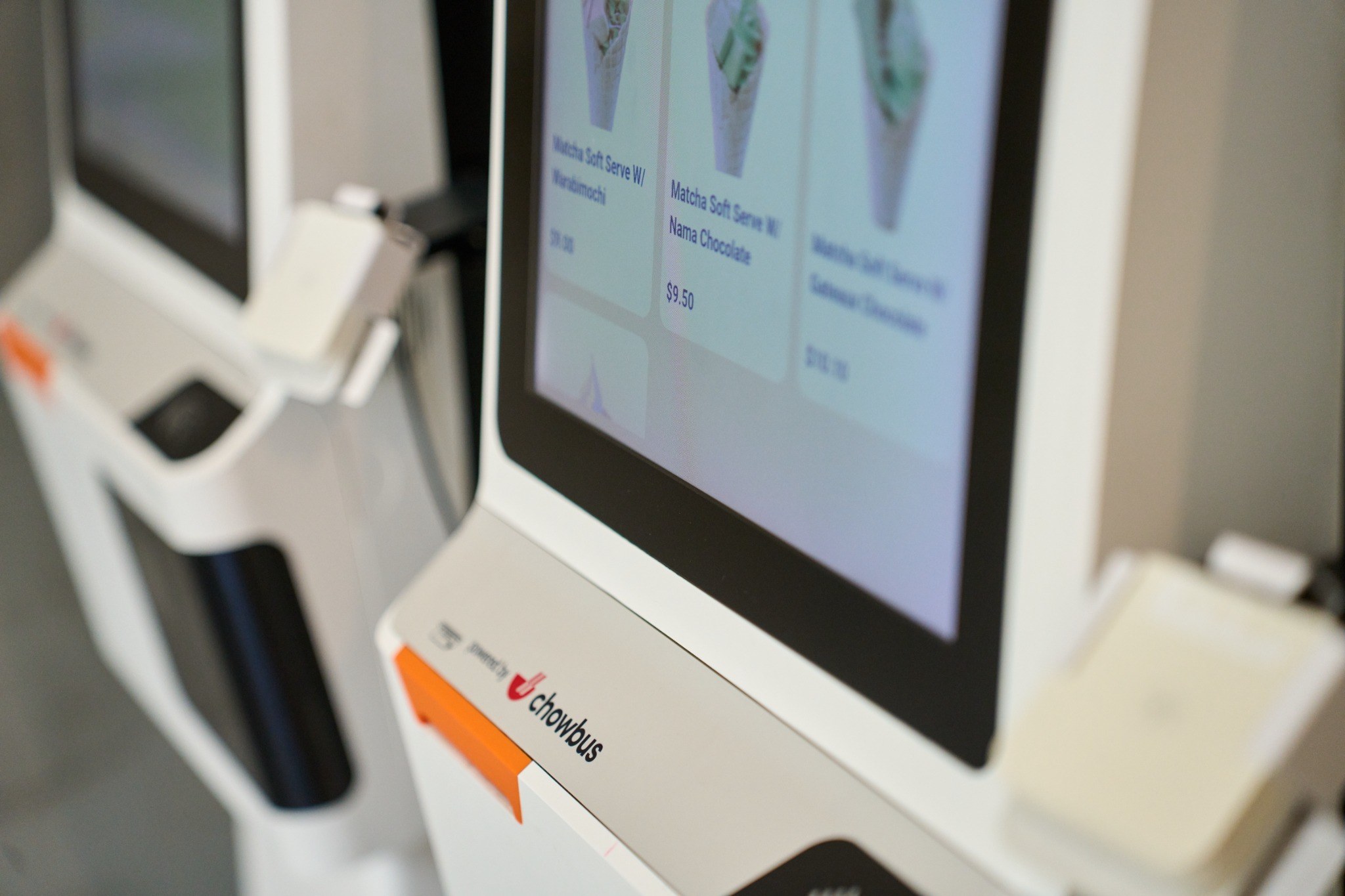
Bring both brands' delivery orders into the POS rather than reading them off separate tablets, and print or display the brand name clearly on each ticket. A separate kitchen screen for delivery orders helps during busy periods. Chowbus's delivery integration, for example, sends orders from DoorDash, Uber Eats, Grubhub, and other platforms straight into the POS, lets restaurants set up a dedicated kitchen display screen for delivery orders, and updates sold-out items across every in-store and delivery channel at once. That last point matters with two brands: when an ingredient runs out, both menus need to reflect it immediately.
Delivery-only food is judged entirely on how it arrives. Test each dish in its container: pack it, wait twenty or thirty minutes, and open it. Noodles may need sauce on the side, fried items need vented containers, and soups need sealed lids. Choose packaging before setting prices, since it is a real cost per order, and buy enough to cover several weeks so you aren't switching containers mid-test.
Give the brand its own simple labels or stickers. Guests who like the food should be able to find the brand again, and staff need to grab the right bag quickly.
A delivery-only brand lives on delivery platforms, so commission is part of every order. Price dishes so that each order covers food cost, packaging, commission, and a fair margin. Take an illustrative example: a $16 noodle bowl with $4.50 in ingredients and $0.80 in packaging. If platform commission is 25%, the platform keeps $4.00, leaving $6.70 before labor and overhead. If that margin looks thin, raise the price, simplify the dish, or reduce the cost of packaging.
Because the brand uses spare kitchen hours, labor cost per order can be low, which is what makes the model work. If the brand starts needing extra staff, recheck the numbers. For ways to keep commission costs down across your delivery business, see this guide on reducing third-party delivery commissions.
Set a clear test period, such as eight weeks, and track a few numbers each week: orders, average check, ratings, refunds or complaints, and whether dine-in ticket times changed during the brand's hours. Check payouts from each platform against the orders recorded in the POS, since commission and promotions vary. Read the reviews as well. Comments about soggy food, small portions, or wrong items tell you exactly which dish or container to fix, and early fixes protect the brand's rating while it is still building.
At the end of the test, decide plainly. If the brand brings steady orders in spare hours without hurting the main restaurant, keep it and refine the menu. If orders are thin, ratings are weak, or the kitchen struggles, close it. Because the menu was built from existing ingredients, shutting it down costs little.

Q1: What is a DoorDash ghost kitchen or virtual brand?
It is a delivery-only restaurant brand that exists only on delivery apps, often run from an existing restaurant's kitchen under a different name and menu. DoorDash labels these listings as virtual brands.
Q2: How do I start a delivery-only menu from my existing kitchen?
Find the hours when your kitchen has spare capacity, build a short menu from ingredients you already stock, check each platform's virtual brand rules, and set up ticket routing and packaging before launch.
Q3: What are DoorDash's rules for virtual brands?
As reported in 2023, DoorDash required at least eight menu items, at least half the menu different from other menus at the same address, and at least half hot or prepared items. Check DoorDash's current requirements before launching.
Q4: Is a delivery-only brand profitable after commission?
It can be, mainly because it uses spare kitchen hours and existing ingredients. Price each dish to cover food cost, packaging, and commission, and track results for at least eight weeks.
Q5: How do I keep two brands' orders straight in one kitchen?
Bring all delivery orders into the POS, show the brand name clearly on every ticket, and consider a separate kitchen screen for delivery. Use separate labels or packaging for each brand.
Q6: When should I shut down a virtual brand?
If orders stay thin, ratings are weak, or the brand slows down your main restaurant after a fair test period, close it and use the kitchen time elsewhere.
A delivery-only menu works best as a way to fill quiet kitchen hours with food your team already knows how to make. Spare capacity, shared ingredients, clear platform compliance, and clean ticket routing are what keep it from becoming a second restaurant competing with the first.
Pull your hourly sales, sketch a short menu from your current prep, and check the platform rules before you design a logo. With an eight-week test and a few numbers to watch, you'll know quickly whether the second brand earns its place in your kitchen.