Third-party delivery apps did something genuinely useful: they put your restaurant in front of millions of hungry people and handled the logistics. But that reach came with a price most owners only feel once the volume is real — commissions of 15–30% per order that quietly skim the top off your most-promoted sales. Many restaurants discover, after a year or two, that delivery looks busy but barely profits. The good news is that commissions are far more reducible than they seem, once you separate what these platforms are actually good at from what you're overpaying for. Here's how.
The short version: you reduce third-party delivery commissions by shifting your repeat and direct-intent customers to your own commission-free ordering channel, using QR and loyalty to make direct ordering the default, and keeping the marketplaces only for the new-customer discovery they genuinely provide. Don't fight the apps — out-compete them on your own turf.
The reason commissions hurt is that they scale with success. A 25–30% commission on a $30 order takes $7.50–$9 before food, labor, and rent — and unlike a fixed cost, it grows every time you sell more. Worse, the customer the platform "delivered" often becomes a repeat customer who keeps ordering through the app, paying that commission again and again on someone you'd now reach for free. So the first step isn't tactical, it's clarity: figure out how much of your delivery volume is genuinely new customers (worth a discovery fee) versus repeat customers (a commission you're paying needlessly). The repeat portion is where the savings are.
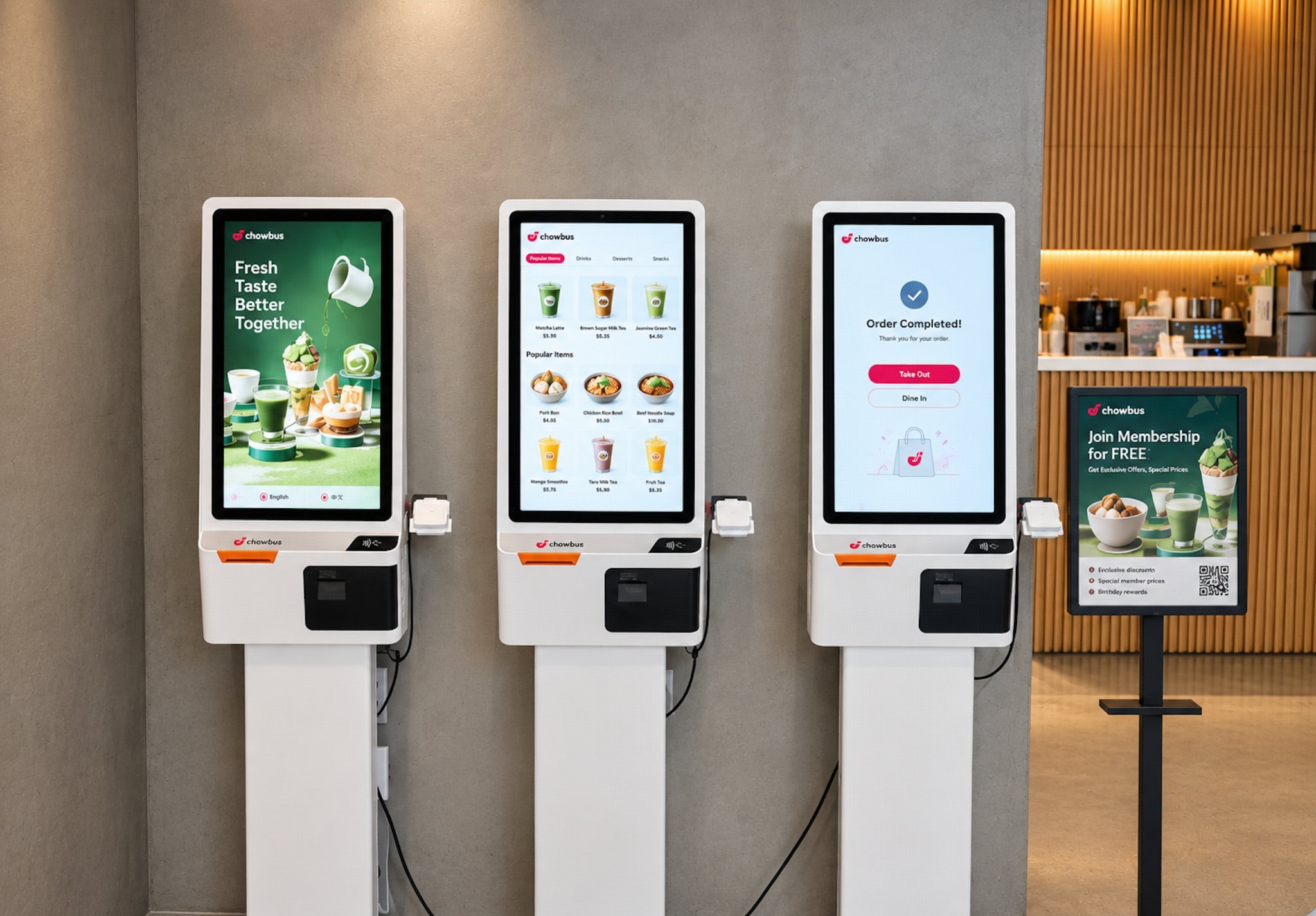
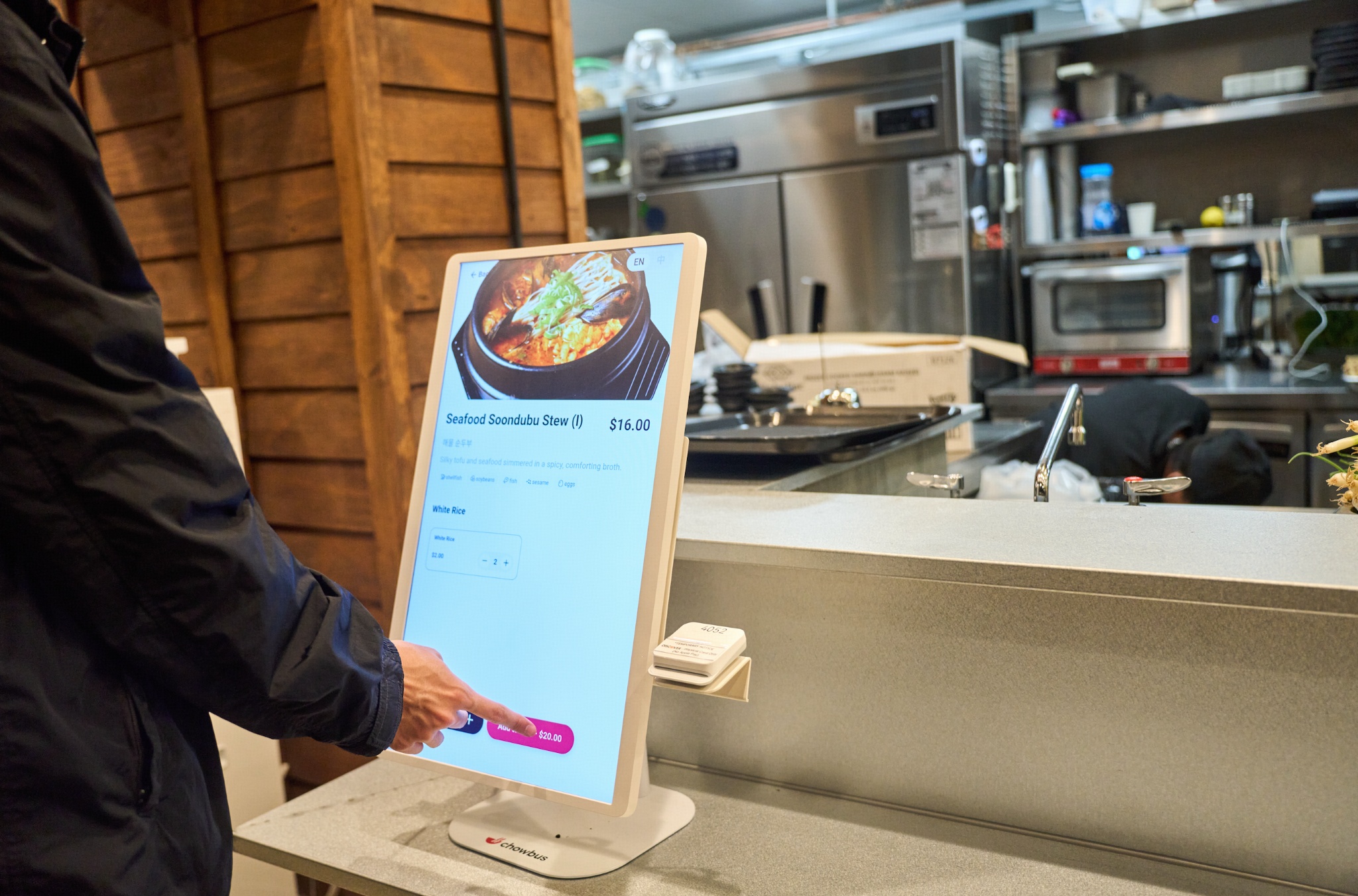
The core move is giving customers a way to order directly that's as easy as the app. A commission-free online ordering channel — your own ordering page or branded app tied to your menu and POS — lets customers order pickup or delivery without a marketplace taking a cut. You pay a flat software fee and standard processing instead of a percentage, so the savings grow with volume. The key is making it frictionless: a clear link on your site and social profiles, QR codes in-store and on packaging, and an experience that's genuinely easy — because customers will only switch from the app if your channel is just as convenient.
A direct channel only helps if customers use it, and two tools drive adoption. QR codes placed on tables, receipts, takeout bags, and packaging give every existing customer a one-scan path to order directly next time — turning a delivery-app customer into a direct one at no acquisition cost. Loyalty seals it: a phone-number loyalty program that rewards direct orders gives customers a concrete reason to order from you instead of the app, and captures their data so you can bring them back yourself. Together, QR plus loyalty quietly migrate your repeat business off the commission and onto a channel you own — without a confrontational "order direct!" campaign that rarely works on its own.
Reducing commissions doesn't mean deleting the apps. Marketplaces are genuinely good at one thing: discovery — putting you in front of new customers who'd never have found you. The smart strategy treats that as a paid acquisition channel: accept the commission as the cost of meeting a new customer, then do everything you can to convert that customer to your direct channel for their next order — via the QR on the bag, the loyalty offer, the insert card. You keep the discovery upside while steadily shrinking the commission you pay on repeat business. Some operators also integrate third-party orders into one system so the operational chaos of juggling tablets disappears, which is a separate but related efficiency win.
Before migrating customers, it's worth knowing the commission itself isn't always as fixed as it looks. Marketplaces often offer multiple tiers — a lower commission for less marketing exposure, a higher one for more promotion within the app — so review which tier you're on and whether a lower one fits your strategy, especially if you don't rely on the app for discovery. High-volume restaurants sometimes have room to negotiate rates directly. It's also worth auditing the extras: marketing fees, promoted-listing spend, and add-on services can quietly inflate your effective commission well above the headline rate, and trimming the ones that aren't earning their keep is a quick win. That said, negotiation has a ceiling — the structural answer is still to reduce your dependence on commissioned orders, not just to shave a few points off them. Treat any rate reduction as buying time while you build the direct channel that actually changes the math. The platforms will always price to their advantage; your leverage comes from having somewhere else for your repeat customers to go. In practice, the operators who win this negotiation are the ones who've already built a direct channel — because the credible ability to move volume off the platform is what gives any rate conversation real weight. Build the alternative first, and the negotiation gets easier on its own.
Reducing commissions works best as a deliberate sequence rather than a one-time switch. Start by measuring: pull your delivery-app reports and estimate how much of your volume is repeat customers versus genuinely new ones — the repeat share is your target. Next, stand up the direct channel: a commission-free online ordering page tied to your POS, plus QR codes for in-store and packaging. Then add a reason to switch with a loyalty program that rewards direct orders. Then convert at the right moments: an insert card in every takeout and delivery bag with a QR code and a first-direct-order incentive catches customers right after a good experience. Finally, measure the shift monthly — watch the share of orders coming direct versus through marketplaces, and keep nudging. Done over a few months, this sequence quietly moves your repeat business onto a channel you own, shrinking the commission line without a disruptive overhaul.
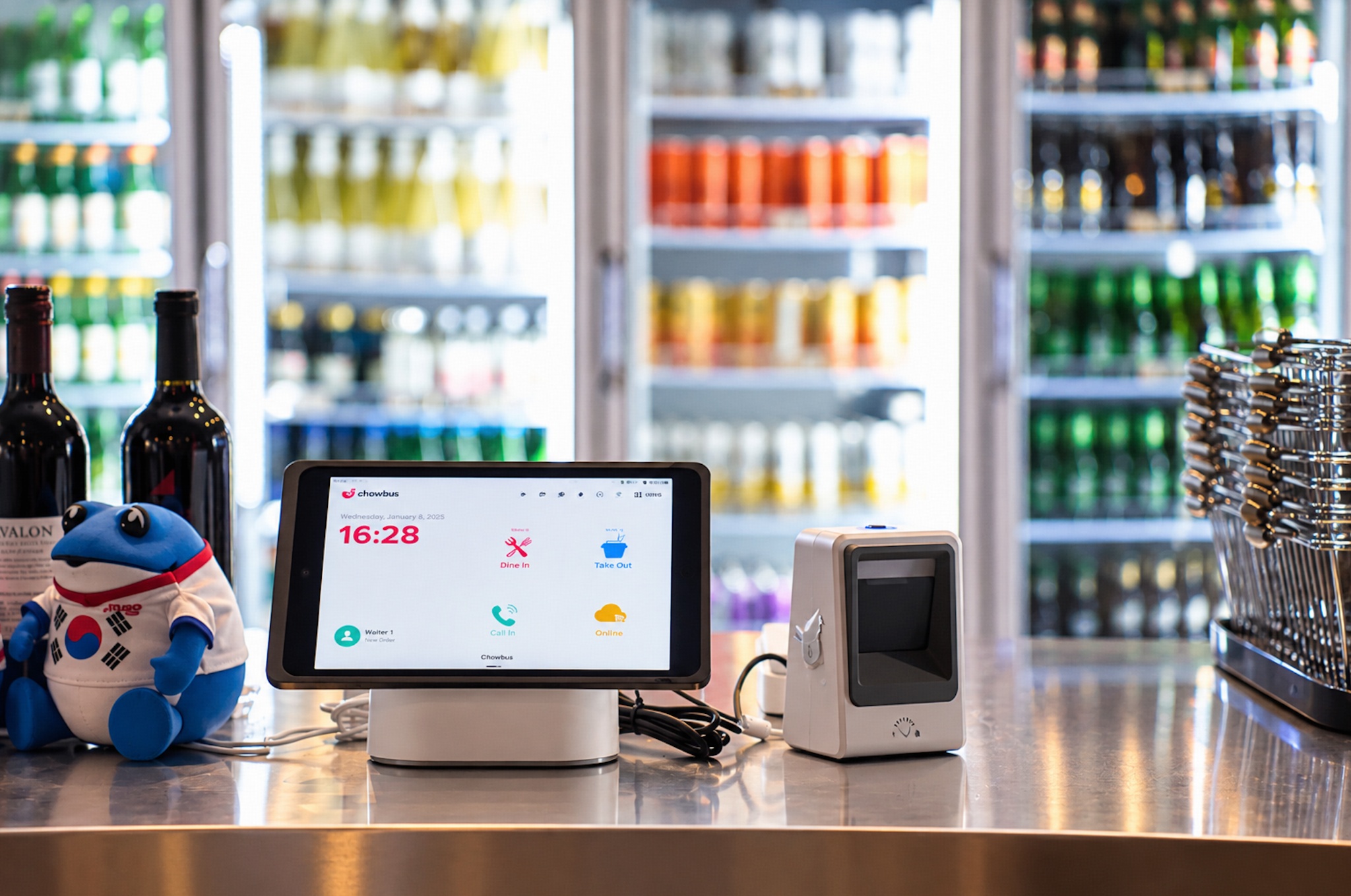
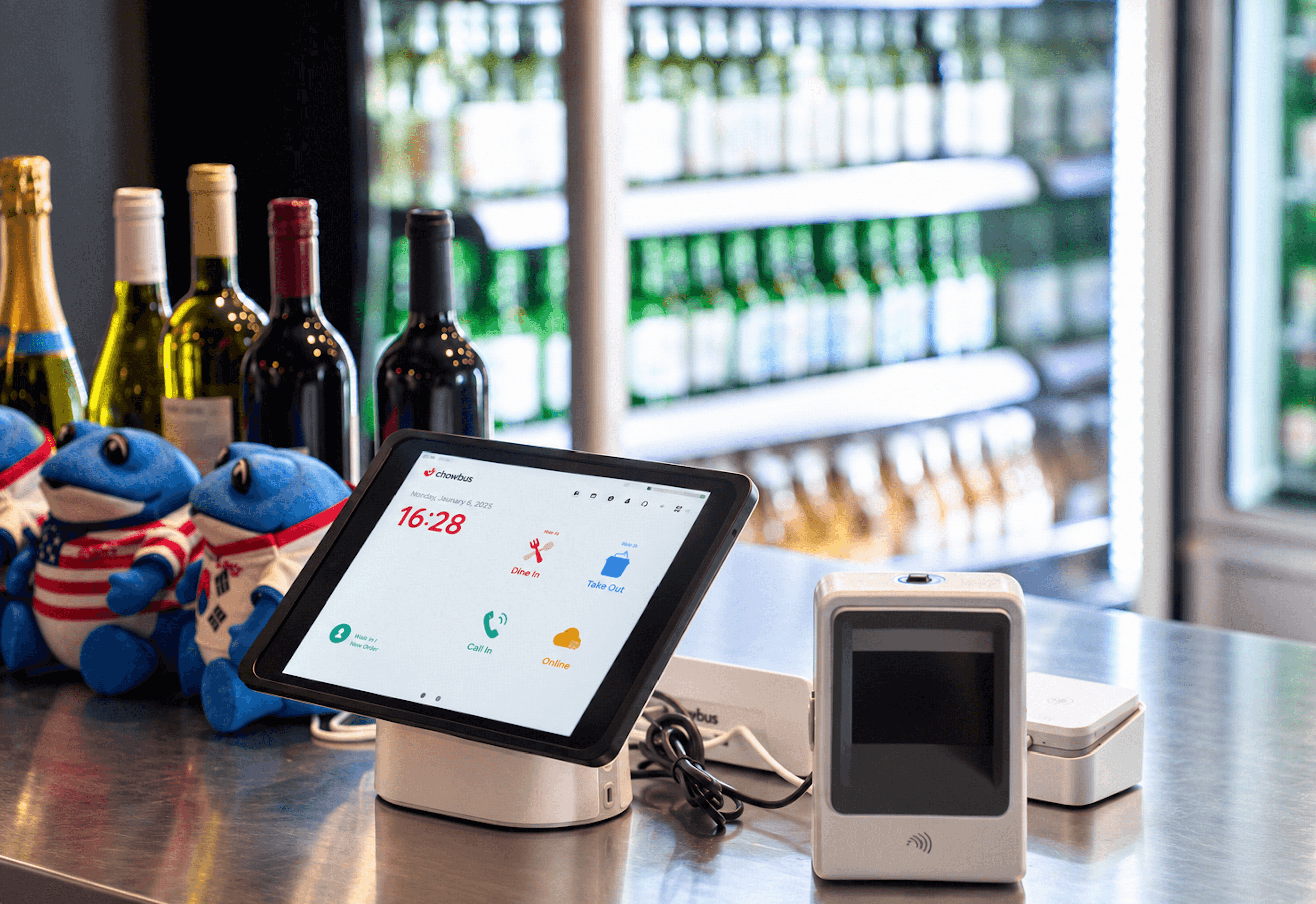
Even while you migrate customers to direct ordering, you'll keep some marketplace volume for discovery — and that creates its own hidden cost: the operational chaos of a separate tablet for each delivery app, staff re-keying orders into the POS, and mistakes when a tablet is missed at peak. Integrating third-party orders so they flow into your POS and kitchen display alongside your direct orders removes that chaos: one screen, one workflow, no re-keying, and accurate menus and 86s across every channel. This is a separate win from the commission itself — it cuts labor and errors on the marketplace volume you do keep. The cleanest setup handles direct ordering, QR, loyalty, and third-party integration in one platform. Chowbus is the all-in-one AI POS purpose-built for Asian restaurants, with these in one system across 9,000+ restaurants in all 50 states and Canada — so reducing commissions and taming delivery operations happen together.
Third-party delivery commissions feel like a fixed cost of doing business, but a large share of them is optional — the portion you pay on repeat customers you could now reach for free. The play isn't to fight the apps; it's to build a direct, commission-free channel that's just as easy, use QR and loyalty to make it the default for your regulars, and keep the marketplaces for the new-customer discovery they actually provide. Do that and delivery stops being busy-but-barely-profitable and starts contributing real margin. The enabler is one platform where online ordering, QR, and loyalty connect to your POS — so migrating customers to direct is seamless. Chowbus is the all-in-one AI POS purpose-built for Asian restaurants, with commission-free online ordering, QR, and loyalty in one platform across 9,000+ restaurants in all 50 states and Canada.
Commonly 15–30% per order. On a $30 order, a 25–30% commission takes $7.50–$9 before food, labor, and rent — and it scales with every sale, which is why reducing it matters once delivery volume is real.
Shift repeat and direct-intent customers to your own commission-free ordering channel, use QR codes and loyalty to make direct ordering the default, and keep marketplaces only for new-customer discovery.
Usually not — they're genuinely good at discovery (new customers). Treat the commission as a paid acquisition cost for new customers, then convert those customers to your direct channel for future orders so you stop paying commission on repeat business.
QR codes on tables, receipts, and takeout packaging give existing customers a one-scan path to order directly next time, migrating delivery-app customers to your commission-free channel at no acquisition cost.
With an all-in-one platform, online ordering, QR, and loyalty connect to your POS so orders flow to the kitchen automatically and customer data is captured — making the shift from third-party to direct seamless rather than a second system to manage.
By the Chowbus Team · Updated 2026. Commission percentages are general industry figures; verify current rates with each provider. Chowbus is the all-in-one AI POS purpose-built for Asian restaurants, used across 9,000+ restaurants in all 50 U.S. states and Canada.