Every November, a few regulars ask the same question at the register: "Do you do Thanksgiving trays?" For a restaurant that has never done catering, that question is tempting and a little scary. The kitchen already knows how to cook the food. What it does not know is how to price it by the tray, pack it so it survives a car ride, and fit sixty orders into the busiest week of the year without wrecking dine-in service.
Most guides on how to start a catering business assume you are opening a new company with its own kitchen, vans, and event staff. This article is about something smaller and more common: an existing restaurant adding a limited holiday catering menu for pickup, using the kitchen and team it already has. Here is how to decide whether to do it this year, and how to set it up so the first attempt is a test you learn from instead of a week you would rather forget.
Begin with the food. Holiday catering works best for restaurants whose food already travels. If your takeout business is healthy and your top takeout dishes come back with few complaints, you have most of what you need. If your menu depends on dishes that must be eaten within minutes of leaving the wok or fryer, catering will be harder, and you may need to build a separate holiday menu around dishes that hold.
Space matters just as much. Trays take up room: on prep tables, in the walk-in, on pickup shelves. Walk through the kitchen and picture fifty labeled bags waiting for pickup on Wednesday afternoon. If there is no place to put them that does not block the line or the dining room, solve that first, even if the answer is a folding table in a corner of the dining room that closes early that day.
Then there is the question of who will own the catering program from start to finish? It does not need a full-time person, but it needs one name: the person who builds the menu, sets the order cap, answers guest questions, and runs pickup day. Without that owner, catering becomes everyone's side task and nobody's responsibility.
Catering pricing trips up first-timers because dine-in prices assume plates, garnish, and a server. A tray is different. Start from the cost of one tray: ingredients at tray quantity, plus the container, lid, bag, label, and utensils if you include them. Packaging is easy to forget and can add a meaningful amount per order, especially with sturdy containers that hold heat.
Then add labor. A tray of fried rice is fast; a whole roast duck or a tray of hand-folded dumplings is not. Price the slow items with that in mind instead of applying one markup to everything. As a simple example, if one tray costs you $22 in ingredients and $4 in packaging, and you aim for food and packaging to be about a third of the price, the tray lands around $78. Your own target percentage may be different, but working it out per tray keeps you from discovering after the holiday that the most popular item lost money.
Finally, check the price against what a guest would pay for the same food from your regular menu. Catering trays are often priced slightly below the equivalent number of individual orders, since the guest is buying in bulk and you skip plating and table service. If your tray price is far above that, guests will notice.
Two small policies help the numbers hold up. A minimum order, such as two trays or one bundle, keeps the program from filling up with single-dish orders that take as much packing time as a full meal. Optional add-ons, like an extra sauce, steamed buns, or a dessert tray, raise the average order without adding much prep, because they come from items you already make in volume. Decide both before the menu goes public, since changing them after guests have started ordering causes confusion.
A week or two before you open orders, cook one tray of every item exactly as you plan to sell it. Pack it, put it in a car for the length of a typical drive home, then reheat it the way a guest would, following your own label. Taste it with your chef and one or two front-of-house staff.
This test catches more problems than any amount of planning. Sauces separate, fried items lose their crunch, containers leak, and a tray labeled "serves 8" may comfortably feed only five. Fix those issues now, and rewrite the reheating instructions based on what actually worked in your test.
If your existing licensed kitchen prepares the food and guests pick it up, holiday catering often fits within what you already do for takeout. Requirements change when you deliver, serve food at a customer's location, or hold food hot for long periods. Rules differ by city and county, so call your local health department if you are unsure, and check with your insurance agent whether your current policy covers off-site delivery or catering if you plan to offer it. Doing this in October takes one phone call. Finding out after a problem is far more expensive.
Your first catering customers are already in your dining room and in your order history. Put a small card on every table and in every takeout bag starting in late October, post the menu on your website and social accounts, and send a message to guests who have ordered from you before. People who already trust your food are the ones most likely to trust you with their holiday meal.
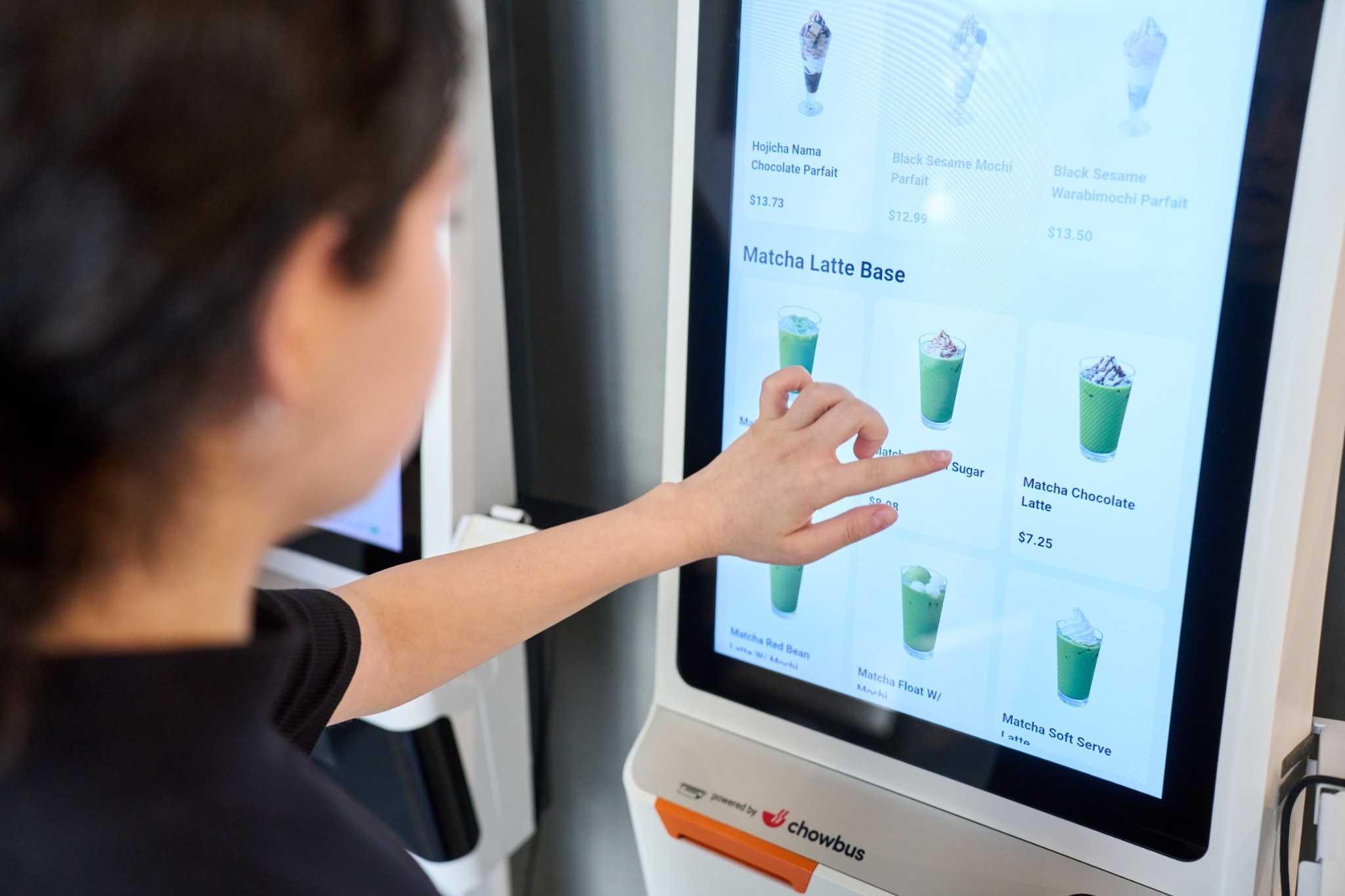
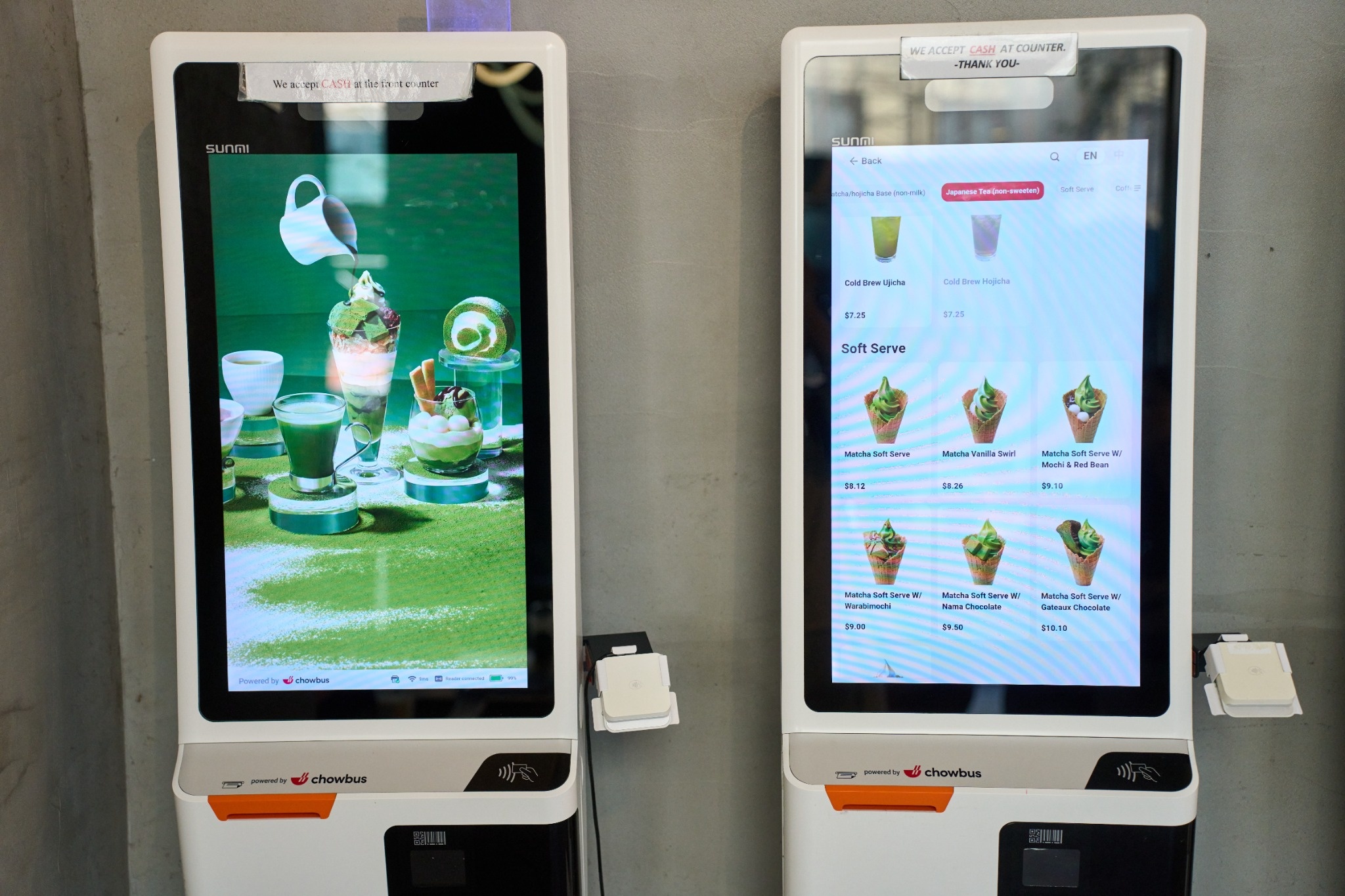
Make ordering simple. A phone line plus a handwritten list is how many restaurants start, but it does not scale and it invites mistakes. Taking catering orders through your existing online ordering, with clear tray sizes and pickup times, keeps orders, payments, and totals in one place. For a broader look at the tools, see this overview of catering software.
The biggest risk of a first holiday catering program is that it quietly hurts regular service. Decide in advance which hours belong to catering prep and pickup, and which belong to dine-in, and schedule extra hands for the overlap. Some restaurants close the dining room early on the Wednesday before Thanksgiving to focus on pickup. Others keep dine-in open and limit catering to a small number of trays. Either choice works, as long as it is made on purpose and the order cap matches it.
After the holiday, compare catering revenue with the true cost of the trays, including packaging and extra labor, and check what happened to dine-in and takeout sales on the same days. Then ask the team what was hardest. If catering added profit without hurting the regular business, you have a program to grow next year and to repeat for Christmas, New Year's, and Lunar New Year. If it did not, you will know exactly which part to change. Write the answers down in the same place as your tray costs and order counts, so the person planning next year does not have to rebuild the program from memory.

Q1: How do I start a catering business from an existing restaurant?
Start small with a limited pickup-only menu for one holiday, built from dishes that already travel well in your takeout business. Assign one person to own it, price by the tray, test every item in its packaging, and cap orders at what your kitchen can produce without hurting dine-in.
Q2: Do I need a separate license to offer holiday catering?
If food is prepared in your licensed kitchen and picked up by guests, it often falls under your existing permits, but requirements change for delivery, on-site serving, or hot holding. Rules vary by location, so confirm with your local health department and your insurance provider.
Q3: How should a restaurant price catering trays?
Calculate the cost of one tray, including ingredients at tray quantity and all packaging, then add for labor on slow items. Apply your target food-cost percentage per tray, and compare the result with what the same amount of food costs on your regular menu.
Q4: Is holiday catering better than staying focused on dine-in?
It depends on your kitchen space, your team, and how well your food travels. Catering can add prepaid, predictable revenue, but only if dine-in is protected with a clear schedule and an order cap that matches your capacity.
Q5: What if my menu does not travel well?
Build a short holiday-only menu around items that hold and reheat well, such as braised dishes, roast meats, fried rice, and dumplings guests cook at home. Test each one in its container before selling it.
Q6: What should I do after my first holiday catering season?
Compare catering revenue against its full cost, check how dine-in and takeout performed on the same days, and collect feedback from staff. Keep the guest list and order history so you can invite the same customers back for the next holiday.
Adding holiday catering builds on the kitchen, team, and guests you already have. Choose food that travels, price it by the tray, test it before you sell it, and protect the dining room while you learn. Done carefully, a small first year can turn into a steady holiday program that guests start asking about in October.