Thanksgiving week brings people through your door who have never eaten with you before: out-of-town relatives, coworkers at a holiday lunch, families who picked you because their usual place was full. Many of them enjoy the meal, mean to come back, and then forget your name by the second week of January, which is also when most restaurants hit their slowest stretch of the year.
A loyalty app is one of the simplest ways for a small restaurant to close that gap. It turns a one-time holiday guest into a phone number, a points balance, and a reason to return. The restaurants that actually see January visits from holiday guests tend to set the program up in October and early November, before the rush begins. This article walks through how to set up a loyalty app for a small business so it captures holiday first-timers and brings them back when you need them most.
Start with the end goal. For most restaurants, the January goal is specific: get guests who first visited during the holidays to come back within a set window, for example the first six weeks of the new year. That goal shapes everything else, from the sign-up offer to the timing of the messages.
Keep the program simple enough for a guest to understand at the table. Points per dollar with a clear reward, such as a free appetizer or dessert after a certain number of points, works better than a complicated tier system for a first-time guest. Tiers and member pricing can come later, once you have regulars to reward.
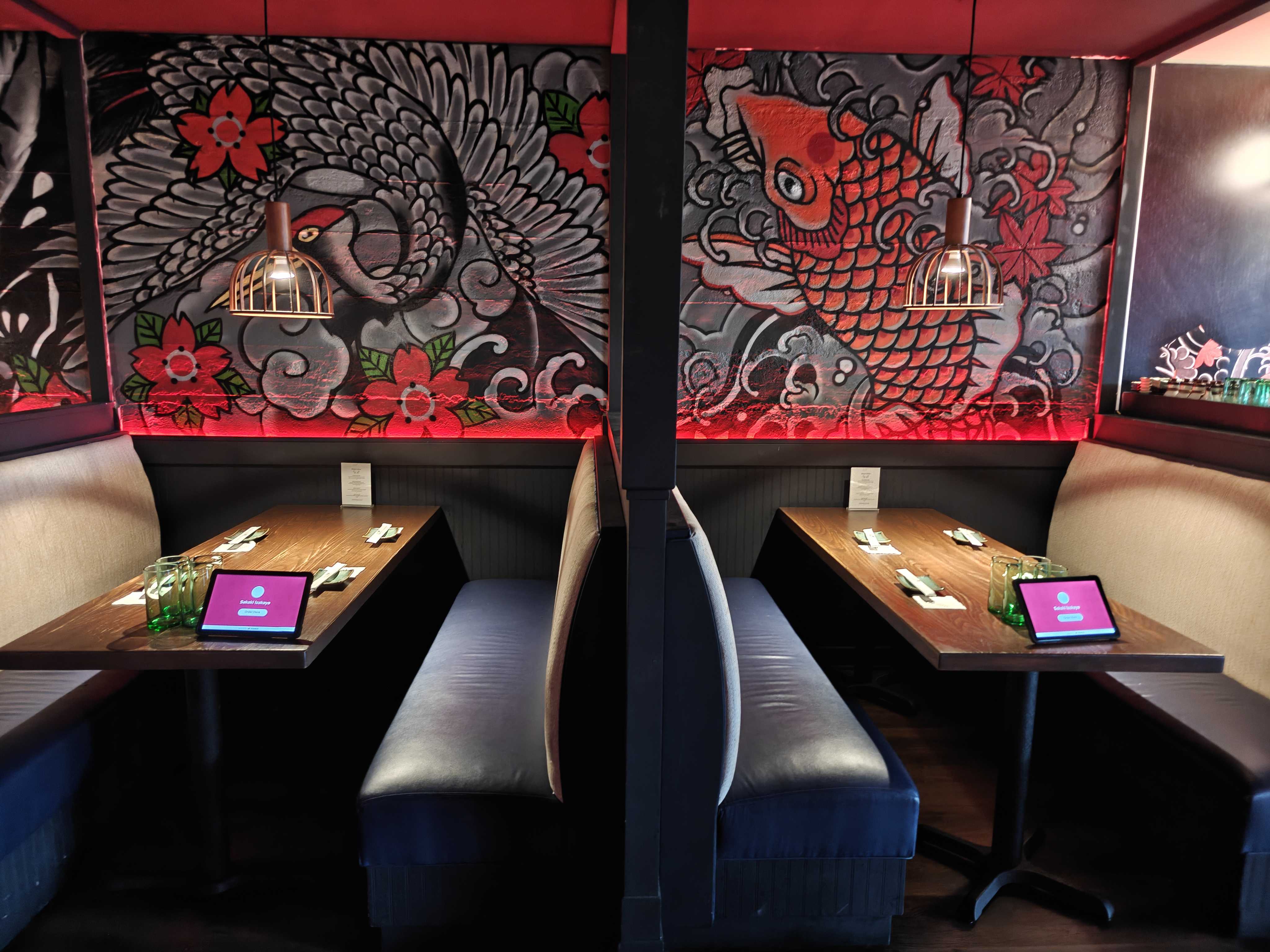
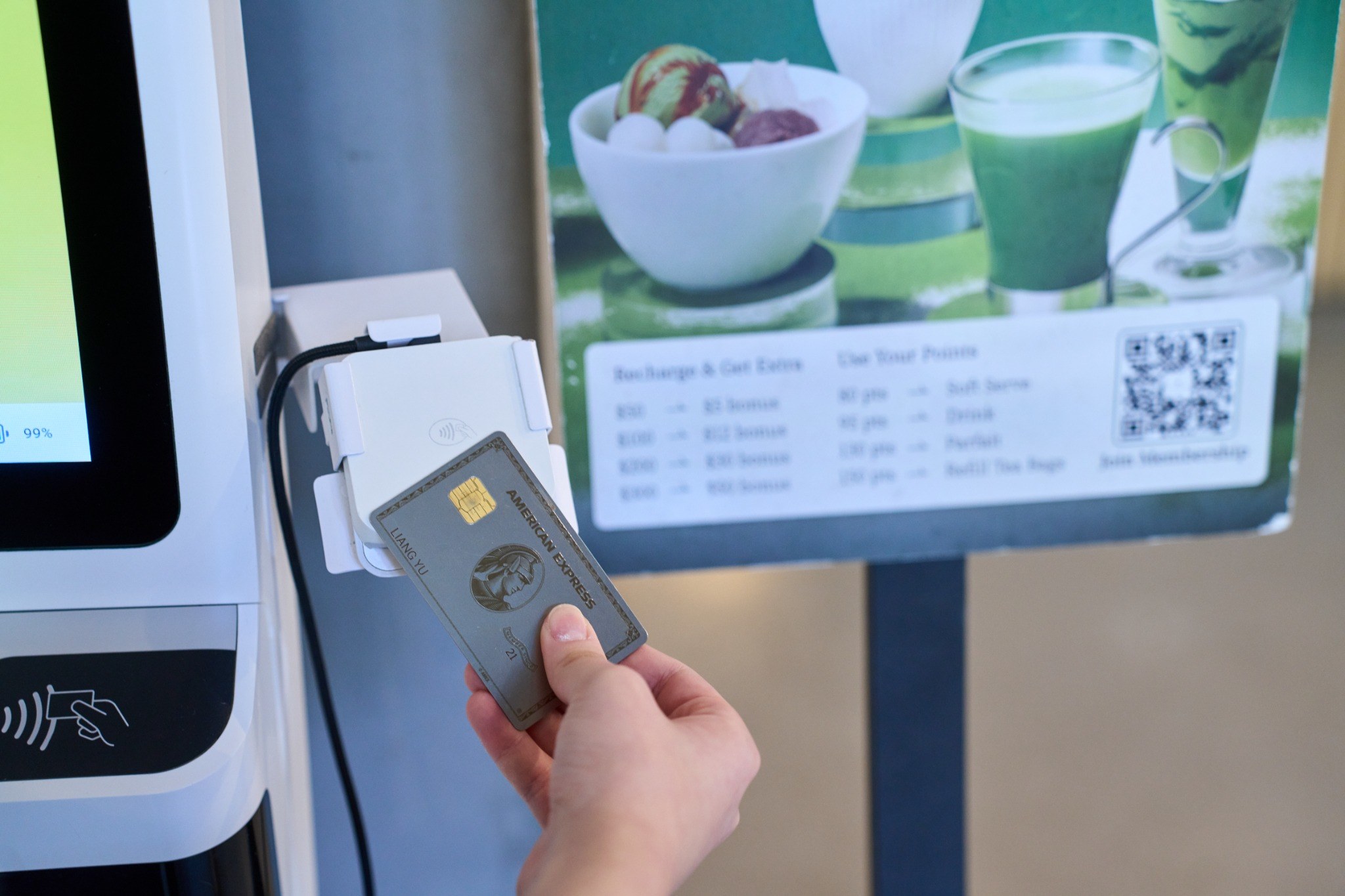
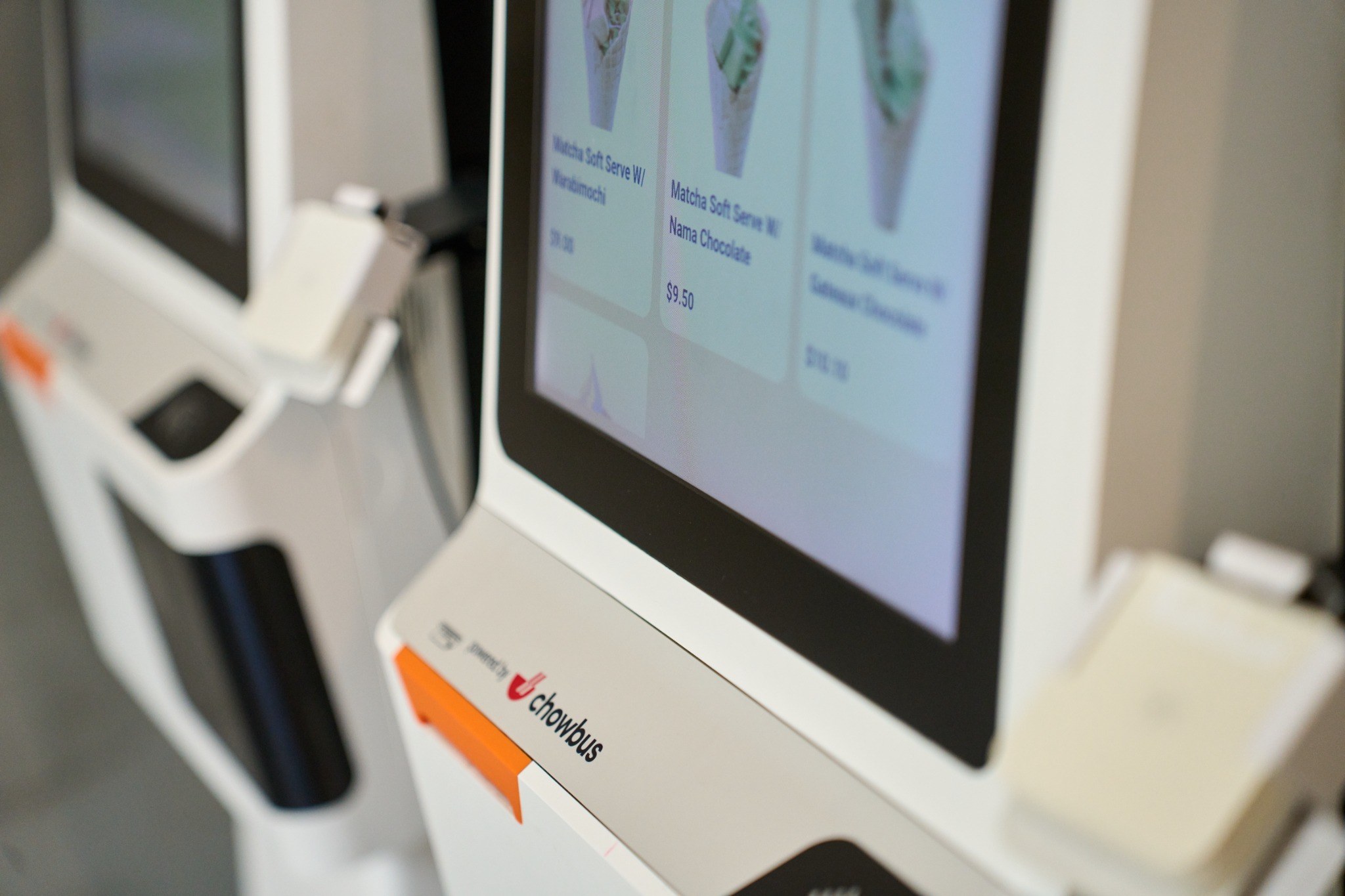
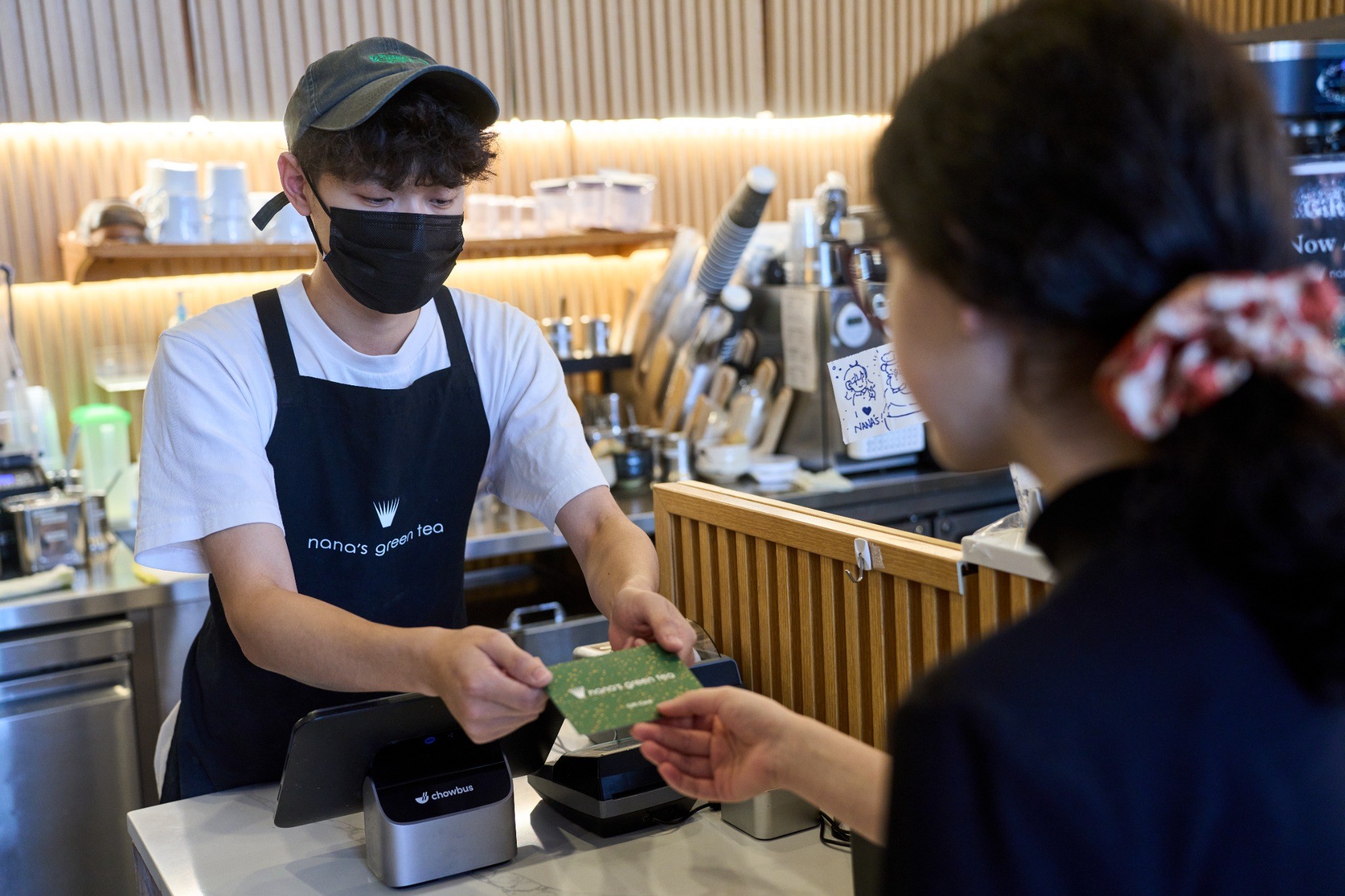
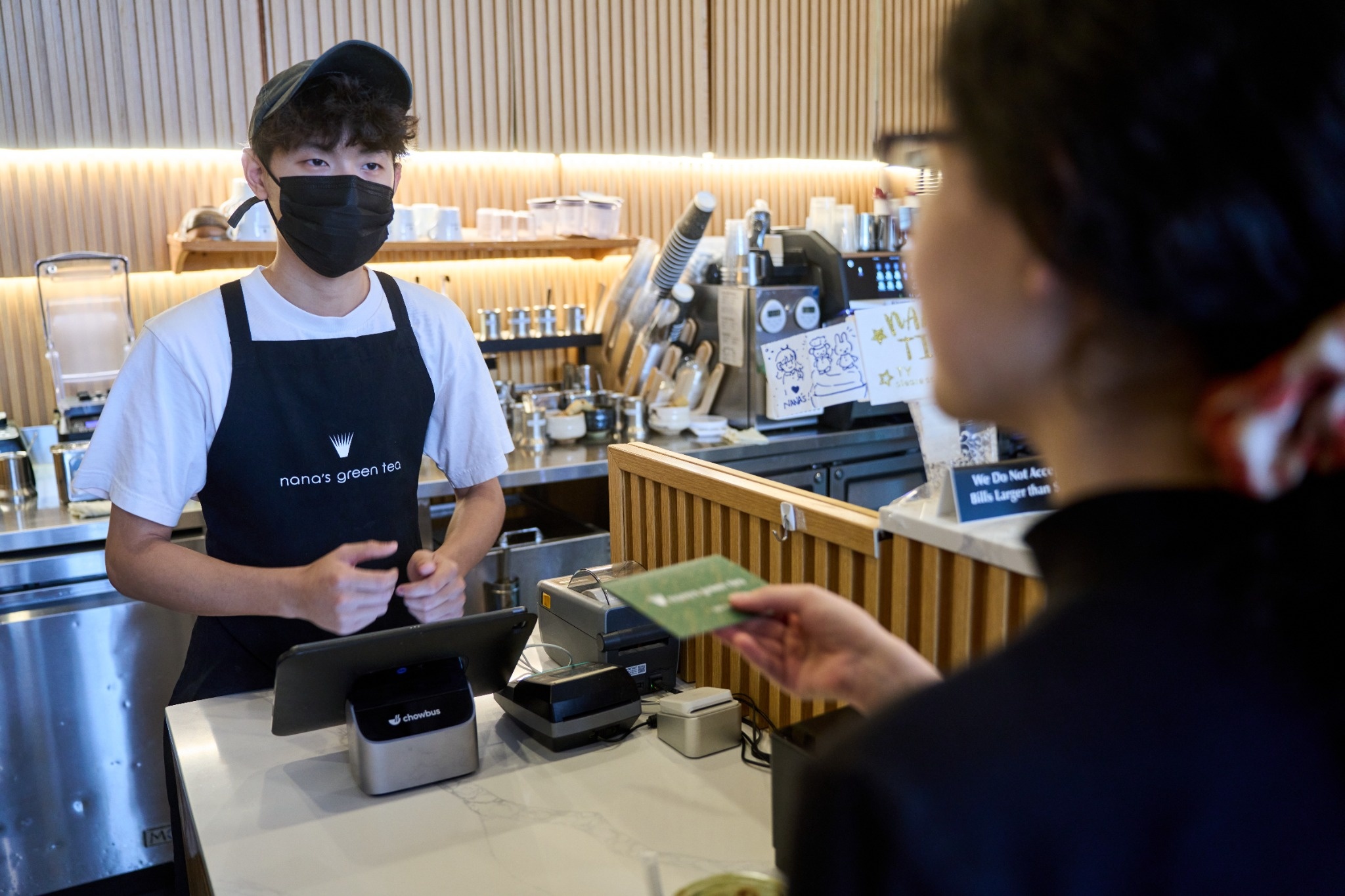
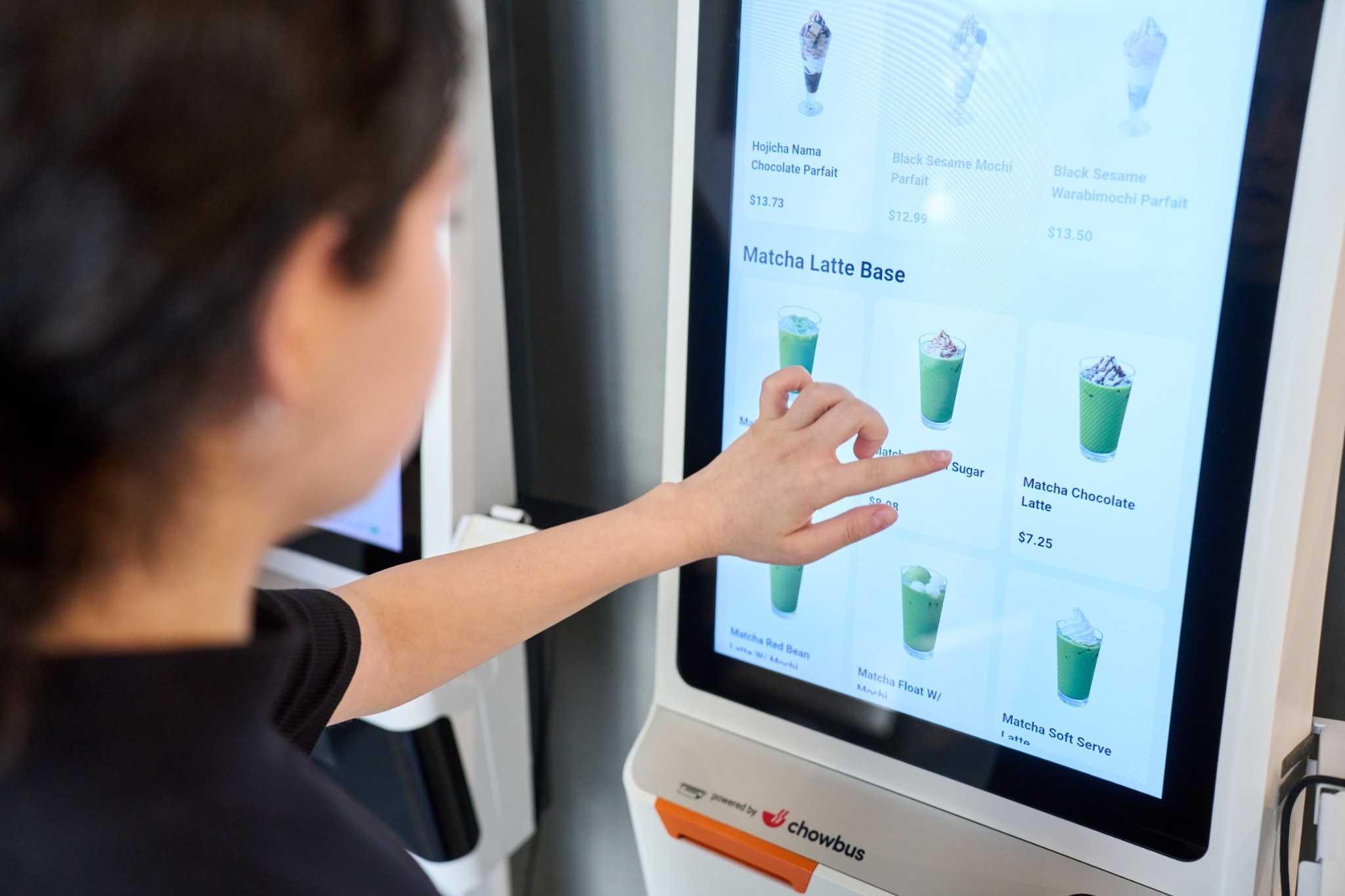
Holiday guests are busy and often not the person paying. Asking every guest to download an app at the table rarely works. Asking for a phone number at a natural moment does. The best moments are when the guest is already interacting with a screen or a payment: at a kiosk before checkout, on a QR ordering page, at the tableside payment device, or at online checkout for a pickup order.
Choose a loyalty app that lets guests join with just a phone number from any of those channels. Chowbus loyalty, for example, uses the phone number as the member ID across kiosks, tablets, and QR ordering, and kiosks can prompt free registration before checkout with a first-order discount. A one-step sign-up at the moment of payment captures far more holiday guests than a sign-up form on a website they will never visit.
Train staff to mention it in one sentence, especially at large holiday tables: "If anyone wants points for tonight, just enter your phone number when you pay." That works best when the person paying, the person who chose the restaurant, and the relatives at the table each have a way to join.
The reward for joining should give the guest a reason to come back. A discount on today's bill is pleasant, yet it does nothing for January. A reward that applies on the next visit, such as a free dish or a set amount off a future order, gives the guest a reason to return and gives you a natural message to send later.
Be clear about when the reward expires. A reward valid "in January" or "within 60 days" creates a gentle deadline that lines up with your slow season. An open-ended reward tends to be forgotten.
Many guests never open a restaurant's app after joining. A digital card in their phone's wallet is easier to keep. Chowbus loyalty can add the membership card to Apple Wallet through an SMS link, where it shows points and balance and can display a reminder when the guest is near the restaurant. For a holiday visitor who lives in town, that reminder may be the nudge that brings them back on an ordinary weeknight.
Joining a loyalty program and agreeing to receive marketing texts are not automatically the same thing. Make the sign-up screen clear about what guests will receive, get their consent before sending promotional messages, and include an easy way to opt out in every text. Rules for marketing texts are strict in the United States, so confirm that your loyalty and SMS tools record consent properly.
At the table, the same respect applies. Mention the program once, make joining quick, and never ask the same guest twice in one visit. A holiday guest who feels pressured at the end of a family dinner is less likely to come back, rewards or not.
By early November, the program should be ready to run without anyone thinking about it during service. Confirm that sign-up works on every channel you use, including kiosks, QR ordering, handhelds, and online checkout. Set the sign-up reward and its expiration date. Write and schedule the thank-you message and the January message in advance. Brief the staff with the one sentence they will use at the table, and run a test sign-up yourself to see exactly what a guest will see.
The weeks between Thanksgiving and New Year's are crowded with marketing messages. A restaurant that texts holiday guests every few days in December mostly earns unsubscribes. One message is enough: a short thank-you a few days after the visit, with their points balance and the reward waiting for them. Keep it personal and brief, sign it with the restaurant's name rather than a generic sender, and include the expiration date of the reward.
If your loyalty app connects to SMS marketing, set this thank-you as an automatic trigger for new members rather than a manual campaign. Chowbus SMS marketing, for example, supports automatic triggers such as first-order bonuses, birthdays, and win-back messages, and lets restaurants send images of dishes rather than plain text. For details, see the SMS marketing page.
The main message goes out in early January, when guests are back to their routines and your dining room is quiet. Remind them of the reward waiting in their account, mention when it expires, and give them a specific reason to visit, such as a winter dish, a weekday lunch special, or a double-points week. Send it on a day that leads into your slower nights, so the visits arrive when you have room for them.
For guests who have not returned by the end of January, a single reminder a week before the reward expires is reasonable. After that, leave them alone until next season. Guests who did not return after two clear invitations are better reached again next holiday season than with more messages now.
In February, look at the results. How many new members joined during the holiday weeks? How many came back by the end of January? What did their return visits look like compared with regular guests? A loyalty app that reports members by sign-up date and visit history makes this a ten-minute check rather than a spreadsheet project.
Use those numbers to adjust the next holiday. If sign-ups were low, look at where guests were asked to join. If sign-ups were high but returns were low, look at the reward and the January message. For a broader view of retention strategy, see the retention playbook for Asian restaurant owners.

Q1: What is a loyalty app for a small restaurant?
It is a program that lets guests join with a phone number, earn points or rewards on each visit, and receive offers by text or in a wallet card. For small businesses, the most useful apps connect directly to the POS so points are earned automatically at checkout.
Q2: When should a restaurant set up its loyalty program for the holidays?
Before the holiday rush, ideally in October or early November. That gives staff time to learn the sign-up step and ensures every holiday visit can be captured.
Q3: What is the best sign-up reward for holiday guests?
A reward that applies on the next visit, such as a free dish or a set amount off a future order, with a clear expiration in January or within about 60 days. It gives guests a reason to return during your slower weeks.
Q4: Is a loyalty app better than collecting emails at the table?
For most restaurants, yes. Phone-number sign-up at the point of payment is faster for guests, works across kiosks, QR ordering, and online checkout, and connects directly to points and text messages.
Q5: How many messages should I send holiday first-timers?
Keep it short: one thank-you after the visit, one main message in early January, and one reminder before the reward expires. More messages in December mostly lead to unsubscribes.
Q6: How do I know if the loyalty program worked?
In February, compare how many holiday sign-ups returned by the end of January and how their visits compared with regular guests. Adjust the sign-up moment or the January message based on where the numbers fell short.
Holiday first-timers are some of the easiest guests to win back, because they already chose you once. A loyalty app that captures them at payment, gives them a reason to return in January, and stays quiet until the right moment turns a busy holiday into a stronger winter. Set it up before Thanksgiving, keep the program simple, and let the January message do the work. Explore the Chowbus loyalty program to see how sign-up and rewards connect to the POS.