Bubble tea has gone from a niche import to one of the fastest-growing categories in American food service — part of an Asian restaurant sector that has expanded 135% over the past 25 years. That growth is exactly why opening a boba shop is both tempting and crowded: the demand is real, but so is the competition, and the difference between a shop that thrives and one that quietly closes usually comes down to planning the numbers before you sign anything. This guide walks through what it actually costs, the steps in order, and a checklist you can take into your build-out.
Quick answer: opening a bubble tea shop in the U.S. typically runs from the low tens of thousands for a small kiosk to well over $150,000 for a full storefront, takes 4–9 months from lease to launch, and lives or dies on three things — location, drink consistency, and a system that handles high-volume customization and repeat customers. Plan those first.
Boba's appeal as a business is its margins and its repeat behavior. Drink costs are low relative to price, and customers are habitual — the same faces several times a week. The flip side is saturation in dense urban markets and a model that punishes slow service: at peak, a line that stalls is lost revenue. The opportunity in 2026 is strongest where you can differentiate (signature drinks, quality ingredients, a strong brand) and operate efficiently enough to turn a busy afternoon into volume rather than chaos. If you can't answer "how will my shop be different, and how will it move a long line fast," tighten the plan before spending.
Startup cost varies widely by format and city, but the major buckets are consistent:
Lease & deposits. First/last month plus security, often 3–6 months of rent up front. In prime foot-traffic areas this is the single biggest early outlay.
Build-out & equipment. Tea brewers, sealing machines, blenders, refrigeration, a water filtration system, seating, signage, and counter work. A simple kiosk can be modest; a full café build-out is where costs climb.
Initial inventory. Tea leaves, tapioca pearls and toppings, milk and powders, cups, lids, and straws.
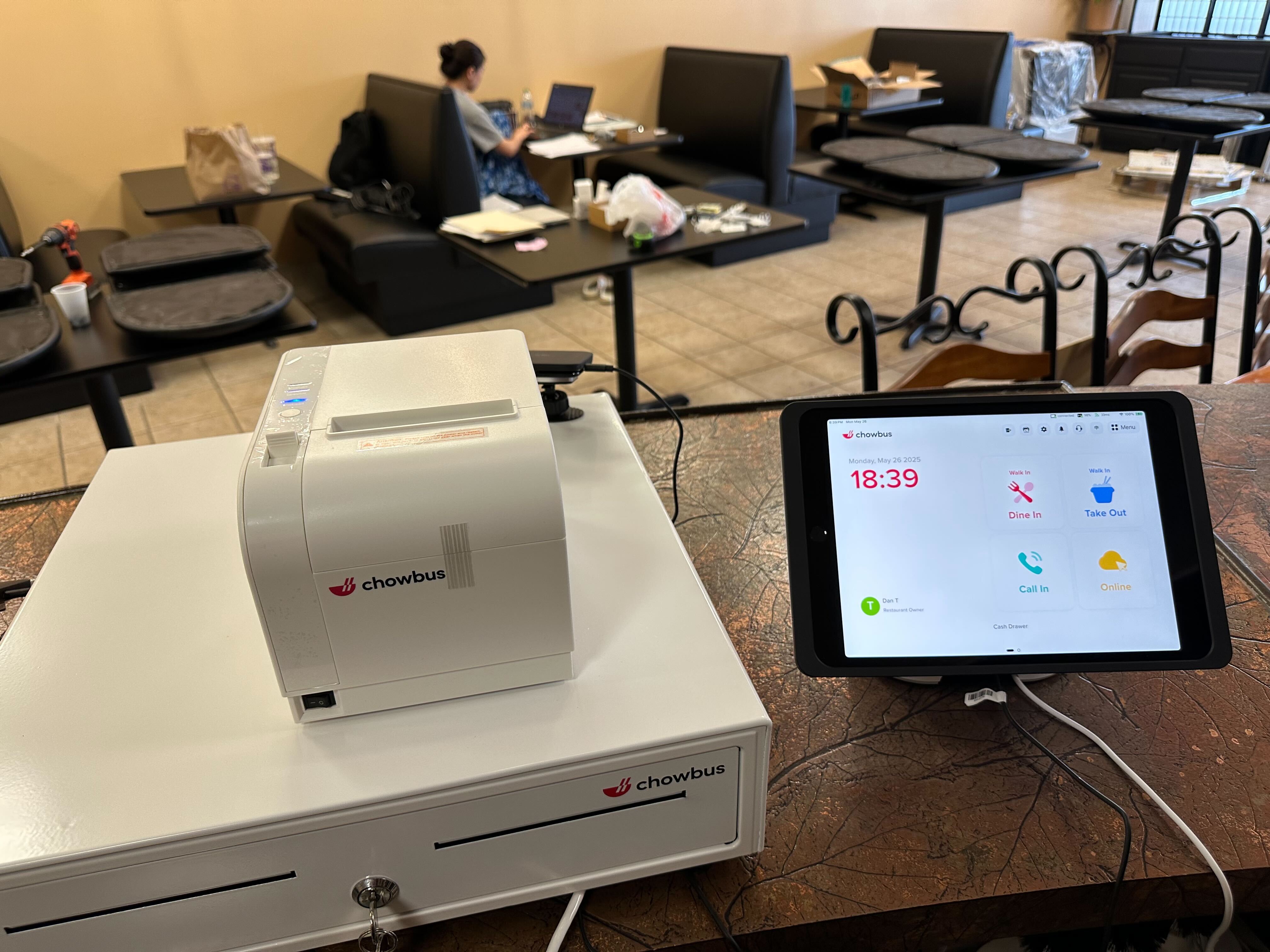
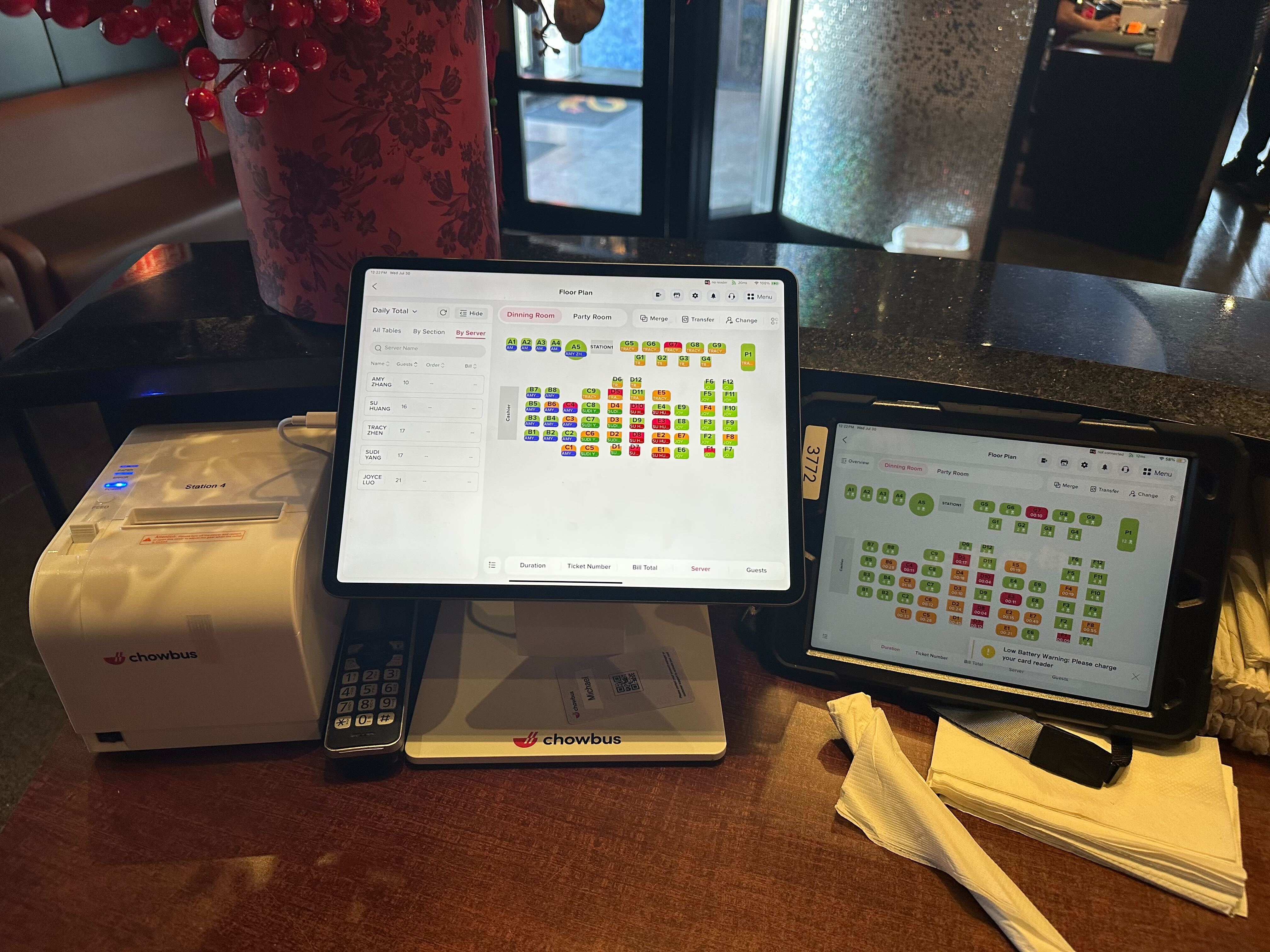
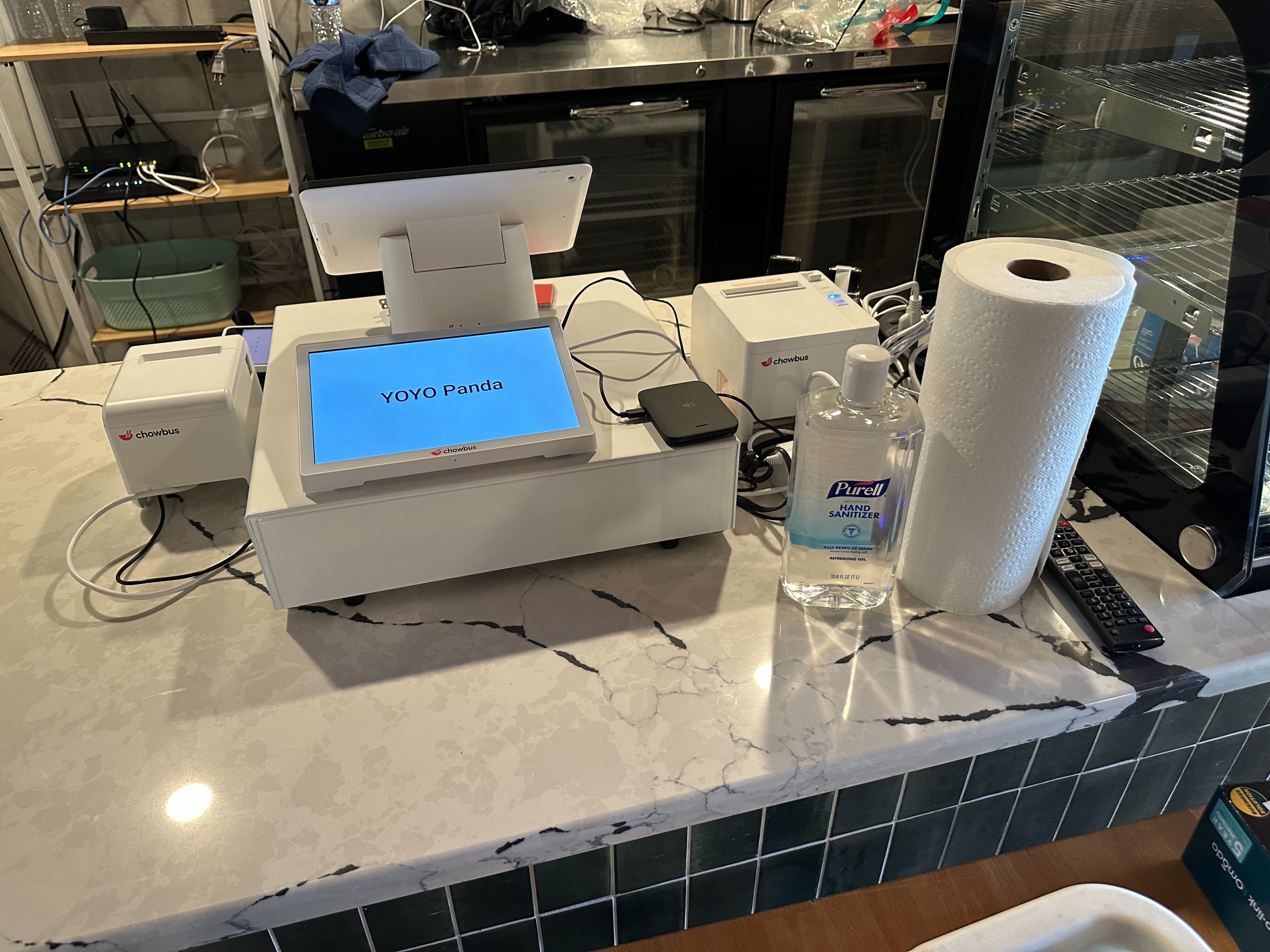
Technology. A POS built for bubble tea, plus optional self-ordering kiosks and QR ordering to absorb peak volume.
Licenses, permits & insurance. Business license, food service permit, health department approval, sometimes a sign permit.
Working capital. Two to three months of operating expenses to cover the ramp before sales stabilize.
A useful rule: whatever your build-out estimate is, add a contingency of 15–20%. Boba build-outs routinely run over on plumbing, water filtration, and equipment lead times.
1. Validate the concept and location. Confirm foot traffic, nearby competition, and your differentiator. A great location with mediocre drinks outperforms great drinks in a dead corner.
2. Write a simple business plan and budget. Project realistic daily cup volume and average ticket; back into the rent and labor you can afford.
3. Secure financing. Personal capital, a small-business loan, or investors — lenders want to see the plan and the numbers above.
4. Sign the lease. Negotiate a build-out period with reduced or free rent; you'll need weeks before you sell a single drink.
5. Handle licensing and permits early. Health department and food permits gate your opening date — start them the day you sign.
6. Build out and install equipment. Sequence plumbing and water filtration first; they cause the most delays.
7. Choose and set up your POS and ordering. Configure your menu, modifiers, kiosks, QR, and loyalty before you open, not after.
8. Hire and train. Drink consistency is a training problem; document recipes and run timed practice rushes.
9. Soft-launch, then grand-open. A quiet opening week lets you fix flow before you invite a crowd.
Three errors show up again and again. The first is underestimating peak throughput — a shop that's pleasant at 2 p.m. collapses at the after-school rush, and the lost walk-offs never show up in the books. The second is drink inconsistency: when sweetness, ice, and toppings vary by who's working, regulars stop coming. The third is treating every customer as anonymous — boba is a repeat-purchase business, and a shop with no way to capture and reach its regulars leaves its biggest advantage on the table. All three are solvable, and all three are easier to solve before opening than after.
Because bubble tea is high-volume, deeply customized, and repeat-driven, the system behind the counter matters more than in almost any other format. A bubble tea POS should ring the most customized drink in seconds, push peak demand onto self-ordering kiosks and QR ordering so a small team can serve a long line, and capture customers in a phone-number loyalty program that turns first visits into habits. Commission-free online ordering extends the shop beyond the counter without handing 20–30% to a third party. Chowbus is the all-in-one AI POS purpose-built for Asian restaurants, used across 9,000+ restaurants in all 50 states and Canada, and bubble tea is one of its core formats — which is why getting the tech decision right before opening saves expensive rework later.
Location decides more of a bubble tea shop's fate than almost any other choice, and the criteria differ from a sit-down restaurant. Boba is an impulse-and-habit purchase, so you want visibility and foot traffic over destination dining — a spot people pass on the way to something else, not one they have to seek out. Proximity to the customers who buy boba most (students, young professionals, families near schools and shopping areas) matters more than prestige. Walk the block at the actual hours you'll be busiest: a location that looks fine at noon may be dead after school, or vice versa. Check the competition realistically — one strong boba shop nearby can validate demand, but three saturate it. And confirm the practical constraints before you fall in love with a space: water line and filtration access, electrical capacity for blenders and sealing machines, ventilation, and whether the landlord allows the build-out you need. A slightly smaller rent in a high-traffic, boba-appropriate corner usually beats a larger, cheaper space where the right customers never walk by.
It also pays to think about the format the location supports. A compact, grab-and-go counter in a busy transit or campus area runs on speed and volume; a larger space with seating in a residential or shopping district can lean into a hangout experience and longer dwell time. The format shapes your equipment, staffing, and even your technology — a high-throughput counter leans harder on kiosks and QR ordering to move the line, while a sit-and-stay café leans on loyalty and repeat visits. Match the location to the format you actually want to run, and the rest of the plan gets easier.
Opening the doors is the start, not the finish. In the first 90 days, watch three numbers: speed at peak (are you losing walk-offs?), drink consistency (are regulars returning?), and repeat rate (is loyalty actually growing?). Fix throughput with kiosks or QR if the line stalls; tighten recipes and training if consistency slips; and lean into your loyalty program to convert the opening rush into a returning base. A bubble tea shop that nails those three in its first quarter builds the momentum that carries the rest of the year. Plan the costs, work the steps in order, and put a system built for the format in place before day one — then spend your energy on the drinks and the regulars. Explore the bubble tea POS built for high-volume shops.
It typically ranges from the low tens of thousands for a small kiosk to over $150,000 for a full storefront, depending on city, build-out, and equipment. Major costs are lease and deposits, build-out and equipment, initial inventory, technology, licenses, and 2–3 months of working capital. Add a 15–20% contingency for build-out overruns.
Usually 4–9 months from signing the lease to launch, gated mostly by permits, build-out, and equipment lead times. Starting health and food permits the day you sign the lease is the single best way to avoid delays.
It can be — drink costs are low relative to price and customers are habitual — but profitability depends on peak throughput, drink consistency, and repeat purchase. Shops that move a long line fast and capture regulars with loyalty tend to outperform.
One built for high-volume, modifier-heavy drinks with kiosk/QR self-ordering and phone-number loyalty. Chowbus offers a bubble tea POS purpose-built for the format; general-market systems often aren't tuned for boba's customization and repeat-customer model.
Many growing shops benefit from them — boba is a speed business, and kiosks and QR ordering let customers configure their own drinks accurately while staff focus on making them, which is decisive during the afternoon rush.
By the Chowbus Team · Updated 2026. Figures cited (Asian restaurant sector grew 135% over 25 years; 9,000+ restaurants across all 50 U.S. states and Canada) reflect public industry data and Chowbus company information; startup-cost ranges are general industry estimates — verify against local quotes.