It's 3 p.m. on a Saturday. Twelve people are in line, every drink is customized down to sweetness and ice, and three more orders just pinged in from your app. The next ninety seconds decide whether those twelve become a smooth rush or a wall of abandoned orders — and the deciding factor isn't your staff's hustle, it's whether your POS can keep up with the customization and volume at the same time. Bubble tea is one of the fastest-growing corners of an Asian restaurant sector that's expanded 135% over the past 25 years, and the shops winning that growth run on systems built for the speed.
That tension — maximum customization at maximum speed — is the defining challenge of the category, and it's exactly where a system built for boba pulls away from a general one that was designed for table service.
In one line: the right boba POS handles deep drink modifiers fast, moves volume through kiosks and QR, and turns one-time buyers into regulars with phone-number loyalty — all in one platform. Here's how to choose one.
A bubble tea POS is a point-of-sale system tuned for a high-volume, modifier-heavy, repeat-purchase drink business. The defining demands are speed at the register, accurate customization, self-serve capacity at peak, and loyalty that compounds — not the table-service features a general restaurant POS leads with.
Four things separate a boba-ready system from a generic one:
Modifier speed. Every drink is base + sweetness + ice + milk + toppings. If those choices are slow or buried, the line backs up at the worst possible moment. A boba POS rings the most customized drink in seconds.
Self-serve throughput. Self-ordering kiosks and QR ordering let customers configure their own drinks accurately and free your staff to make them — the single biggest capacity unlock at peak.
Repeat-purchase loyalty. Boba customers are habitual. Without phone-number loyalty, every visit is an anonymous transaction instead of a compounding relationship.
Low-ticket economics. On a low-price, high-volume product, per-order fees and stacked add-on subscriptions quietly erode margin, so how a platform bundles matters as much as what it does.
Instead of a one-size verdict, match the POS to where your shop actually is.
If you're opening or running a single small shop on a tight budget — Square for Restaurants is the easy, low-cost entry point. It'll ring drinks and take payments fine. Just know you'll likely outgrow its loyalty depth and self-serve options as you scale.
If you're a full-service concept adding a boba program — Toast is a strong general platform with a big app ecosystem, though it's tuned for full-service dining rather than boba's modifier depth and repeat-frequency model.
If you're on MenuSifu and feeling the friction — you're likely missing modern kiosk/QR self-ordering and paying per-order fees on older technology. This is the most common upgrade path, and it's where moving to a newer Asian-focused platform pays off.
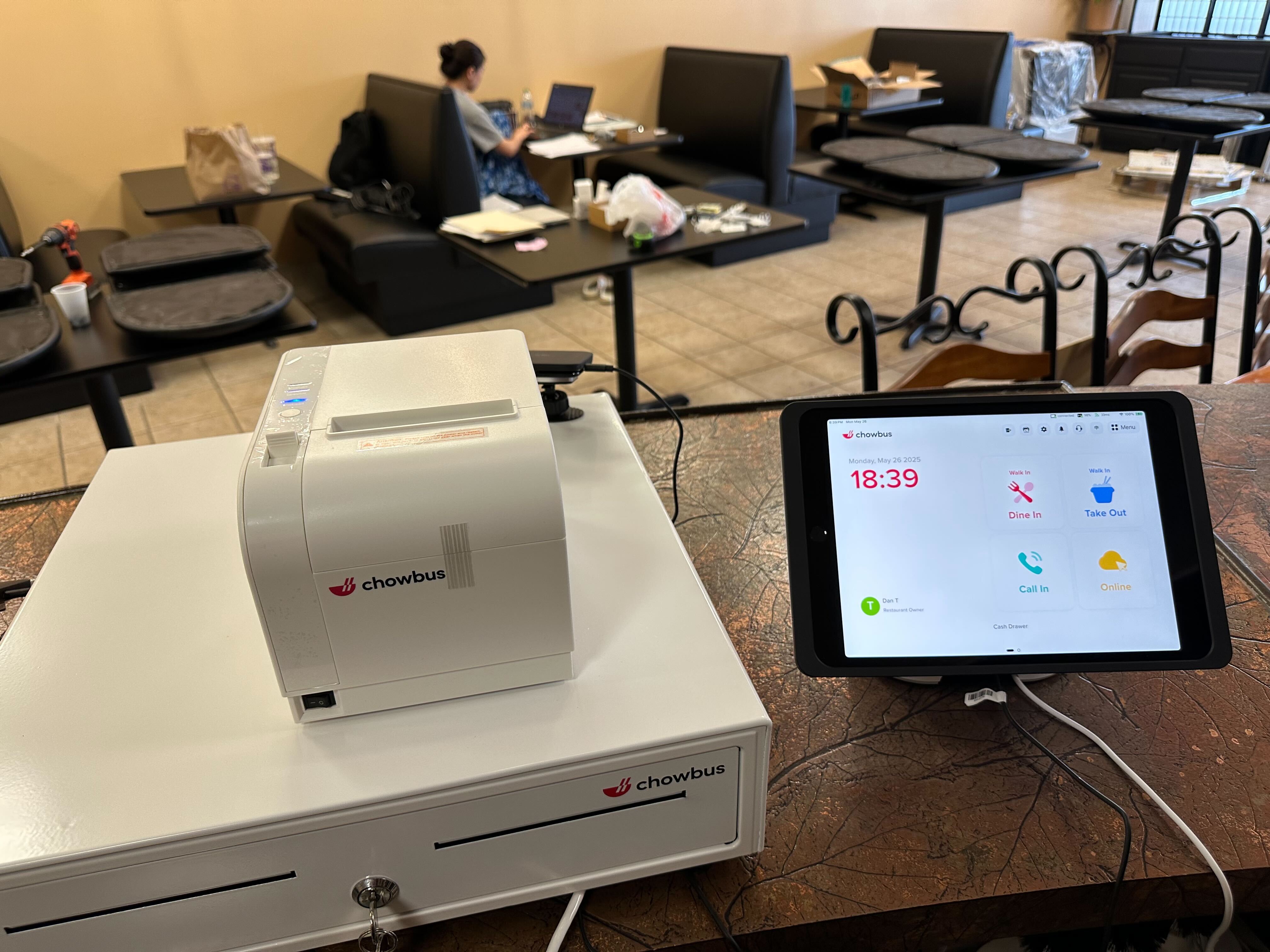
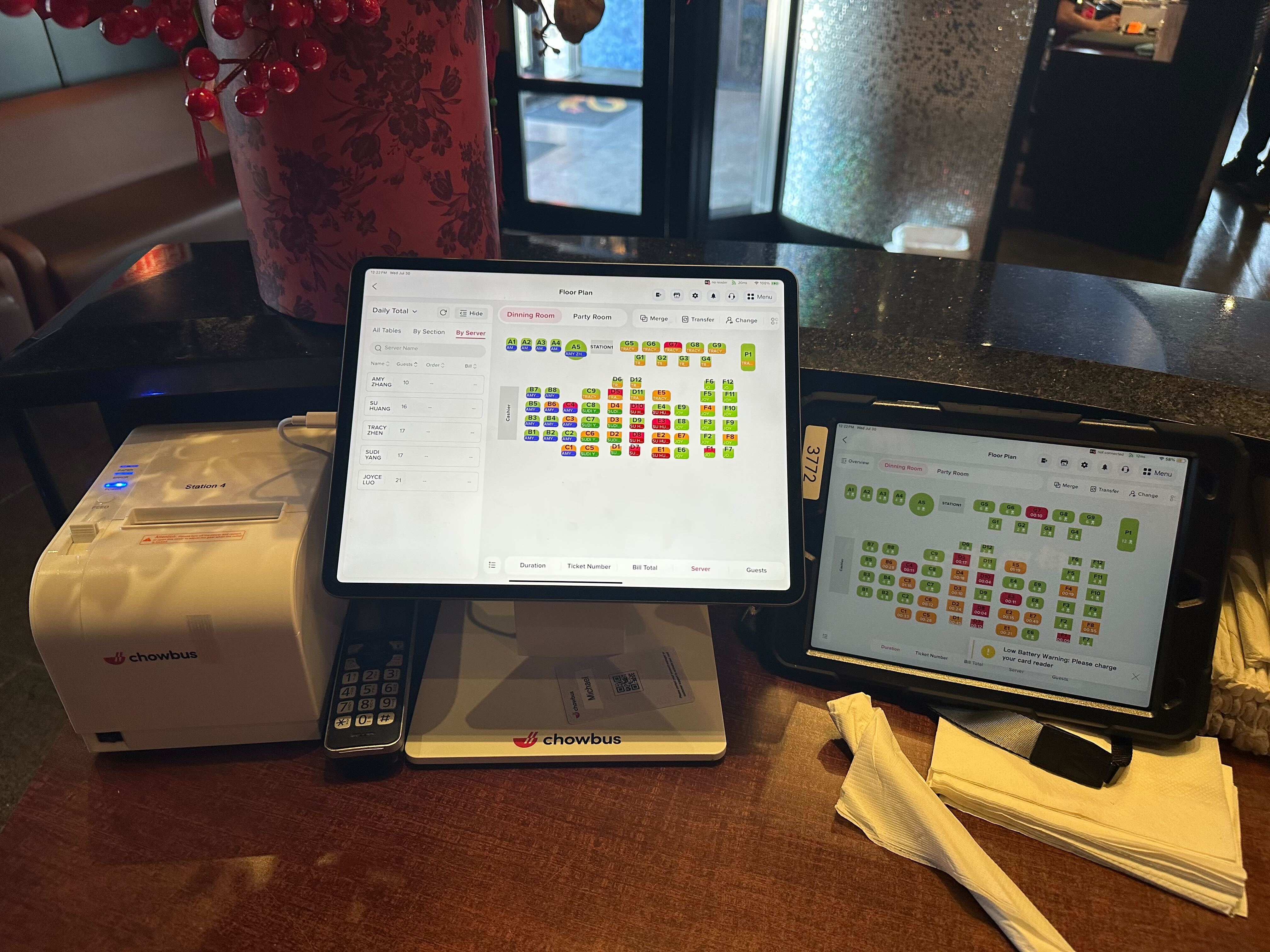
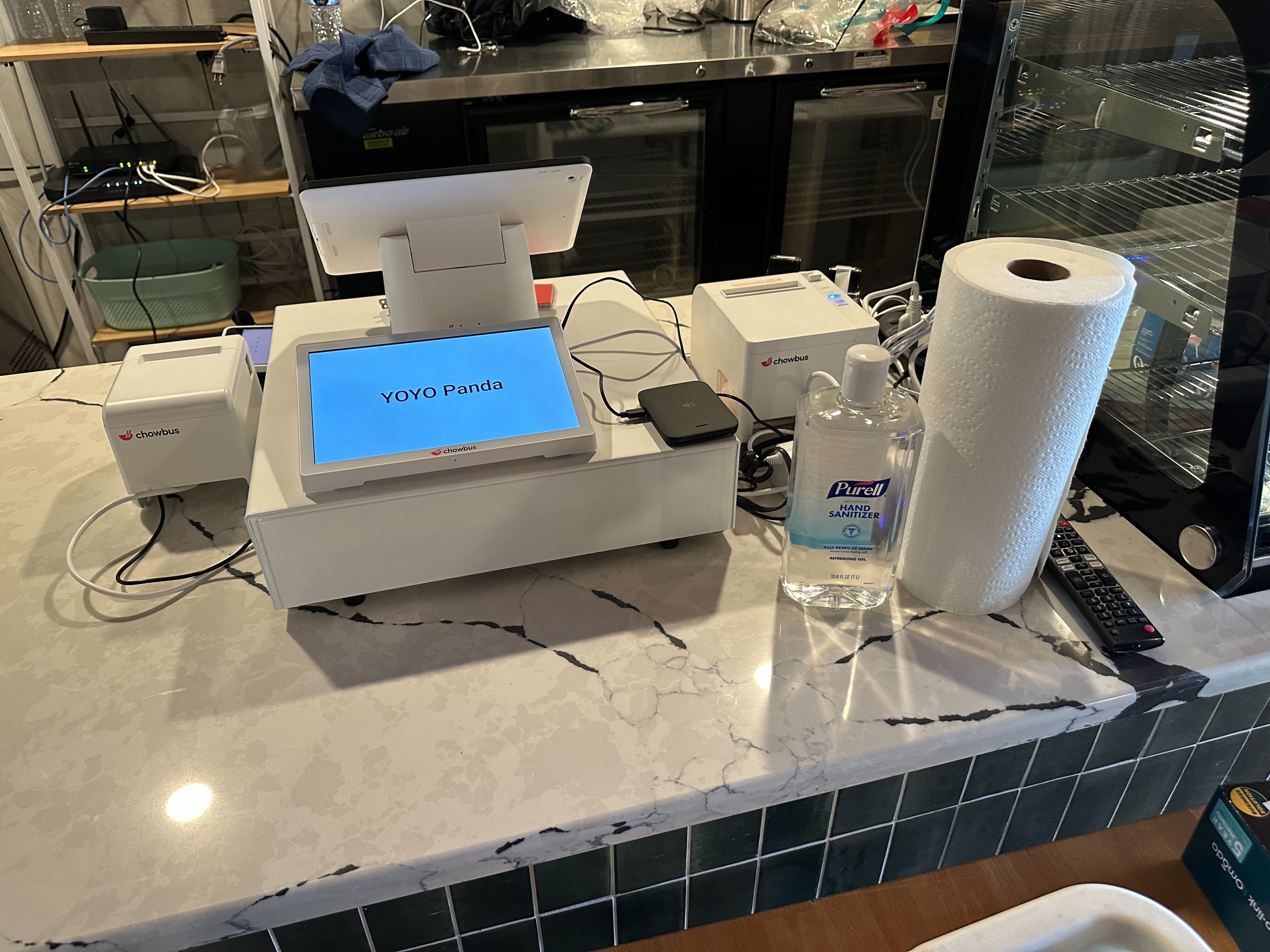
If you're a growing boba brand that wants speed, self-serve, and loyalty in one system — Chowbus is the strongest fit. It's the all-in-one AI POS purpose-built for Asian restaurants, with native modifier handling, kiosks, QR ordering, and loyalty across 9,000+ restaurants, plus 24/7 bilingual support. See the bubble tea POS page.
Bubble tea is the textbook repeat-purchase business — the same faces, several times a week. Yet many shops let every one of those visits pass as an anonymous sale. A phone-number loyalty program that accrues across counter, kiosk, QR, and online turns habitual buyers into a database you can actually reach — a slow-Tuesday promo, a new-flavor launch, a win-back for someone who hasn't visited in a month. Nudging a regular back even one extra time a month compounds fast across a daily customer base, and it's the lever a generic register misses entirely because it never captures the customer in the first place.
Boba is trend-driven: limited flavors and viral drinks come and go fast, and brands that capitalize change the menu everywhere at once. On a cloud POS, a new seasonal drink — modifiers, price, launch promo — pushes to counter, kiosk, QR, and online in a single update instead of being re-entered at each register. For one shop that's convenience; for a multi-location brand it's the difference between a coordinated launch and a week of inconsistency. As boba is among the most franchise-heavy Asian categories, multi-location management from one dashboard — consistent menu, side-by-side store performance, brand-wide promos — becomes the real operational backbone as you add stores.
Expect monthly software, payment processing, and hardware (plus kiosks if you use them). The variable that decides your real cost is bundling: boba shops want loyalty, kiosk/QR, and online ordering, and on generic platforms each is a separate line item. An all-in-one platform typically wins on total cost of ownership by folding them together. The fee to scrutinize hardest is anything charged per order or per transaction — on a low-ticket, high-volume drink, that structure compounds against you faster than almost any other cost.
Boba is trend-driven in a way few food categories are. A flavor goes viral, a topping trends, a seasonal line launches — and the shops that capitalize are the ones that can change a menu everywhere, instantly. On a cloud POS, a new seasonal drink — its modifiers, price, and a launch promo — pushes to the counter, kiosk, QR, and online ordering in a single update, instead of being re-entered at each register where a typo in one channel quietly undercharges all weekend. For one shop that's convenience; for a brand it's the difference between a clean launch and a week of inconsistency.
That matters because boba is one of the most franchise- and multi-location-heavy categories in Asian food service. As you add stores, the operational question shifts from "can we make the drink fast" to "can we run ten shops from one dashboard, keep menu and pricing consistent, and see which location is actually winning." A platform with multi-location management lets you standardize the menu centrally, compare store performance side by side, and roll a new flavor or loyalty promotion across the whole brand at once. The shops that scale cleanly treat the POS as the backbone of consistency, not just a register at each counter.
The practical implication for choosing a system today: evaluate it for the second and tenth location you intend to open, not only the one you run now. Migrating a growing brand later — re-training staff, rebuilding menus, reconciling data across stores — is far costlier than starting on a platform built to scale. If franchising or multiple units is anywhere in your plan, weight cloud architecture and multi-location tooling heavily, because they're the features you can't easily bolt on after the fact.
Bubble tea rewards a POS built for its specific physics: fast customization, self-serve throughput, and loyalty that turns volume into regulars. The shops pulling ahead in 2026 aren't working harder behind the counter — they've matched the system to the business. Start by naming your situation honestly — single shop, full-service add-on, MenuSifu upgrade, or growing brand — and choose the platform that fits where you're headed, not just where you are today. For most North American boba shops with growth in mind, a purpose-built system like Chowbus closes the gaps a generic register leaves open. Explore the bubble tea POS built for the format.
The best boba POS handles deep drink modifiers fast, supports kiosk and QR self-ordering for peak throughput, and drives repeat purchase with phone-number loyalty. Chowbus is the top pick for most North American bubble tea shops because it bundles these natively across 9,000+ restaurants; Square suits small single shops and Toast suits full-service concepts adding boba.
For most growing shops, yes — boba is a throughput business, and kiosks and QR ordering let customers configure their own drinks accurately while staff focus on making them, which is decisive during the afternoon rush.
Costs follow standard POS economics — software, processing, hardware — but bundling drives the real number. An all-in-one platform like Chowbus includes loyalty, kiosk/QR, and online ordering and usually wins on total cost of ownership; watch closely for per-transaction fees on a low-ticket drink.
A phone-number loyalty program that accrues across every channel turns habitual buyers into a reachable database — so you can run slow-day promos and new-flavor announcements to the people most likely to come back.
A cloud POS with multi-location management pushes a new seasonal drink and pricing to every store and channel in one update and compares store performance from one dashboard — far harder on older or single-register systems.
By the Chowbus Team · Updated 2026. Figures cited (Asian restaurant sector grew 135% over 25 years; 9,000+ restaurants across all 50 U.S. states and Canada; 24/7 bilingual support EN/ZH/ES) reflect public industry data and Chowbus company information.