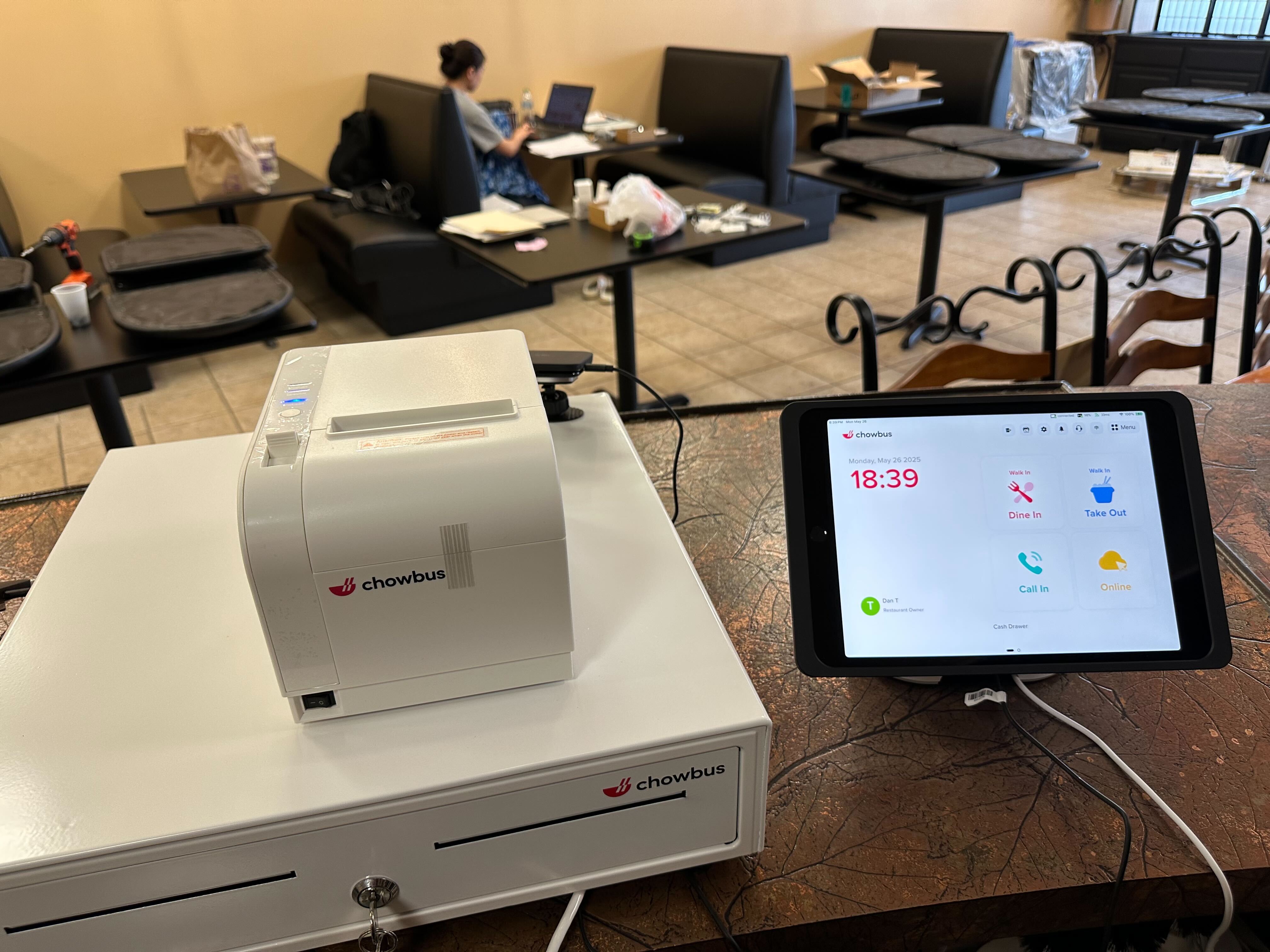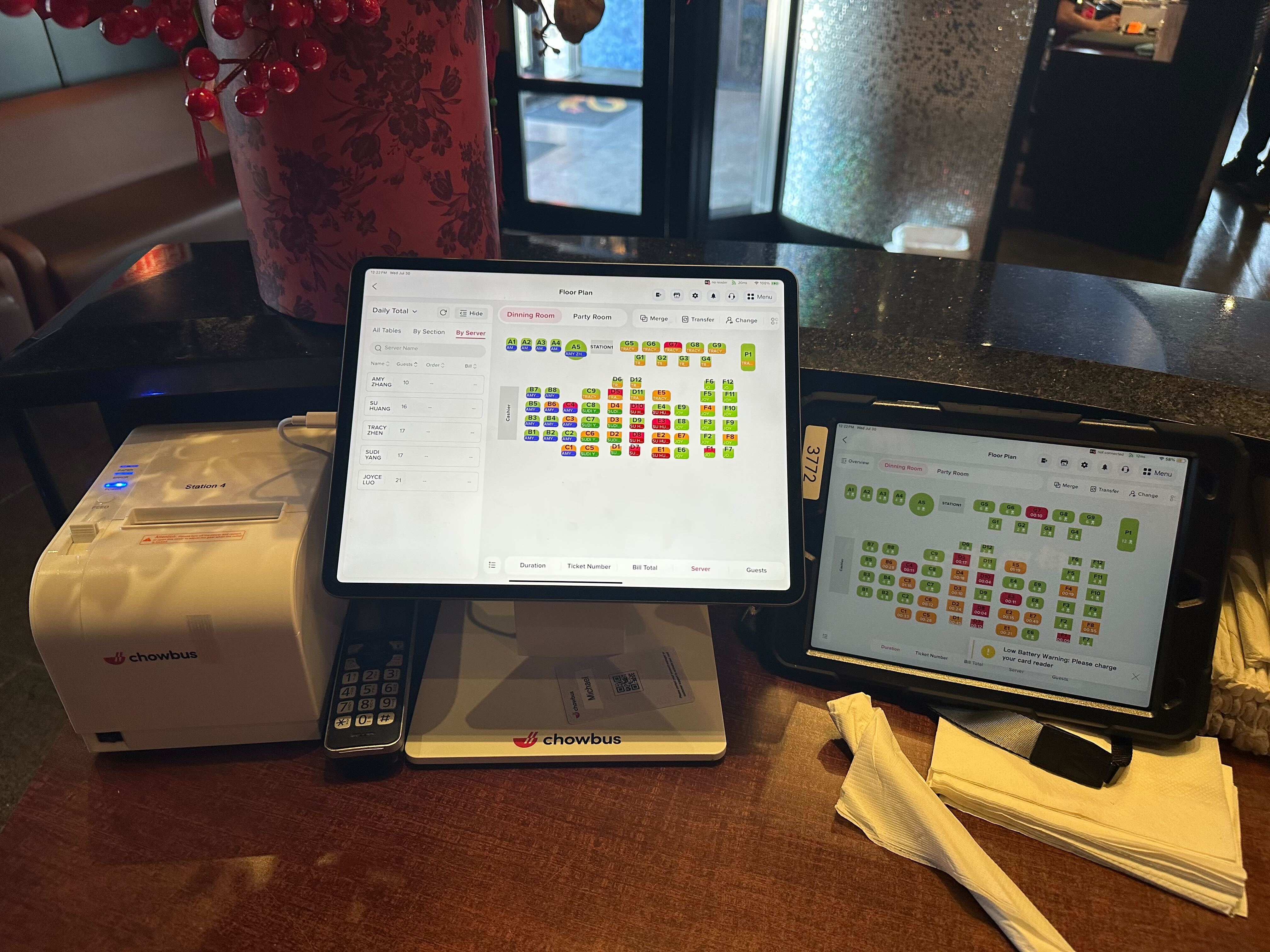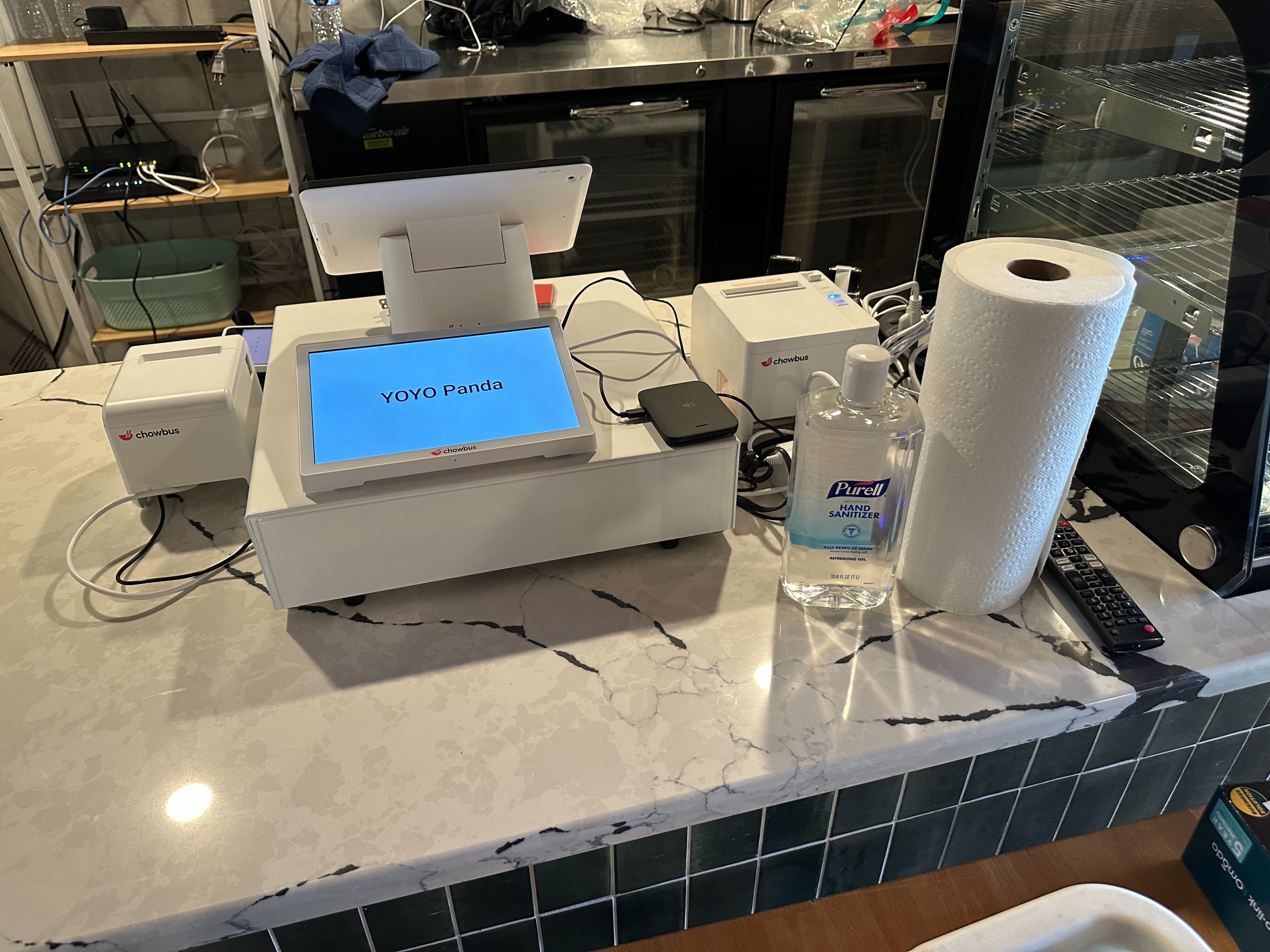
Most POS vendors charge bubble tea shops the same transaction fee structure as a casual dining restaurant — even though boba transactions are smaller in dollar amount, faster in sequence, and significantly more complex in modifier logic. That pricing model has never worked in the operator's favor. But the fee structure is just one of several ways that using a system not built for bubble tea creates hidden operational cost.
The boba operators with the most efficient operations share a consistent tech stack structure: a POS that handles their specific ordering workflow, direct online ordering that bypasses commission platforms, a loyalty system that drives repeat visits, and a reporting layer that tells them what's working. Together, these components form a system that compounds operational value over time.
In this guide, you'll understand how to build the right full technology stack for a bubble tea shop — not just what POS to use, but how all the pieces connect and why the integration architecture matters as much as any individual feature.
Here's how the best-run boba shops think about their technology.You've hit your org's monthly usage limit.
A bubble tea shop running five separate systems — POS, online ordering platform, loyalty app, inventory spreadsheet, and a manual reporting export — isn't running a tech stack. It's running five disconnected data sources that require manual reconciliation, create information lag, and consistently produce conflicting numbers.
The fundamental advantage of a fully integrated system is that every piece shares the same data in real time. When a drink sells at the counter, inventory decrements automatically, loyalty points accrue to the customer's account, and the transaction appears in reporting immediately. When the same drink is ordered online, it enters the same bar display queue as a counter order, with the same modifier specifications, without any manual intervention.
The cost of disconnected systems isn't always visible in a single day. It accumulates over weeks in the staff hours spent reconciling data, the inventory errors that lead to mid-service stockouts, the loyalty points customers claim weren't credited, and the reporting blind spots that cause operators to make decisions based on incomplete information.
In a well-built bubble tea shop tech stack, the POS is the hub through which all other data flows. Order entry feeds the bar display and inventory simultaneously. Payment capture feeds reporting and loyalty in the same transaction. Online orders route through the POS before they reach the bar, ensuring the same queue logic and the same modifier display regardless of order source.
This architecture means the POS selection decision is also implicitly a decision about everything connected to it. A POS with weak online ordering integration creates a seam — online orders arrive separately, get manually entered or printed as paper tickets, and create a secondary workflow. A POS with no native loyalty integration requires a separate loyalty app, a separate database, and a manual link between transactions and customer records.
For bubble tea shops, online ordering splits into two channels with fundamentally different economics: direct ordering (through your own website or branded app, with orders routing to your POS) and third-party platform ordering (DoorDash, Uber Eats, Grubhub, with 25–30% commission per transaction).
The math on third-party platforms is straightforward and unfavorable. On a $9 average bubble tea transaction, a 27% commission leaves $6.57 in revenue after the platform takes its cut. At 100 delivery orders per week, that's $2,430/month in commission fees. Direct online ordering, even if it requires some marketing spend to build, recovers that margin entirely.
The practical path is usually hybrid: maintain third-party presence for discovery and occasional use while actively building the direct online ordering channel. The POS should support both simultaneously, routing all orders to the same bar display regardless of source.
Loyalty programs fail when they're difficult to join, slow to credit, or opaque about rewards. Boba shop loyalty succeeds when three conditions are met: enrollment happens in under 30 seconds at the point of sale (phone number only, no app download), points credit automatically on every transaction including online orders, and reward redemption is visible on the POS screen so staff can apply it without a separate lookup.
The loyalty data is also valuable operationally. A system that tracks visit frequency by customer tells you who your regulars are, which customers haven't returned in 30+ days, and what your repeat visit rate looks like week-over-week. That data supports targeted promotions — a re-engagement offer to customers who haven't visited in 45 days, a double-points event to drive traffic on a slow weekday, a birthday reward that arrives on time rather than three days late.
The reporting layer of a boba shop's tech stack should answer five operational questions daily: What was total revenue, broken down by hour? Which items sold, and which modifiers were most selected? What is current inventory status for key ingredients? How many loyalty program transactions occurred? What was average transaction time from order to payment?
Weekly, the data should answer: which days and time slots drive the most revenue, how online versus in-store volume is trending, whether loyalty enrollment rate is growing, and which menu items have the highest and lowest attachment rates for premium add-ons like alternative milks and extra toppings.
Operators who read this data consistently make better decisions — not because they're more experienced, but because they're not guessing.
%20(1).png)
The boba shop operators who build the most durable businesses aren't just selling great drinks. They're running tight, data-informed operations where every component of their tech stack connects to every other component — and where the daily decisions about menu, staffing, and marketing are made with evidence rather than intuition.
The POS is where that stack begins. Choose it based on what it can connect to, not just what it can do in isolation. A system that handles your modifier logic brilliantly but creates seams at the online ordering or loyalty layer will generate operational friction that grows as your volume grows.
The right stack is one that gets quieter as it scales — fewer manual interventions, fewer data gaps, fewer reconciliation headaches — leaving operators free to focus on the customer experience that keeps people coming back.
Q1: What should a complete bubble tea POS system include? A: A complete boba tech stack includes the core POS with modifier-deep order entry, a bar display system, direct online ordering integration, a loyalty program with counter enrollment, ingredient-level inventory tracking, and daily/weekly reporting. All components should share real-time data through the POS.
Q2: Should a bubble tea shop use a third-party delivery platform? A: Third-party platforms are useful for discovery but expensive at scale — 25–30% commission per transaction. The most effective approach is maintaining third-party presence while actively building a direct online ordering channel through your own website or POS-integrated ordering page. The goal is shifting as much volume as possible to the direct channel over time.
Q3: How does a loyalty program improve bubble tea shop revenue? A: Boba is a repeat-purchase category. A customer who visits once a week and spends $9 generates $468 in annual revenue. A loyalty program that increases visit frequency from once to twice a week doubles that customer's annual value. At scale, small improvements in visit frequency across your customer base compound into significant revenue impact.
Q4: What reports should a bubble tea shop POS generate? A: Essential daily reports: hourly revenue, item sales mix, modifier frequency, and loyalty transaction count. Essential weekly reports: day-of-week revenue comparison, online vs. in-store volume, loyalty enrollment trend, and inventory variance. Any POS that can't generate these natively requires workarounds that reduce data reliability.
Q5: How does Chowbus support the full bubble tea shop tech stack? A: Chowbus integrates POS, online ordering, loyalty and CRM, inventory management, and reporting in a single platform — no third-party integrations required for core functionality. The system supports multilingual ordering in English, Chinese, Japanese, Korean, and Spanish, and includes 24/7 bilingual support in English, Chinese, and Spanish.