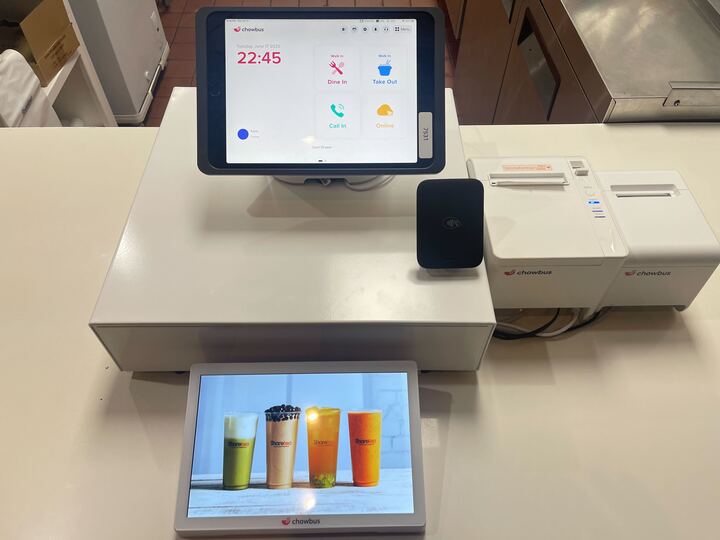
For many restaurant owners, choosing a POS system feels overwhelming—not because there are too few options, but because there are too many.
What often gets overlooked is this: the best POS system for a restaurant is not the one with the longest feature list, but the one that quietly supports how your restaurant already works.
In an industry where margins are tight and labor costs continue to rise, POS systems have evolved into operational infrastructure rather than simple checkout tools.
According to the National Restaurant Association, labor now accounts for 30–35% of total restaurant costs, making efficiency-focused systems more important than ever.
*Report: Restaurant Industry Factbook, National Restaurant Association – Research & Insights, 2022–2024
At its core, a restaurant POS system acts as the command center for daily operations.
But unlike legacy systems, modern cloud-based POS platforms connect multiple workflows at once:
The value lies not in individual features, but in how smoothly those pieces work together.
Orders placed at the counter, through QR codes, or online flow directly into the kitchen display system. This reduces verbal handoffs—one of the most common sources of order errors.
Modern POS systems support card payments, mobile wallets, split checks, and tabs—especially critical for bars and full-service restaurants during peak hours.
Cloud-based restaurant management systems allow operators to monitor sales and labor remotely, which is increasingly important for multi-location and owner-operator models.
Rather than chasing “top restaurant POS systems” by brand name, operators should evaluate systems based on operational fit.
Dine-in, takeout, and online ordering should live in one system—avoiding duplicate menus and reporting gaps.
Fast menu edits, modifiers, and pricing updates help restaurants adapt quickly to food costs and seasonal changes.
POS data helps answer critical questions:
These insights support smarter decisions—not just better reports.
While faster checkout is obvious, the deeper benefits are strategic:
McKinsey research shows that restaurants using integrated digital systems are 2x more likely to outperform peers in revenue growth.
*McKinsey & Company, 《How Digital Is Transforming the Restaurant Industry》
High order volume requires speed and accuracy. POS systems reduce queue friction and support online ordering growth.
Table management, coursing, and split checks improve guest satisfaction and staff efficiency.
Fast tab handling and real-time sales tracking reduce peak-hour stress.
Centralized reporting enables consistent menus and operational benchmarks.
When reviewing a list of restaurant POS systems, consider these questions:
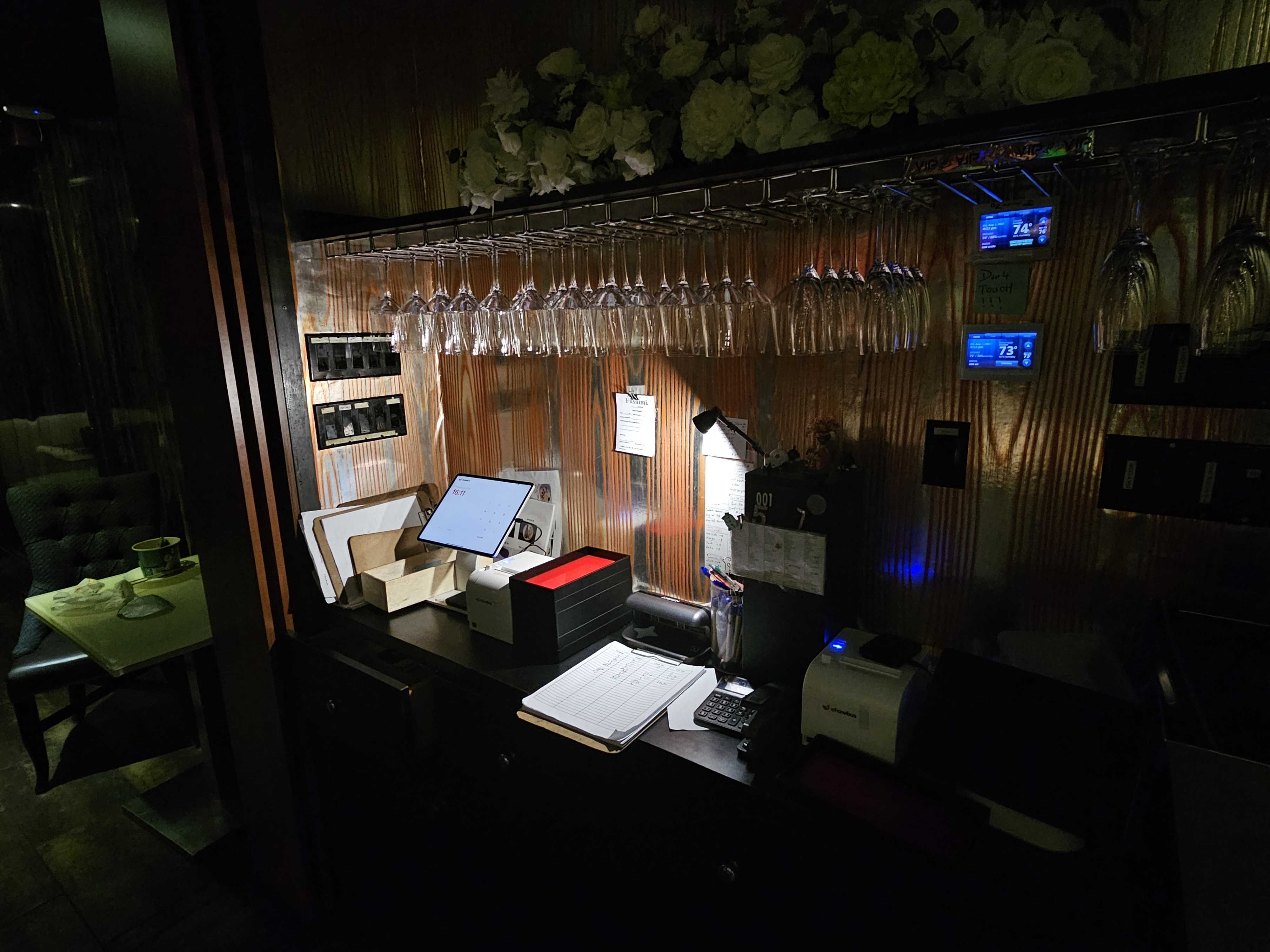
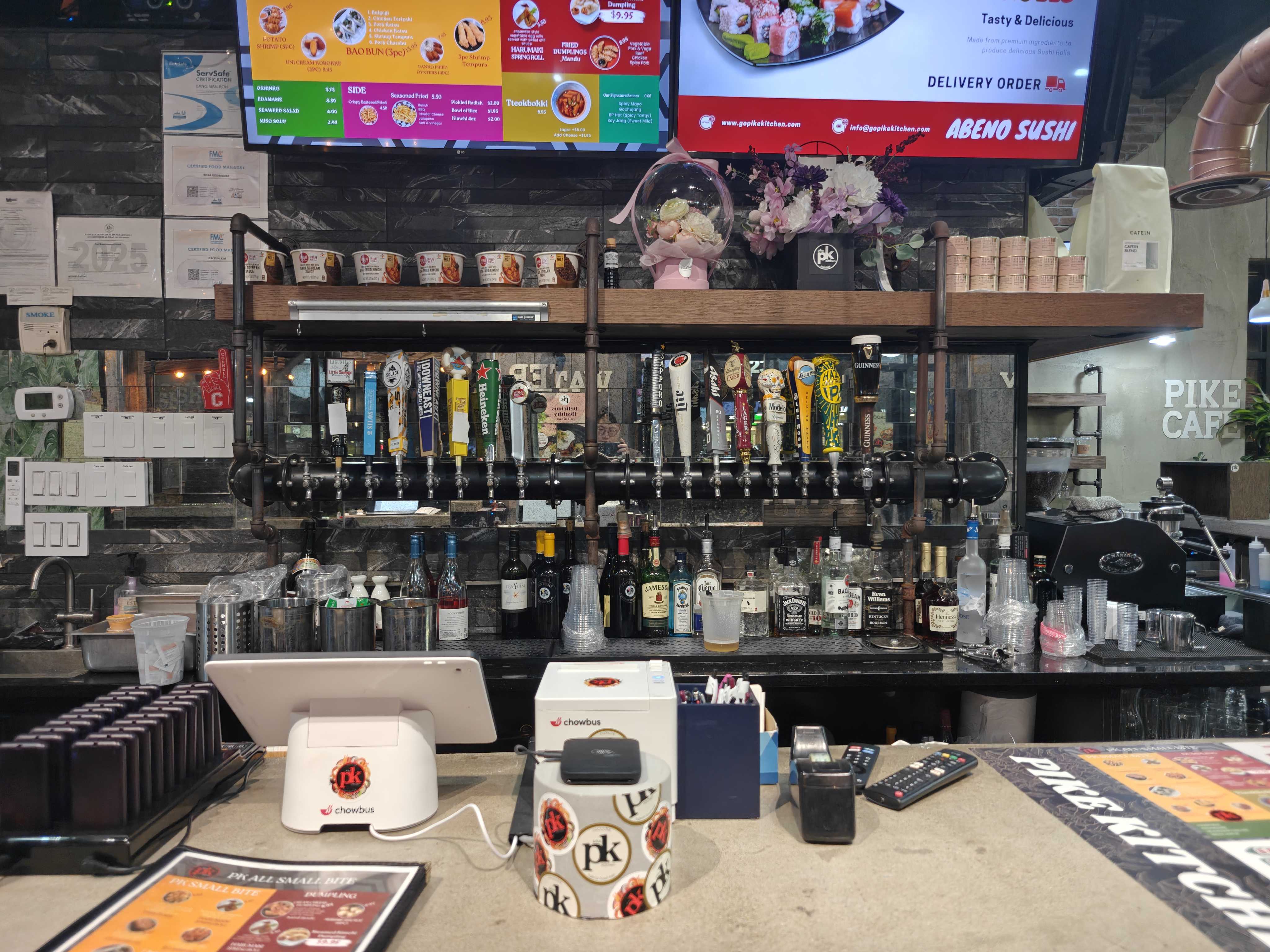
Some platforms, including solutions built around restaurant-first ordering and POS integration like Chowbus, focus on reducing operational friction rather than adding layers of complexity.
Curious how modern POS systems connect ordering, payments, and operations in practice? Explore how integrated restaurant POS platforms work day to day.
1. What is the best POS system for restaurant owners?
The best system aligns with your service model, staff skill level, and growth goals.
2. Are cloud-based restaurant POS systems reliable?
Yes. Most offer secure backups and real-time syncing across locations.
3. Can POS systems support online ordering?
Modern systems are designed to integrate online and in-store orders.
4. How long does staff training take?
Most teams can learn modern POS systems within a single shift.
5. Is a POS system worth the investment?
For most restaurants, reduced errors and labor savings justify the cost within months.
Choosing the best POS system for a restaurant is not about finding the most advanced technology—it’s about finding the system that stays out of your way while keeping operations running smoothly.
If you’re evaluating POS systems and want to see how an integrated approach could support your restaurant,
schedule a demo or connect with our team to explore your options.
National Restaurant Association Show 2026: What It Is, Why It Matters, and How Restaurants Can Get Real Value
How to Boost Restaurant Sales: 7 Data-Driven Strategies for Modern Operators
Beyond the Punch Card: How to Increase Customer Loyalty in Restaurant Settings for Long-Term Growth
Blueprint for Success: How to Start a Restaurant Business Plan in 2026
How the Right Restaurant Ordering System Drives Growth in 2026
National Restaurant Association Show Exhibitor List: Navigating NRA 2026 for Success
How to Reach New Restaurant Customers: Practical, Proven Strategies That Actually Work
How Modern Restaurants Choose the Best Restaurant Ordering System to Grow
How to Start a Restaurant Business—and Actually Make It Last
How to Open a Restaurant Without Losing Control in the First Year