In the competitive landscape of the 2026 American dining scene, customer acquisition is more expensive than ever. With rising inflation and shifting consumer habits, a restaurant’s survival often hinges not on the hundreds of strangers who walk through the door once, but on the handful of "regulars" who return week after week.
Understanding how to increase customer loyalty in restaurant environments is no longer just about offering a free dessert on a birthday. it is about creating a seamless, personalized, and value-driven experience that turns a transactional meal into a long-term relationship.
When entrepreneurs are researching how to start a restaurant business plan, they often focus heavily on the "top of the funnel"—how to get people in. They ask questions like how much cost to open a restaurant or how much does a restaurant cost in terms of rent and equipment.
However, savvy operators know that the real cost of a restaurant lies in the "Leaky Bucket" syndrome. If you spend $5,000 a month on social media ads to bring in new guests but have no strategy to keep them, you are effectively throwing money away. Increasing customer retention by just 5% can increase profits by 25% to 95%. This is why loyalty is the most cost-effective growth strategy available to you.
Traditionally, loyalty was defined by a physical card with ten punches. Today, loyalty is data-driven recognition. It is the ability of a restaurant to "remember" a guest’s preferences, reward their frequency, and communicate with them in a way that feels personal rather than promotional.
A modern loyalty ecosystem works by connecting your guest’s payment method or phone number to their order history. When a guest orders through your best pos system for restaurant setup, the system identifies them, tracks their spending habits, and triggers rewards or "nudge" notifications based on their behavior.
To truly master how to increase customer loyalty in restaurant operations, you need a centralized "brain" for your business. This is where your POS (Point of Sale) comes in. The best pos system for restaurant management should offer a built-in loyalty module rather than a third-party add-on.
If you know a guest always orders the Spicy Tuna Roll, sending them a generic coupon for a discounted burger feels irrelevant. Use your data to send targeted offers.
You can have the best rewards program in the world, but if the service is slow or the order is wrong, the guest won't return. Loyalty is built on trust.
Loyalty isn't just transactional; it's emotional.
Is your current system working for you or against you?
A loyalty program is only as good as the data behind it. See how an integrated, all-in-one platform can help you identify your VIP guests and automate your marketing efforts.
[Learn How the System Works →]
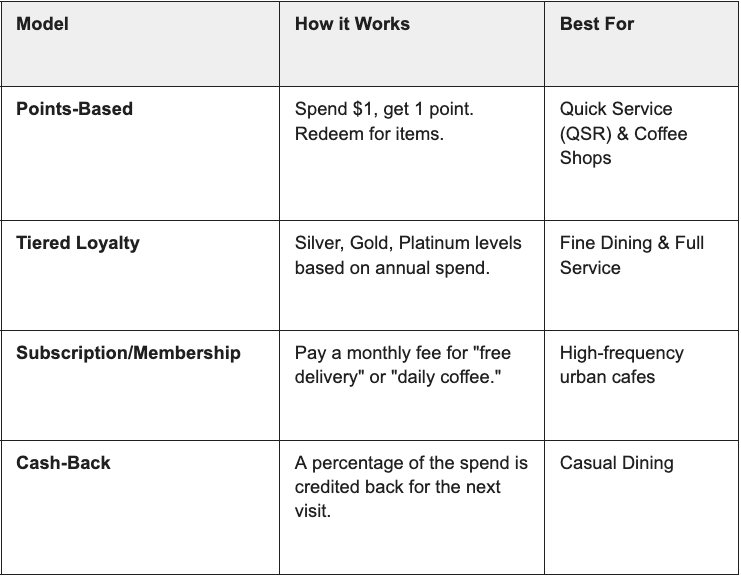
Not all loyalty programs are created equal. When building your how to start a restaurant business plan, consider which model fits your brand identity:
Beyond just "more sales," a dedicated focus on how to increase customer loyalty in restaurant settings provides:
The cost is usually two-fold: the monthly software fee (often bundled with the best pos system for restaurant packages) and the "cost of goods" for the rewards you give away. However, since loyal guests spend more, the program typically pays for itself within the first three months.
While third-party apps can bring in some new eyes, they often keep the guest data for themselves. For long-term growth, an integrated, first-party loyalty system is superior because it gives you total control over the guest relationship and marketing.
Tie staff incentives to loyalty sign-ups. If a server gets 20 new members in a week, give them a small bonus or a prime shift. If the staff doesn't believe in the program, the guests won't either.
Look at the Frequency of Visit. If your average loyalty member goes from visiting 1.2 times a month to 1.8 times a month, you have successfully increased your revenue without spending a dime on new customer acquisition.
Absolutely. In fact, small restaurants need loyalty programs more than big chains because they don't have multi-million dollar advertising budgets. Loyalty is the "Great Equalizer" in the restaurant industry.
Mastering how to increase customer loyalty in restaurant environments is a blend of art and science. It requires the "art" of hospitality—making people feel welcome—and the "science" of data—using technology to understand and reward behavior.
As you refine your how to start a restaurant business plan, remember that the guests you have today are your greatest asset for tomorrow. By investing in the right technology and focusing on personalized engagement, you can build a resilient brand that thrives on the support of a loyal community.
Ready to see how data can transform your guest relationships? Our team is here to show you how modern tools can automate your growth so you can focus on what you do best: serving great food.
[Connect with Our Team & Request a Demo →]
Cloud Based Restaurant POS Systems: What Restaurant Owners Should Know Before Choosing One
Top Restaurant POS Systems: What the Best Systems Really Do and How to Choose One That Fits Your Restaurant
Top Restaurant POS Systems Are Going Cloud-Based: Why More Restaurants Are Making the Switch
Los Angeles Restaurant Owners Roundtable — January 20
Chowbus New Feature — AI Digital Marketing
What Is the National Restaurant Association? The 2026 Insider’s Guide for Modern Operators
How Does a POS System Work in a Restaurant? A Real-World Look at Modern Restaurant Operations
What Really Matters When Choosing Best POS System for Pizza Restaurant
National Restaurant Association Show 2026: What It Is, Why It Matters, and How Restaurants Can Get Real Value
How to Boost Restaurant Sales: 7 Data-Driven Strategies for Modern Operators