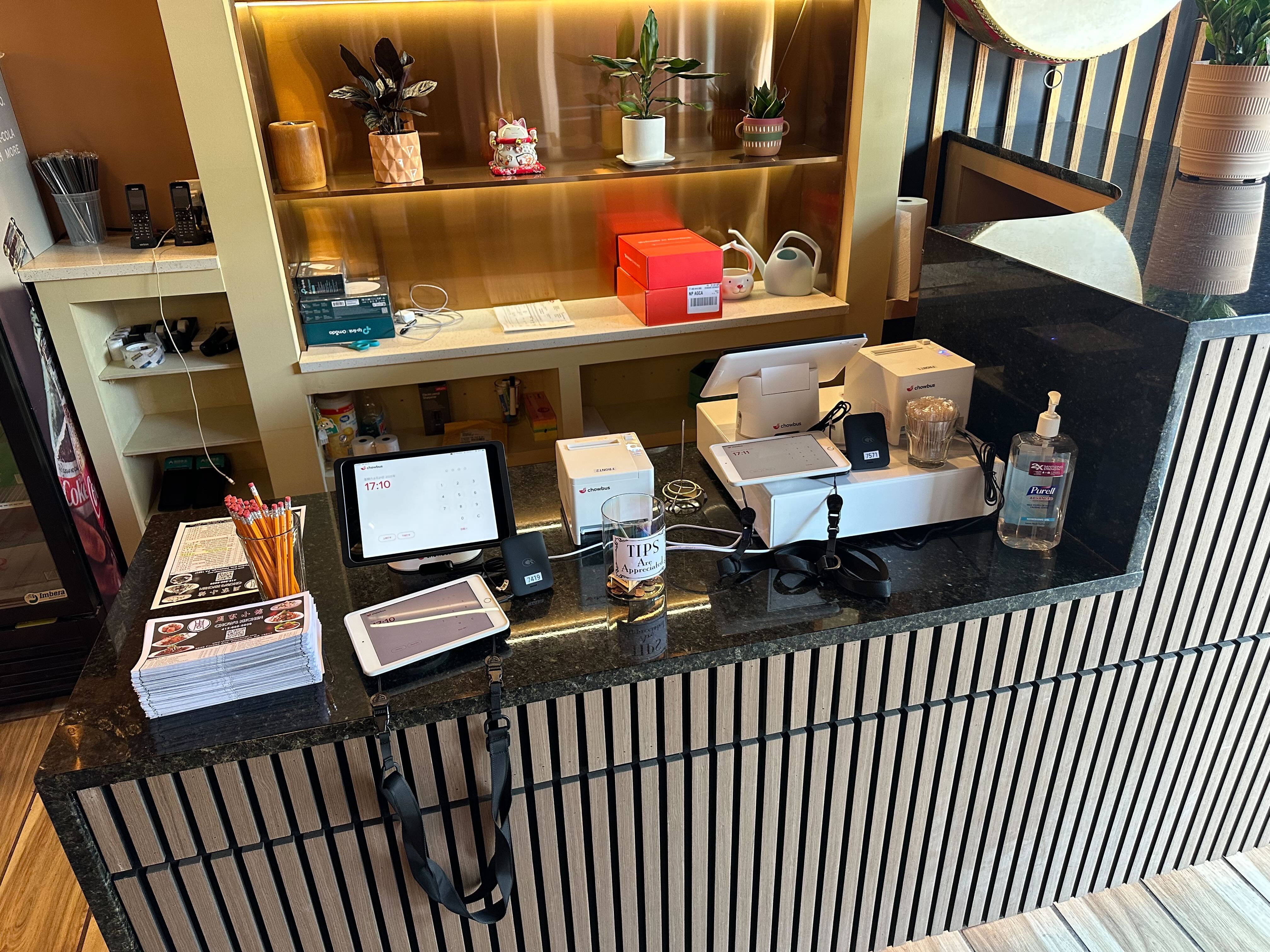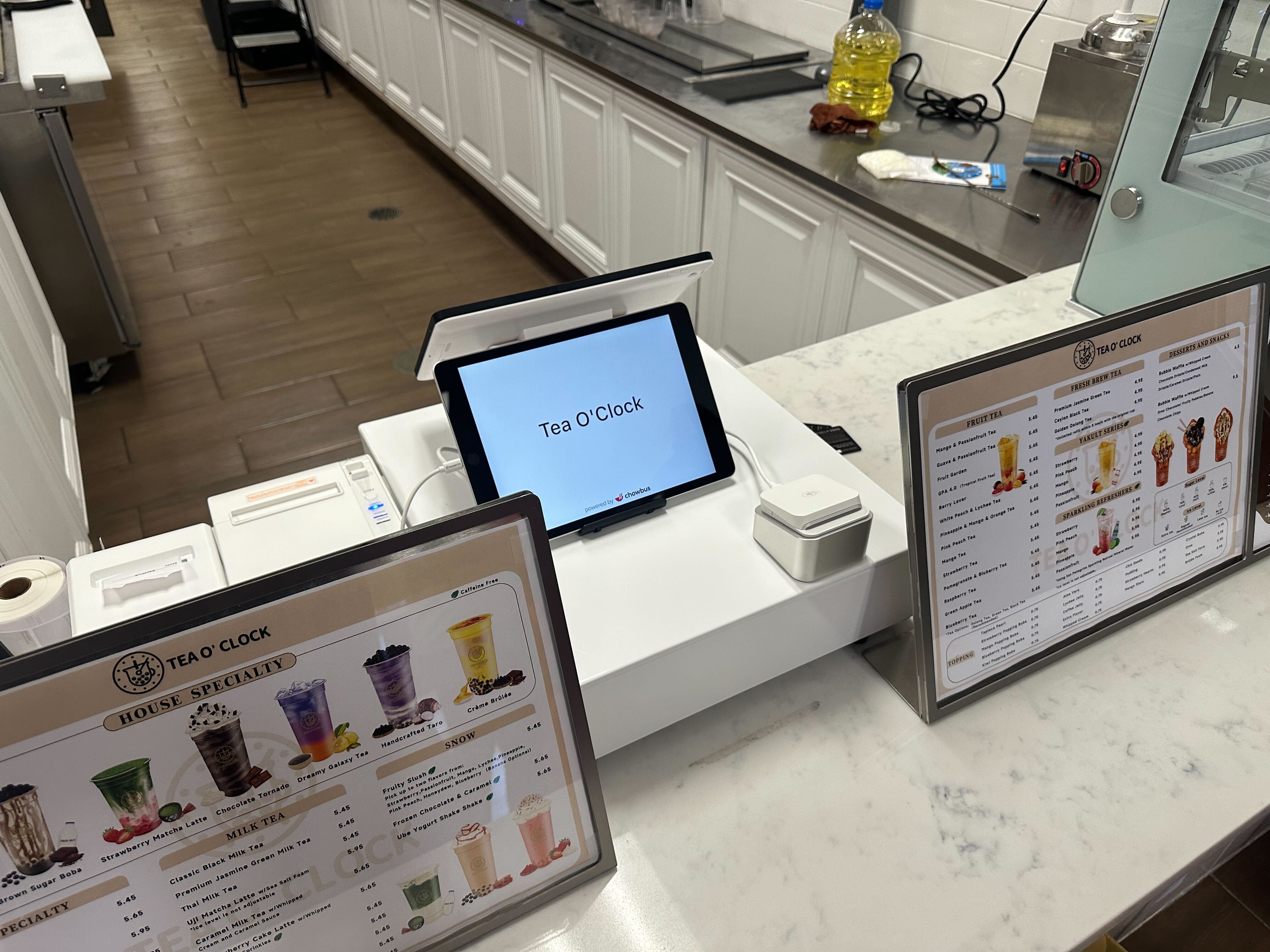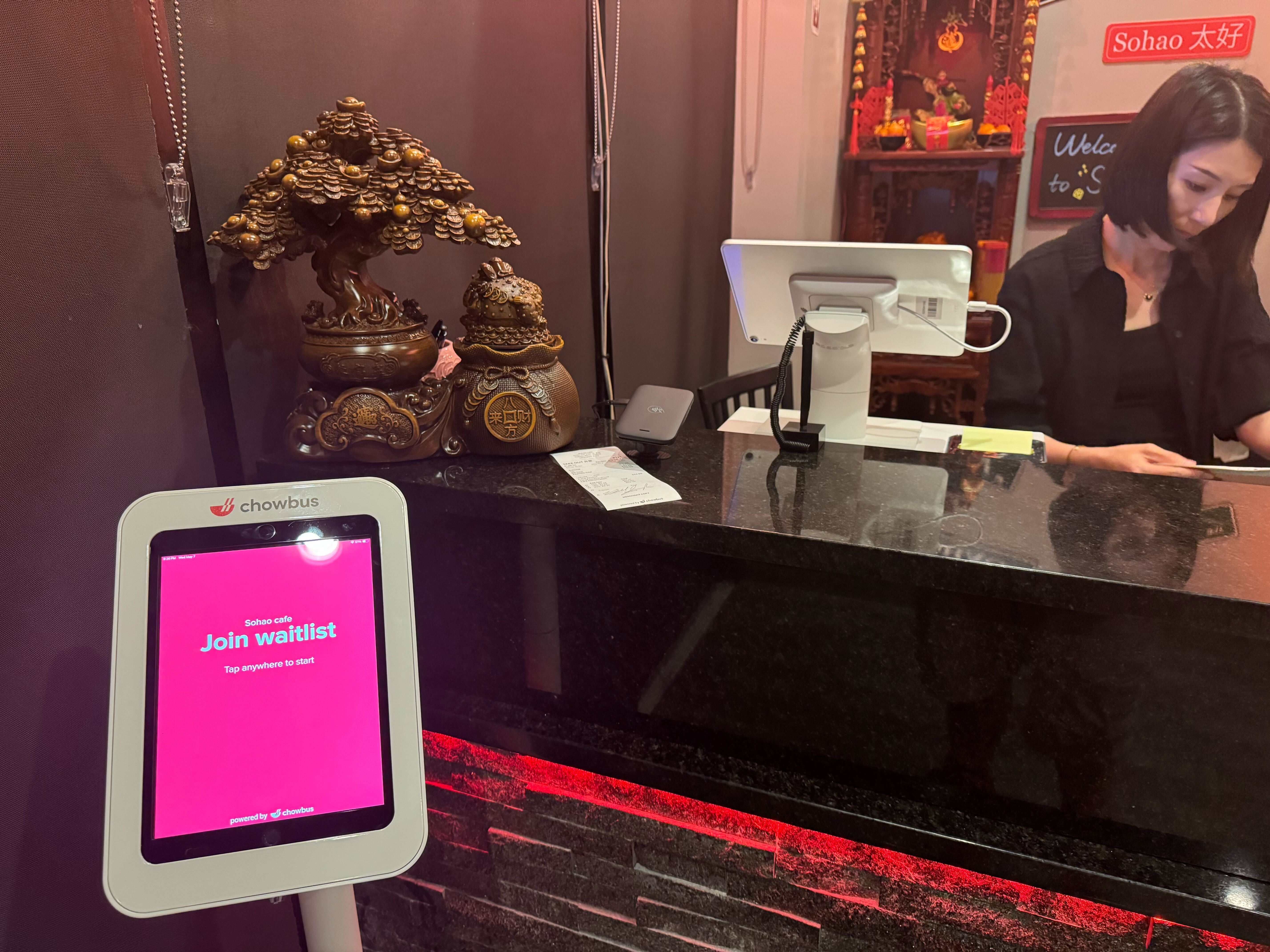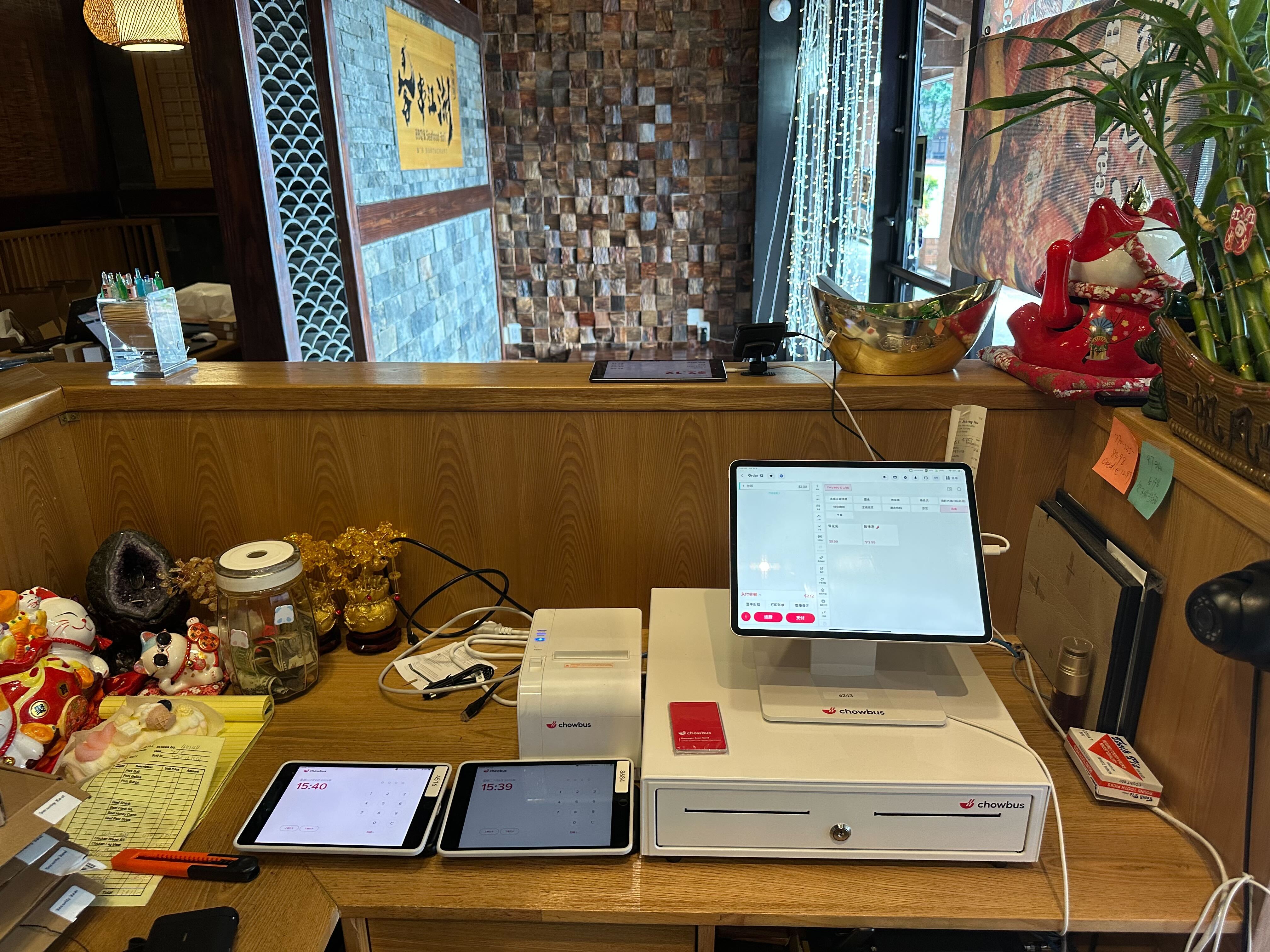
The restaurant industry has changed dramatically over the past decade. What once relied on bulky, on-premise systems locked behind the counter has evolved into flexible, connected platforms built for speed and visibility. At the center of this shift are cloud based restaurant POS systems.
Whether you’re opening your first location or scaling a multi-unit operation, choosing the right POS system plays a critical role in daily performance and long-term growth. This guide breaks down how cloud-based restaurant POS systems work, what they cost, and how they compare to traditional setups—so you can evaluate your options with confidence.
Cloud based restaurant POS systems are point-of-sale platforms that store and process restaurant data over the internet instead of on a local, physical server.
Unlike legacy systems that keep information on-site, cloud-based POS software uses secure remote servers to manage transactions, menus, inventory, and reports. This software-as-a-service (SaaS) model allows restaurant owners and operators to access real-time data from anywhere.
Whether you’re in the dining room, managing multiple locations, or checking reports from home, cloud-based systems give you a complete view of your restaurant operations without being tied to a single terminal.
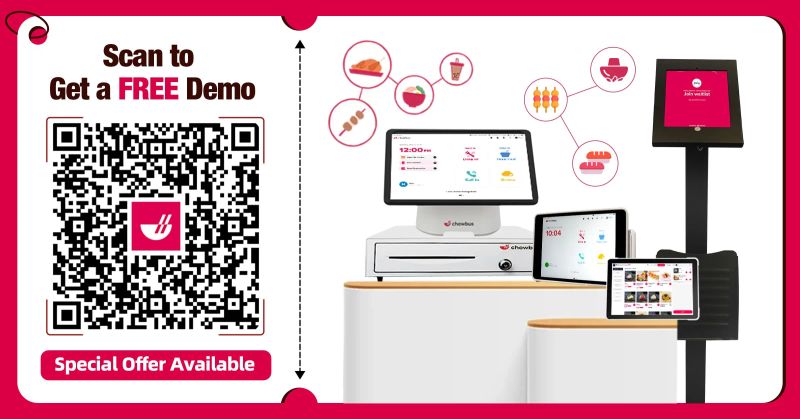
The underlying workflow of cloud based restaurant POS systems is designed to be fast, connected, and flexible.
Orders are entered through tablets, terminals, or handheld devices. Once submitted, the data is instantly transmitted to the cloud via Wi-Fi or cellular connection.
The cloud platform sends orders to the appropriate stations, such as kitchen display systems (KDS) or printers, ensuring smooth coordination between front-of-house and back-of-house teams.
Inventory levels, sales totals, and labor data update automatically. Managers can log into a web dashboard at any time to review performance or make adjustments.
This real-time synchronization is one of the biggest advantages cloud based restaurant POS systems offer over traditional setups.
When reviewing a list of POS systems for restaurants, it’s important to focus on features that support real-world workflows—not just basic payment processing.
A strong cloud-based POS should handle floor plans, seat-based ordering, modifiers, and split checks without friction. Smooth communication between servers and the kitchen reduces errors and speeds up service.
Many cloud based restaurant POS systems track inventory automatically as items are sold. Low-stock alerts and ingredient-level deductions help control food costs and reduce waste.
Built-in tools for clock-ins, permissions, and performance tracking make it easier to control labor costs and manage schedules across shifts or locations.
Modern restaurants rely on more than just dine-in traffic. The best systems support online ordering and tablet ordering within a unified workflow, so orders flow directly into the same kitchen process.
Advanced reporting gives operators insight into sales trends, peak hours, menu performance, and customer behavior—all accessible remotely.
Restaurants move to cloud-based POS platforms for more than just convenience.
You’re no longer limited to checking reports from a back-office computer. Cloud access means better visibility and faster decisions.
Software updates happen in the background, reducing downtime and eliminating the need for on-site IT support.
Adding terminals, handheld POS systems for restaurants, or even new locations is far easier with a cloud-based setup.
Data is stored in professionally managed data centers with redundancy and encryption, protecting your business from hardware failure or loss.
Without the need for expensive local servers, cloud based restaurant POS systems typically require less upfront capital.
Full-service restaurants benefit from tableside ordering, real-time kitchen communication, and flexible payment workflows.
Speed-focused concepts use cloud POS systems for line-busting, mobile ordering, and high-volume transaction handling.
A small restaurant POS system often prioritizes simplicity, affordability, and easy setup—areas where cloud-based platforms excel.
With no traditional front counter, these operations rely heavily on online ordering integrations and centralized kitchen workflows.
When comparing options, the difference between cloud-based and legacy systems is significant.

Most cloud based restaurant POS systems include offline functionality, allowing orders and payments to continue until connectivity is restored.
Yes. Leading providers use bank-level encryption and redundant backups, often making cloud storage safer than local servers.
Many systems support standard tablets and devices, though some providers require approved hardware for support and security reasons.
Cloud systems typically deploy faster than legacy POS platforms. Setup often takes days, not weeks.
Many modern POS platforms include online ordering or integrate directly with it, keeping orders and inventory synced.
With so many options available, choosing among cloud based restaurant POS systems comes down to aligning technology with your operational needs. Consider mobility, reporting depth, scalability, and total cost—not just monthly pricing.
A well-chosen system doesn’t just process payments; it supports smarter decisions, smoother workflows, and long-term growth.
If you’re exploring cloud based restaurant POS systems and want to see how modern platforms support real restaurant operations, our team can walk you through the options and help you find the right fit.
Request a demo or talk with our team to see how cloud technology can support your restaurant’s next stage of growth.