In 2026, the American restaurant industry has moved past the era of "digitizing for the sake of it." Today, efficiency is the only way to protect margins against rising food costs and a complex labor market. For most operators, the most significant bottleneck isn't the kitchen's speed—it’s the friction in how an order moves from a guest’s mind to the chef's ticket.
A modern restaurant ordering system is no longer just a digital menu or a cash register; it is the command center of your entire operation. It bridges the gap between the front-of-house hospitality and back-of-house execution, ensuring that whether a guest is sitting at your bar or ordering from their couch, the experience remains seamless.
Not long ago, a restaurant order system was a stationary terminal where servers queued up to punch in tickets. That model created a physical barrier to service. In 2026, we’ve transitioned to an "ecosystem" approach.
A professional restaurant ordering system software suite now integrates every possible intake channel. It manages restaurant food ordering system requests from your website, restaurant qr code ordering system scans from the table, and even voice ordering for restaurants—all in one centralized cloud database.
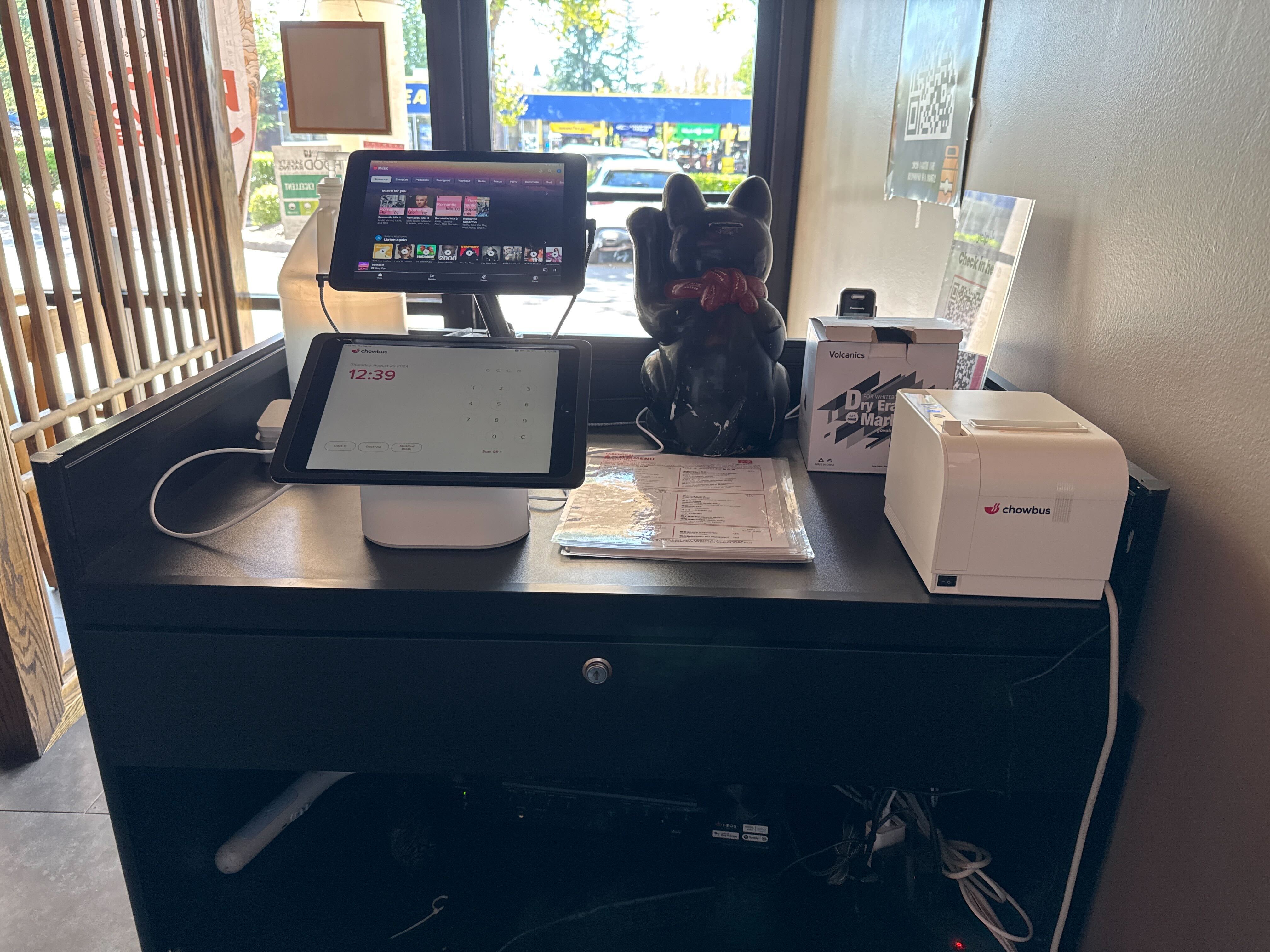
The rise of tablet based restaurant ordering system setups has changed the floor dynamics. Instead of a server walking back and forth to a terminal (the "server shuffle"), a restaurant ipad ordering system stays in their hand. This allows for real-time communication with the kitchen and more time spent engaging with guests.
The goal of modern restaurant ordering technology is to remove the "middleman" steps that lead to errors.
When you are auditing restaurant ordering systems, don't just look at the price tag. Look at the workflow impact.
A restaurant tablet ordering system should be lightweight and intuitive. Servers using restaurant tablet ordering can close checks 20% faster, allowing you to turn tables during a busy Friday night without rushing the guest.
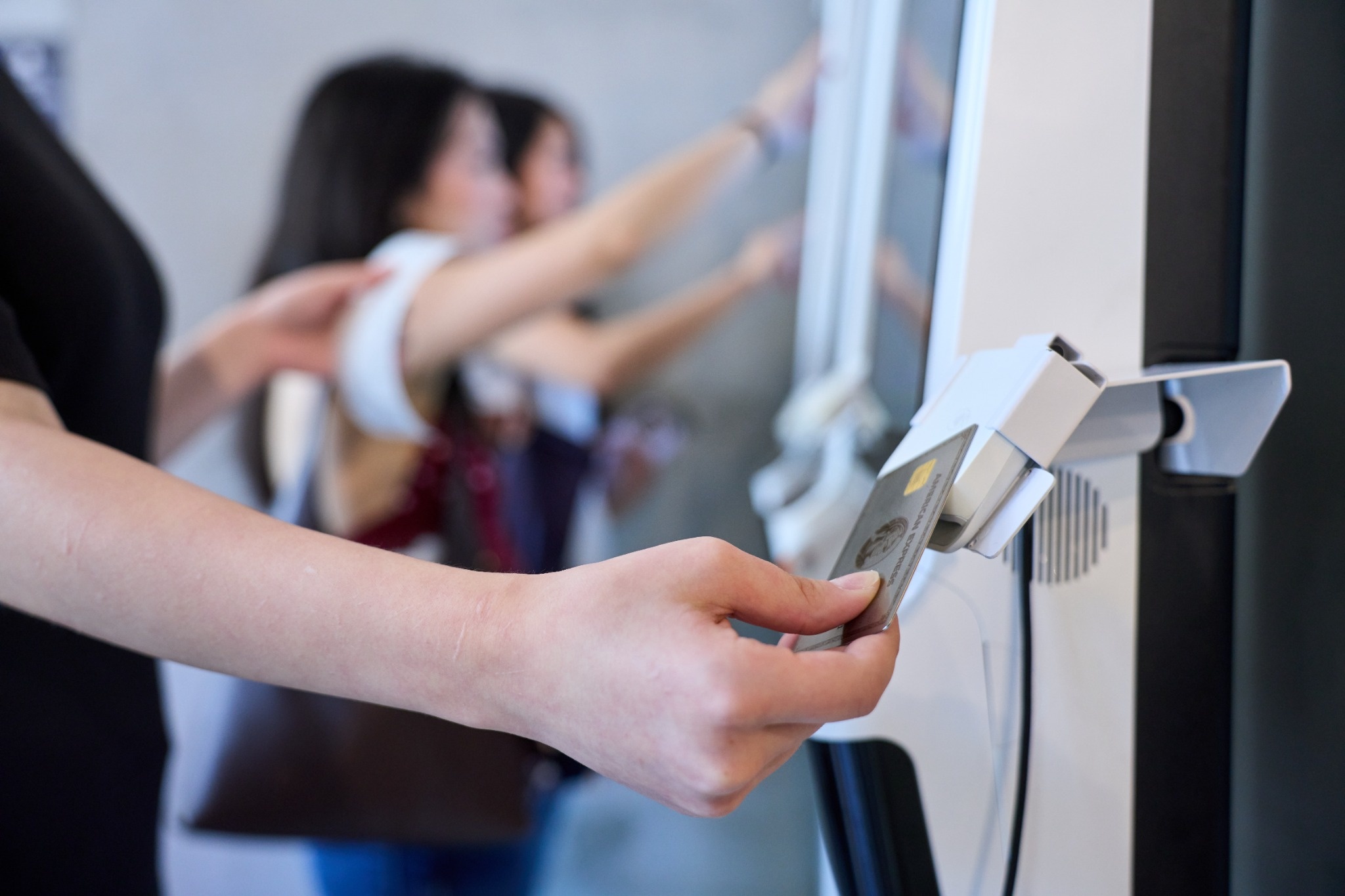
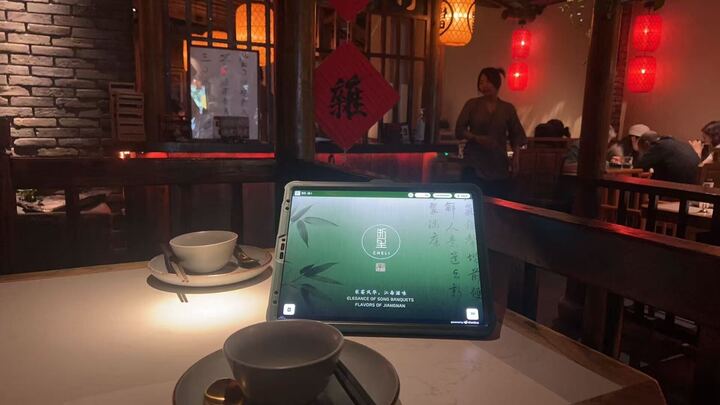
The restaurant table ordering system has evolved. By using a restaurant qr code ordering system, you empower the guest to order their second round of drinks or a dessert without waiting for a server. This isn't just a "self-service" tool; it’s a revenue generator.
A restaurants online ordering system that you own is vital. When your restaurant website with online ordering is synced directly with your POS, you stop paying 30% commissions to third-party apps and start building your own customer database.
Tired of Lagging Tech and Misplaced Tickets?
If your team is still fighting with old hardware or manual entries, you're leaving money on the table. Discover how a unified restaurant order system can sharpen your service and boost your bottom line.
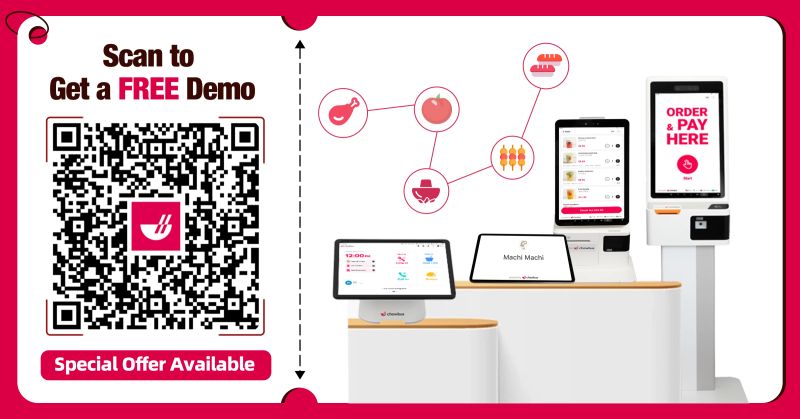
See Our Ordering Solutions in Action
Investing in high-end restaurant order software isn't an expense; it's an investment in your P&L.
When evaluating a restaurant ordering system, prioritize connectivity and "Offline Mode." Even the best cloud based restaurant ordering system is only useful if it works when the Wi-Fi blinks.
Ensure your restaurant phone ordering system and in-house tablets share a single source of truth. If a menu item runs out, it should be marked "86" across all restaurant ordering tablets and your website simultaneously.
Q1: Is a tablet-based restaurant ordering system reliable for high-volume bars?
Yes. In fact, they are preferred. Handheld restaurant ordering tablets allow bartenders to move along the rail, taking orders and processing payments instantly, which significantly reduces the "bottleneck" at the fixed terminal.
Q2: Will a restaurant qr code ordering system replace my servers?
No. It assists them. It handles the "administrative" part of the job—taking the order and processing the payment—so your servers can focus on the "hospitality" part, like describing specials and checking on guest satisfaction.
Q3: How much does a modern restaurant order system cost?
Costs vary based on the number of terminals and features, but most restaurant ordering software is now subscription-based. The efficiency gains usually cover the monthly cost within the first week of operation.
Q4: Can I use my own hardware for a restaurant ipad ordering system?
Many modern order system for restaurants providers (like Chowbus) support standard iPads, though purpose-built ruggedized tablets are often recommended for the heat and spills of a commercial kitchen.
Q5: What is the learning curve for staff?
Most restaurant tablet ordering interfaces are designed like consumer apps. If your staff can use a smartphone, they can master a tablet based restaurant ordering system in a single shift.
By 2026, the "best" restaurants won't be defined just by their food, but by how smoothly they operate. A unified restaurant ordering system is the foundation of that success. It’s about giving your staff the tools to be faster and your guests the convenience they now expect.
Ready to streamline your workflow?
Don't let clunky, outdated systems slow down your growth. Let’s talk about how the latest restaurant ordering technology can help you reclaim your time and your margins.
Top Restaurant POS Systems Are Going Cloud-Based: Why More Restaurants Are Making the Switch
Los Angeles Restaurant Owners Roundtable — January 20
Chowbus New Feature — AI Digital Marketing
What Is the National Restaurant Association? The 2026 Insider’s Guide for Modern Operators
How Does a POS System Work in a Restaurant? A Real-World Look at Modern Restaurant Operations
What Really Matters When Choosing Best POS System for Pizza Restaurant
National Restaurant Association Show 2026: What It Is, Why It Matters, and How Restaurants Can Get Real Value
How to Boost Restaurant Sales: 7 Data-Driven Strategies for Modern Operators
Beyond the Punch Card: How to Increase Customer Loyalty in Restaurant Settings for Long-Term Growth
Blueprint for Success: How to Start a Restaurant Business Plan in 2026