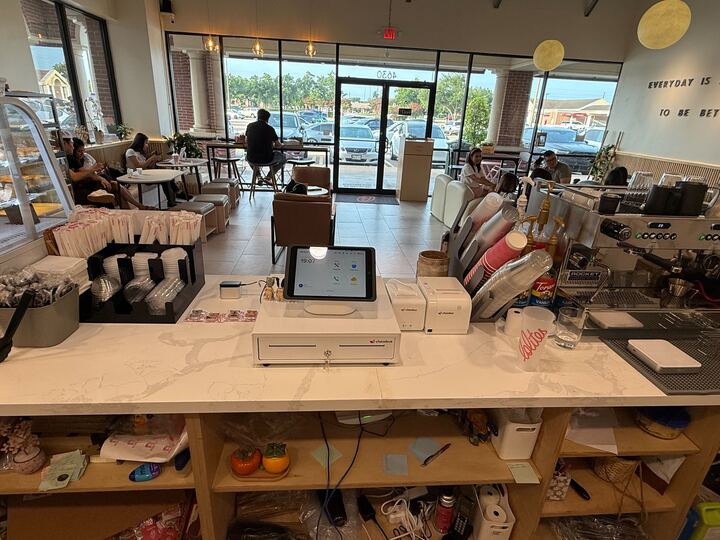
Starting a restaurant business is often described as a dream—but operators who’ve been through it know it’s closer to a stress test. Long hours, thin margins, staffing challenges, and rising costs mean that even great food isn’t enough.
According to the National Restaurant Association, nearly 60% of restaurants fail within the first year, and close to 80% don’t make it past five years. The most common reason isn’t location or cuisine—it’s operational misalignment.
This guide breaks down how to start a restaurant business from an operator’s perspective, focusing on systems, decision-making, and structure—not just opening-day checklists.
Many first-time owners think opening a restaurant is about recipes and branding. In reality, it’s about building repeatable operations.
A sustainable restaurant business requires:
Restaurants that treat operations as an afterthought often struggle to scale—or even survive.
Before leases or permits, define a concept you can realistically operate.
Ask yourself:
For example:
Your concept determines everything from staffing to the type of restaurant management system you’ll need.
New owners often ask, “What do I need to start a restaurant?”
The answer goes beyond licenses and equipment.
At minimum, successful restaurants plan for:
The NRA’s 2024 Operations Report shows that restaurants using integrated management systems report lower order error rates and better labor cost control compared to manual setups.
Many restaurants fail not because they lack customers—but because they lack structure.
Critical early decisions include:
Cloud-based restaurant management software helps centralize these workflows, allowing owners to see what’s happening in real time—even off-site.
Curious how modern restaurant management systems support daily operations in real kitchens?
See how integrated ordering and management workflows actually work.
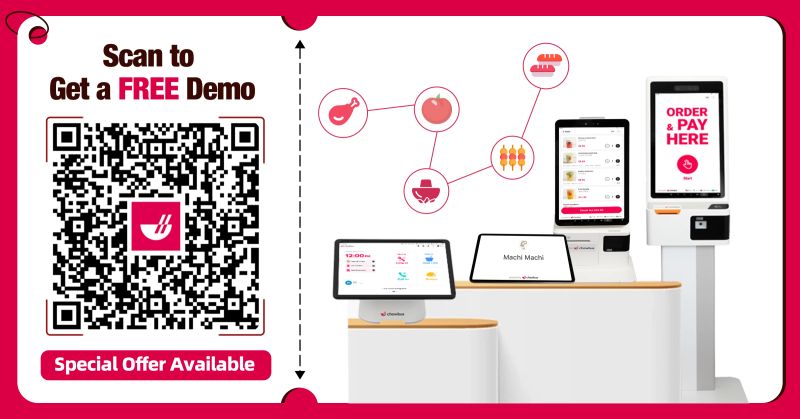
Delaying technology choices often leads to:
Modern restaurant management POS systems combine:
According to a Toast industry survey, restaurants using digital ordering and integrated POS systems saw higher order accuracy and faster service times, especially in quick service environments.
A typical system connects:
This allows operators to manage the business without being physically present 24/7.
Operational consistency
Standardized workflows reduce training time and mistakes.
Better cost control
Real-time data helps manage food waste and labor overspend.
Faster decisions
Owners can spot trends before problems grow.
Scalable growth
Systems built for scale make expansion less painful.
When comparing systems, focus on:
Technology should simplify operations—not add complexity.
1. How much money do I need to start a restaurant?
Costs vary widely, but streamlined operations and digital-first models reduce upfront investment.
2. Can I start a restaurant with no money?
Pop-ups and delivery-first concepts lower initial barriers but still require planning.
3. What makes restaurants profitable long-term?
Strong operations, cost control, and consistent execution—not just popularity.
4. Should I invest in management software early?
Yes. Early structure prevents expensive fixes later.
5. What’s the biggest mistake new owners make?
Trying to “figure it out later” instead of building systems upfront.
Learning how to start a restaurant business isn’t about copying someone else’s playbook. It’s about understanding operations, choosing the right tools, and building a system that works under pressure.
Restaurants that succeed long-term are rarely lucky—they’re structured.
If you’re planning to open or scale a restaurant,
talk with our team or request a demo to explore how integrated restaurant management systems support real-world operations.
How Does a POS System Work in a Restaurant? A Real-World Look at Modern Restaurant Operations
What Really Matters When Choosing Best POS System for Pizza Restaurant
National Restaurant Association Show 2026: What It Is, Why It Matters, and How Restaurants Can Get Real Value
How to Boost Restaurant Sales: 7 Data-Driven Strategies for Modern Operators
Beyond the Punch Card: How to Increase Customer Loyalty in Restaurant Settings for Long-Term Growth
Blueprint for Success: How to Start a Restaurant Business Plan in 2026
How the Right Restaurant Ordering System Drives Growth in 2026
National Restaurant Association Show Exhibitor List: Navigating NRA 2026 for Success
How to Reach New Restaurant Customers: Practical, Proven Strategies That Actually Work
How Modern Restaurants Choose the Best Restaurant Ordering System to Grow