Opening a restaurant is often a labor of love, but staying open is a feat of disciplined management. In the fast-paced American culinary market of 2026, the difference between a thriving local staple and a "Closed" sign often comes down to the quality of the initial strategy.
If you are wondering how to start a restaurant business plan, you are already ahead of the curve. A business plan is more than just a document for bank loans; it is your operational North Star. It helps you navigate the complexities of rising food costs, labor shortages, and the ever-growing demand for digital integration.
At its core, a restaurant business plan is a comprehensive roadmap that outlines your concept, target market, financial projections, and operational strategy. It translates your culinary vision into a viable business model.
In today’s landscape, a modern plan must address more than just the menu. It needs to account for the "omnichannel" reality—how you will manage dine-in, takeout, and delivery while maintaining profitability.
This is your "elevator pitch." While it appears first, many operators write it last. It should summarize the concept, the unique selling proposition (USP), and the projected financial return.
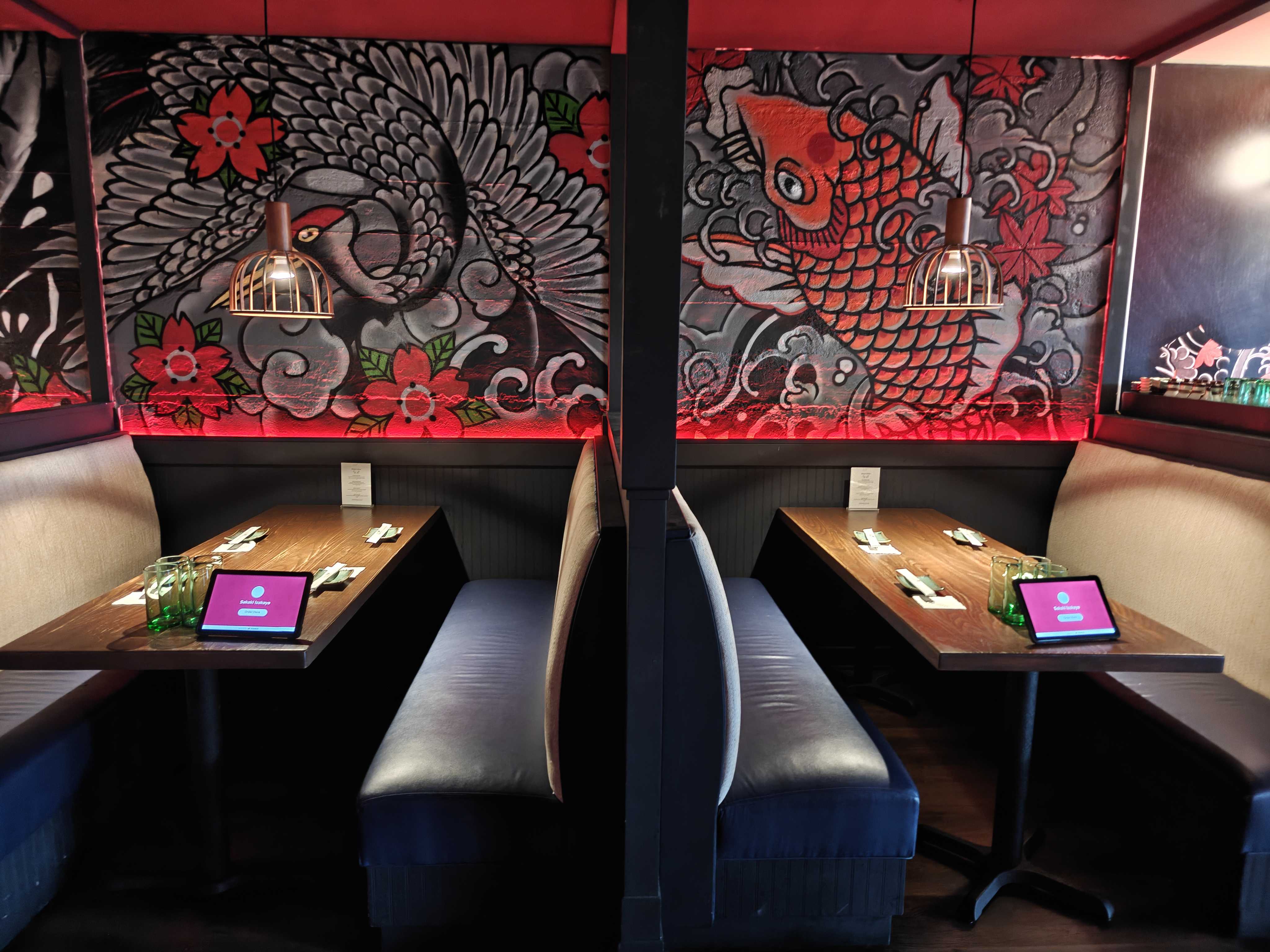
Define your "why." Is it a fast-casual poke shop or a high-end fusion bistro? This section should also touch upon your interior design and service style.
Who are your customers? More importantly, how to increase customer loyalty in restaurant settings once they arrive? Your plan should outline:
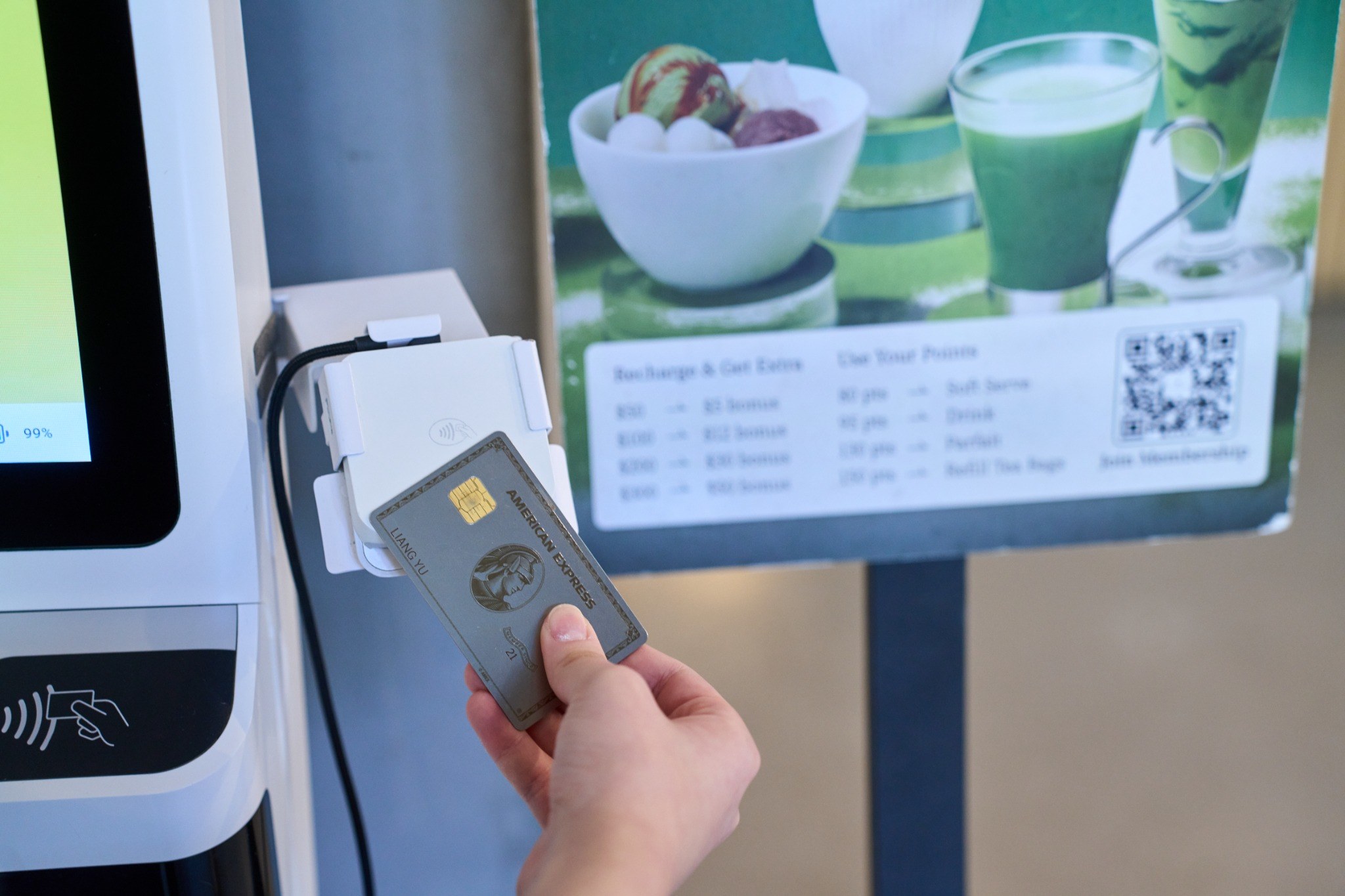
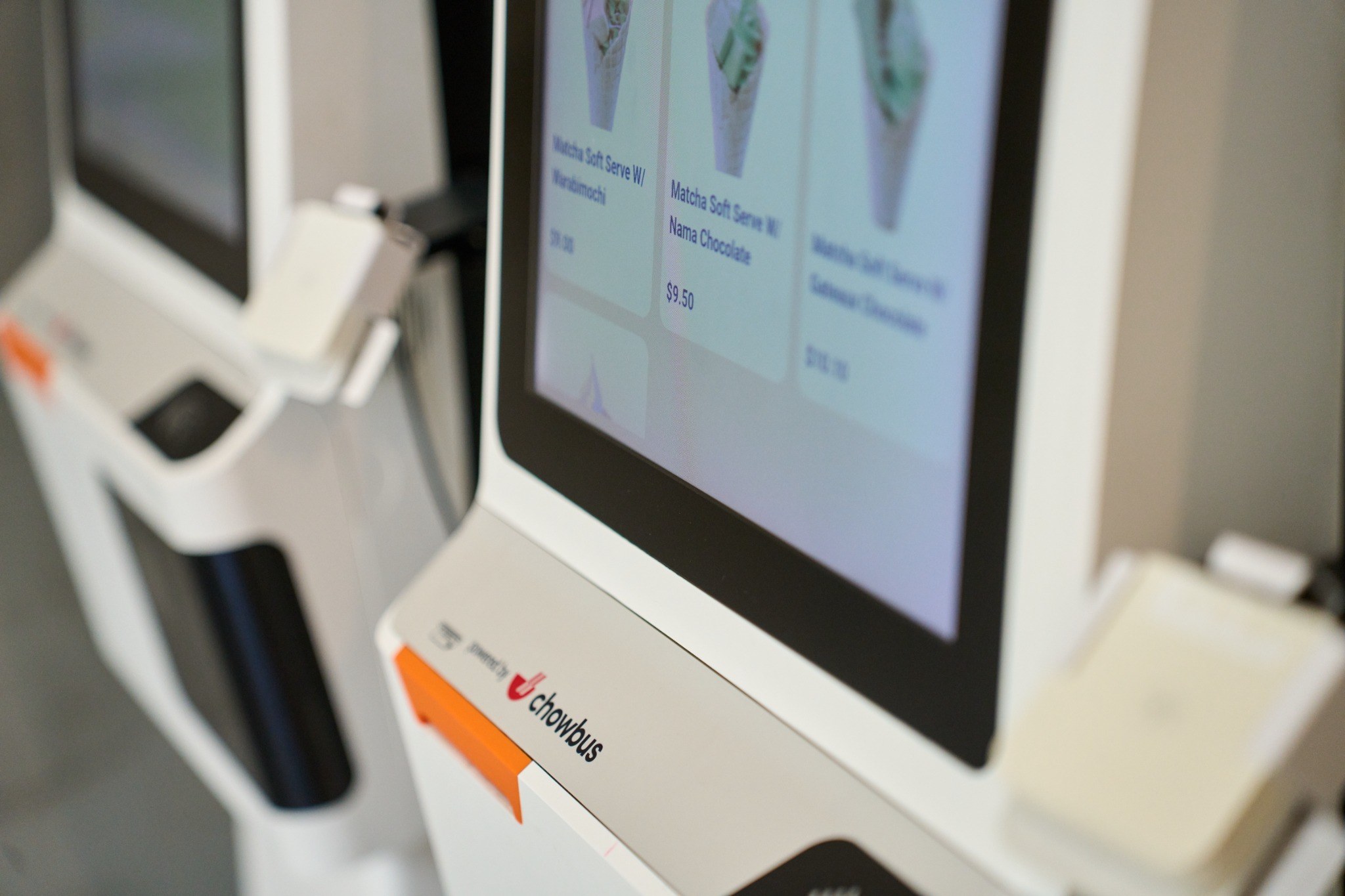
This is the "how-it-works" section. You need to detail your staffing requirements, supplier relationships, and technology. Integration is key here. Proposing the best pos system for restaurant management—one that handles inventory, payroll, and QR code ordering—shows investors you are planning for a modern, lean operation.
Build Your Tech Foundation Early
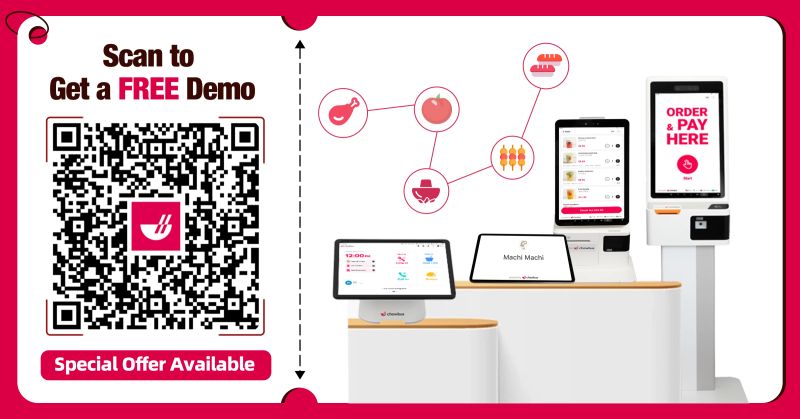
Don't let outdated hardware slow down your dream. Discover how an all-in-one POS system can streamline your operations and provide the data you need for your business plan.
See the Pos System in Action
The most scrutinized part of any plan is the financial projection. You must be prepared to answer: how much does a restaurant cost to run monthly?
When calculating how much cost to open a restaurant, you must factor in:
A healthy business plan typically projects a "Break-Even Analysis," showing exactly when the restaurant will start generating profit. In 2026, aiming for a 15-20% profit margin is standard for high-performing independent restaurants.
While there is no set rule, a professional plan is typically 20 to 50 pages. It should be concise enough to read but detailed enough to cover all financial risks.
On average, for a mid-sized lease in a US metro area, costs can range from $250,000 to $500,000. However, "ghost kitchens" or smaller QSR models can be started for significantly less.
The Financial Projections and the Cash Flow Statement. Investors want to know that you have enough "runway" to survive the first six months of operation.
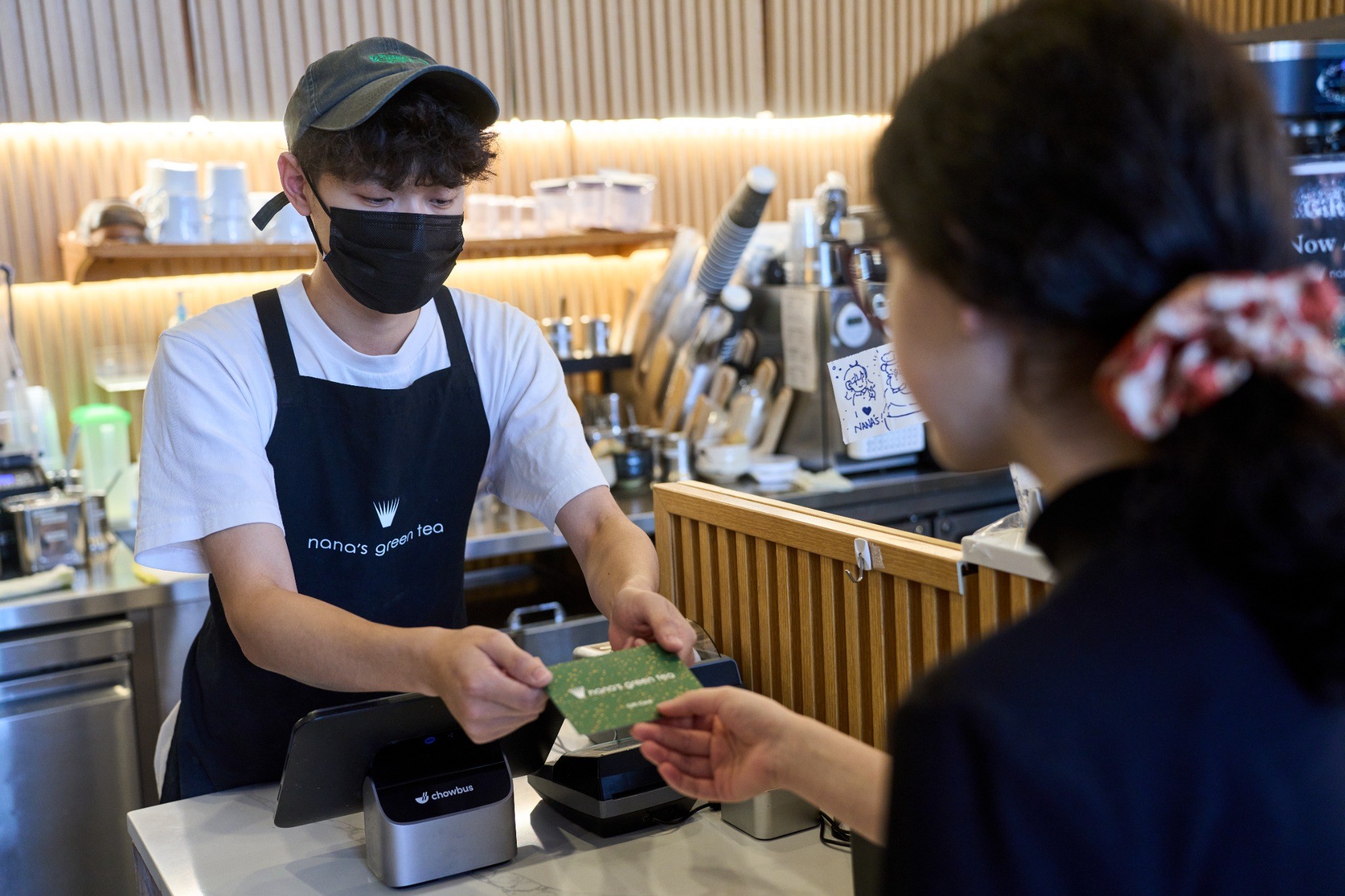
Focus on retention. Include a section on how to increase customer loyalty in restaurant operations. Regulars are 5x cheaper to serve than acquiring new customers.
Because the best pos system for restaurant management acts as your central database. It controls your labor costs and inventory—the two biggest expenses in your business.
Learning how to start a restaurant business plan is the first major milestone of your journey as a restaurateur. By taking the time to analyze your market, calculate how much does a restaurant cost, and plan your marketing strategy, you are building a foundation that can withstand market volatility.
Remember, a business plan is a living document. As you grow and gather data from your guests, you should revisit and refine your strategies to ensure your restaurant remains a beloved part of the community for years to come.
Ready to simplify your restaurant management? Our team helps owners launch with confidence by providing the smartest tools for the modern kitchen.
Book a Free Restaurant POS Demo & Consult with Our Team Today →
Top Restaurant POS Systems: What the Best Systems Really Do and How to Choose One That Fits Your Restaurant
Top Restaurant POS Systems Are Going Cloud-Based: Why More Restaurants Are Making the Switch
Los Angeles Restaurant Owners Roundtable — January 20
Chowbus New Feature — AI Digital Marketing
What Is the National Restaurant Association? The 2026 Insider’s Guide for Modern Operators
How Does a POS System Work in a Restaurant? A Real-World Look at Modern Restaurant Operations
What Really Matters When Choosing Best POS System for Pizza Restaurant
National Restaurant Association Show 2026: What It Is, Why It Matters, and How Restaurants Can Get Real Value
How to Boost Restaurant Sales: 7 Data-Driven Strategies for Modern Operators
Beyond the Punch Card: How to Increase Customer Loyalty in Restaurant Settings for Long-Term Growth