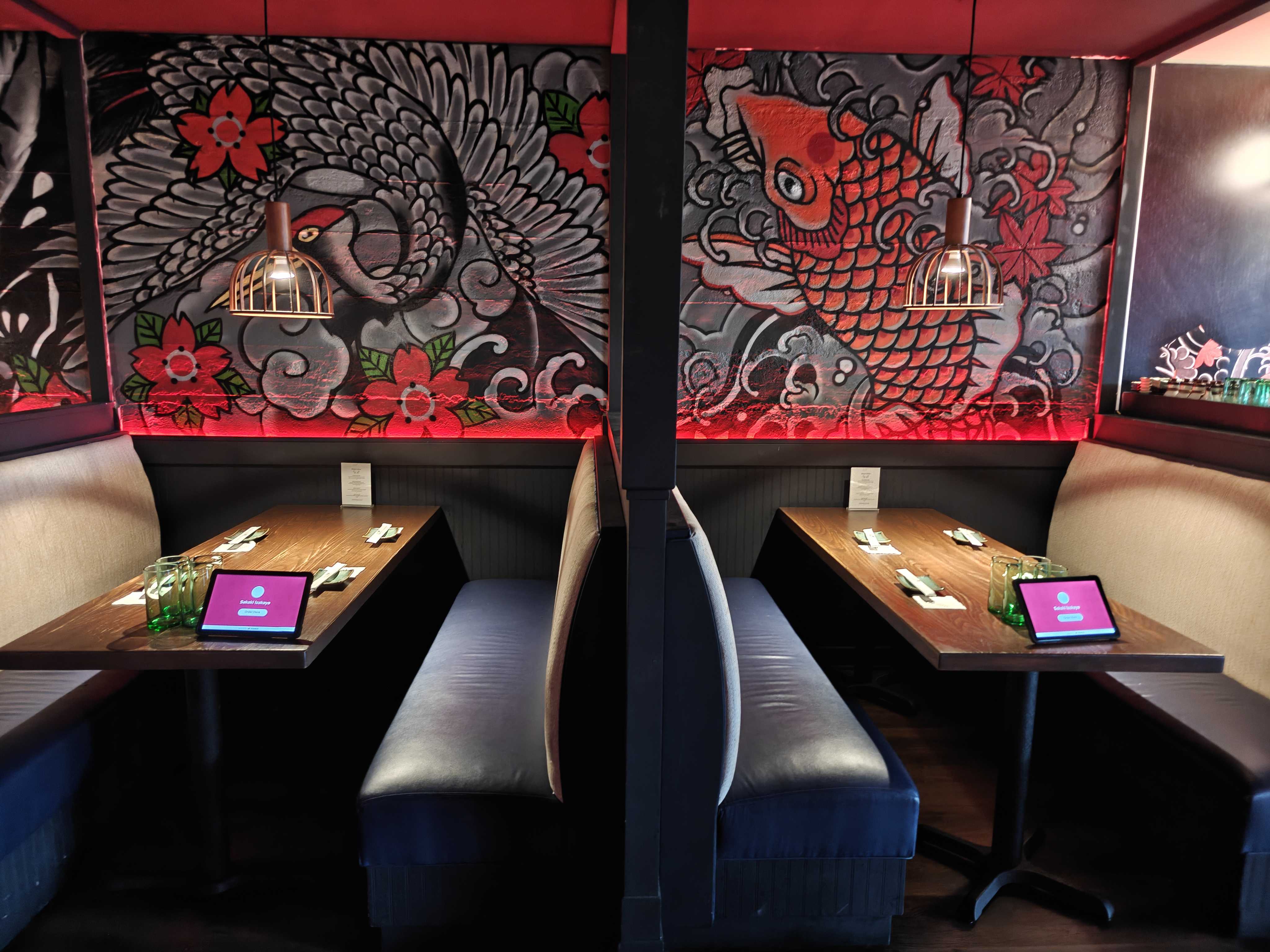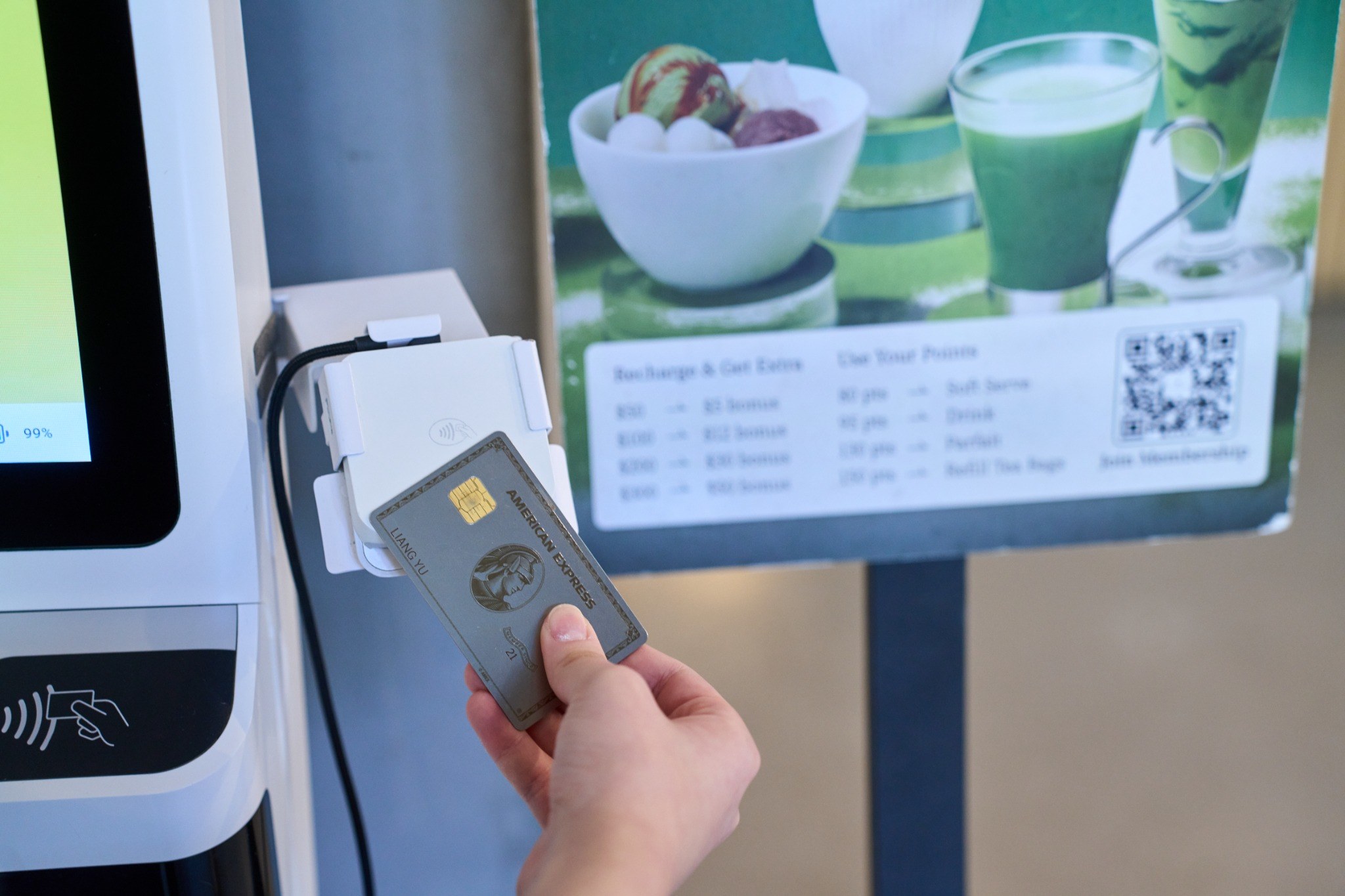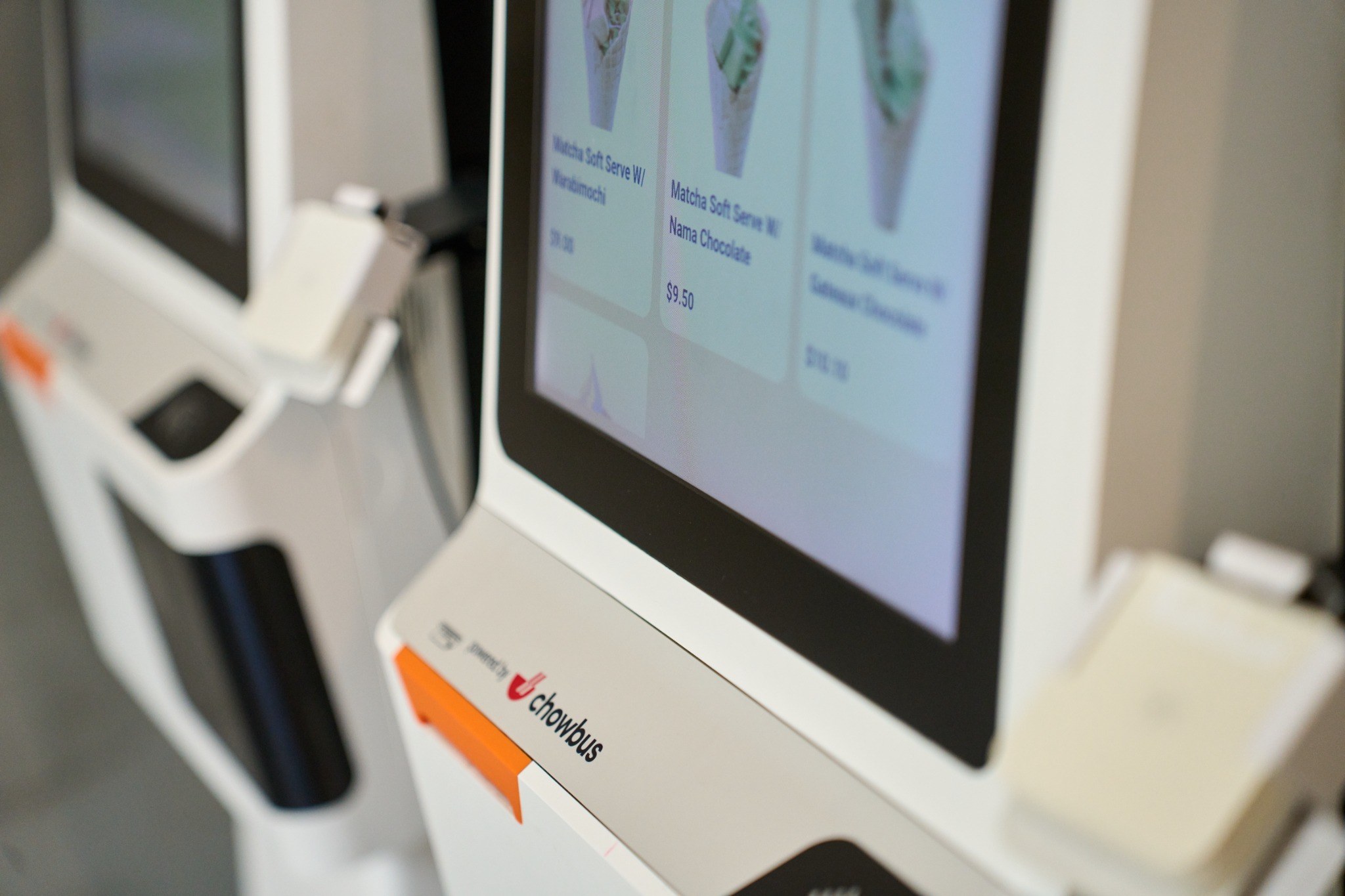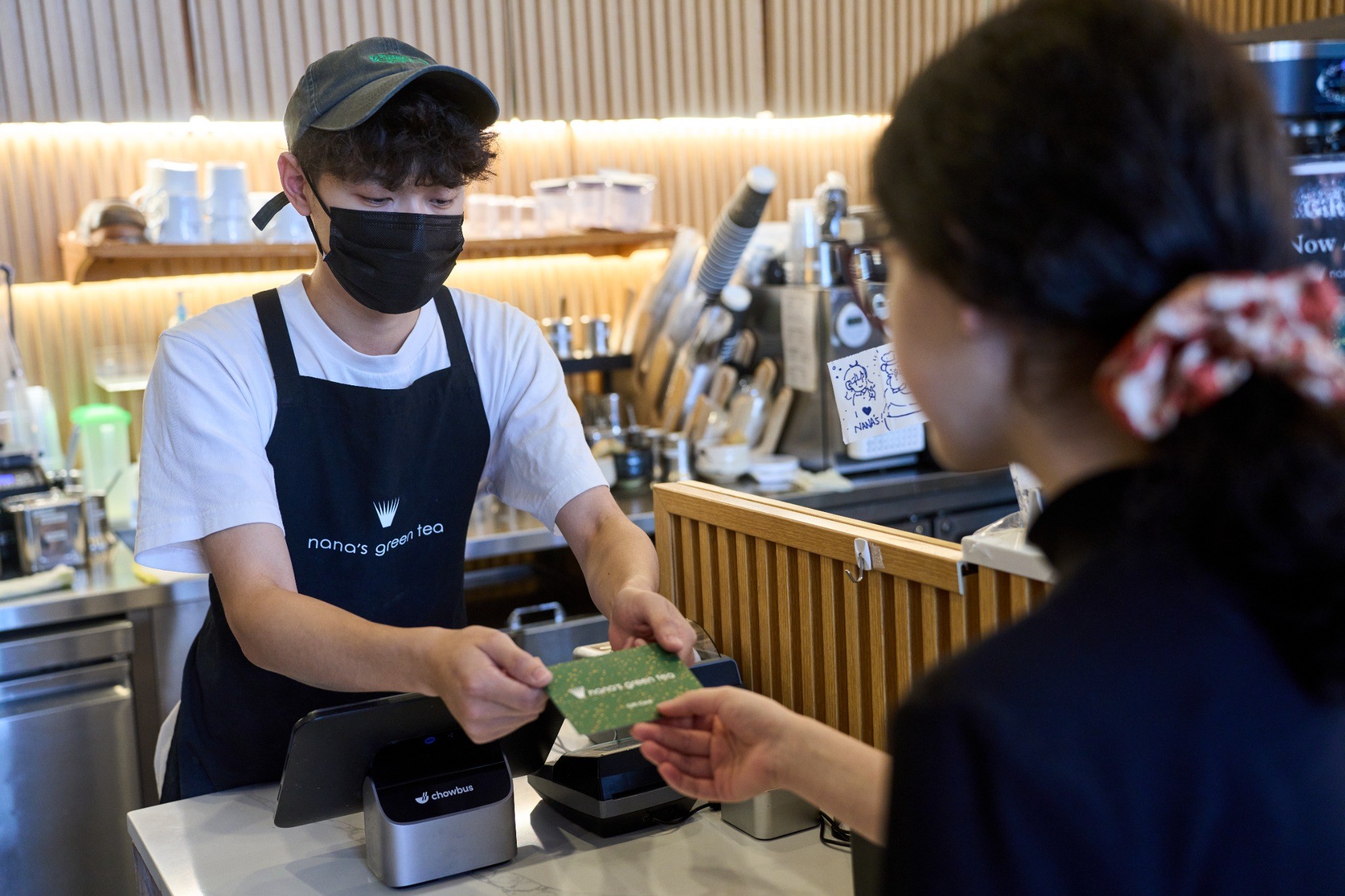
Over the past few years, the way customers order food has changed dramatically. Dine-in, takeout, delivery, QR code ordering, and mobile apps are no longer “nice-to-have” options—they are basic expectations.
Industry studies consistently show that restaurants adopting digital ordering systems experience higher order accuracy, faster service speed, and increased average order value. However, many operators discover that not all systems deliver the same operational impact.
Choosing the best restaurant ordering system today isn’t about picking the one with the longest feature list—it’s about selecting a system that fits your restaurant’s real-world workflow.
A restaurant ordering system is a digital solution that enables customers to place orders through multiple channels—such as QR codes, tablets, online ordering pages, or mobile apps—while syncing orders directly with the POS and kitchen.
Modern restaurant ordering systems go beyond basic order entry. They centralize menu management, modifiers, payments, customer data, and operational reporting into one connected platform.
In daily operations, a restaurant ordering system typically connects three key areas:
Customers place orders through QR code menus, tablets, or online ordering apps, reducing wait times and staff workload.
Orders are automatically routed to the POS and kitchen display system, minimizing manual entry and reducing errors.
Payments are processed digitally, while sales and customer behavior data are recorded for reporting and optimization.
When these elements work together seamlessly, restaurants operate more efficiently with fewer disruptions.
Curious how a modern restaurant ordering system fits into your daily operations?
Learn how it works in real restaurant environments.
When evaluating different restaurant ordering systems, focus on features that support long-term growth:
Restaurants using integrated ordering systems often see:
These benefits directly impact profitability and customer satisfaction.
Restaurant ordering systems are widely used across:
Each use case places different importance on flexibility, scalability, and ease of use.
Instead of comparing feature checklists, ask practical questions:
Is a restaurant ordering system worth the investment?
For most restaurants, yes—especially those looking to improve efficiency and customer experience.
Can ordering systems replace staff?
They reduce repetitive tasks but work best alongside trained employees.
Do customers prefer QR code ordering?
Many customers value speed and convenience when QR ordering is implemented thoughtfully.
How long does setup usually take?
Most modern systems can be deployed in days, not months.
Can one system manage multiple locations?
Yes, many restaurant ordering systems are built for multi-location management.
Ready to explore how the right restaurant ordering system fits your operation?
Talk to our team or request a demo to see it in action.
What Is the National Restaurant Association? The 2026 Insider’s Guide for Modern Operators
How Does a POS System Work in a Restaurant? A Real-World Look at Modern Restaurant Operations
What Really Matters When Choosing Best POS System for Pizza Restaurant
National Restaurant Association Show 2026: What It Is, Why It Matters, and How Restaurants Can Get Real Value
How to Boost Restaurant Sales: 7 Data-Driven Strategies for Modern Operators
Beyond the Punch Card: How to Increase Customer Loyalty in Restaurant Settings for Long-Term Growth
Blueprint for Success: How to Start a Restaurant Business Plan in 2026
How the Right Restaurant Ordering System Drives Growth in 2026
National Restaurant Association Show Exhibitor List: Navigating NRA 2026 for Success
How to Reach New Restaurant Customers: Practical, Proven Strategies That Actually Work