So, you want to open a restaurant. You’ve spent nights perfecting your signature sauce and years envisioning the perfect lighting in your dining room. But when you sit down with a blank spreadsheet, the "romance" of the industry hits a brick wall of financial reality.
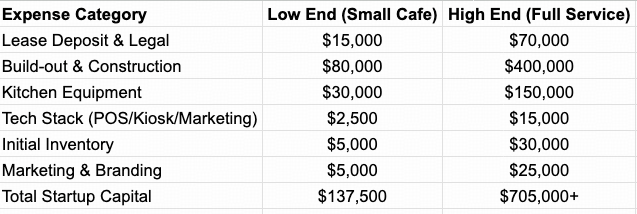
In 2026, the culinary landscape has shifted. We aren't just dealing with inflation; we are dealing with a total overhaul of consumer expectations and operational technology. Opening a restaurant today is no longer just about the food—it’s about logistics, data, and efficiency. If you’re looking for a ballpark figure, most mid-sized independent restaurants in the US cost between $175,000 and $750,000 to launch. But "ballparks" don't pay the rent. Let’s dissect every dollar.
Your location is your greatest asset and your heaviest burden. In 2026, rent isn't just rent; it’s a strategic decision.
Pro Tip: Look for "Second-Generation Spaces." These are locations that were previously restaurants. If the grease trap and HVAC system are already in place, you can save upwards of $100,000 in construction.
This is where 60% of startups run out of money before they serve their first appetizer. You aren't just painting walls; you’re building a small factory.
In 2026, the "Buy New" mentality is being replaced by "Smart Equity."
Labor is the #1 reason restaurants fail today. With minimum wages rising and the "Great Resignation" lingering in the hospitality soul, you cannot afford to over-hire.
The Math of Efficiency:
Traditionally, you’d hire 2-3 cashiers for a busy QSR (Quick Service Restaurant). In 2026, that’s a $120,000/year expense.
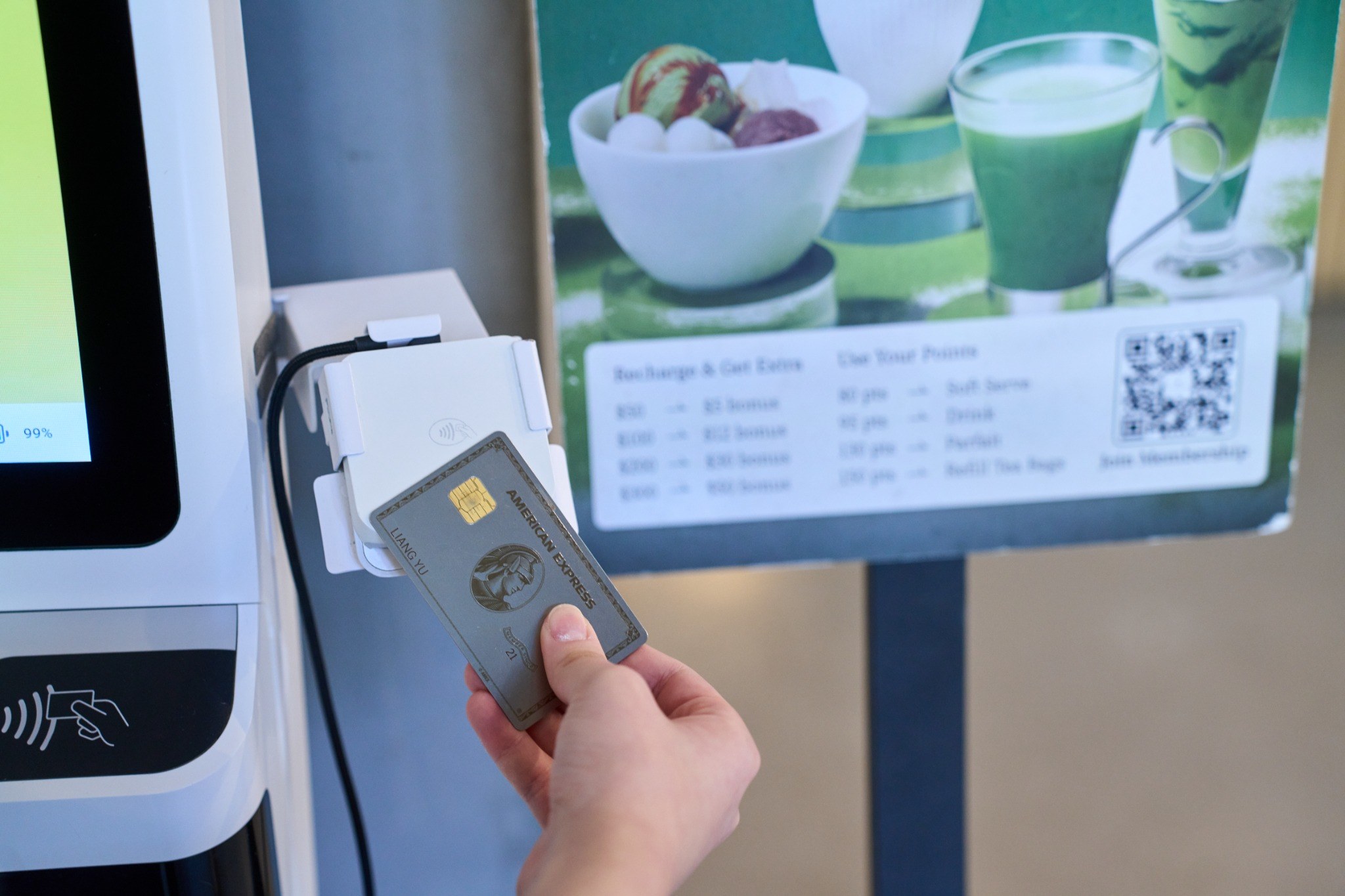
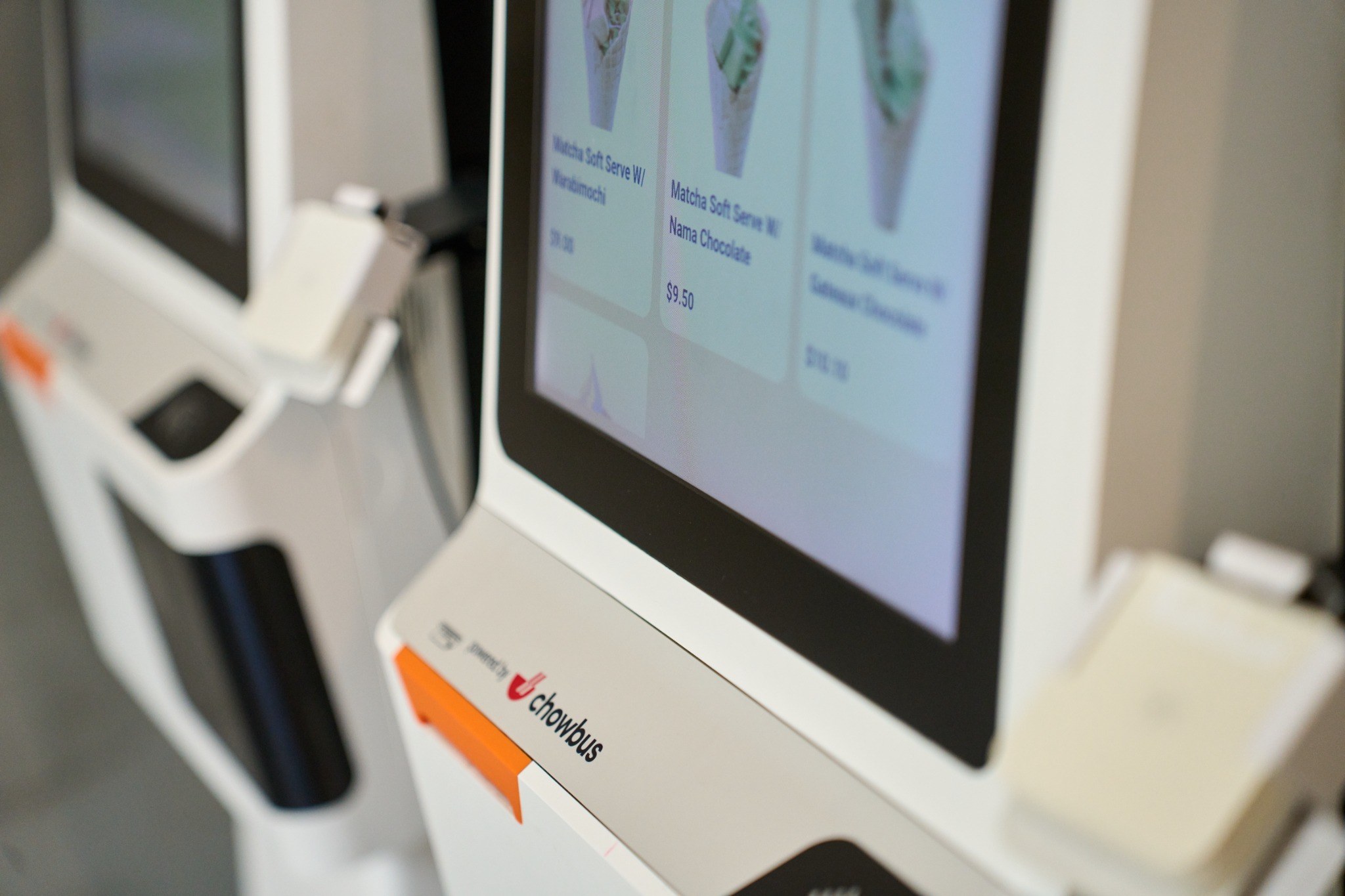
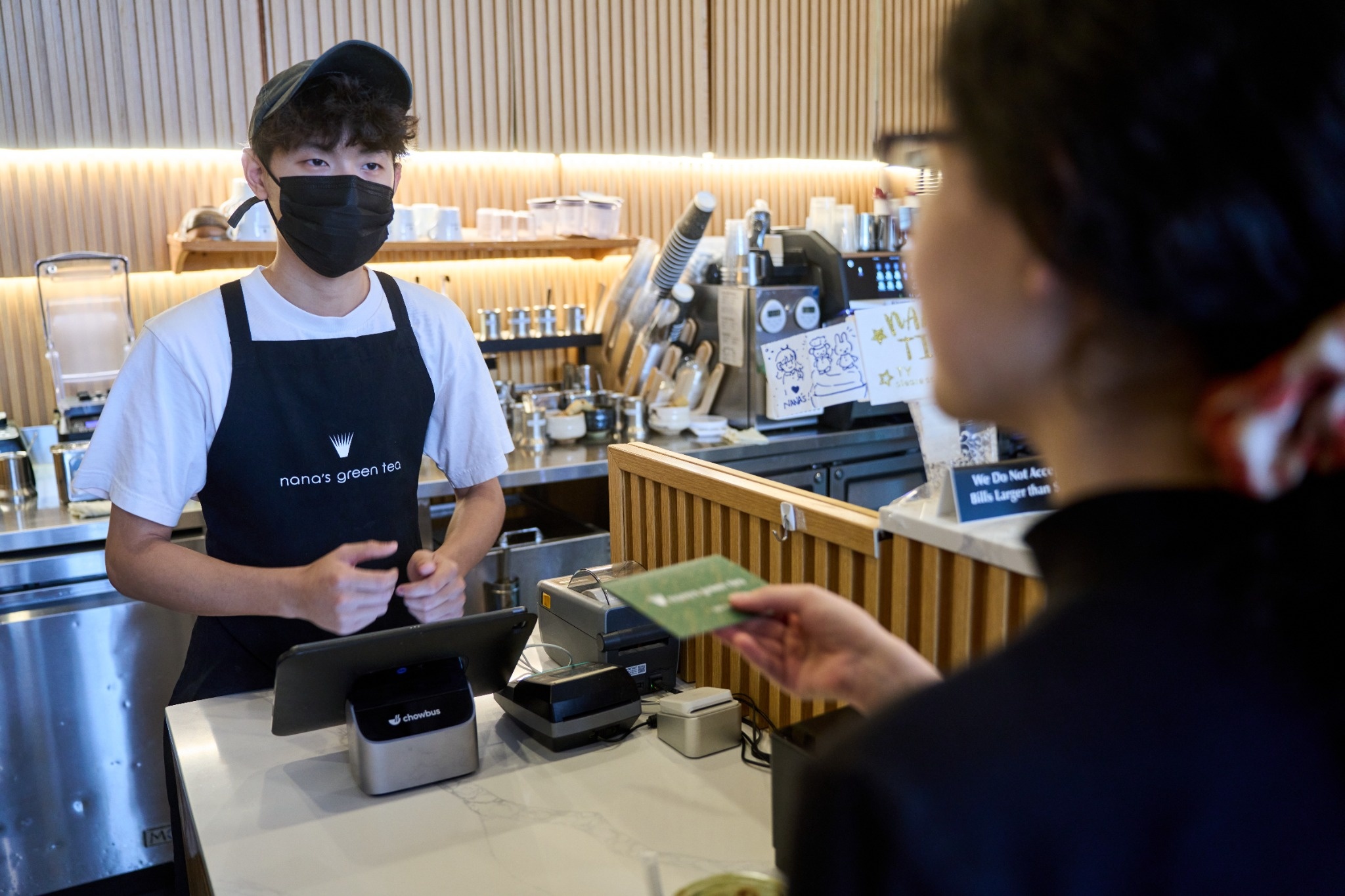
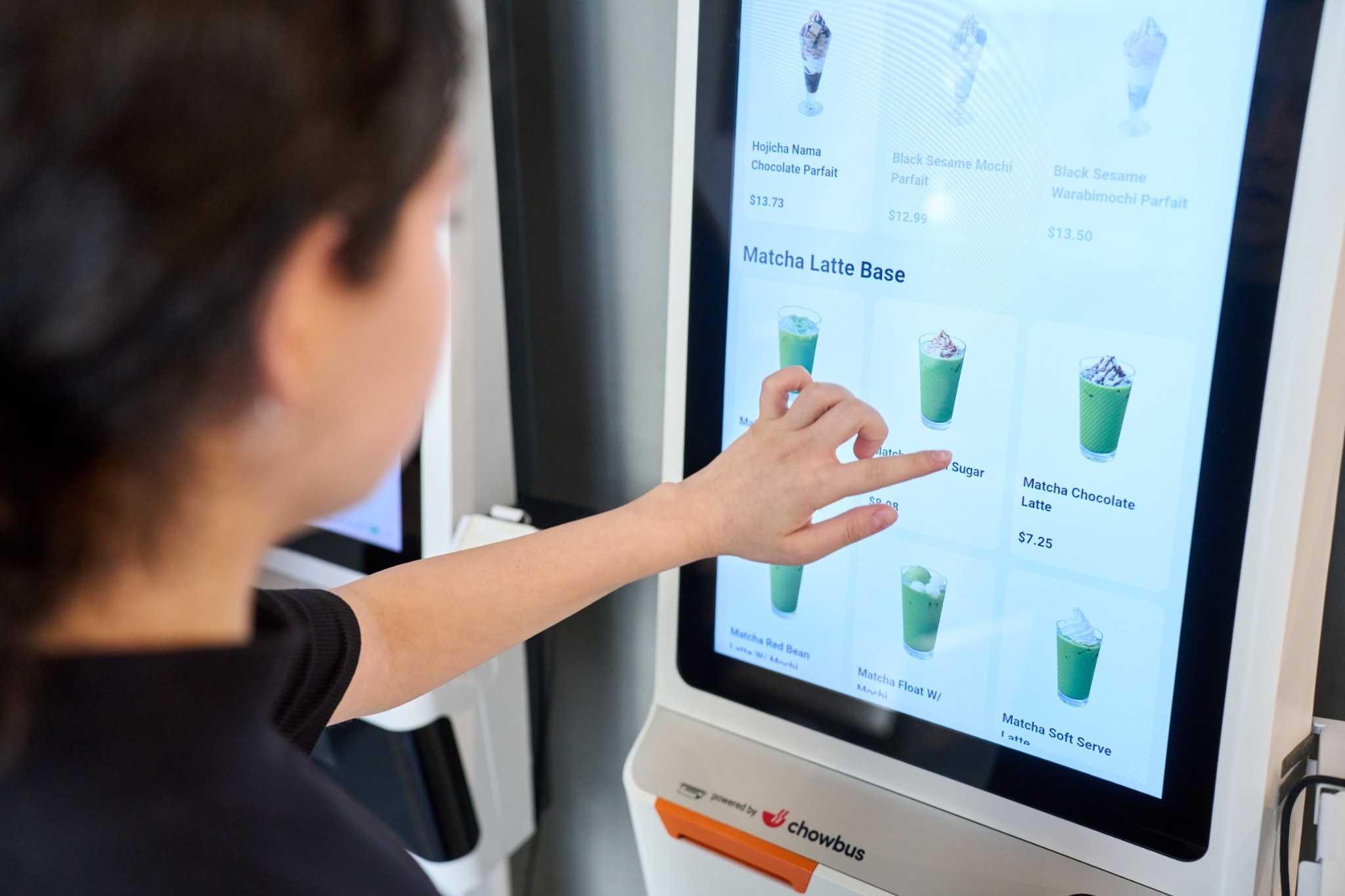
By implementing Chowbus Kiosks, you can reduce your front-of-house staff by 50%. A Kiosk doesn't just take orders; it uses AI to upsell ("Would you like to add a drink for $2?"), increasing your Average Order Value (AOV) by 15-20%.
The Handheld Revolution: For full-service dining, giving your servers Chowbus Handheld Tablets allows them to send orders to the kitchen instantly without walking back and forth to a stationary terminal. This speeds up table turnover by 10-15 minutes per party, which directly translates to more revenue per night.
Q1: Is it cheaper to open a Ghost Kitchen instead of a Brick-and-Mortar?
A: Initially, yes. You save on decor and front-of-house staff. However, Ghost Kitchens are 100% dependent on third-party delivery apps, which can take a 30% commission. An All-in-one system like Chowbus helps you run your own online ordering to claw back those margins.
Q2: How much should I spend on my POS system?
A: Don't look at the sticker price; look at the integration. A "free" POS might charge you 4% on every swipe. A professional system like Chowbus consolidates your POS, Kiosk, and Marketing tools into one ecosystem, reducing "hidden tech debt" and labor leaks.
Q3: What is the #1 mistake new owners make?
A: Underestimating "Soft Costs" like permits, architects, and training. Most owners spend their whole budget on the "look" of the restaurant and forget they need to pay 20 people for two weeks of training before they ever sell a single taco.