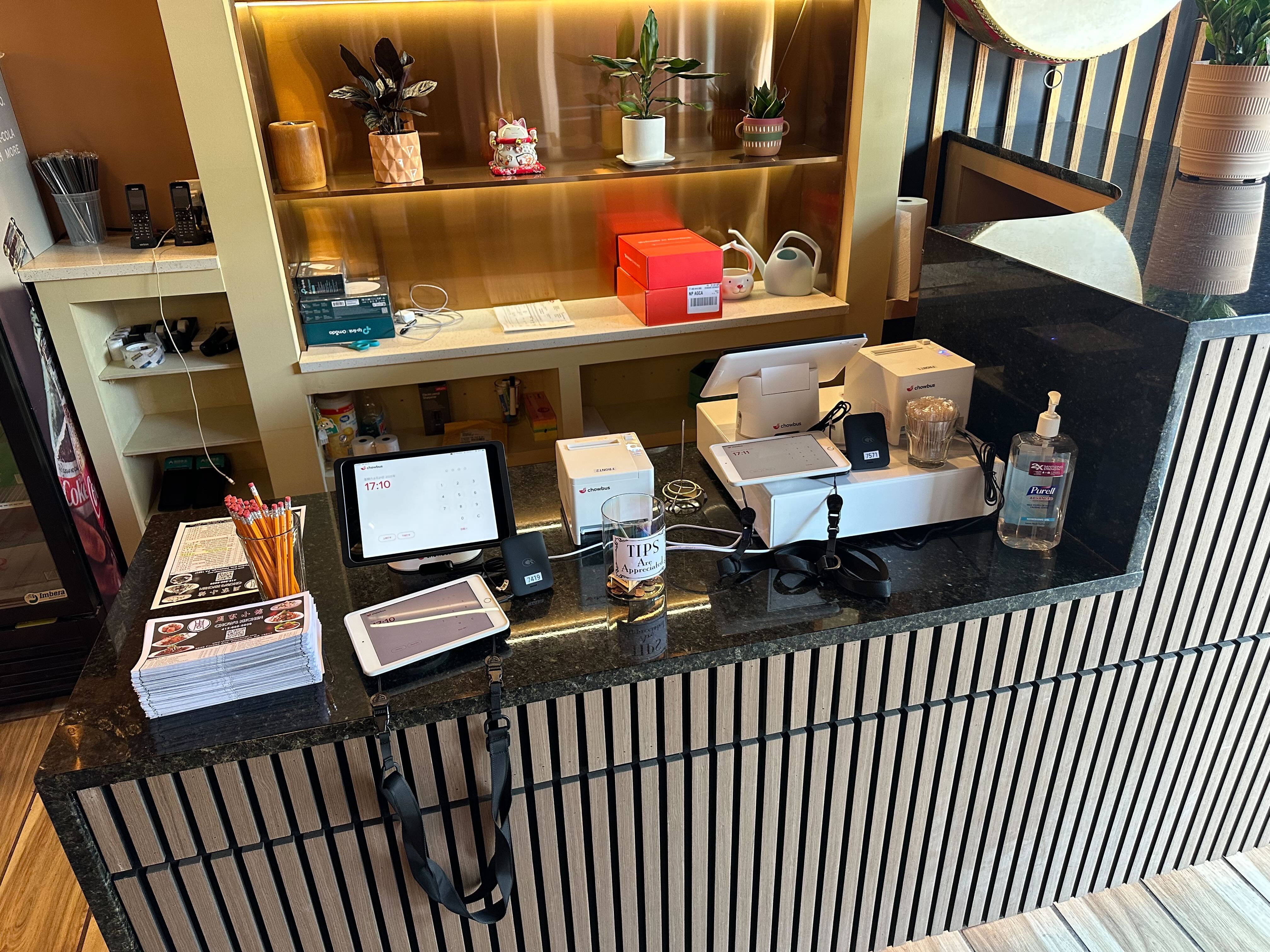
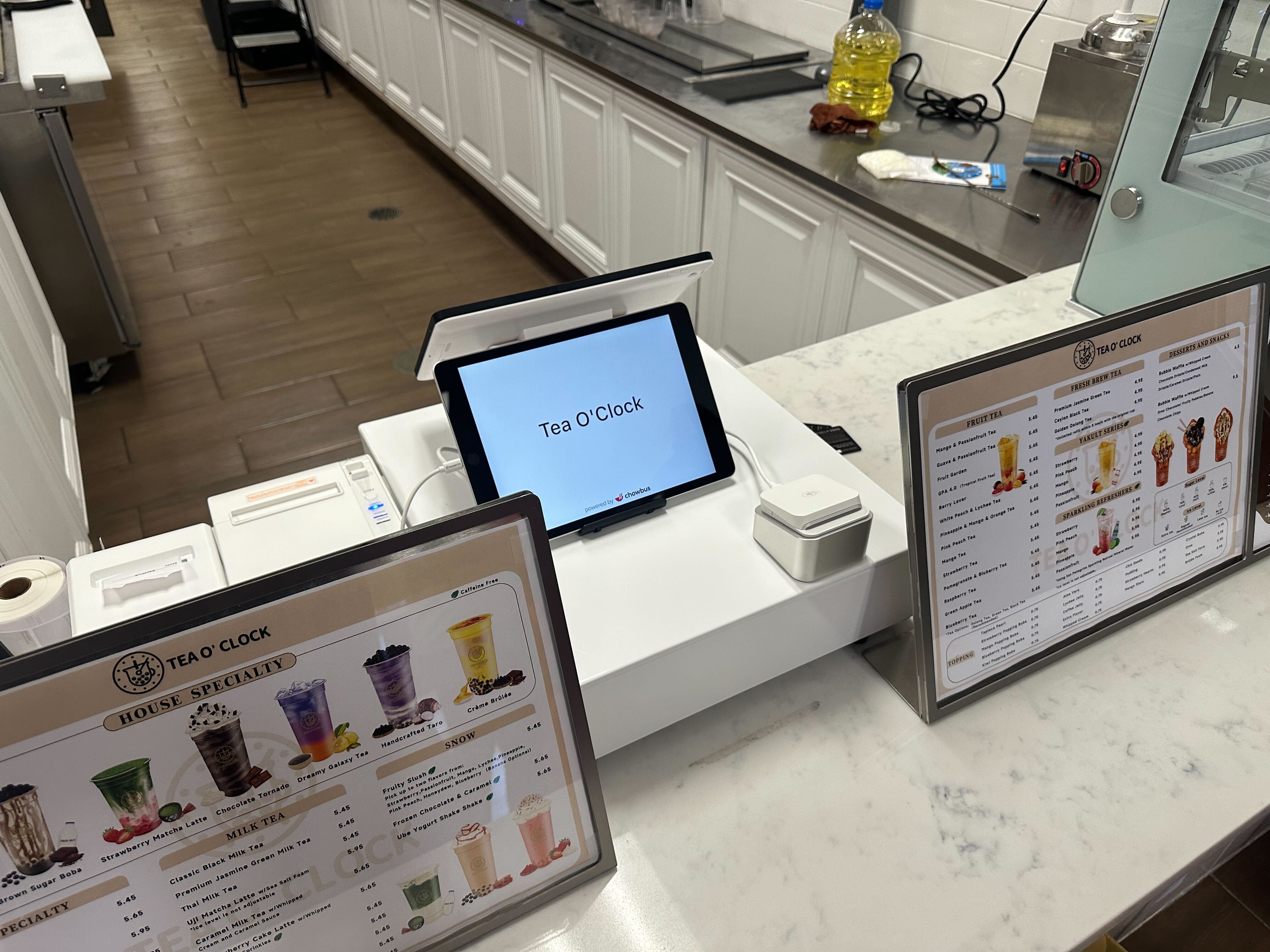
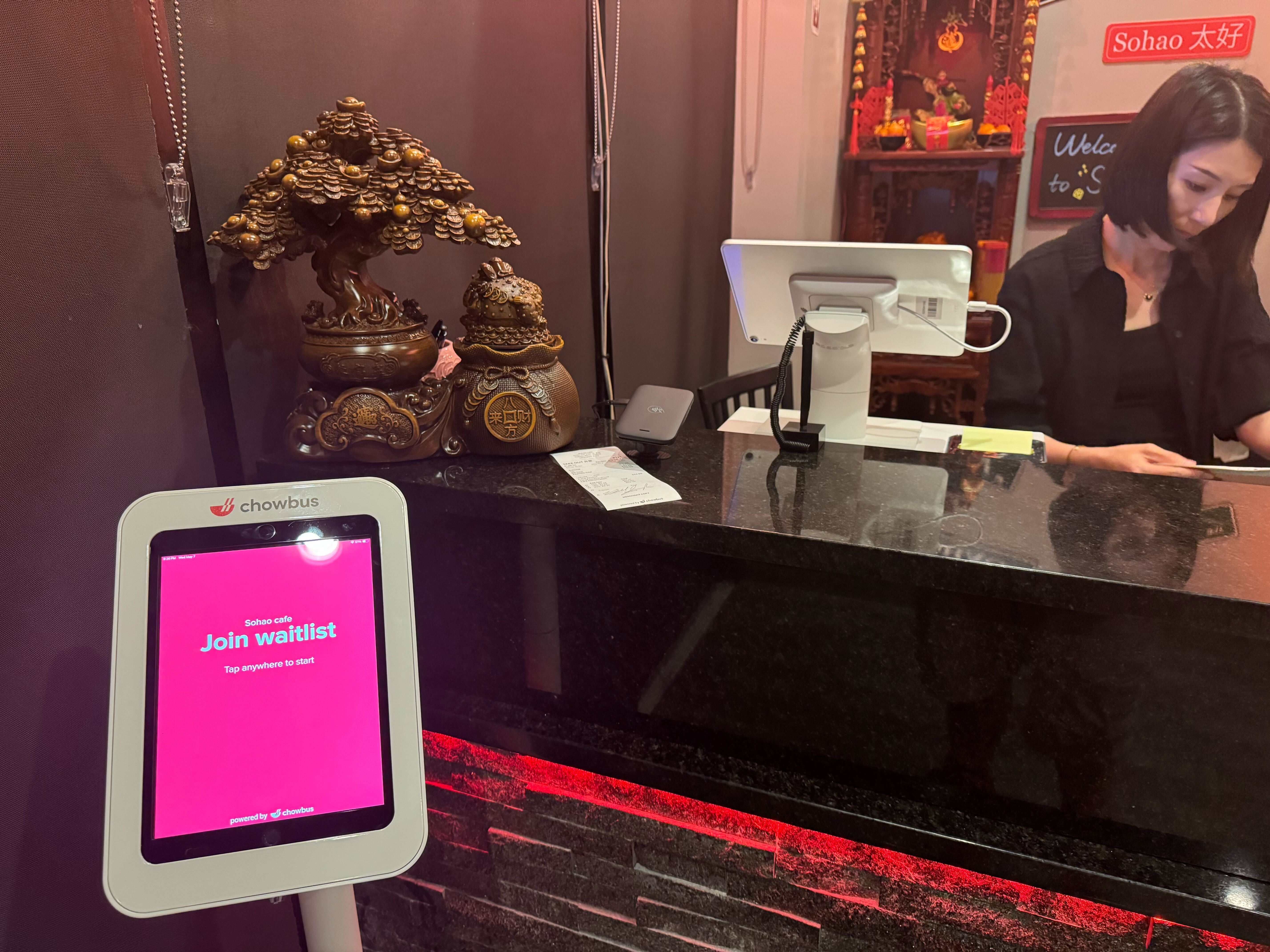
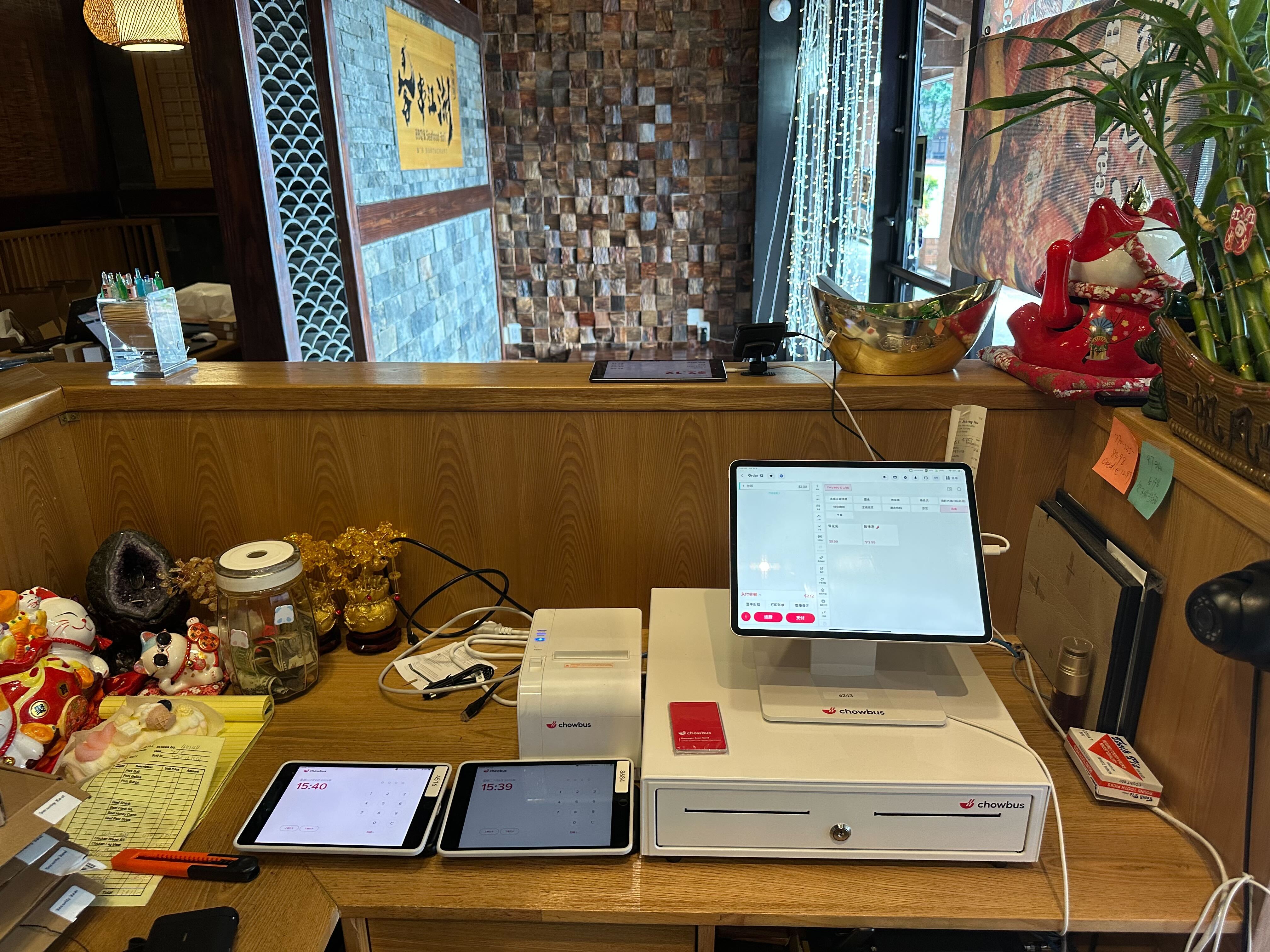
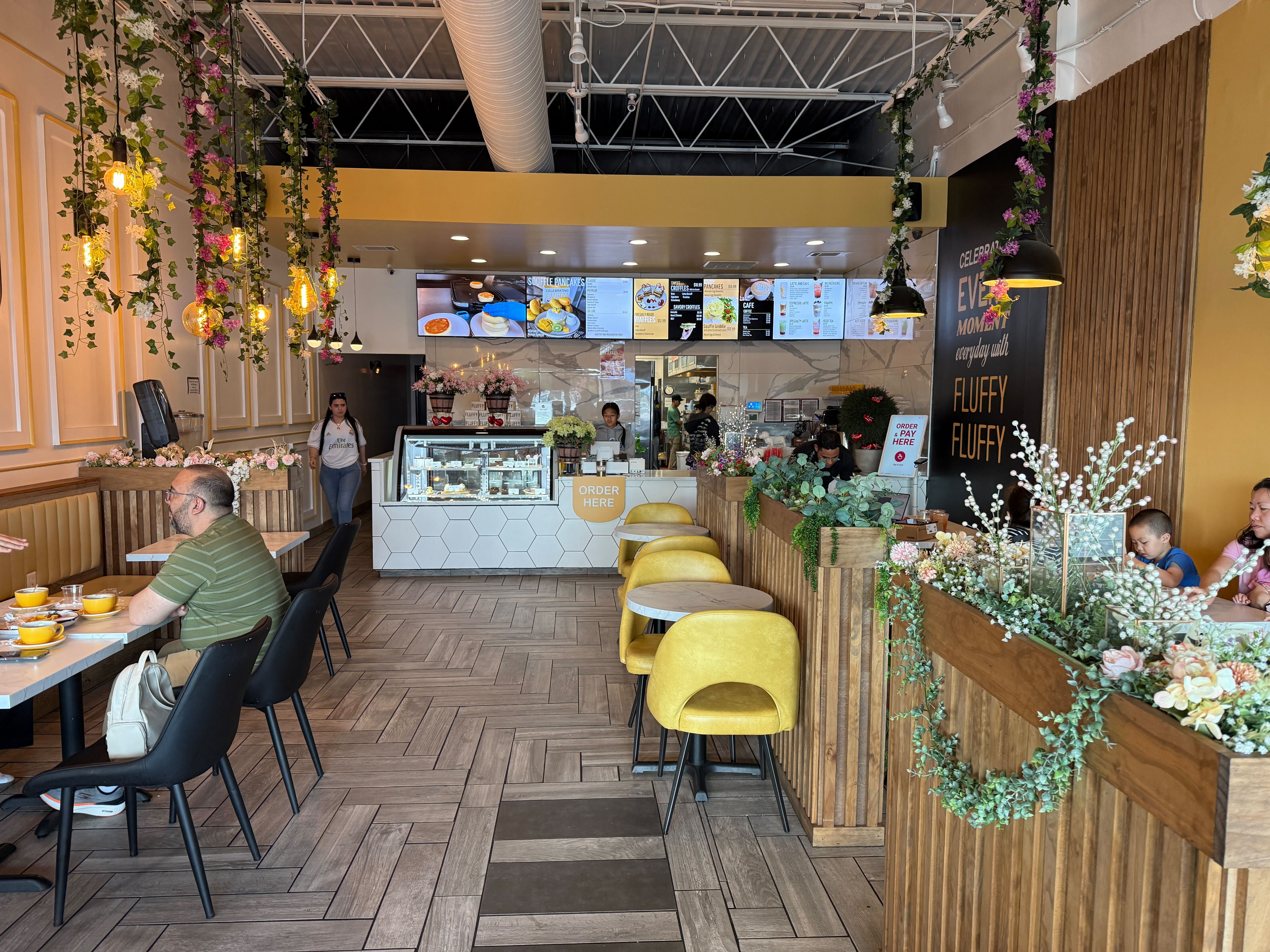
Running a restaurant today is a world away from the operations of a decade ago.
Orders no longer flow through a single channel. They flood in from everywhere: walk-in guests at the counter, digital kiosks in the lobby, online orders for pickup, and an endless stream of delivery tablets. Each of these touchpoints generates its own set of data, payments, and prep instructions that must be synchronized instantly.
Without a cohesive infrastructure, this multi-channel reality quickly devolves into operational noise.
This is why a modern POS is no longer just a payment tool. It has evolved into the central nervous system of the enterprise—the single point where ordering channels, kitchen workflows, and management insights converge. In an industry where razor-thin margins depend on speed and accuracy, this level of clarity isn't a luxury; it’s a survival requirement.
Many restaurants build their tech stack through "organic" growth—which is often a polite way of saying they patch things together as they go. You start with a POS, then bolt on an online ordering platform, then a delivery aggregator, and finally a separate reporting tool.
Individually, these tools solve a problem. Collectively, they create a "Frankenstein" system.
When your technologies don't talk to each other, your staff becomes the bridge. Your team spends their shift acting as manual data-entry clerks—re-keying tablet orders into the main terminal or reconciling mismatched menu prices across three different screens. These small inefficiencies are quiet, but they accumulate. During a lunch rush, a 30-second delay in transferring an order ripples through the kitchen, leading to cold food and frustrated guests. Disconnected systems rarely "fail" in a spectacular way; they simply bleed your efficiency dry through a thousand small friction points.
At its simplest, a Point of Sale (POS) is where a transaction happens. But today’s high-performance platforms do much more than "process" orders; they orchestrate them.
Think of the POS as the infrastructure layer of your entire business. It’s the "operating system" of the restaurant. Just as a computer’s OS coordinates software and hardware, a modern POS ensures that front-of-house interactions and back-of-house execution stay in total sync.
The moment a guest hits "confirm" on a kiosk, the system shouldn't require manual intervention. The kitchen sees the ticket immediately, inventory adjusts in the background, and the manager sees the revenue hit the dashboard in real-time. This level of synchronization turns a high-traffic, chaotic shift into a manageable, scalable process.
In the restaurant world, conditions shift by the hour. A sudden rainy afternoon can spike delivery demand; a social media mention can send a specific dish into a sell-out frenzy. If you're waiting until the end of the week to look at a spreadsheet, you’re already too late.
Modern POS systems replace "guessing" with "visibility." Managers can track velocity as it happens. You can see which menu items are gaining traction at 12:30 PM and adjust your kitchen's prep accordingly. If order volume spikes unexpectedly, you can adjust workflows in the moment to maintain service speed. These micro-adjustments are what protect your bottom line.
For multi-unit operators, the challenge isn't just running a restaurant; it’s maintaining a brand. Manually updating prices or menu items across five or fifty locations is a recipe for error.
A centralized POS removes this complexity. One update at headquarters can push a new promotion or price change to every terminal across the country instantly. Instead of managing dozens of isolated entities, leadership gains a cohesive, birds-eye view of the entire restaurant operation. This level of alignment is invaluable during growth—expansion introduces complexity, but the right system keeps it manageable.
Technology is most useful when it’s invisible. When your tools share information automatically, the "tech" fades into the background, and your team can get back to what they actually care about: hospitality.
This is the shift from "tools" to "ecosystems." Platforms like Chowbus allow operators to stop toggling between five different logins and start managing their business through a single, unified lens. Fewer platforms mean fewer points of failure—and a much faster path to profitability.
Everything works better when the systems behind the scenes are connected.
1. What actually defines a modern restaurant POS system?
It’s far more than a digital cash register. A modern POS is the operational command center that orchestrates orders, processes payments, and synchronizes sales data. It bridges the gap between different restaurant technologies—like digital menus, kiosks, and back-of-house displays—into a single, unified brain.
2. Why is POS integration such a game-changer for restaurants?
Integration allows your tools to "talk" to each other automatically. Instead of having staff manually re-key orders from tablets into a terminal, an integrated system flows that data seamlessly. This eliminates human error, recovers wasted labor hours, and gives you a clean, real-time look at your entire business.
3. Can a POS system realistically support multi-location brands?
Absolutely. High-performance POS platforms are built for scale. They allow owners to push menu updates, synchronize pricing, and pull consolidated performance reports across dozens of locations from one centralized dashboard. It turns a fragmented brand into a cohesive operation.
4. How does a POS translate to actual day-to-day efficiency?
By centralizing every order and automating data collection, a POS removes the "busy work" from your team’s plate. It streamlines kitchen workflows, speeds up the checkout process, and allows managers to make instant staffing or inventory decisions based on live data, rather than yesterday’s gut feeling.