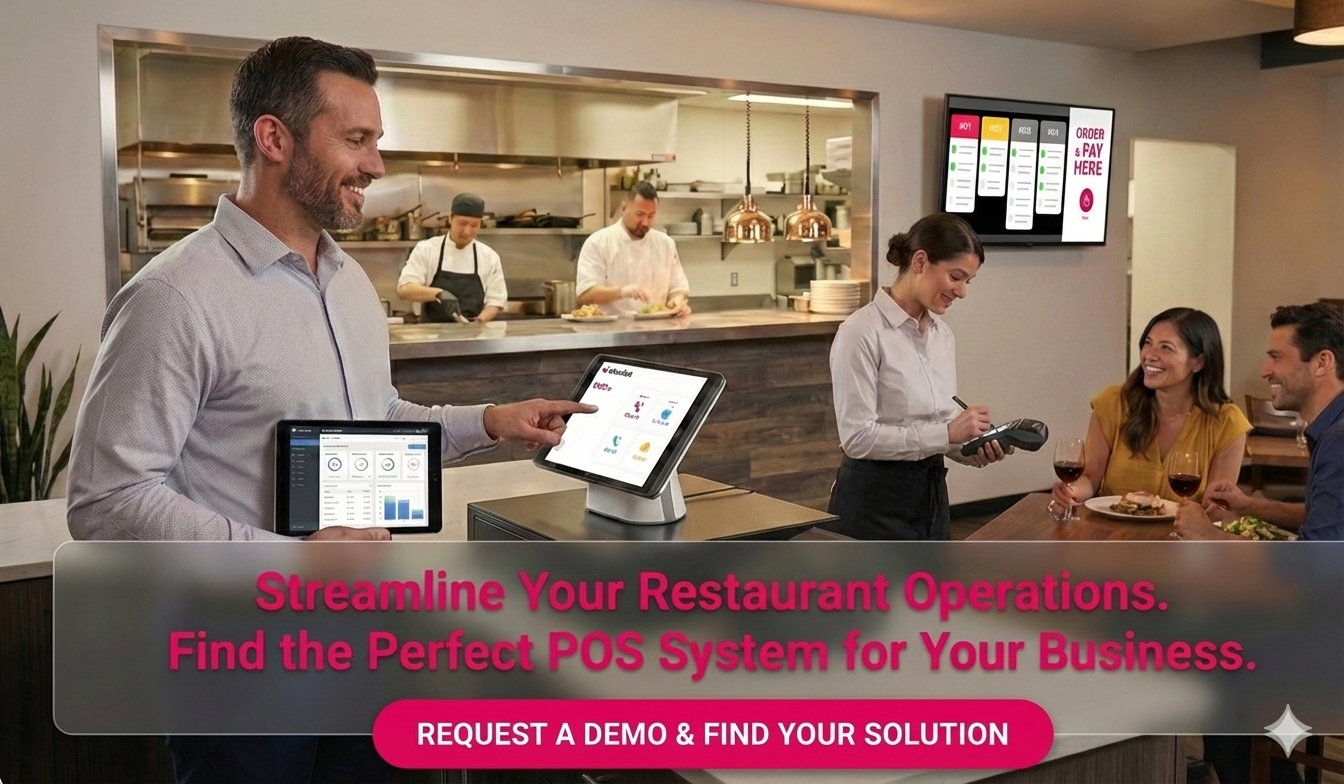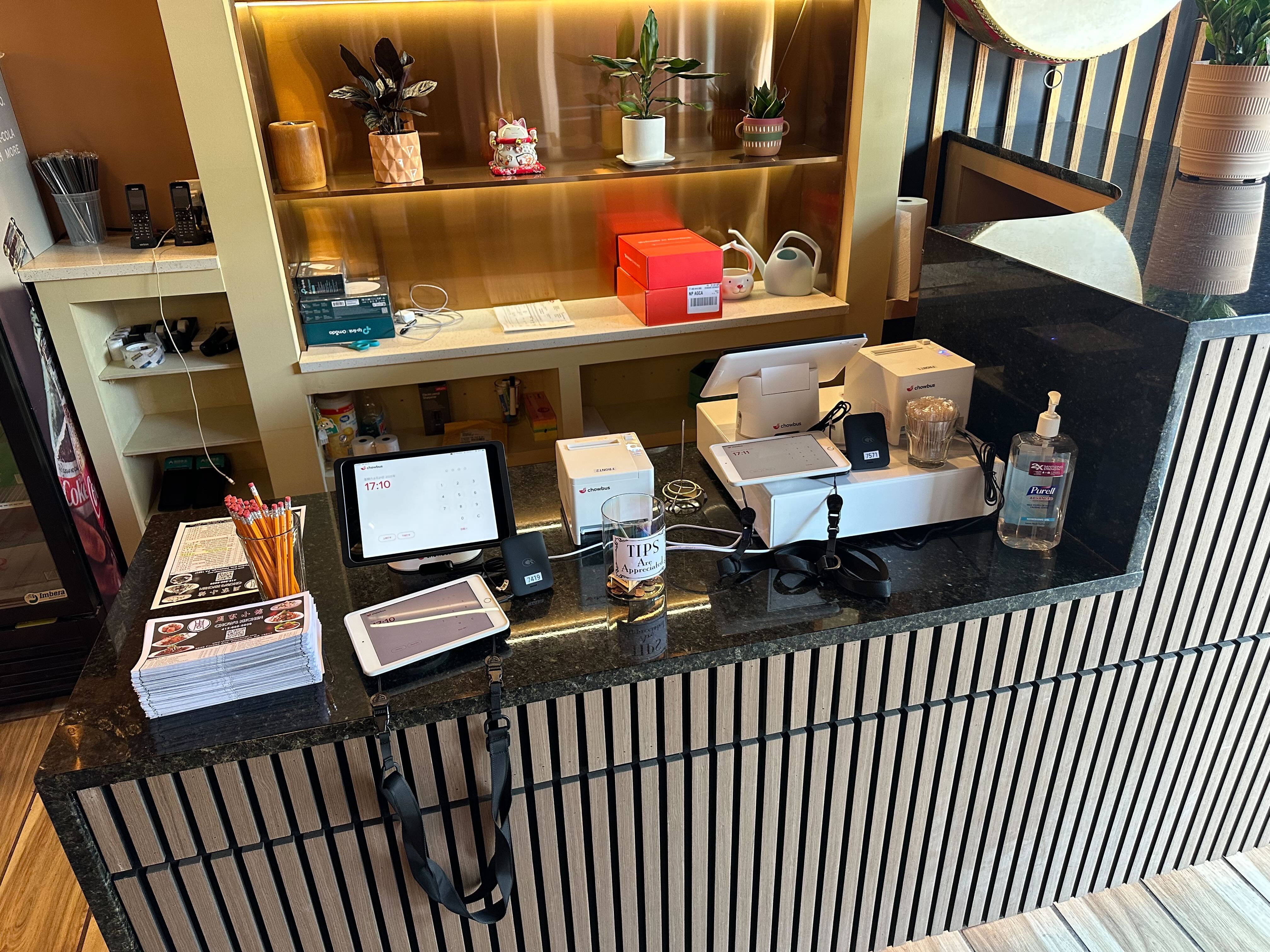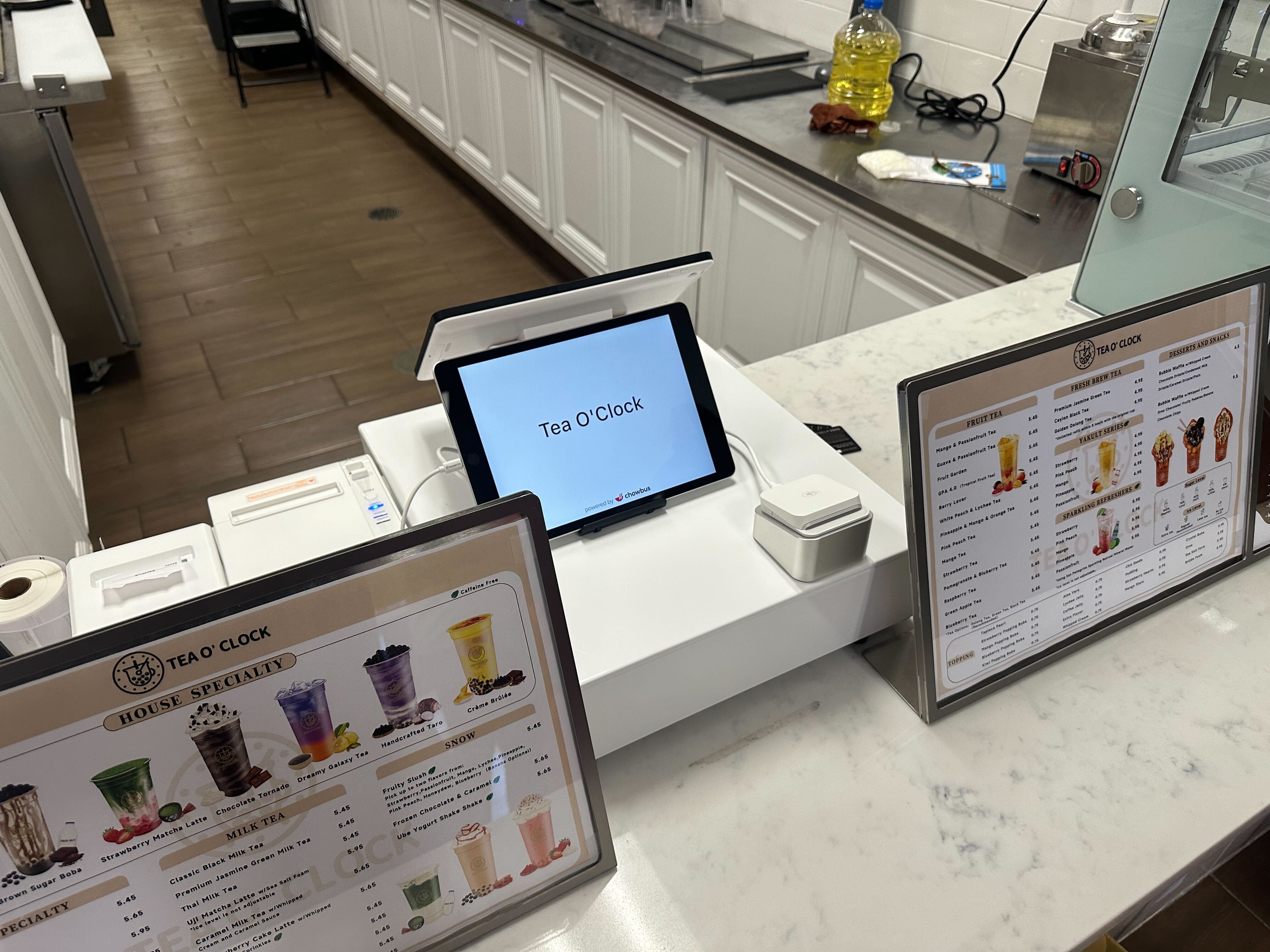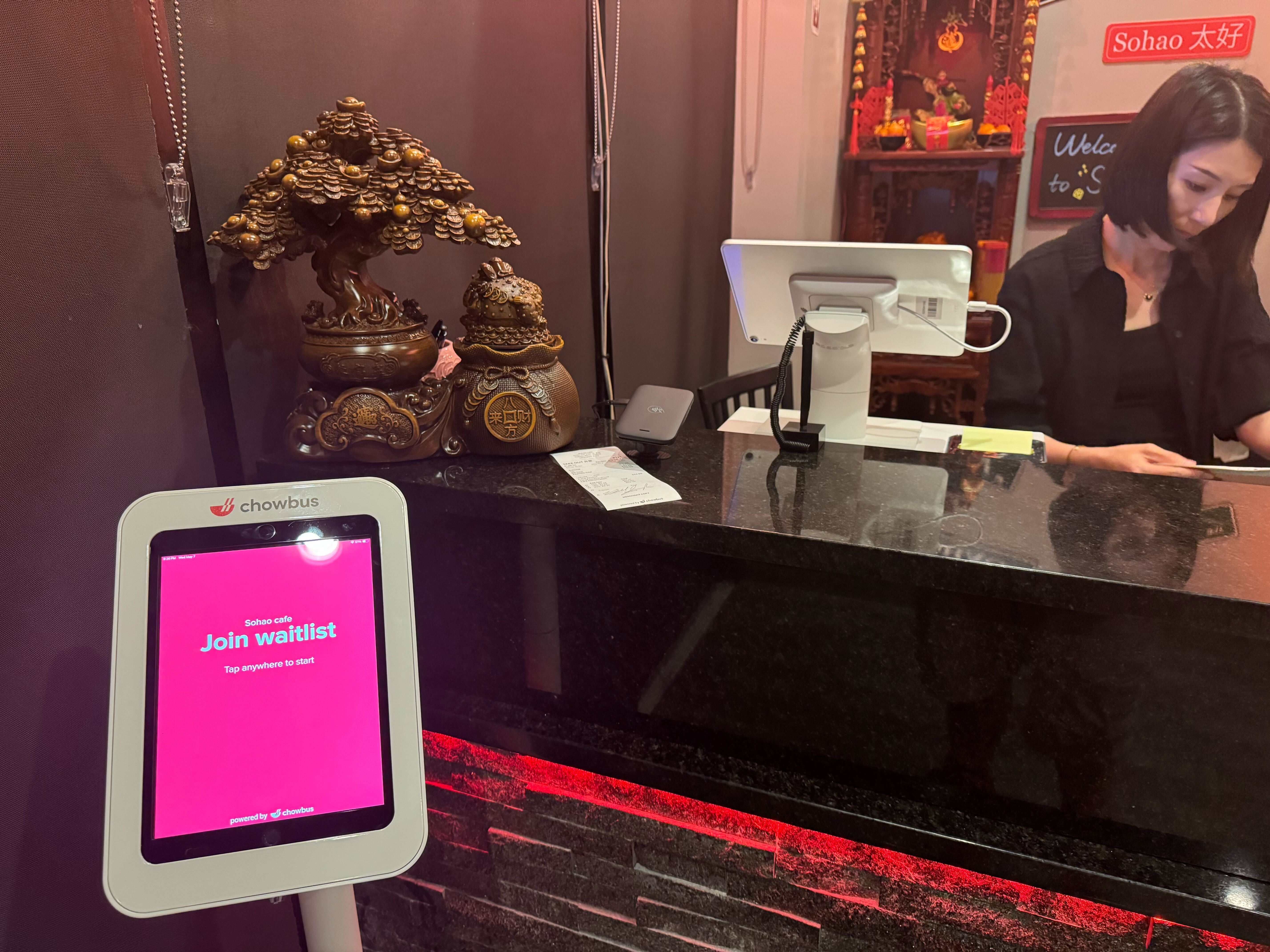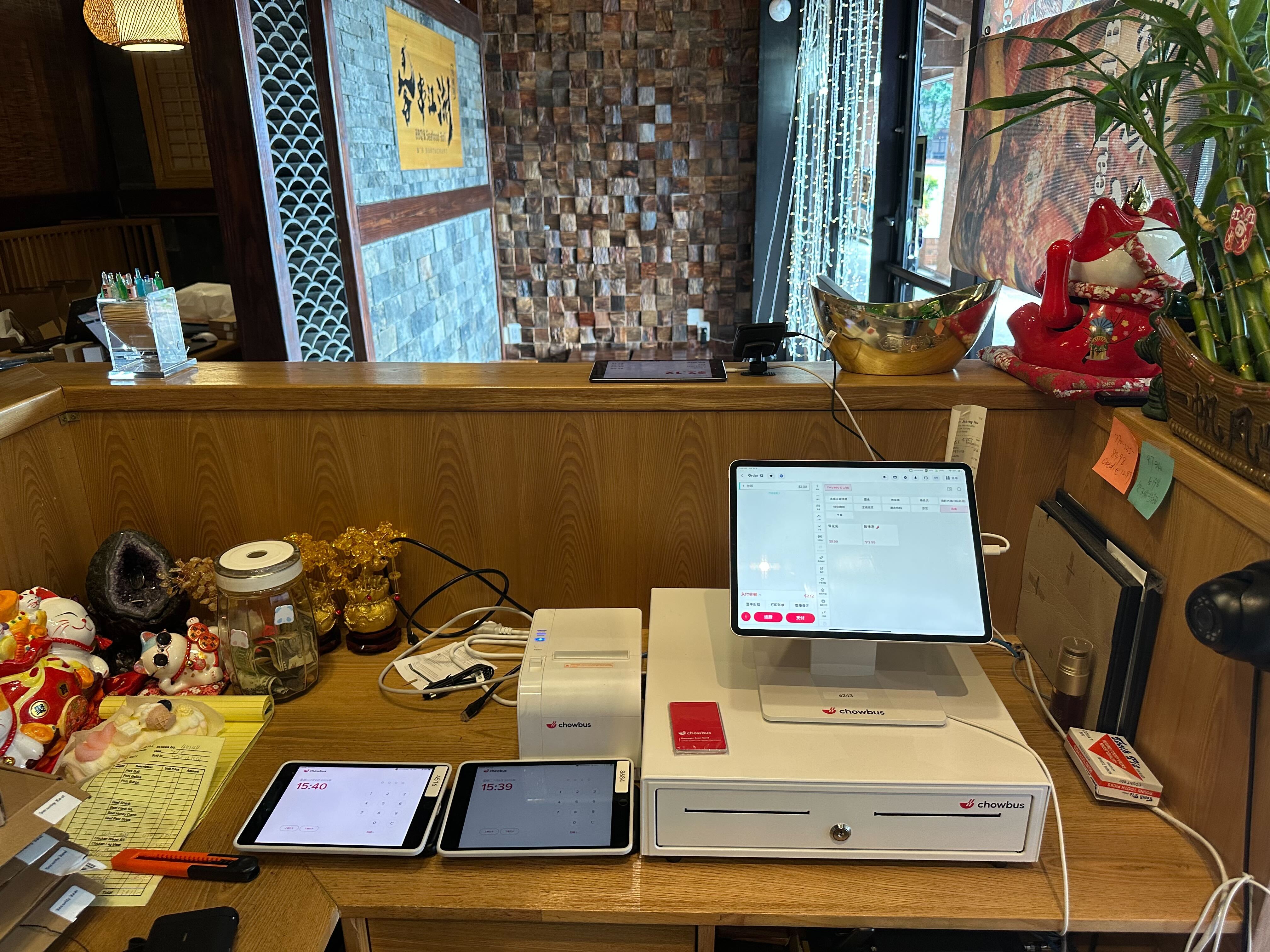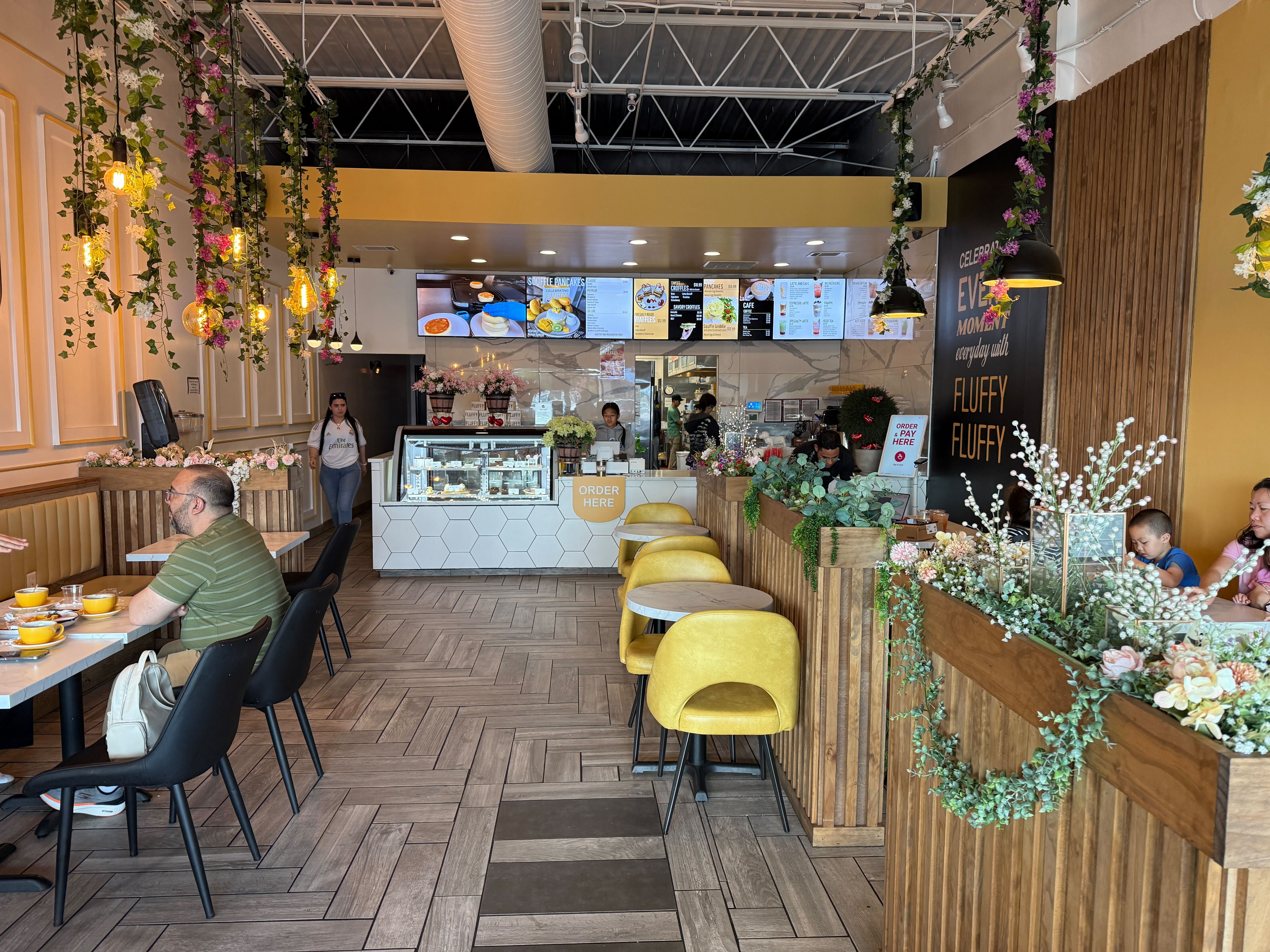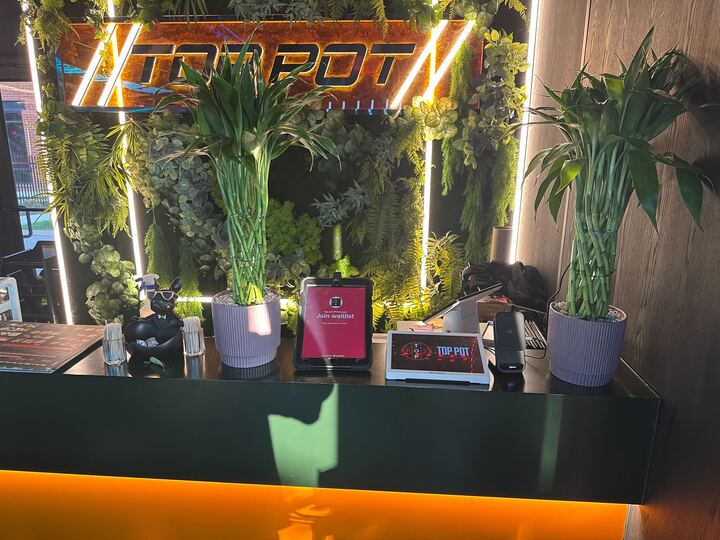
Choosing among the best restaurant POS systems in 2026 is no longer just about ringing up orders. For restaurant owners and operators across the United States, the POS system has evolved into the operational core of the business. It influences speed of service, labor efficiency, inventory accuracy, financial visibility, guest data capture, and long-term scalability.
In a market shaped by rising labor costs, tighter margins, and growing off-premise demand, your POS system is not simply a checkout tool—it is your command center. The challenge is not finding options. The challenge is identifying which system truly supports your restaurant’s growth strategy over the next three to five years.
This guide breaks down what separates leading POS platforms from average ones, what features actually matter in 2026, and how to evaluate systems based on operational reality—not marketing claims.
A decade ago, many operators evaluated POS systems primarily on ease of use and basic reporting. Today, that baseline is assumed. In 2026, the best restaurant POS systems are defined by integration depth, automation capability, and ecosystem alignment.
Restaurants now operate across multiple revenue channels: dine-in, takeout, delivery apps, direct online ordering, catering, and sometimes retail. If your POS does not unify those data streams into one source of truth, you are managing fragmented information. Fragmented systems create reporting delays, reconciliation headaches, and labor inefficiencies.
The best systems are those that eliminate operational silos. They connect front-of-house transactions with kitchen workflows, marketing data, payroll reporting, and financial analytics in real time.
“Best” is no longer about features. It’s about infrastructure.
Modern restaurants rarely rely on a single revenue stream. Third-party delivery marketplaces, QR code ordering, self-order kiosks, and direct website orders must all feed into one centralized system.
When evaluating the best restaurant POS systems, operators should examine how smoothly orders from various channels merge into kitchen production and reporting. A truly integrated platform prevents duplicate tickets, reduces tablet clutter, and simplifies end-of-day reconciliation.
Without unification, staff are forced to manually coordinate across devices, increasing errors and slowing service during peak hours.
In 2026, delayed reporting is operational risk. The strongest POS systems provide real-time dashboards that allow operators to track:
However, raw data alone is not enough. The best systems present information in actionable formats. Operators should be able to identify which items drive margin, which time slots underperform, and where waste accumulates—without exporting spreadsheets for manual analysis.
If your POS requires additional tools to understand your own business, it may not be the right long-term partner.
For restaurant groups planning expansion, scalability is non-negotiable. Many systems work well for a single location but struggle when applied across multiple stores.
The best restaurant POS systems in 2026 offer centralized management capabilities. This includes menu updates across all units, consolidated reporting, role-based staff permissions, and standardized pricing controls.
Growth should not require rebuilding your technology stack. Your POS should grow with you, not force migration during expansion.
Cost remains an important consideration, but evaluating POS systems solely on monthly subscription fees can be misleading.
Operators must consider total impact:
A lower monthly subscription that results in operational inefficiencies can cost more in the long run than a system with higher upfront fees but stronger integration.
In 2026, financial evaluation should include opportunity cost. A system that enables stronger upselling, faster table turns, or reduced reporting time may generate value beyond its subscription cost.
Automation is increasingly separating average systems from leading ones. Automation can include:
Automation reduces managerial oversight burden. Instead of manually updating menus or running nightly reports, operators can redirect time toward customer experience and strategic planning.
A POS system should simplify management, not add digital complexity.
As payment technologies evolve, data security becomes central. The best restaurant POS systems prioritize secure payment processing, encryption standards, and regulatory compliance.
Beyond credit card security, operators should evaluate user permissions, fraud prevention features, and audit trails. A secure system protects not only transactions but also internal operations.
In an era where cyber threats affect businesses of all sizes, security infrastructure should be considered part of operational stability—not just an IT issue.
If you're exploring how a modern POS system could streamline your operations and unify your sales channels, consider reviewing how an integrated restaurant platform works in real-world environments. Seeing the workflow in action often clarifies whether a system fits your service model.
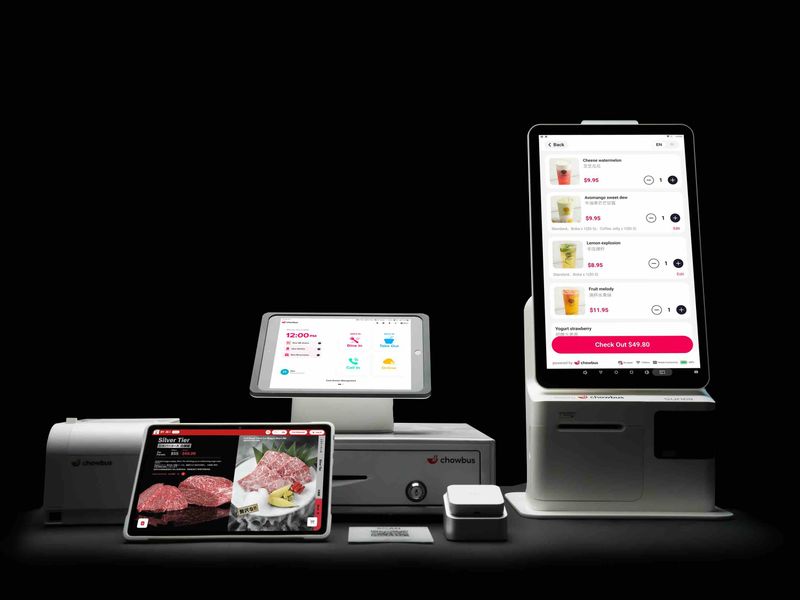
Even the best restaurant POS systems can fail without proper onboarding. Implementation includes menu setup, hardware configuration, staff training, and integration testing.
Operators should evaluate vendor onboarding support carefully. Questions to ask include:
A smooth transition minimizes downtime and prevents staff frustration. Technology adoption is as much about people as it is about software.
The best systems offer unified multi-channel integration, real-time analytics, automation, scalability, and reliable support. It’s less about flashy features and more about operational alignment.
Costs vary depending on hardware, software subscriptions, payment processing, and integration depth. Operators should calculate total ownership cost rather than just monthly fees.
Yes. Advanced POS systems support upselling prompts, loyalty integration, data-driven promotions, and faster service speeds, all of which can positively impact revenue.
Cloud-based systems typically provide better remote access, automatic updates, and easier multi-location management. However, reliability depends on internet stability and vendor infrastructure.
Most installations range from a few days to several weeks depending on store complexity and integration requirements.
The best restaurant POS systems in 2026 are those that support long-term operational resilience. Technology decisions should not be reactive—they should align with your projected growth, labor model, and guest experience strategy.
Rather than focusing solely on price comparisons, operators should assess how a system impacts efficiency, data visibility, and revenue opportunity over time.
If you are evaluating POS solutions and want to understand how a unified restaurant platform can support your specific service model, you may consider requesting a personalized walkthrough or connecting with our team to explore real operational scenarios.