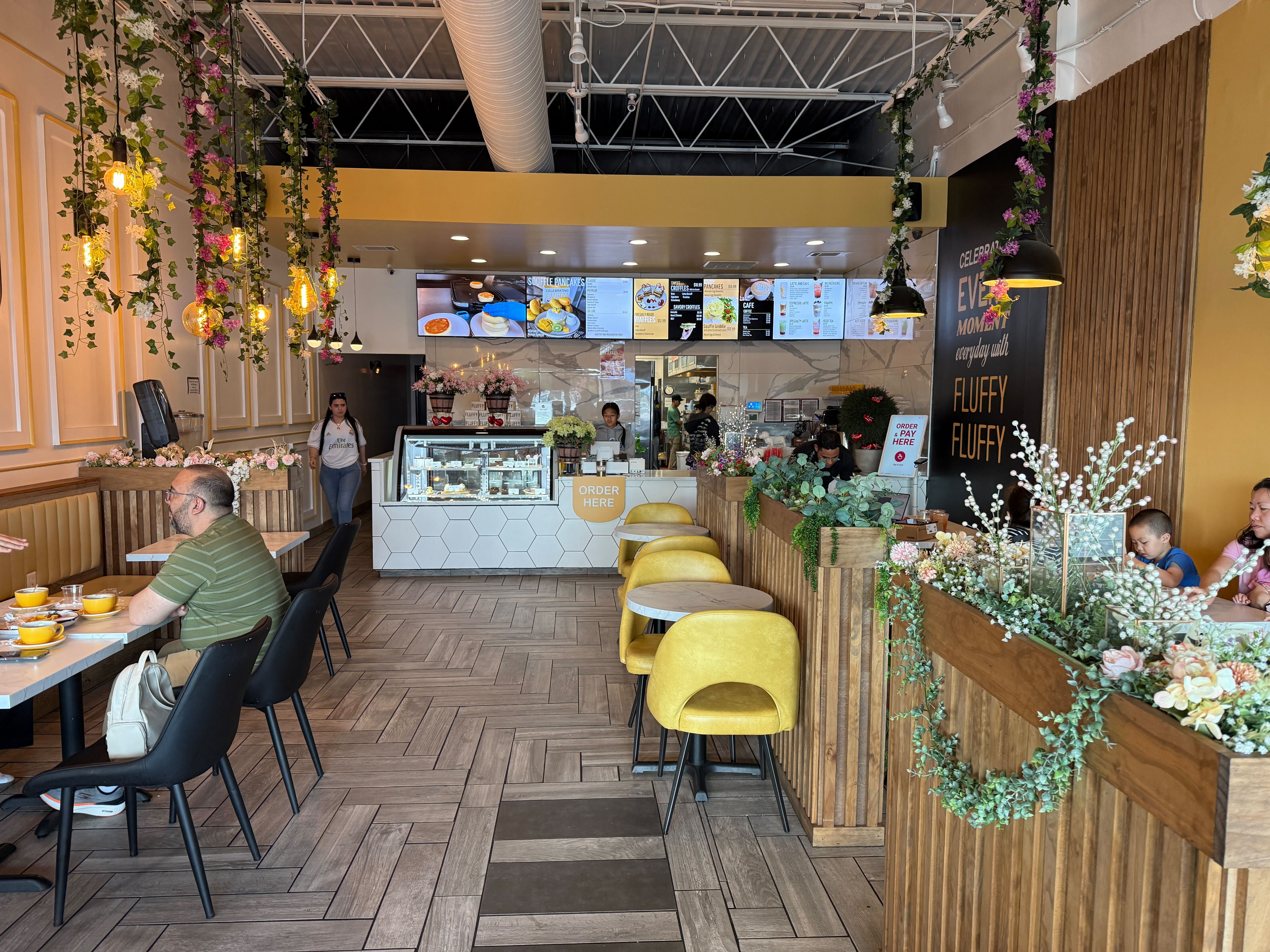
The Asian restaurant industry has grown 135% over the past 25 years. Yet the POS systems most Chinese restaurant owners are running today were built for a burger joint — not for a 200-seat dim sum hall managing multiple dining formats, Chinese-language menus, and servers who may not speak fluent English.
Choosing the wrong POS doesn't just slow you down. It costs you tables, tips, and customers you'll never get back. The Asian restaurant sector is projected to reach $240 billion by end of 2026, and the operators who are pulling ahead aren't working harder — they're working with better tools.
In this guide, you'll see exactly what separates a genuinely great Chinese restaurant POS from a generic one — so you can make a decision that fits how your restaurant actually runs.
Here's what 9,000+ restaurant owners across all 50 states have learned the hard way.---
Most POS systems on the market were designed with a Western fast-casual or full-service model in mind — think burgers, salads, and a simple check-split. Chinese restaurants operate under fundamentally different conditions. You're often managing banquet rooms alongside regular dining, handling large parties where dishes arrive in rounds rather than all at once, and working with a team that may prefer to operate in Mandarin or Cantonese.
The disconnect shows up fast. A server trying to modify a dish — swap the protein, remove an ingredient, add a spice level note — hits a wall when the POS can't render Chinese characters or doesn't support the kind of modifier logic a dim sum or hot pot restaurant needs. Kitchen display systems that can't show the correct characters lead to errors. Errors lead to remakes. Remakes lead to slower table turns. Slower table turns mean fewer covers per night — and that's before you account for the customer who waited 15 minutes for a correction and left a two-star review.
The issue isn't that these systems are bad. It's that they weren't built for you. And using a tool that wasn't built for your business creates friction at every single touchpoint — from the host stand to the kitchen to the back office.---
Not all POS features are created equal. Some are marketing checkboxes. Others are operational necessities that directly affect your revenue per shift. Here's what to prioritize when evaluating any system for a Chinese restaurant.
Multilingual Menu Management Your menu needs to display correctly in Chinese — traditional or simplified — alongside English, and ideally additional languages like Japanese, Korean, or Spanish depending on your staff and customer mix. This isn't just about customer-facing menus. It's about your kitchen display system, your staff training process, and your ability to onboard new employees quickly without language becoming a barrier. Look for a system where you can set the menu language per device, not just a global toggle.
Table Management for Complex Dining Formats Chinese restaurants often run multiple dining formats in parallel — à la carte, family-style banquet, and all-you-can-eat (AYCE) buffet rounds on the same floor. Your POS should handle each format natively, including AYCE time limits and per-person pricing, as well as large-party tab management where multiple diners share a single check.
QR Code Ordering QR ordering isn't just a COVID-era trend — it's become a meaningful tool for reducing labor cost and increasing order accuracy. When guests scan a code at the table and order directly, you reduce the number of trips your servers make, cut down on verbal miscommunications, and capture orders in both English and Chinese simultaneously. The right POS integrates QR ordering into the same back-end as server-entered orders so your kitchen sees everything in one unified stream.
Online Ordering Without Punishing Commission Third-party delivery platforms typically charge 25–30% per order. That's not sustainable for most restaurants. A POS that includes native online ordering lets you build a direct channel — your own ordering page, your own customer data, and zero platform commission eating into your margins.
Loyalty and CRM Built In Chinese restaurant operators often build loyal regulars through relationship and quality. A POS with built-in CRM lets you formalize that relationship: track visit frequency, send birthday offers, create points programs, and bring back guests who haven't returned in 30 days. Doing this through a separate app means manual data syncing and duplicate effort. Doing it inside your POS means it happens automatically.---
When Chinese restaurant owners start evaluating POS systems, three names come up most often: Toast, Square, and MenuSifu. Here's an honest breakdown of where each stands relative to what a Chinese restaurant actually needs.
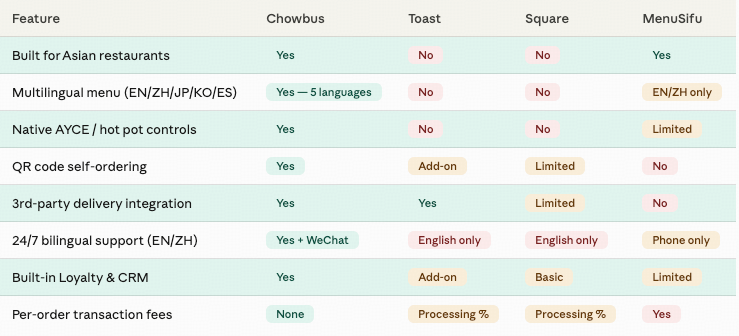
Toast is the market leader in restaurant POS overall, and it's a solid system for American-style casual dining. But it wasn't built with Asian restaurant operations in mind. There's no native multilingual menu capability, no AYCE or hot pot management mode, and their customer support operates in English only. For a restaurant where your team and your menu are primarily in Chinese, Toast creates friction at every layer.
Square for Restaurants has a strong free entry tier that appeals to new or small operations. But as your volume grows and your operational complexity increases — multiple dining formats, large tables, kitchen routing for complex Chinese dishes — Square's feature set starts to feel thin. There's no built-in multilingual support and limited customization for Asian dining formats.
MenuSifu is specifically designed for Asian restaurants and has a large install base. However, it notably lacks native QR code ordering and third-party delivery integration, operates on an older technology stack, and charges per-order transaction fees that can add up quickly for high-volume operations. Restaurants that have switched away from MenuSifu frequently cite the total cost of ownership as a key reason, once per-order fees are factored in.
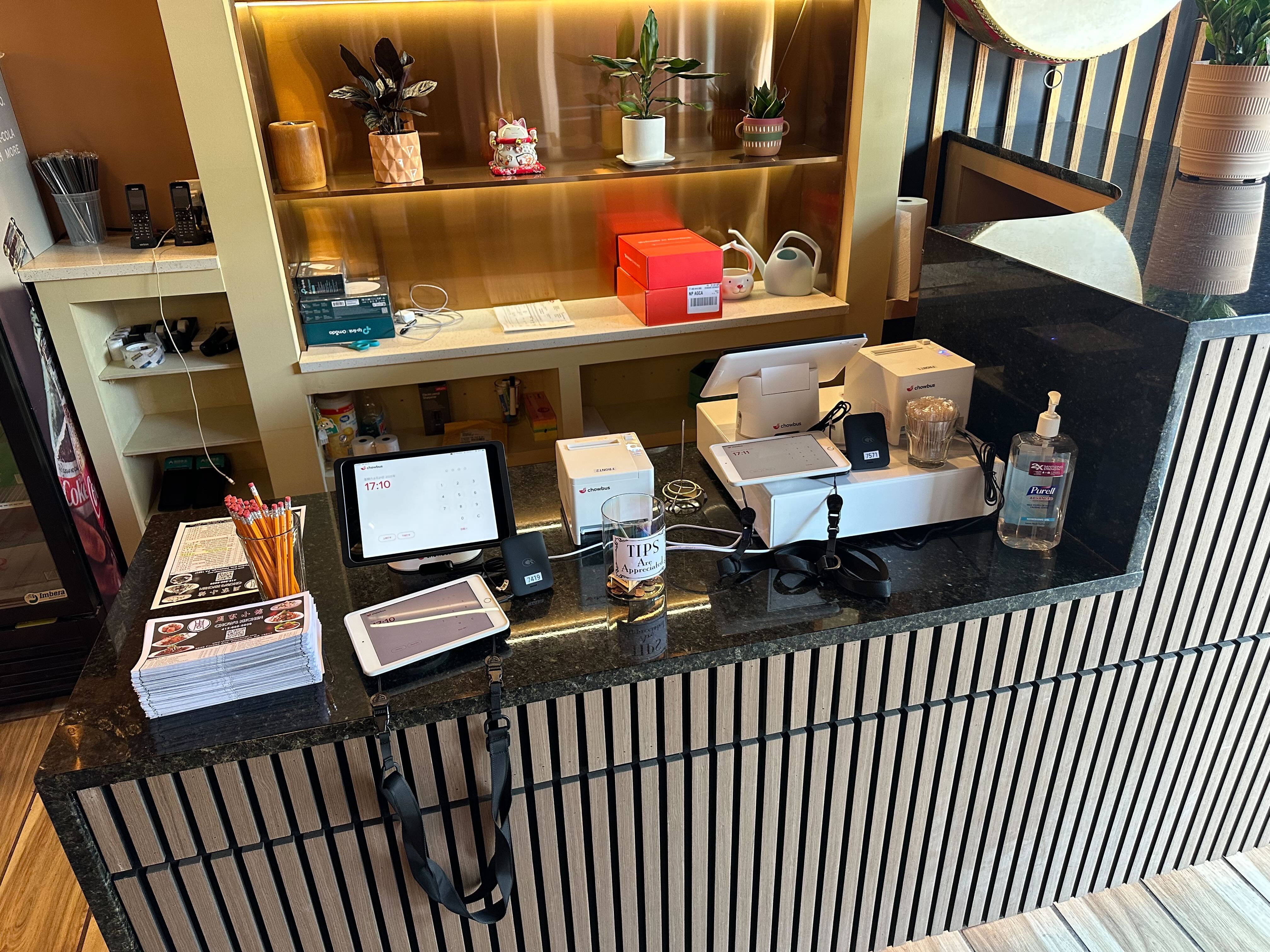
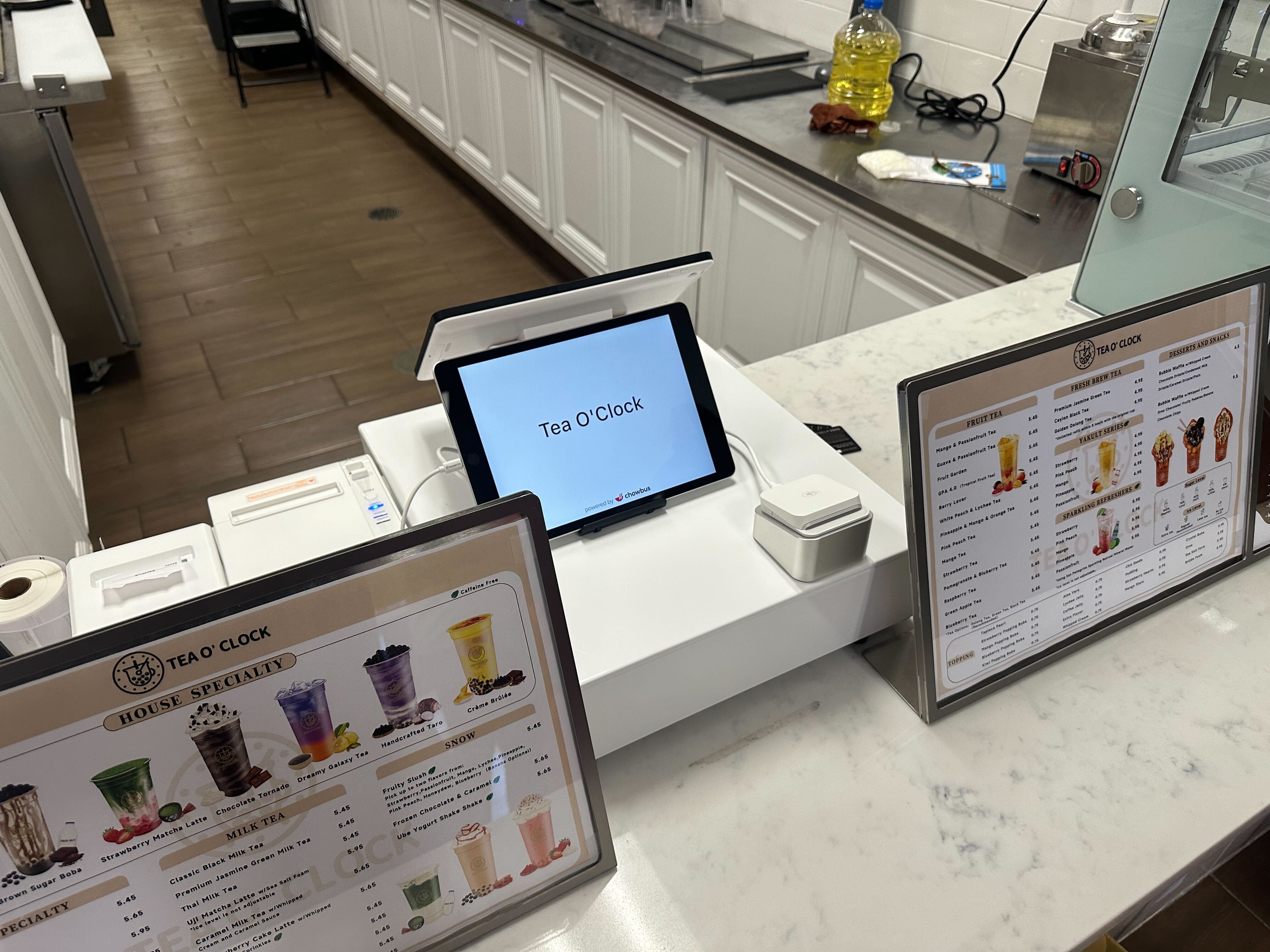
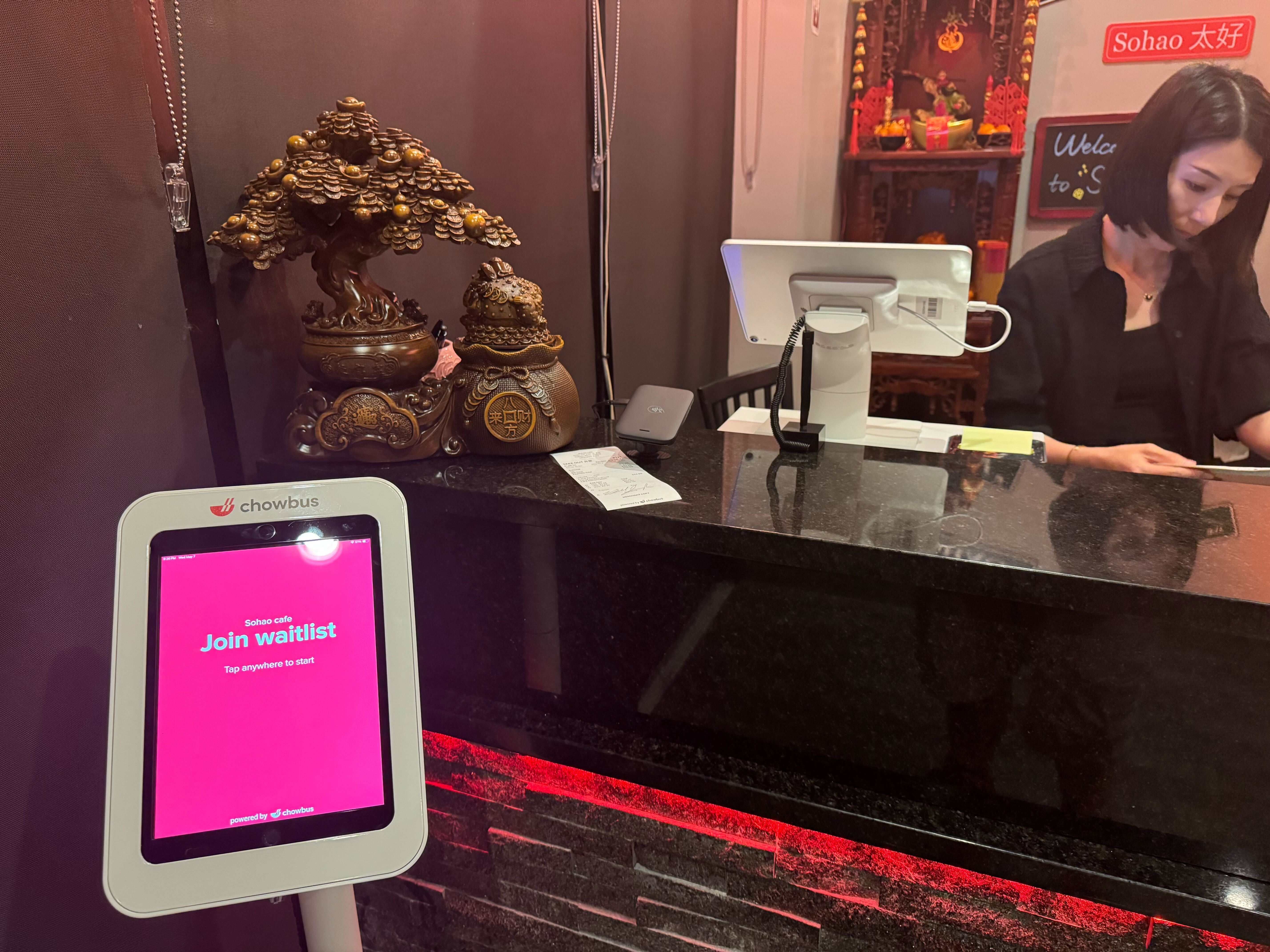
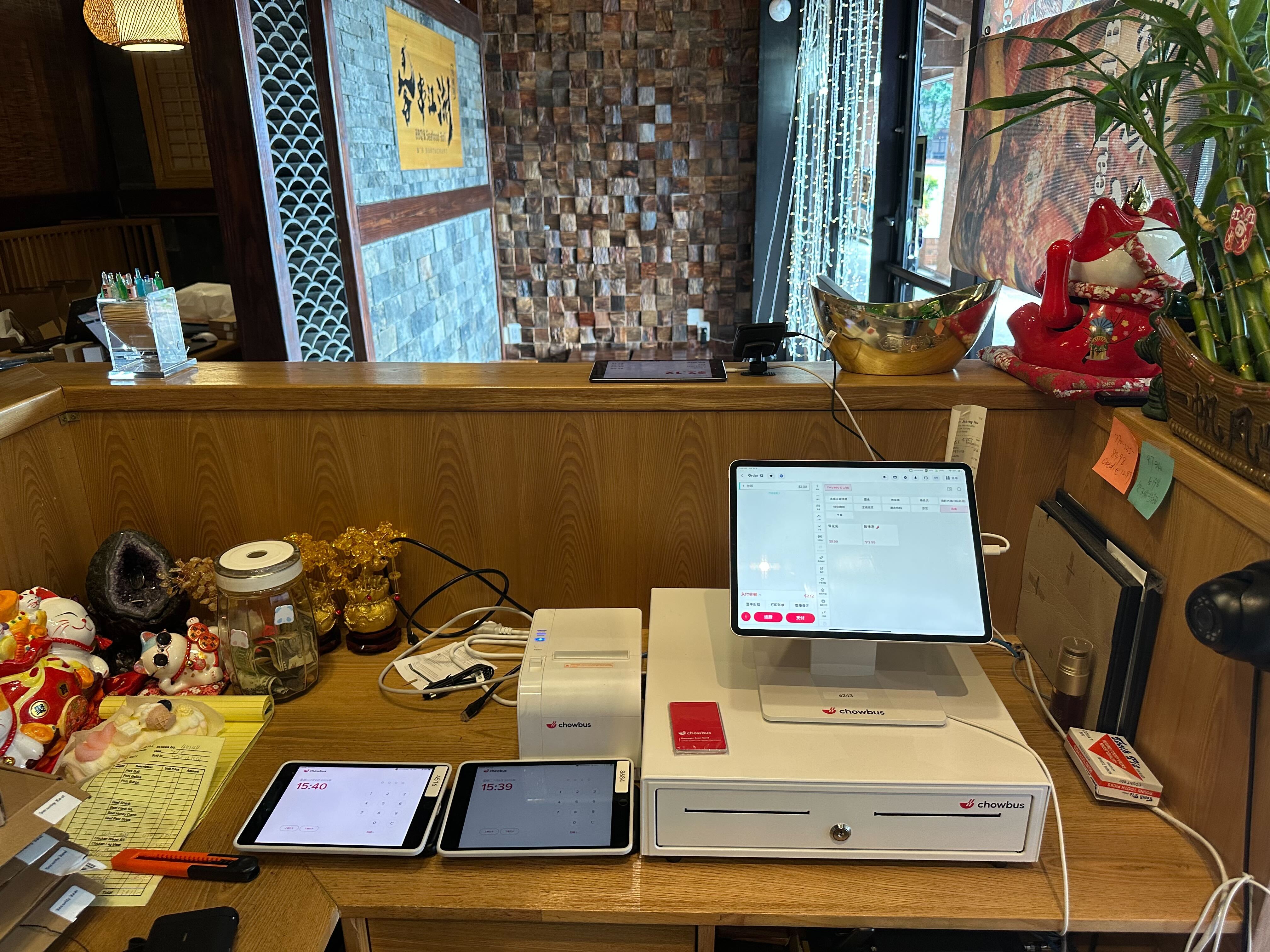
Chowbus was purpose-built for Asian restaurants from day one. Its multilingual menu system supports English, Chinese, Japanese, Korean, and Spanish on a single platform. The AYCE and hot pot management controls are native — not an add-on. The support team operates 24/7 in English, Mandarin, and Spanish, and the default support channel includes WeChat, which matters for Chinese-speaking operators. With 9,000+ restaurants across all 50 states, it's also the most broadly deployed Asian-focused restaurant POS in the U.S. market.
Even once you've narrowed down your list to one or two systems, there are specific questions you should ask before committing. These are the details that rarely show up in a sales demo but matter enormously in day-to-day operation.
Hardware flexibility. Some POS providers lock you into proprietary hardware that can only run their software. If you ever switch systems, you're left with useless equipment. Look for a cloud-based system where your data travels with you, not with the hardware.
Data ownership. Who owns your customer data, sales history, and loyalty records? This should be you, always. Ask the vendor explicitly whether you can export your full dataset at any time, in a readable format.
Support availability. For a Chinese restaurant owner, a support line that only operates during U.S. business hours in English is effectively unavailable during your busiest moments. Confirm that support is available 24/7 and that you can reach someone in your preferred language.
True total cost. Monthly software fees are just the start. Ask about payment processing rates, online ordering commissions, loyalty program costs, and any per-device or per-location fees. A system that looks cheaper upfront can end up costing significantly more once all fees are included.
Integration with delivery platforms. If you use DoorDash, Uber Eats, or Grubhub, confirm that orders from those platforms flow directly into your POS and kitchen display — not through a separate tablet. Managing multiple tablets for each delivery platform adds operational complexity and creates opportunities for errors.---
Choosing the right POS is only the first step. How you implement it matters almost as much as which system you choose. Here are the practices that experienced operators use to get the most out of their restaurant technology.
Build your menu right the first time. Take the time to enter every item with accurate modifiers, correct Chinese characters, pricing, and allergen notes during setup. Rushing the menu build leads to months of corrections and staff confusion. Most quality POS providers will offer onboarding support — use it fully.
Train your entire team, not just managers. A POS is only as effective as the people using it. Ensure that every server, host, and kitchen staff member understands the system at their station level. For bilingual teams, make sure training materials are available in both English and Chinese.
Activate your loyalty program on day one. Many restaurant owners treat loyalty as something they'll "get to later." The problem is that customer data you don't capture on day one is gone forever. Even a basic program — stamp card equivalent, digital — starts building the database that powers your remarketing campaigns later.
Review your data weekly. Cloud-based POS systems give you access to real-time sales reports, item performance data, peak hour analytics, and customer visit frequency. Set a weekly habit of reviewing these numbers. The insights don't come automatically — you need to look at them regularly to identify patterns and act on them.
Keep your menu current. Seasonal specials, price changes, and new items should go into your POS the same day they go on your physical menu. Discrepancies between your printed menu and your POS lead to order errors, awkward conversations at the table, and margin losses on items sold at the wrong price.---
Q1: What is the best POS system for a Chinese restaurant? A: The best Chinese restaurant POS depends on your specific operation, but any system you consider should natively support multilingual menus (English and Chinese at minimum), handle the dining formats you run — whether à la carte, family-style, AYCE, or hot pot — and offer 24/7 support in your language. Chowbus is the only cloud-based POS built specifically for Asian restaurants, supporting five languages and serving 9,000+ restaurants across all 50 U.S. states.
Q2: How much does a POS system cost for a Chinese restaurant? A: POS pricing typically includes a monthly software fee, hardware costs, and payment processing fees. Generic systems like Toast start at $69/month before hardware, while Clover can run $135/month or more. Some systems also charge per-order transaction fees — a significant cost for high-volume restaurants. When evaluating total cost, be sure to factor in support quality, how many devices you need, and whether online ordering incurs a commission.
Q3: Can I run a bilingual Chinese-English menu on most restaurant POS systems? A: Most general-market POS systems — including Toast, Square, and Clover — do not natively support Chinese-language menus. MenuSifu supports English and Chinese, but not additional Asian languages. Chowbus supports five languages (English, Chinese, Japanese, Korean, and Spanish) on a single platform, including display on kitchen screens, so your back-of-house team can read orders in the language they're most comfortable with.
Q4: Does a POS system help reduce labor costs for Chinese restaurants? A: Yes — when the right features are used. QR code self-ordering reduces the number of trips servers need to make to each table, allowing you to handle more tables with the same team. Integrated online ordering eliminates the need for a dedicated person to manage multiple third-party tablets. And automated loyalty marketing reduces the manual effort of running email campaigns. Together, these features don't replace your staff — they let your staff do more per shift.
Q5: What's the difference between Chowbus and MenuSifu for Chinese restaurants? A: Both are built for Asian restaurants, but they differ significantly on features and technology. MenuSifu lacks native QR code ordering and third-party delivery integration, uses an older technology stack, and charges per-order fees that add up quickly for busy restaurants. Chowbus includes QR ordering, delivery integrations, a modern cloud-based architecture, and 24/7 bilingual support via WeChat — all without per-order surcharges. Restaurants that have switched from MenuSifu frequently cite total cost savings as the primary driver of the decision.
Q6: How do I switch my restaurant from my current POS to a new one? A: A quality POS provider will handle the migration for you, including menu data transfer, staff training, and onboarding support. The key steps are: audit your current menu data and customer records, confirm your new system can import them, schedule training sessions for all staff before go-live, and plan your cutover for a slower business day — typically a Tuesday or Wednesday rather than a weekend. Chowbus provides bilingual onboarding support and a dedicated setup team for new restaurants.
The difference between a good Chinese restaurant POS and the wrong one isn't felt on day one. It shows up in the cumulative friction of every service — the server who has to repeat an order because the kitchen couldn't read the ticket, the loyal customer who never came back because there was no follow-up offer, the online order that sat on a separate tablet while your team was buried in the Friday rush.
Technology decisions in restaurants compound. A system that saves you 30 minutes of labor per shift, reduces two order errors per service, and brings back three lost customers per month looks unremarkable on any single day. Across a year, those numbers add up to something that shows clearly on your P&L.
For Chinese restaurant operators in the U.S., the window to build a modern, efficient operation on purpose-built tools has never been wider. The sector is growing, competition is intensifying, and the operators who will win are the ones who stopped adapting generic tools and found the ones that fit.