Here's a number worth staring at: on a $30 third-party delivery order, a 25–30% commission can take $7.50–$9 before you've paid for food, labor, or rent. Run a meaningful share of your sales through those platforms and the math gets bleak fast — you're working hard to grow revenue that mostly belongs to someone else. Commission-free online ordering is the answer most operators reach for, but "commission-free" is also a phrase that gets used loosely. This guide explains what it actually means, how it works, and why owning your ordering channel is about more than the commission — it's about owning your customers.
In one line: commission-free online ordering lets customers order directly from your restaurant — through your own site, app, or QR — without a third-party platform taking 20–30% per order, so you keep the margin and, just as importantly, the customer data and relationship.
Third-party marketplaces (the big delivery apps) charge a commission on every order — often 15–30% — in exchange for their marketplace and delivery network. Commission-free online ordering flips the model: customers order directly from your restaurant's own channel, and you pay a flat software fee (and standard payment processing) instead of a percentage of every sale. The difference compounds: a flat fee stays the same whether you do $10,000 or $100,000 in online orders, while a commission scales up forever. For a restaurant doing real online volume, that's the difference between a cost and a tax.
One honest caveat: third-party marketplaces also provide discovery — new customers who find you in the app. The smartest play isn't necessarily to abandon them entirely, but to stop routing your existing and repeat customers through a commission you don't need to pay, and move them to your direct channel.
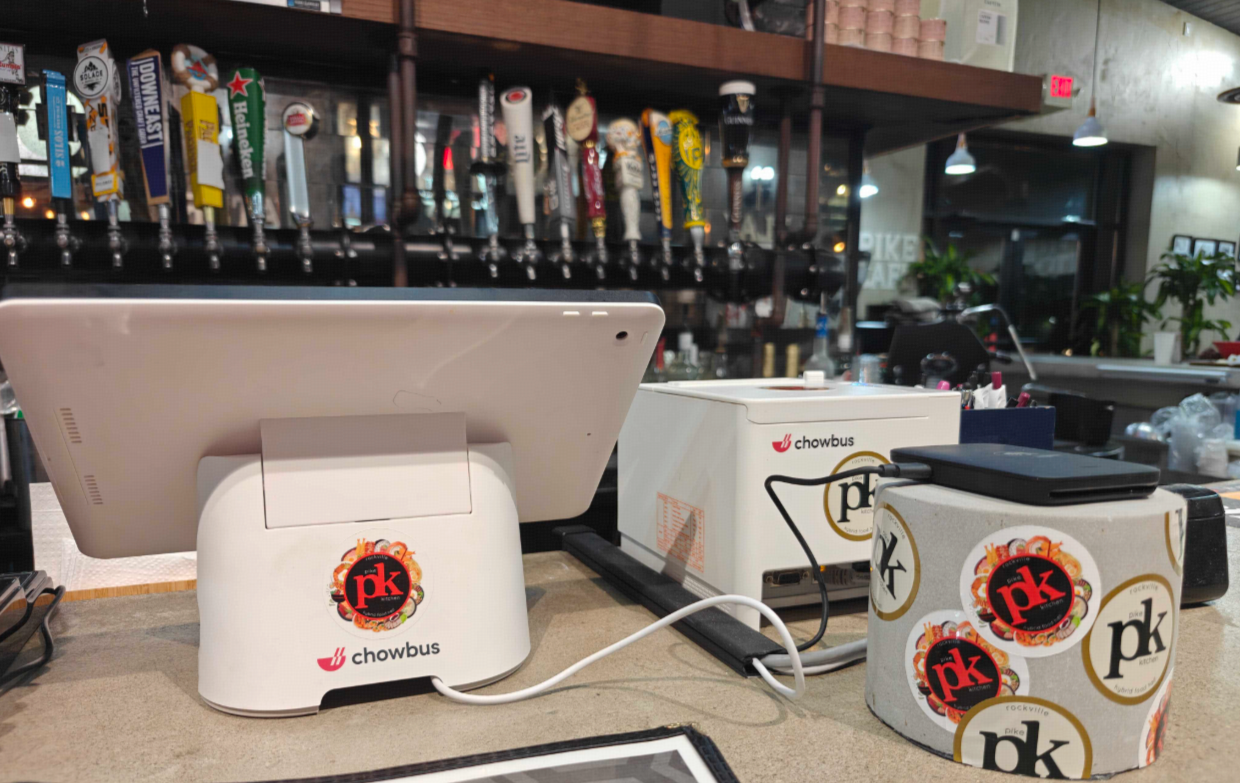
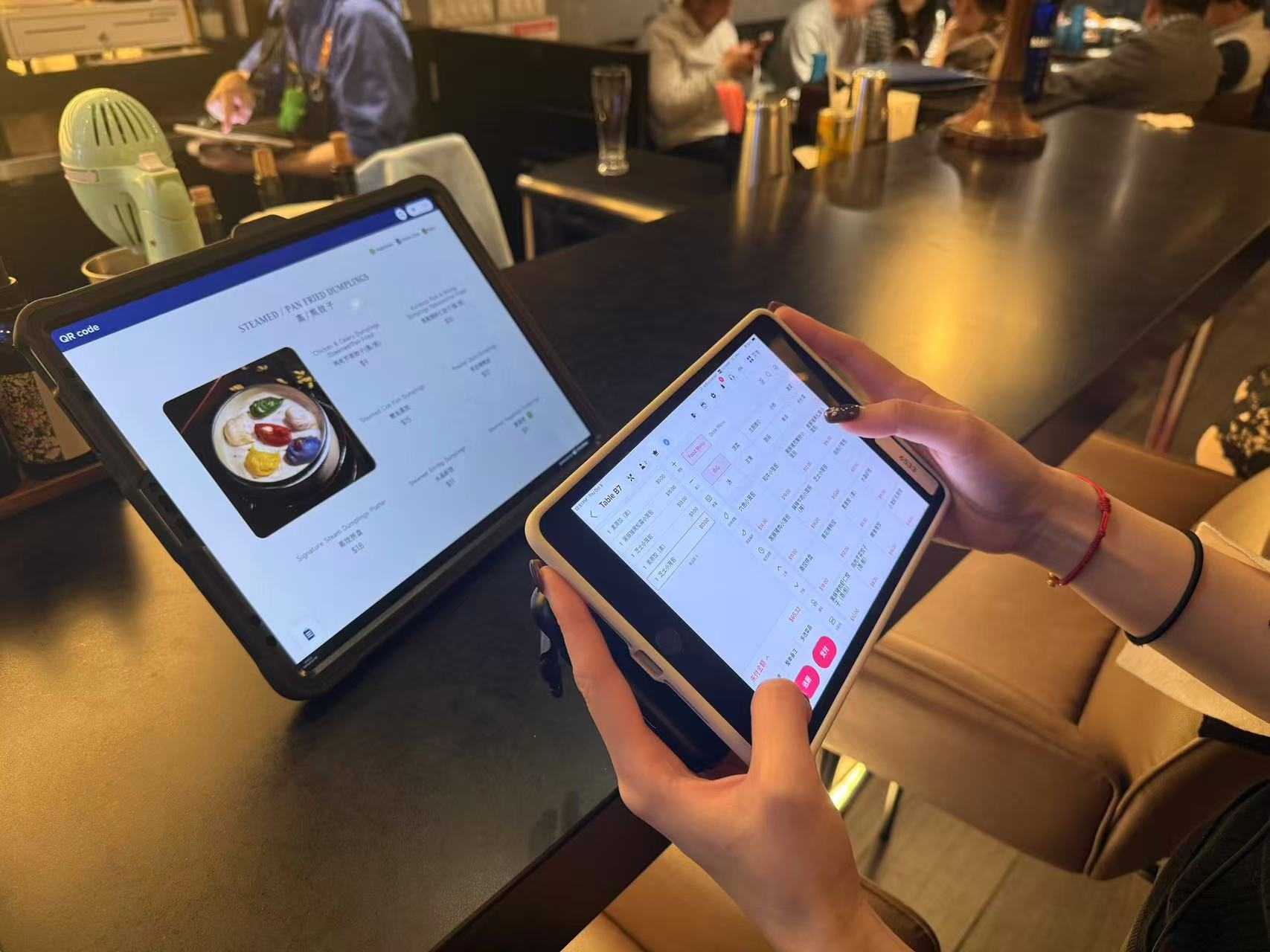
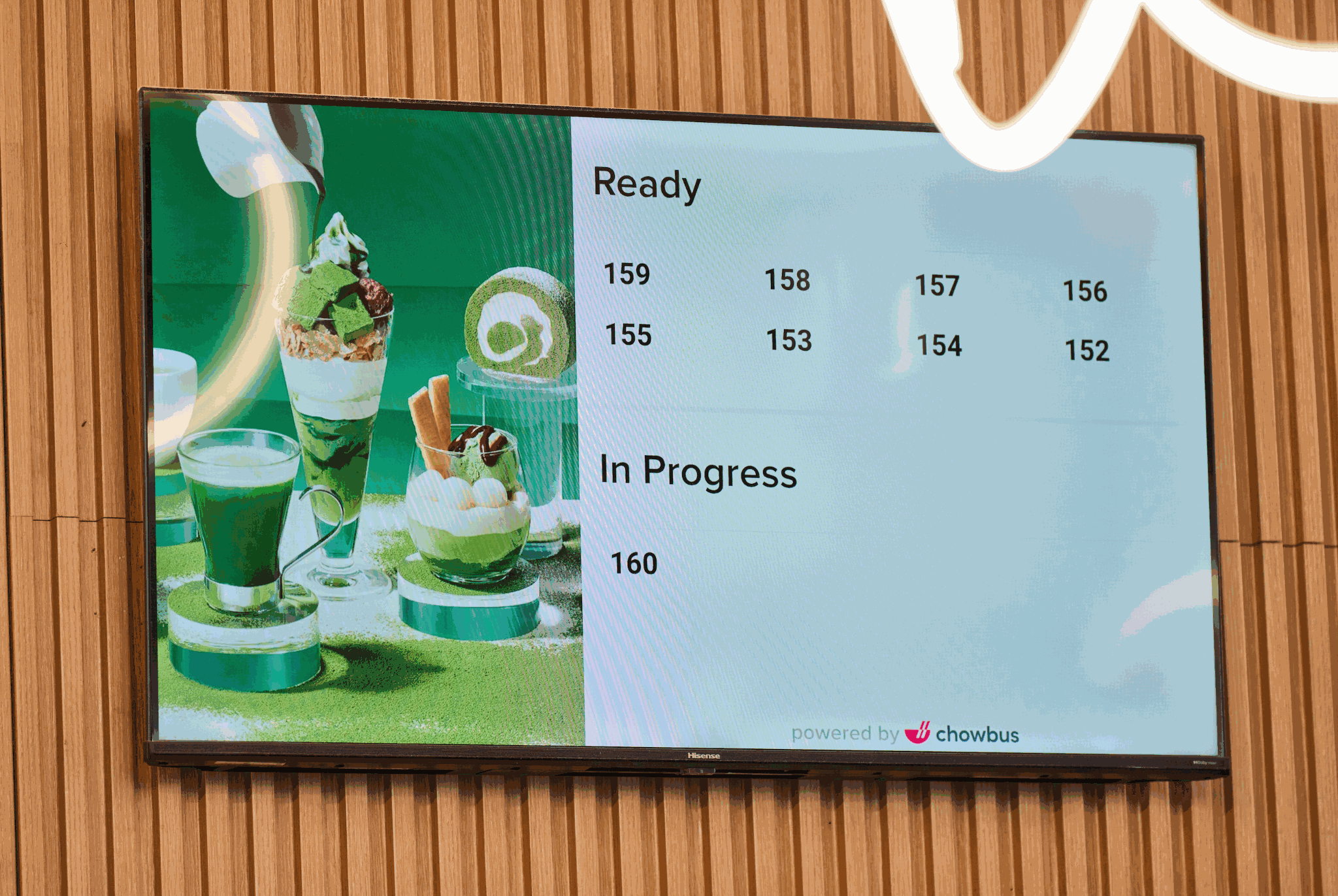
A direct ordering setup typically includes: an online ordering page or branded ordering experience tied to your menu, QR code ordering for on-premise and takeout, and orders that flow straight into your POS and kitchen with no re-keying. Customers browse your real-time menu, customize, and pay; the order hits your kitchen display or printer; and the customer's information stays with you. Because it's your channel, you control the menu, pricing, promotions, and — critically — the data.
The commission savings are the obvious win, but the deeper one is customer ownership. When a customer orders through a third-party app, the platform owns the relationship and the data — every repeat order pays the commission again, and you can't market to them directly. When they order through your channel, you capture their information, can enroll them in loyalty, and can bring them back with your own offers at no per-order cost. Over a year, the gap between "renting customers from a platform" and "owning them" compounds far beyond the commission line. This is the strategic case for direct ordering: it's not just cheaper, it builds an asset the platforms otherwise keep.
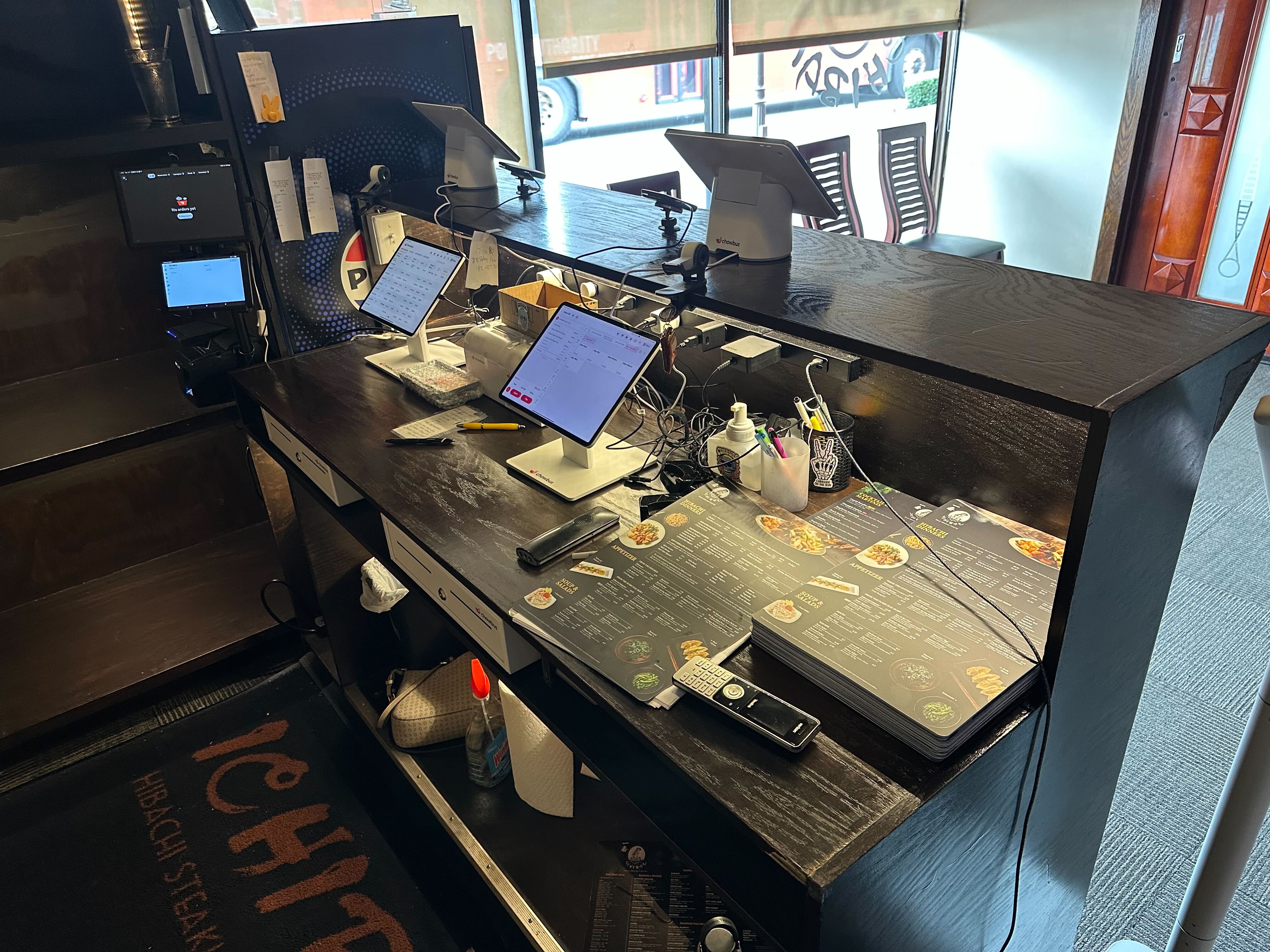
The mistake to avoid is bolting on a standalone online-ordering app that doesn't talk to your POS — you'll end up re-keying orders, juggling two menus, and reconciling two systems. The clean setup is online ordering that's part of your POS platform, so one menu drives the counter, QR, and online; an 86'd item disappears everywhere at once; and orders route to the kitchen automatically. For Asian restaurants, multilingual menus and bilingual support matter here too. Chowbus is the all-in-one AI POS purpose-built for Asian restaurants, with commission-free online ordering, QR, loyalty, and kitchen integration in one platform across 9,000+ restaurants in all 50 states and Canada — so direct ordering adds a channel, not a silo.
Building a commission-free channel is only half the job; getting customers to use it is the other half, and it's where many operators stall. Customers default to the apps out of habit, so you have to make your direct channel both visible and rewarding. Make it visible everywhere your customers already are: a prominent "Order Direct" link on your website and social profiles, QR codes on tables, receipts, takeout bags, and packaging inserts, and signage in-store. Make it rewarding with loyalty: when ordering direct earns points or perks that ordering through a marketplace doesn't, customers have a concrete reason to switch — and you capture their data in the process. The most effective migration is quiet and incentive-led rather than a confrontational "stop using the app" message, which rarely changes behavior on its own.
Timing helps too. The best moment to convert a delivery-app customer to your direct channel is right after a good experience — so an insert card in the takeout bag with a QR code and a first-direct-order incentive catches them when they're most receptive. Over months, these touchpoints steadily shift repeat orders off the commission and onto a channel you own, without alienating anyone.
The commission is the cost you can see; the data you don't capture is the cost you can't. When a customer orders through a marketplace, the platform — not you — knows who they are, what they order, and how to reach them. You get a sale and lose the relationship. Over a year, that gap quietly caps how much you can grow, because every marketing lever that works on existing customers — a win-back text, a loyalty offer, a new-item announcement — requires data you never collected. Owning a direct channel flips this: every order builds your own customer list, ties purchase history to a profile, and lets you bring people back at no per-order cost.
This matters more each year for two reasons. First, paid acquisition keeps getting more expensive, so the customers you already have are worth more — and you can only act on the ones you can identify and reach. Second, as AI and personalization reshape marketing, first-party data (data customers give you directly) becomes the asset that powers everything from targeted offers to smarter menus; restaurants that captured it have an advantage those renting customers from platforms don't. A direct, commission-free channel isn't just cheaper per order — it's how you build the customer asset that compounds. When that channel feeds a loyalty program inside your POS, every direct order makes the next campaign smarter, which is a flywheel a third-party app will never hand you.
There's a simple way to frame the choice. A commission is rent you pay on each sale and walk away from with nothing to show; a flat-fee direct channel is an investment that builds an asset — your customer base — that keeps paying back. Two restaurants doing the same online volume, one routing it through marketplaces and one through a direct channel, look identical this month but diverge sharply over a year: one has a list of customers it owns and can market to for free, the other has a stack of commission invoices and no way to reach the people who paid them. The earlier you start shifting repeat orders to a channel you own, the more that gap compounds in your favor.
Third-party marketplaces have their place for discovery, but routing your repeat business through a 20–30% commission is a tax you can largely stop paying. Commission-free online ordering keeps the margin on every direct order and, more valuably, keeps the customer relationship and data that let you bring people back without paying again. Set it up as part of your POS rather than a standalone app, capture customers into loyalty, and treat your direct channel as the place your regulars order — while using marketplaces only for the new-customer discovery they're actually good at. Explore commission-free online ordering built into one platform.
It lets customers order directly from your restaurant's own site, app, or QR without a third-party platform taking 20–30% per order. You pay a flat software fee plus standard processing instead of a percentage of every sale, keeping both the margin and the customer data.
Commonly 15–30% per order. On a $30 order, a 25–30% commission can take $7.50–$9 before food, labor, and rent — which is why moving repeat customers to a direct channel meaningfully protects margin.
It's free of per-order commission, but you typically pay a flat monthly software fee and standard payment processing. The advantage is that a flat fee doesn't scale with volume the way a commission does, so it's far cheaper at real online order volume.
Not necessarily — marketplaces provide discovery of new customers. The smart move is to keep them for discovery while moving your existing and repeat customers to your commission-free direct channel, where you also own the data and can use loyalty.
With an integrated platform, online orders flow straight into your POS and kitchen from one shared menu — no re-keying, no second system, real-time 86 sync. A standalone app creates a silo; built-in online ordering avoids it.
By the Chowbus Team · Updated 2026. Commission percentages are general industry figures; verify current rates with each provider. Chowbus is the all-in-one AI POS purpose-built for Asian restaurants, used across 9,000+ restaurants in all 50 U.S. states and Canada.

.jpg)