Every $100 ticket your restaurant pushes through a third-party delivery app comes back as roughly $72. The other $28 doesn't buy you anything you couldn't have built — it buys you visibility on someone else's shelf, on someone else's terms, for a customer who now belongs to them.
Across the platforms now processing close to $4 billion in restaurant transactions annually for Asian operators in North America, the line item growing fastest isn't food cost or labor — it's third-party fees. The math doesn't get better at scale. It gets worse, because every order that runs through a marketplace teaches the customer to order through the marketplace next time.
In this breakdown, you'll see what separates a real online ordering system from a glorified order-form widget, the numbers that actually move when you switch, and how to evaluate options without falling for the marketing.
Start with the gap most operators don't realize they're paying for.
The conversation about online ordering usually starts in the wrong place. Operators compare commission rates between DoorDash, Uber Eats, and Grubhub — 25% vs. 28% vs. 30% — without asking the bigger question: what would you pay to own the customer instead of rent them?
Three numbers settle the argument.
Commission paid. On $30,000 monthly third-party delivery sales at an average 27% commission, you ship $8,100 every month to platforms that did not cook the food. That's $97,200 a year — usually more than the salary of the person standing at your pass.
Repeat purchase rate. Third-party delivery customers come back to the marketplace, not to you. Direct online ordering customers come back to your URL or app. Industry benchmarks put direct repeat rates at 2 to 3 times marketplace repeat rates. The compounding effect over 24 months is enormous.
Customer data ownership. When a customer orders through DoorDash, you don't get the phone number, email, or order history. When they order through your own system, you do. The difference is the entire foundation of a loyalty program.
A real online ordering system is not "a website that takes orders." It's a customer acquisition channel that pays for itself within months and then keeps paying.
There are at least 40 vendors selling "online ordering" right now. Most of them are widgets — a hosted page with a menu and a Stripe form. That's not the product you actually need.
The features that distinguish a system worth paying for:
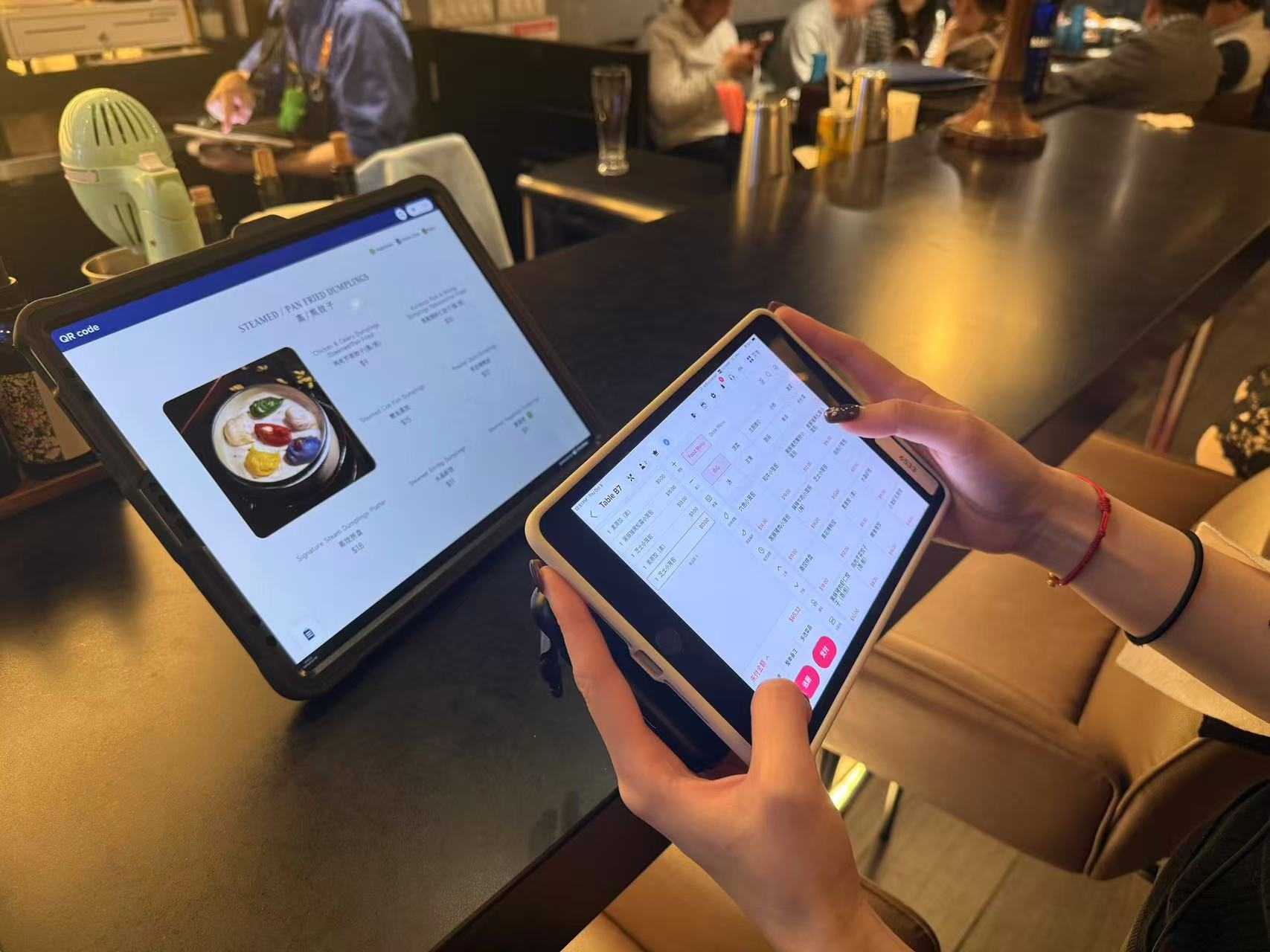
One menu, synced everywhere. Your dine-in POS, your pickup screen, your delivery, your kiosk — all reading from the same menu source. Update a price once. Mark an item 86ed once. The system updates everywhere within seconds.
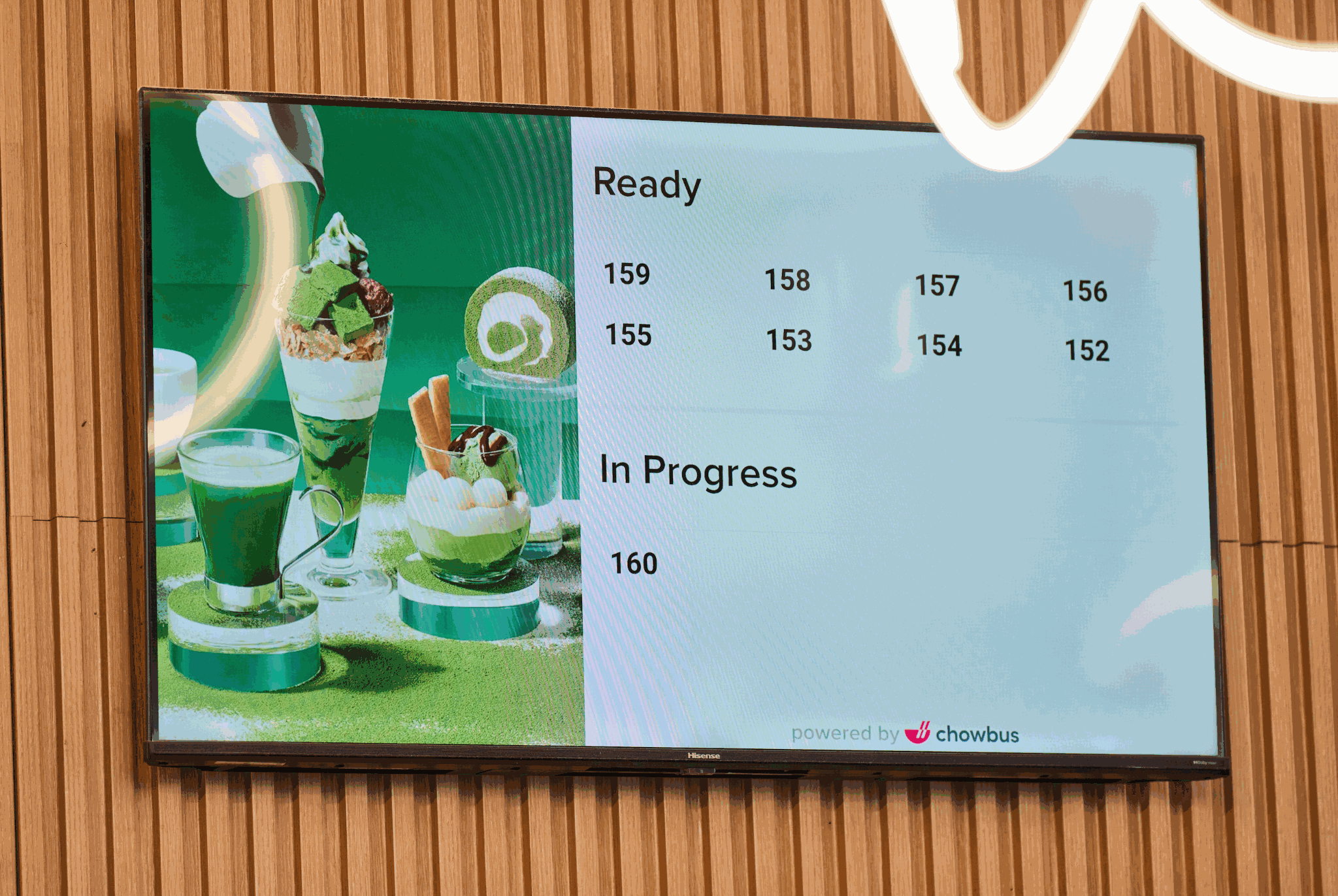
Order routing to the right station. A pickup order should print to the expo line. A delivery order should print with the driver instructions. A scheduled order should hold and fire at the right time. A widget can't do this. A system can.
Custom hours, prep times, and throttling. When the kitchen is buried, the system needs to extend prep times automatically or throttle the order count. Otherwise you'll have customers waiting 60 minutes for orders the system promised in 20.
Loyalty and customer database tied to the order. Every order updates the customer record. The fifth order triggers a "we miss you" email if they go quiet. The system knows the customer's favorite items and can surface them on the next visit.
Built-in marketing and SMS. Abandoned cart recovery. Birthday rewards. Win-back campaigns. Not as a $200/month add-on — built in, used by every restaurant on the platform.
Native delivery options. Either run your own drivers, or use a third-party fleet at flat-rate delivery fees instead of a 25-30% commission. The unit economics flip the moment you stop paying percentage commissions on the food.
If the system doesn't have these, you're buying a widget. Widgets are fine for a coffee shop. They lose money for a restaurant doing real volume.
The pattern across restaurants that move from third-party-dominant to direct-first is consistent enough to predict:
Months 1-2: third-party sales hold roughly steady. Direct sales pick up first from existing dine-in customers — the ones who get told at the table.
Months 3-6: direct climbs to 25-40% of total delivery and pickup. Third-party shrinks but doesn't disappear. Total online revenue is up, not down.
Months 7-12: direct stabilizes at 40-60% for restaurants that work the channel — meaning they put the URL on receipts, on bags, in DMs, on every staff member's apron. Commission savings start showing up as visible margin.
The restaurants that fail to shift this ratio aren't failing because the system doesn't work. They're failing because they didn't promote the channel they own. The system is necessary but not sufficient.
Five questions cut through 90% of the vendor pitches:
What's the commission or fee per direct order? If it's a flat fee or a small percent (2-5%) — that's the right answer. If it's anywhere near 15-30%, you've found a marketplace pretending to be a direct ordering system.
Does the same menu update reach my POS, my kiosk, and my online ordering simultaneously? If you have to update three places, you'll get out of sync, and out-of-sync menus produce refunds.
What does the customer data look like after the order? Do you get the phone, email, order history, items, and the ability to message them later? If not, you're still renting customers.
How does pickup vs. delivery vs. scheduled-for-later actually route in my kitchen? Walk through the printer flow on the demo, with your real menu.
What happens to existing third-party integrations? You shouldn't have to cut DoorDash on day one. The right system gives you a unified order view across all channels while you migrate customers over.
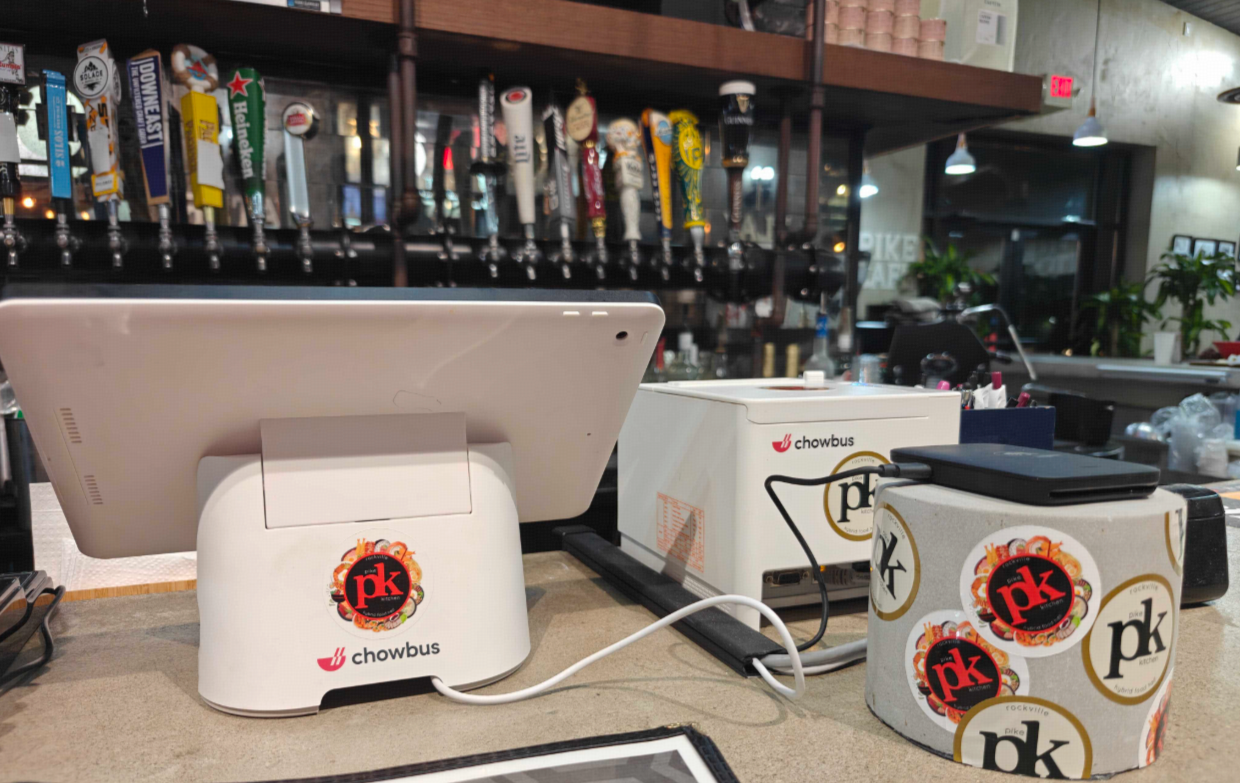
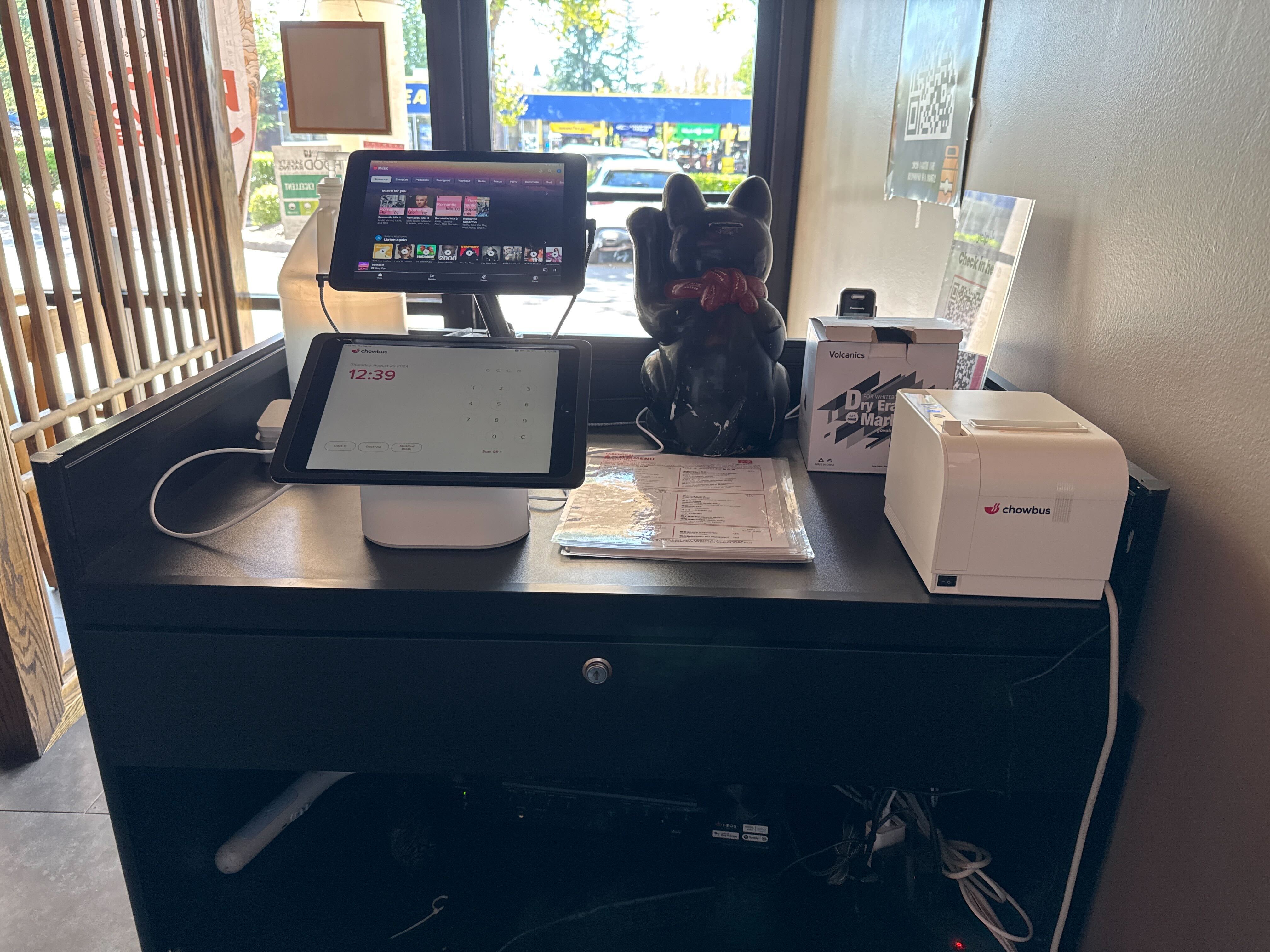
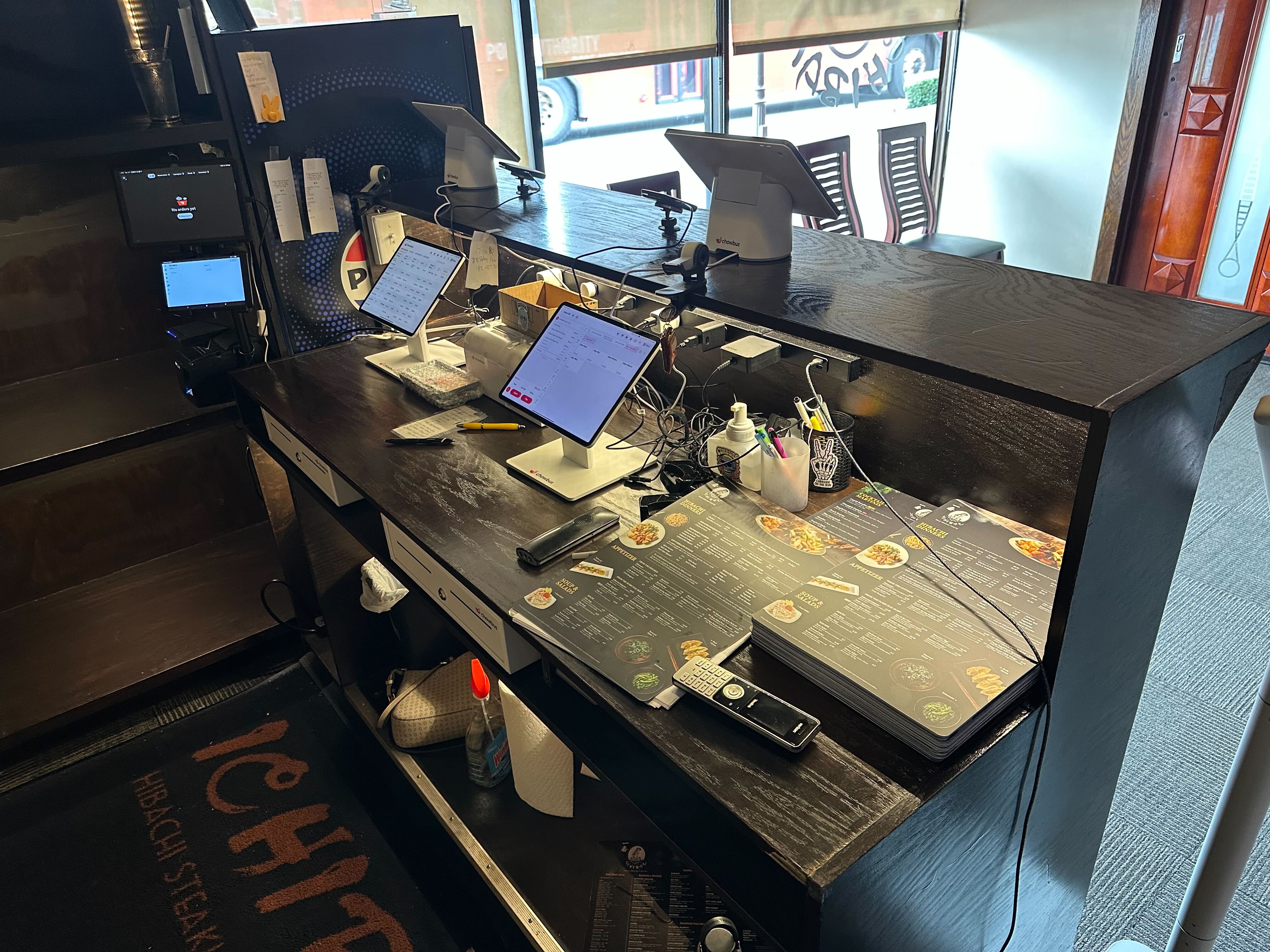
For Asian restaurants specifically, Chowbus's online ordering module is built into the same platform as the POS, kiosk, and loyalty system. One menu, one customer database, multilingual ordering pages in English and Chinese by default. No 25-30% commission on direct orders. Third-party delivery integration is included for the orders you do want to push through DoorDash or Uber.
The competitive picture is straightforward. General-market platforms like Toast and Square have credible online ordering modules — they just weren't designed for an Asian restaurant audience that needs bilingual menus and AYCE handling. Asian-restaurant-focused systems like MenuSifu don't offer third-party delivery integration at all, which forces operators to manage delivery on the side.
The right choice depends on what category your restaurant lives in. For a Chinese, Japanese, Korean, Thai, Vietnamese, hot pot, or bubble tea concept, a category-fit platform usually pays for itself within the first 90 days through commission savings alone.
Online ordering is no longer a side channel for restaurants. For most operators it's now 25 to 50% of total revenue — which means the system you choose isn't a software decision, it's a margin decision. Every percentage point of commission you avoid is a percentage point of margin you keep.
The math is rarely in dispute. The execution is. Restaurants that win the channel are the ones that pick a system that owns the customer relationship, then actually work the channel — the URL on every receipt, every bag, every social post. The system is the foundation. The work is the building.
If you're an Asian-restaurant operator and your current ordering setup is a third-party-only model with a widget on the side, the unit economics will keep getting worse until you change the structure. The change isn't hard. It just doesn't happen on its own.
Q1: What is the best restaurant online ordering system in 2026? A: "Best" depends on the restaurant category. For Asian restaurants specifically, the best system is one that combines bilingual ordering pages, integrated loyalty, native delivery routing, and a low direct-order fee. Chowbus, Toast, and Square all offer credible options — but only Chowbus is built around Asian-restaurant defaults.
Q2: How much does a good online ordering system cost? A: Plan for $30 to $150 per month in software fees plus a small direct-order fee (2-5%) or flat per-order fee. Avoid systems that charge 15%+ of order value on direct orders — that's marketplace pricing in disguise.
Q3: Is it worth dropping DoorDash and Uber Eats? A: Almost never drop them entirely. The right play is to add a direct channel, promote it relentlessly at the table and on receipts, and let third-party share shrink naturally as customers learn the direct option exists. Most restaurants land at 40-60% direct within a year.
Q4: How fast can I launch online ordering at my restaurant? A: Two to four weeks is typical if your menu is already digitized in a modern POS. Longer if the menu is on paper and modifiers need to be rebuilt from scratch.
Q5: Do online ordering platforms integrate with my POS? A: The good ones do. If they don't — meaning orders fall into a separate tablet and don't flow into your POS — you'll have reconciliation problems every week. Integrated is non-negotiable.
Q6: What's the difference between Chowbus and Toast for online ordering? A: Both integrate ordering directly into the POS. The key difference is the audience and defaults. Toast is built for the general U.S. restaurant market. Chowbus is built specifically for Asian restaurants — multilingual menus, AYCE workflows, bilingual support, and a customer base of 9,000+ Asian operators.

.jpg)