A restaurant opening checklist only protects your opening date when every item on it has a deadline. Most late openings trace back to a handful of items with long lead times, such as health department plan review, a gas meter, an internet line, a liquor license or payment account approval, that were started a few weeks too late. Once one of those slips, the opening date slips with it, while rent and payroll keep running.
This checklist covers the last 90 days before opening and groups the work into seven workstreams: licenses and inspections, build-out and utilities, vendors and food cost, hiring and training, menu and pricing, technology and payments, and marketing with a soft opening. Each workstream has a deadline tag that says how many days before opening it must be finished. The day counts are a planning guide, not legal deadlines, and rules cited here are current as of November 2026, so confirm each requirement with your city, county and state. If you are taking over an existing business, work through our buying an existing restaurant checklist first, since the license, lease and equipment questions differ.
Pick a target opening date and call it Day 0. Count backward from there, so "Day 30" means thirty days before you open. Write that date at the top of every page, because every deadline below hangs from it.
Give each workstream one owner. In a small restaurant that may be you for most of them, with a chef or general manager taking menu and vendors. The point is that every item has a name next to it, so nothing sits in the gap between two people who each assumed the other was handling it.
Hold a short weekly review, around thirty minutes, where each owner reports only what is late or at risk. When an item with a long lead time slips, decide that day whether to push Day 0 or find a workaround. Moving the date early, before you announce it, is cheaper than moving it after invitations go out and staff are on payroll.
Deadline tag: applications filed by Day 90 or earlier, and every final inspection passed with the operating permit in hand by Day 7.
This workstream has the longest lead times and the least control, because the schedule depends on government offices. Start it first and check on it every week.
Keep a binder or shared folder with every application, receipt and approval. Inspectors and landlords will ask for copies, and you will need them again when you renew.
Deadline tag: construction finished and all utilities live by Day 21, with every piece of equipment installed and tested by Day 14.
Even if your space is a second-generation restaurant, plan on repairs, upgrades and at least one surprise behind a wall. Utility work often waits on outside companies, so order early.
Walk the space during a mock service with staff in position. Problems like a door that swings into the pass or a missing outlet at the expo station are cheap to fix before Day 14 and expensive afterward.
Deadline tag: vendor accounts approved by Day 30, and the first full delivery received three to four days before the soft opening.
Vendor credit applications, delivery schedules and minimum orders all take time to settle. Asian restaurants often need both a broadline distributor and one or more specialty suppliers for items such as rice, noodles, sauces and frozen dumplings, so plan for several accounts.
Order lighter than you think for the soft opening and the first week. It is easier to add a delivery than to throw out product because the menu changed after the first few services.
Deadline tag: managers hired by Day 60, hourly staff hired by Day 21, and training run during the final 14 days.
Hiring takes longer than most owners plan for, and the paperwork has fixed federal deadlines. Set up payroll before anyone's first shift, including paid training days.
Plan at least two full practice services before the soft opening. Staff learn the menu faster by cooking and serving it than by reading it.
Deadline tag: menu and prices locked by Day 30, so menus can be printed, photographed and loaded into the POS.
Changing the menu late creates work across every other workstream: new vendor items, new recipe cards, reprinted menus and reprogrammed buttons. Set a firm lock date and hold to it.
Launch with a slightly smaller menu than your final plan. You can add dishes once the kitchen is running smoothly.
Deadline tag: payment account approved by Day 30, POS and network installed by Day 14, and a full test of orders, payments and refunds finished by Day 7.
For device-by-device detail on terminals, printers and kitchen screens, use our point of sale hardware checklist for a new location. This list covers the setup work around the hardware.
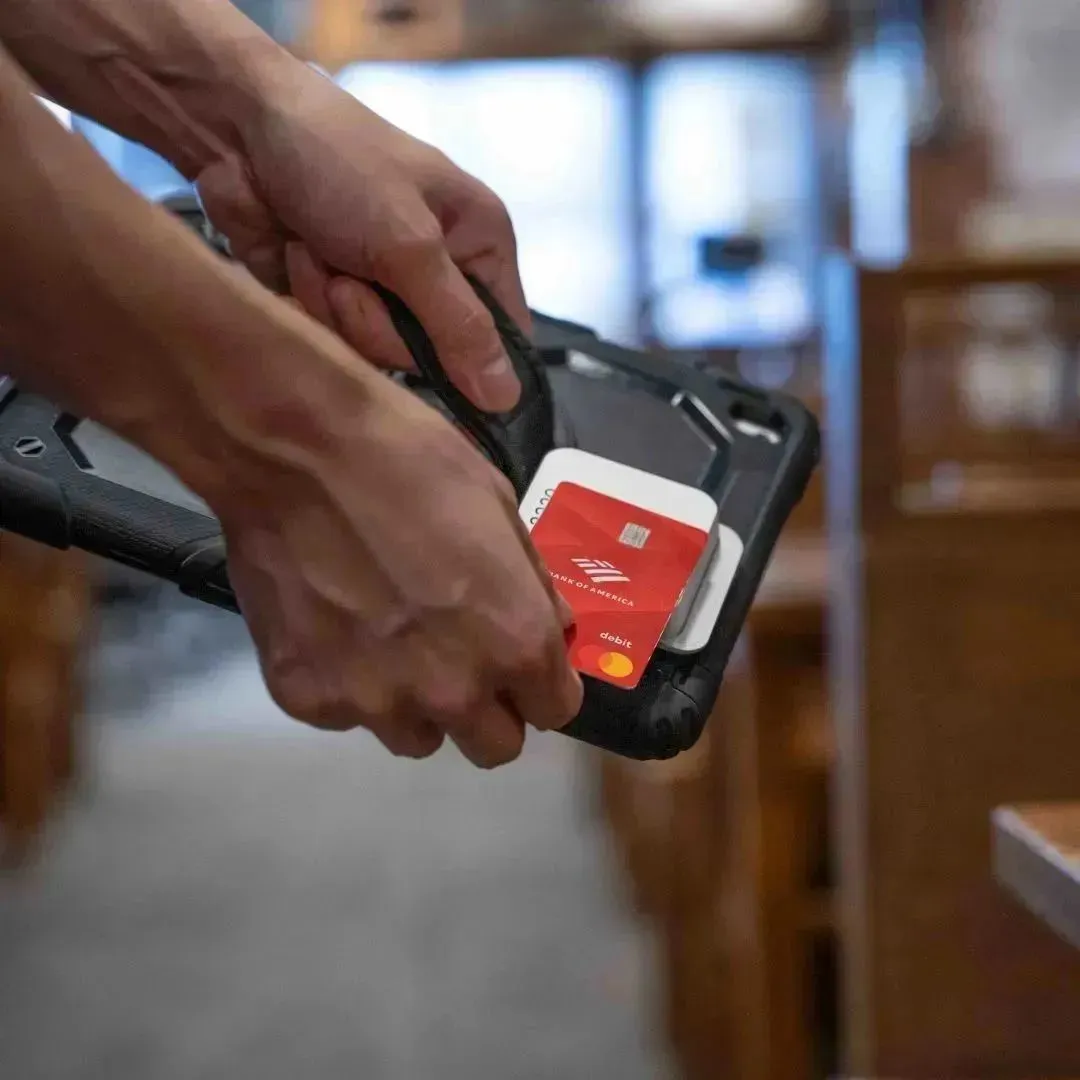
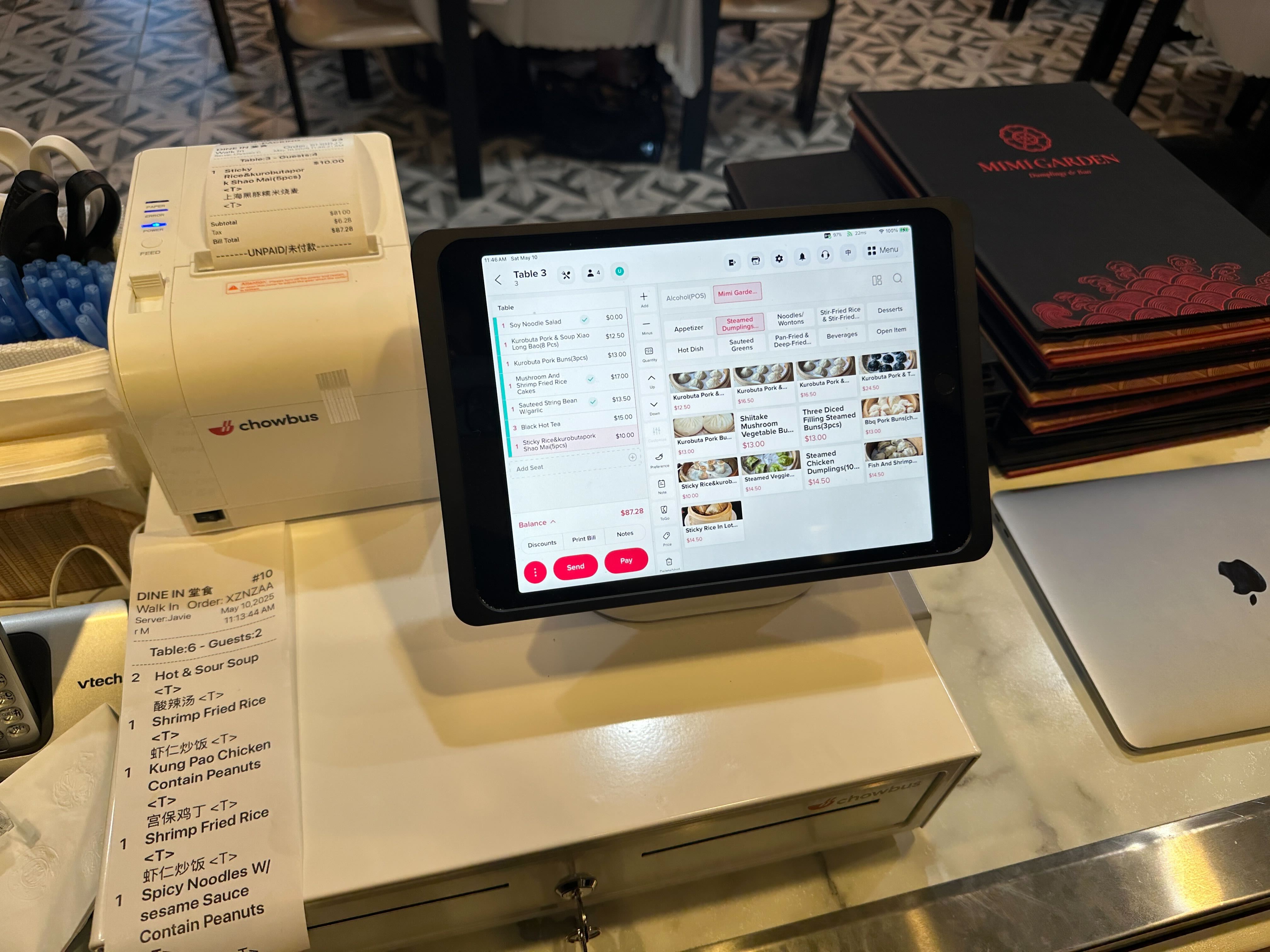
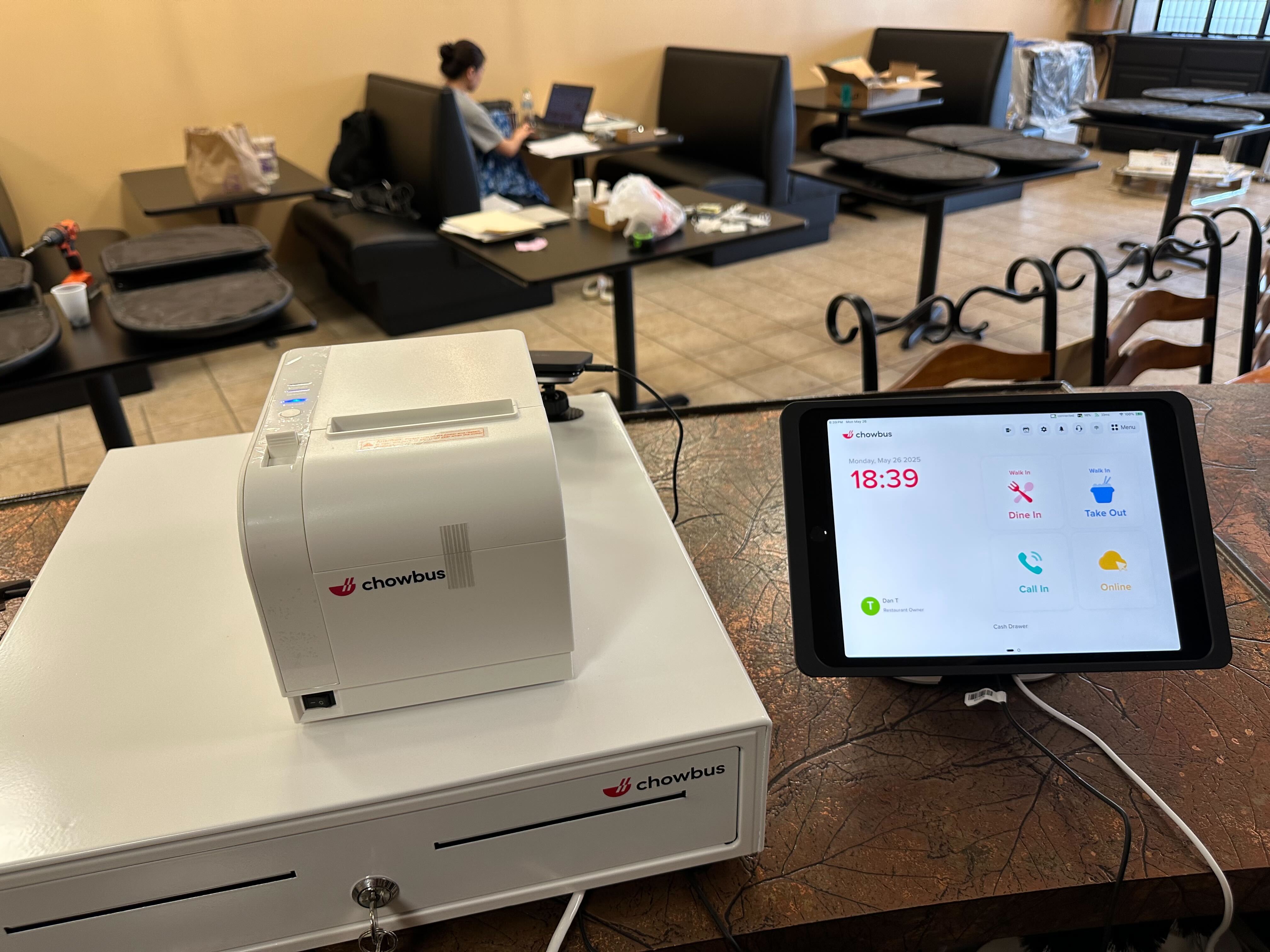
Many POS providers help with this setup. Chowbus's POS for new restaurants, for example, includes professional network installation, on-site hardware setup, team training and 24/7 support, which takes several of these items off your own list. Whichever provider you choose, ask for their installation and training dates in writing and work backward from Day 14.
Deadline tag: online listings claimed by Day 60, an invite list ready by Day 14, and the soft opening held three to seven days before the public opening.
Guests cannot visit a restaurant they cannot find. Get your listings up early and use the soft opening as a dress rehearsal with real guests.
Run at least two soft opening services, ideally one lunch and one dinner, with full staff on the schedule. Afterward, meet with the team, fix the top problems and adjust prep levels before you open to the public.

Q1: What is a restaurant opening checklist?
It is a list of every task that must be done before a restaurant serves its first public guest, from licenses and inspections to hiring, vendors, menu, technology and marketing. A useful version assigns each task an owner and a deadline counted back from the opening date, so long lead-time items start early enough.
Q2: How far ahead should I start my restaurant opening checklist?
Start at least 90 days before your target opening, and earlier if you need a liquor license or major construction. Permits, utility work and payment account approval have lead times you cannot shorten. Starting late is the most common reason opening dates slip.
Q3: Is the checklist different when buying an existing restaurant?
Yes. When you buy an existing restaurant, many permits do not transfer automatically, and you need to review the lease, equipment condition, existing contracts and the POS setup. Those items come before the opening checklist here, which assumes you are setting up operations in a space you control.
Q4: Which opening costs do owners most often leave off the checklist?
Common gaps include utility deposits, permit and inspection fees, wages for paid training days, opening inventory, soft opening food and packaging, and spare equipment. These rarely appear in the build-out budget but all come due before the first sale. List them as their own budget lines with real quotes.
Q5: What if the health inspection is delayed a week before opening?
You cannot serve the public without the permit, so move the public opening and tell staff and guests right away. Use the extra days for more training services, and ask the health department whether an earlier inspection slot can open up. Leaving a week of buffer between the inspection and Day 0 helps avoid this.
Q6: What should I do first if I have just signed a lease?
Set Day 0, write the seven workstreams on one page and assign an owner to each. Then call the health department and the building department to learn their review times, and order the internet line and utilities that same week. Those answers will tell you whether your opening date is realistic.
A restaurant opening checklist works when it is grouped by who owns the work and dated backward from the day you open. Permits, utilities, vendor accounts, hiring paperwork, the menu lock, payment approval and listings each have their own lead time, and the earlier you know those dates, the fewer surprises reach your opening week.
Set your Day 0 this week, give every workstream an owner, and review what is late every Monday until you open. Confirm each legal requirement with your local authorities, keep a week of buffer before the public opening, and treat the soft opening as the final test of everything on the list.