A poke shop looks simple from the customer side of the glass: pick a base, pick a fish, add whatever you like, and pay. Behind the glass, every one of those choices is a business decision. The base decides your rice safety plan. The protein decides your supplier paperwork. The mix-ins and toppings decide your food cost, and the way customers order decides how many people you need on the line at noon. If you want to know how to start a poke bowl business, the most useful place to begin is the line itself, station by station.
This guide follows a bowl from the rice well to the payment screen and attaches the startup decisions to each stop: sourcing raw fish you can legally serve, holding rice safely, controlling portions, mapping allergens, pricing add-ons, and taking custom orders without slowing the line. If you are still deciding whether poke fits your menu at all, start with our overview of what a poke bowl is. Food safety rules here come from the FDA Food Code and local health departments, which adopt it with their own changes, so confirm every requirement with your local health department before you finalize your plan.
Most poke shops are counter-service, with a build-your-own line where staff assemble the bowl in front of the customer. Some add a short list of signature bowls for guests who do not want to choose. The format decides your square footage, how many staff you need, and how fast you can serve at lunch. A food-court stall or small inline storefront can work with one long prep counter and a cold display case; a larger dine-in space adds seating, restrooms and more build-out cost.
Decide the menu shape before you sign a lease. A build-your-own menu with six proteins, ten mix-ins and fifteen toppings gives customers thousands of combinations, but every item is another container to prep, label, rotate and count. Many new operators launch with fewer options than they want and add items once they see what sells. A tight menu also keeps your cold case shorter, which matters in a small space where every foot of counter is rent.
Plan the line so it flows one way: order, base, protein, mix-ins, sauce, toppings, pay. Two people can run a modest lunch if the line is laid out in that order and the high-volume items sit closest to the assembler. Put the hand sink, glove station and backup inserts within reach so nobody walks away from the line during the rush.
Rice is the base of most bowls, and cooked rice is a food health codes treat as needing time or temperature control for safety. That means you have three practical options: keep it hot (135°F or above under the FDA Food Code), keep it cold (41°F or below), or hold it at room temperature under a written time control procedure. Health departments such as the Snohomish County Health Department in Washington and Orange County Health Care Agency in California describe the same time rule: rice held at room temperature without other controls must be served or thrown away within four hours, with the discard time marked on the container.
Sushi-style seasoned rice can sometimes be held longer if vinegar brings its pH below a set limit, but both of those health departments require an approved HACCP plan before you rely on acidification, which means lab testing, a written plan and a review period. Most new shops start with time control because it needs only a written procedure and good labeling. Cook rice in smaller batches timed to your traffic so you are not dumping a full well at 2 p.m.
Offer a second base, such as greens, brown rice or noodles, to widen your audience. Each base is another holding rule to write down, so keep the list short at launch.
"Sushi-grade" and "sashimi-grade" are supplier terms with no legal definition. What the health code cares about is parasite destruction. Under section 3-402.11 of the FDA Food Code, as adopted by states such as Minnesota, fish served raw must first be frozen at -4°F (-20°C) or below for seven days, or held at -31°F (-35°C) under one of two shorter schedules. The code exempts certain tuna species, including yellowfin, bigeye and bluefin, and aquacultured fish such as farmed salmon raised on formulated feed, along with a few other products.
In practice, most poke shops buy fish already frozen by the supplier and keep a supplier letter on file stating the species, freezing temperature and duration. Fairfax County's health department, for example, lists what that letter must include, and inspectors review it. If you freeze fish yourself, many jurisdictions require you to keep freezing records for 90 days beyond the time of service. Ask each supplier for their parasite destruction letter before your first order, and ask your health department whether your menu also needs a consumer advisory, the menu notice the Food Code requires when you serve raw or undercooked animal foods.
Tuna also needs steady cold-chain control, because poor temperature handling can lead to histamine formation that cooking or freezing does not remove. Receive fish at the right temperature, log it, and reject deliveries that arrive warm. Add at least one cooked protein, such as chicken or tofu, for guests who do not eat raw fish; it widens your lunch crowd and gives you a lower-cost option.
Mix-ins are cucumber, onion, edamame, seaweed salad, cabbage, corn and similar items that get tossed with the protein or layered on the base. They look cheap, and individually they are, but a generous hand on six of them adds up across hundreds of bowls a week. The business decision at this station is portioning: fixed scoops for each item, a stated number of included mix-ins, and a clear price for extras.
Write prep par levels for each mix-in by daypart so the morning crew knows how much to cut. Track waste for the first few weeks; items that are prepped daily and thrown out daily are candidates to cut or to move to a paid add-on. Pre-portioning a few items into small cups during slow hours can speed up the lunch line without changing the bowl.
Sauces carry a large share of a poke bowl's allergens. Shoyu-based sauces usually contain soy and wheat, spicy mayo usually contains egg, and sesame oil and seeds appear across many recipes. Sesame became the ninth major food allergen in the United States under the FASTER Act, effective January 1, 2023, according to the FDA, joining fish, shellfish, soy, wheat, egg and the other major allergens that are common on a poke line.
Build an allergen map before opening: every sauce, mix-in and topping against each major allergen. Post it for staff, put it in your ordering screens, and train the line on glove changes and clean utensils when a guest flags an allergy. Color-coded squeeze bottles and labeled lids help a new hire grab the right sauce under pressure. Keep the number of sauces modest; each one is another recipe to keep consistent and another line on the allergen map.
Toppings are where guests personalize the bowl and where a poke shop can lift its average ticket. Crispy onions, furikake, sesame seeds and pickled ginger are low-cost and usually included. Avocado, masago, crab salad, extra protein and specialty items cost more and are commonly priced as add-ons. The decision here is which items are free, which carry a charge, and how clearly that is shown.
Write a recipe cost for every topping by the portion you actually serve, not the portion you planned, and check it again after a few weeks of real service. Price premium toppings so each one covers its cost with room for waste. When the menu board or ordering screen shows a photo and the price next to the option, guests are less likely to feel surprised at the register, which also cuts down on remakes and arguments at pickup.
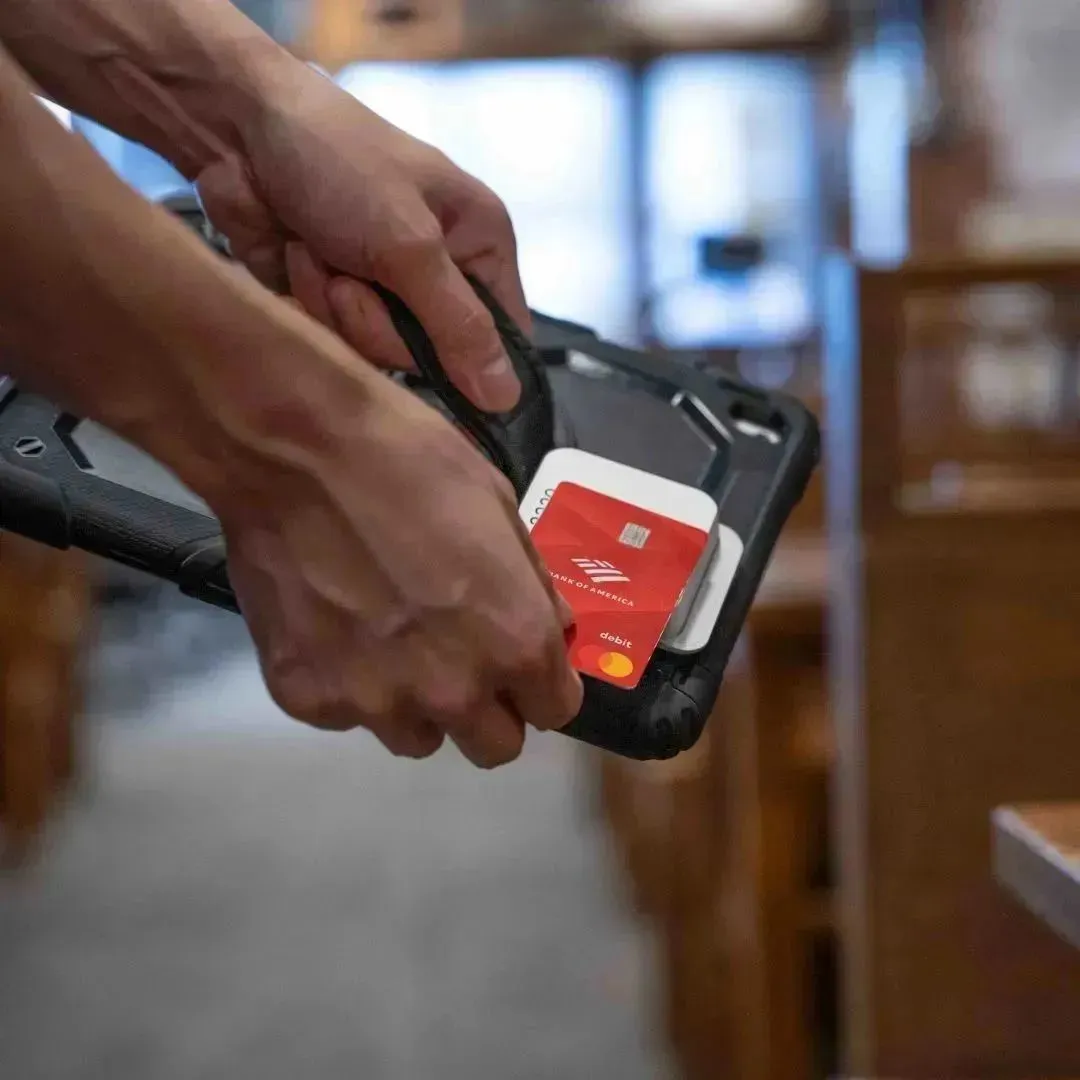
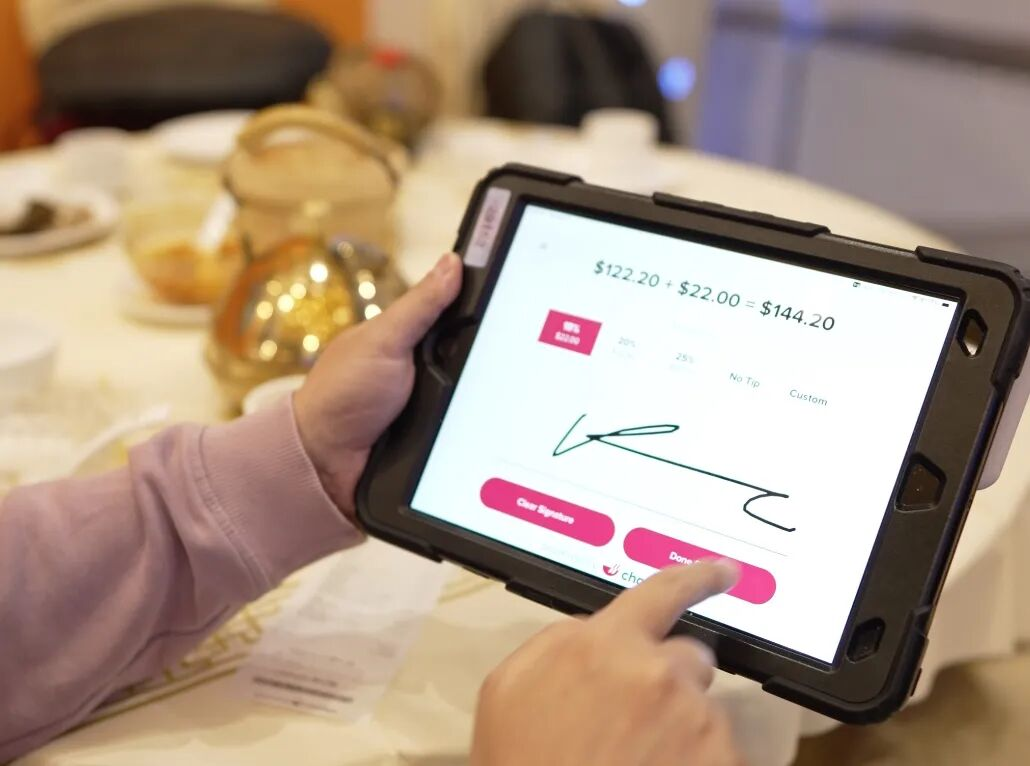
A custom bowl is a long order to take by voice. Base, protein, five mix-ins, two sauces, three toppings and an add-on means a dozen choices, each one a chance for a misheard item. At the register, that slows the line and creates remakes. This is why many build-your-own concepts add self-ordering kiosks and online ordering: the guest taps through each choice at their own pace, sees prices for extras, and the order reaches the line in a fixed order that matches the stations.
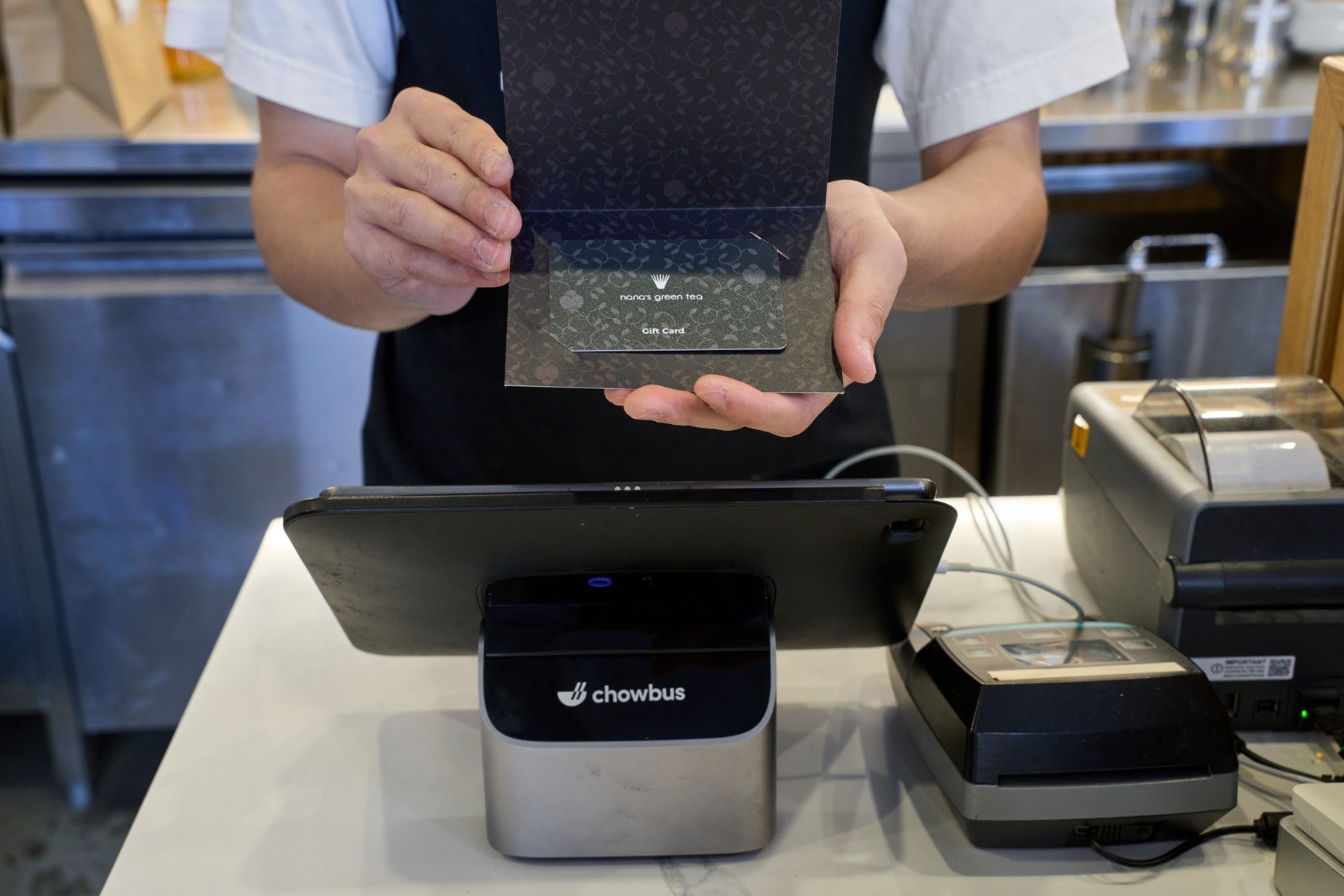
If you go this route, set up the menu so the steps on screen follow the steps on the line, with clear limits on included items and prices on extras. A restaurant self-ordering kiosk such as Chowbus's lets guests pick options and add-ons, then sends the order to the kitchen display or printer and can notify guests on a pickup screen. Keep a staffed register for guests who prefer to order with a person, and print or display each ticket in the same sequence as the line so the assembler never has to hunt for the sauce.
Independent poke shop costs vary too much by city, space and condition of the lease to give a reliable single number. The clearest published reference points come from franchise disclosure documents, which list an estimated initial investment range. Pokeworks reports an estimated initial investment of $270,435 to $599,661, including a $40,000 franchise fee, according to Entrepreneur's franchise listing and Franchise Chatter's 2026 review of its disclosure. Pokemoto reports $184,500 to $378,400, including a $30,000 franchise fee, according to Entrepreneur and Franzy's summary of its 2024 disclosure.
Treat these as illustrative ranges, not quotes. Franchise totals include franchise fees, training and brand requirements that an independent shop would not pay, and they leave out items an independent might need, such as more extensive design work. They also come from different disclosure years. The biggest swings usually come from build-out: a second-generation restaurant space with an existing hood, grease trap and plumbing costs far less to convert than a raw retail shell. For a broader breakdown of line items, see our guide to how much it costs to open a restaurant in 2026, and get contractor and equipment quotes for your specific space before you commit.

Q1: What is a poke bowl business?
It is usually a counter-service restaurant built around customizable bowls of rice or greens topped with raw or cooked protein, mix-ins, sauces and toppings. Most use a build-your-own line where staff assemble each bowl in front of the guest, often with a short list of signature bowls. The model relies on fast lunch service, tight portion control and safe handling of raw fish.
Q2: How do I start a poke bowl business step by step?
Choose your format and menu shape, then find a space that fits the line you need, ideally a second-generation restaurant. Write your food safety plan for raw fish and rice holding and review it with your local health department, line up suppliers who provide parasite destruction letters, and build an allergen map. Then set your recipe costs and prices, pick your ordering setup, and train staff on the line before opening.
Q3: Is it better to open an independent poke shop or buy a franchise?
A franchise gives you a tested menu, supplier relationships and brand recognition in exchange for franchise fees, ongoing royalties and less control. An independent shop keeps all decisions and margins with you but requires you to build recipes, sourcing and systems yourself. Owners with restaurant experience and a strong local concept often go independent; first-time owners sometimes value the franchise playbook more.
Q4: How much does it cost to start a poke bowl business?
Published franchise disclosures put the estimated initial investment at roughly $184,500 to $378,400 for Pokemoto and $270,435 to $599,661 for Pokeworks, including franchise fees. Independent costs vary widely by city and by how much build-out the space needs. Use those ranges as a rough reference and get local quotes for your own space.
Q5: Can I buy "sushi-grade" fish at a regular supplier and serve it raw?
"Sushi-grade" has no legal definition, so the label alone does not tell you the fish is safe to serve raw. What matters is whether it was frozen for parasite destruction as the Food Code requires, or belongs to an exempt category such as certain tuna species or qualifying farmed salmon. Ask the supplier for a parasite destruction letter and confirm the rules with your health department.
Q6: What should I do first if I am serious about opening a poke shop?
Call your local health department and ask what it requires for raw fish, rice holding and plan review, because those answers shape your kitchen layout and equipment list. Then talk to two or three seafood suppliers about pricing, minimums and paperwork. With those answers, you can build a realistic budget and start looking at spaces.
A poke shop succeeds or struggles at the line: safe rice, documented fish, measured scoops, a clear allergen map, priced add-ons and an ordering flow that keeps lunch moving. Each station carries a decision you can make before opening, and making it early is cheaper than fixing it during your first busy month.
Start with the conversations that set your limits, your health department and your fish suppliers, then build the menu, layout and ordering setup around what they tell you. Confirm every food safety requirement locally, and use the published cost ranges only as a starting point for your own quotes.