Opening a dessert shop starts with one decision that quietly makes most of the others: what you are going to serve. A bingsu bar needs a snowflake ice machine, deep freezer space and a cold build station. A tong sui shop needs stock pots, hot holding and a fast way to cool big batches. A taiyaki counter needs cold batter storage and heated molds that may change your ventilation plan. Once you pick the dessert, you have already picked a large part of your equipment list, your floor plan and the way your counter will handle a Saturday night line.
This guide follows those decisions in the order most owners make them: menu, equipment, prep and cold chain, space, permits, counter flow, ordering setup, seasonality and launch. It focuses on Asian dessert concepts such as Korean bingsu, Hong Kong-style sweet soups, mochi and taiyaki counters, and mango desserts. For a general step-by-step on frozen desserts, see our guide on how to open an ice cream shop. Food safety and licensing rules below come from the FDA Food Code and state agencies as of November 2026. Your local health department applies its own version, so confirm each requirement with them before you buy equipment or sign a lease.
Successful dessert shops are usually known for one thing. Guests say "the bingsu place" or "the tong sui place," and that one item carries the brand, the social media photos and most of the sales. Choose your hero dessert before anything else, then build a short menu around it. A bingsu shop might offer six or seven flavors on the same snow base, a few toppings and one warm item for cold days. A tong sui shop might run a dozen soups, but most of them share a small set of bases such as red bean, black sesame, coconut, almond and mango with sago.
Menu size is a cost decision. Every item you add is another container to prep, another date label, another ingredient that can expire in the walk-in, and another recipe your staff must learn. New owners often want twenty items on day one because they fear guests will be bored. In practice, a short menu that is made well and served quickly does better than a long one that slows the line. You can add seasonal specials once you know which items sell.
Decide early whether your menu is mostly cold, mostly hot or both. Cold desserts need freezers and a chilled build area. Hot desserts need burners, kettles or induction units and hot holding. Running both roughly doubles some equipment, but it also protects you from the seasonal swing covered later in this guide. Drinks deserve the same scrutiny: adding milk tea turns your dessert shop into a second business with its own equipment and supplies. If that is your plan, read our breakdown of what it costs to open a boba shop before you commit.
A generic café equipment list will miss items you need and include items you will never use. Start from your hero dessert and work outward.
Bingsu and shaved ice: Korean-style bingsu is usually made with a snowflake ice machine that freezes a milk-based liquid and shaves it into fine, soft flakes. Traditional shaved ice uses a block shaver and plain ice. Either way, you need freezer space for the base or the blocks, a cold build station and wide, heavy bowls that hold their temperature. Snowflake machines draw steady power, so give your electrician the specifications before the build-out starts.
Tong sui and sweet soups: Plan for large stock pots, a range or high-output induction units, a hot-holding well or soup kettles, and a way to cool batches quickly, such as an ice bath setup or a blast chiller. Sweet soups are often cooked in big batches and served both hot and cold, which puts cooling equipment near the top of the list.
Mochi: Fresh mochi firms up in the refrigerator, so many shops either make small batches through the day or buy frozen mochi from a supplier and thaw what they need. Making it in-house means a steamer or rice cooker, a mixer or pounding machine and prep space dusted with starch. Ice cream mochi needs freezer space and a supplier you trust.
Taiyaki and other batter desserts: You will need taiyaki molds, either cast iron used on burners or an electric machine, plus refrigerated space for batter and fillings such as red bean, custard or chocolate. Ask early whether your cooking equipment triggers a ventilation hood requirement in your city, because the answer depends on the appliance and the local mechanical and fire codes.
Mango desserts: Mango pomelo sago, mango pancakes and mango bingsu all rely on fruit quality. You need prep sink space, cutting boards and knives dedicated to fruit, and cold storage for cut fruit in labeled containers. A good produce supplier matters more here than any machine.
Across all of these, you will also need reach-in refrigerators and freezers sized to your menu, dry storage for sugar, flour and canned goods, a hand sink near every prep area, and the dishwashing setup your health department requires. Ask the health department for its plan review checklist before you finalize anything.
Your equipment only works if your prep plan matches it. Write down what gets made the night before, what gets made in the morning and what gets made to order, and check that you have the cold and hot space to hold all of it at once on your busiest day.
Ice is a food under the Food Code. Section 3-202.16, as adopted by states such as Minnesota, says ice used as food or as a cooling medium must be made from drinking water. The Food Code also says ice used to chill the outside of containers or display items may not be served afterward. Keep a clean, separate supply for anything that goes into a bowl, and clean your ice equipment on the schedule the manufacturer and your inspector require.
Batch cooking needs a cooling plan. The Oregon Health Authority's guidance, based on the Food Code, describes two-stage cooling: cooked food must drop from 135°F to 70°F within 2 hours, then reach 41°F or below within a total of 6 hours. A large pot of red bean soup will not cool that fast on its own. Split it into shallow pans no more than 2 inches deep, use an ice bath or blast chiller, and log the temperatures. Soups served hot should stay at 135°F or above, and cold items should stay at 41°F or below.
Toppings are where small shops lose track. Opened cans of condensed milk, cooked red bean, cut mochi, fruit, jellies and sauces all need date labels and a place in the cold rotation. Many owners keep a simple prep sheet for each day that lists every item, the batch size and who made it. That sheet becomes your training tool and your waste log at the same time.
With a menu, an equipment list and a prep plan in hand, you can judge a space properly. Measure where every freezer, refrigerator and machine will sit, and check the electrical panel. Freezers, snowflake machines and induction units often need dedicated circuits, and upgrading an old panel can be one of the more expensive surprises in a build-out. Ice equipment and soup cleanup need water lines and floor drains in the right places.
Think about the line before you think about decor. Dessert shops often see groups arrive together after dinner, and that queue needs to form inside without blocking the door or the pickup area. Count how many people can stand between the entrance and the counter. If the answer is six, a Saturday night will push your line onto the sidewalk.
Seating is a business decision too. Dessert guests tend to linger, especially couples and friend groups sharing a large bingsu. More seats invite longer visits and higher checks per table, while fewer seats keep turnover fast and rent per seat low. Location matters in the same way: dessert traffic follows dinner traffic, so a space near busy restaurants or a night-time shopping street often beats a cheaper space on a quiet block. A second-generation café or bakery space can save money because sinks, drains and some electrical work may already be in place, but have a contractor confirm what can be reused.
Most dessert shops need the same base set of approvals as any small restaurant. Check each one with your city, county and state:
Frozen desserts can add a layer. In some states, frozen dairy products fall partly under the agriculture department. As of November 2026, the California Department of Food and Agriculture says a soft-serve license is required for anyone selling soft-serve ice cream, frozen yogurt or nondairy frozen dessert, and the mix must come ready to use from a licensed plant. Minnesota's Department of Agriculture says a shop that makes frozen dairy desserts and sells them directly to customers is overseen by retail food inspection but still needs a license, and raw dairy ingredients must be pasteurized. If your bingsu snow comes from a milk base you mix and freeze yourself, ask both your health department and your state agriculture department how they classify it. The answer can affect your supplier choice and your timeline.
Many dessert shops do a large share of their week between roughly 8 and 11 p.m. on Fridays and Saturdays. That is when groups of four or six arrive at once, order several shared desserts, change their minds and ask what tong sui flavors taste like. Your counter has to handle that crowd without long waits at either end.
Lay out the counter so it moves in one direction: order, pay, build, pick up. Separate the ordering point from the pickup point so guests who are waiting do not crowd guests who are ordering. If you serve hot and cold desserts, send each item to its own station, with a cold bar for bingsu and mango items and a hot station for soups and taiyaki, so one person is not walking back and forth across the kitchen.
Pre-portion everything you can before the rush. Toppings in measured scoops, sauces in squeeze bottles, chilled bowls stacked at the cold bar and hot soup already holding in the well all save seconds per order. At peak, one person can work as the expediter who checks each tray against the ticket and calls guests up. A pickup screen or text message alert stops staff from shouting names over a full room. During training, time each dessert from ticket to pickup so you know your real capacity per hour.
How guests order shapes the speed of everything above. Each option fits a different kind of dessert shop.
Counter ordering: A cashier can explain unfamiliar desserts, suggest toppings and handle complicated group orders. It costs the least to set up. The weak point is speed: at peak, the cashier becomes the bottleneck, especially if the same person also helps build orders.
Self-ordering kiosk: Kiosks suit walk-up dessert shops with a visual menu. Guests who have never tried tong sui or bingsu can see photos and read descriptions before they decide, and they can pick toppings and add-ons at their own pace without holding up the line. A Chowbus restaurant kiosk, for example, shows menu images and descriptions, lets guests choose add-ons, sends orders to the kitchen display or printer, and can connect to a customer pickup screen and text alerts when an order is ready. Keep a staffed register as well for guests who prefer to talk to a person.
QR code ordering: QR ordering fits seated dessert cafés where groups stay for a while and add a second round. It is less useful for a grab-and-go counter, where most guests want to order and leave.
Many dessert shops combine two of these, such as one or two kiosks plus a register, with QR codes on the tables for second orders. Whatever you choose, test it with a full group order before opening day.
Seasonality hits dessert shops harder than most restaurants. Bingsu, mango desserts and other cold items can sell strongly in hot months and slow down sharply when the weather turns. Hot tong sui, warm taiyaki and red bean desserts move the other way. A shop with only cold items needs a cash plan for the slow months, and a shop with only hot items needs a plan for summer.
Write a simple calendar for your first year. List which items lead in each season, which fruits are in good supply and at a fair price, and how many staff hours you expect to need each month. Imported mango quality and price change through the year, and winter fruit such as strawberries can carry a seasonal special. Set aside part of your busy-season profit to cover rent and payroll in the slow months.
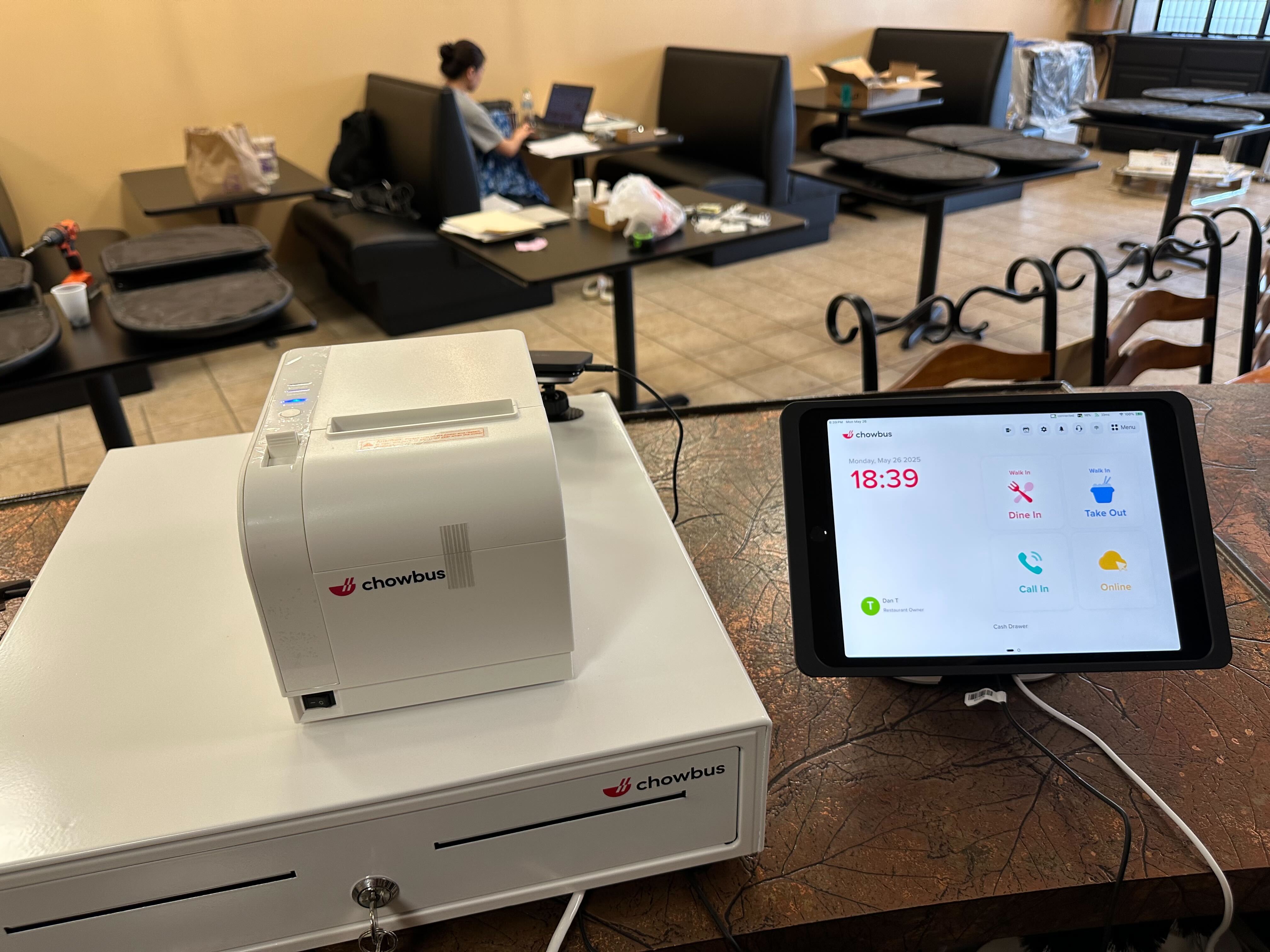
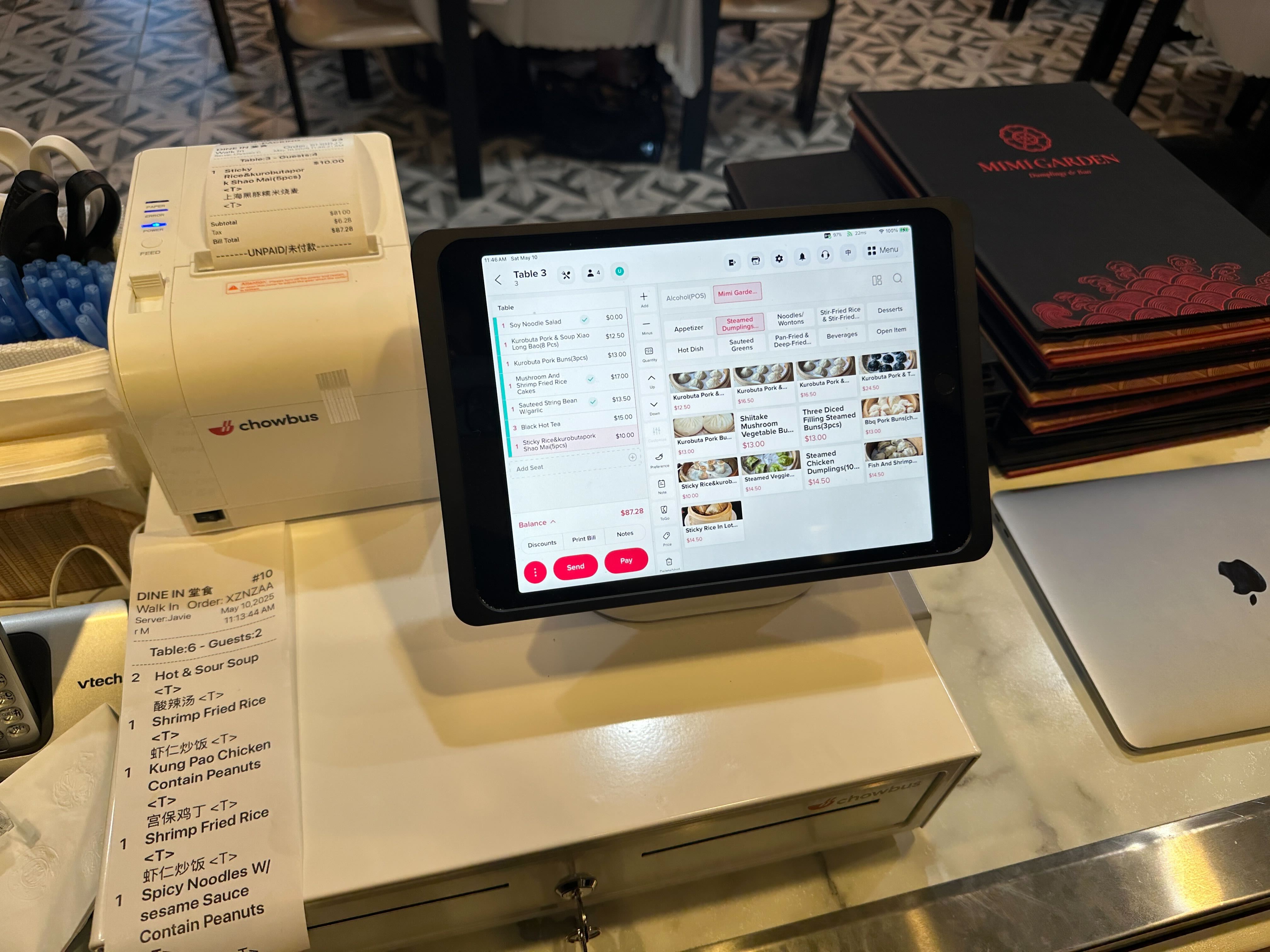
Limited-time desserts drive visits, but they also sell out. When an item is gone, every ordering channel should know right away so guests are not disappointed at pickup. Chowbus's café and bakery POS lets you set quantities for limited items so the system stops selling them when they run out, and remove a sold-out item from all channels at once. Whatever system you use, review sales by item every week and cut dishes that do not earn their prep time.
Run your freezers and refrigerators for several days before you stock them, and check that they hold temperature. Pass your health inspection and receive your permit before serving the public. Then invite friends, family and neighbors to a soft opening with a limited menu, and ask them to arrive in groups so your team practices a real weekend rush.
Treat the soft opening as a measuring exercise. Time each dessert, watch where staff collide, note which toppings run out, and ask guests which menu descriptions confused them. Train with photo recipe cards so every bowl looks like the one on your menu. Fix the problems you see, then open to the public with the menu you know you can deliver.

Q1: What is an Asian dessert shop, and how is it different from an ice cream shop?
An Asian dessert shop sells items such as Korean bingsu, Hong Kong-style sweet soups, mochi, taiyaki and mango desserts. Compared with an ice cream shop, the menu often mixes hot and cold items, uses more cooked batches like red bean and black sesame, and depends more on fruit quality. That changes the equipment list, the cooling plan and how the shop handles seasons.
Q2: How do I start planning when opening a dessert shop?
Choose your hero dessert and a short menu first, because that sets your equipment and space needs. Then build the equipment list and prep plan, look for spaces that fit them, and ask your health department for its plan review checklist. Permits, counter layout and the ordering setup follow from those choices.
Q3: Is a kiosk or a counter better for a small dessert shop?
A counter with a cashier works well at low volume and helps guests who want recommendations. A kiosk helps when lines build on weekend nights, because guests can browse photos and choose toppings without holding up the cashier. Many small shops use one kiosk plus a staffed register so both kinds of guests are served.
Q4: How much does it cost to open a dessert shop?
Costs vary widely with the city, the size of the space, how much build-out it needs and which equipment your menu requires. The largest variables are usually construction, electrical upgrades and refrigeration. Get contractor and equipment quotes for your specific menu and space rather than relying on national averages, and budget a reserve for the slow season.
Q5: Can I sell hot and cold desserts from the same small counter?
Yes, and many shops do it to balance seasonal sales. Keep the hot and cold stations separate so staff do not cross the kitchen for every order, and make sure your plan covers hot holding at 135°F or above, cold holding at 41°F or below and a cooling method for batches. Confirm the setup with your health department during plan review.
Q6: What should I do first if I am serious about opening a dessert shop?
Write your hero dessert, your short menu and the equipment each item needs on one page. Then call your local health department and, if you serve frozen dairy items, your state agriculture department to ask what they require. Their answers will tell you which spaces can work and how long approvals may take.
A dessert shop is built decision by decision, and the menu comes before all the others. The dessert you choose sets the machines you buy, the cooling plan you write, the space you can use, the permits you need and how your counter moves on a busy Saturday night. Making those choices in order keeps you from buying equipment that does not fit the space or signing a lease that cannot support the menu.
Start with one page: your hero dessert, the short menu around it and the equipment each item needs. Take that page to your health department, a contractor and a few suppliers, and let their answers shape your budget and timeline. Confirm every food safety and licensing rule locally, plan for the slow season before your first busy one, and rehearse the weekend rush before guests arrive.