The North American restaurant scene is in the middle of a massive structural shift. Artificial intelligence is no longer a "futuristic" experiment reserved for big tech; it has moved into the kitchen and the front office as a practical, day-to-day tool. Whether it’s trimming the fat from an overstocked inventory or pinpointing exactly when the Friday rush will hit, AI is rewriting the playbook for how restaurants compete and scale.
The reality of modern ownership is relentless: labor costs are hitting record highs, supply chains are fickle, and guests are more demanding than ever. They don't just want good food; they want a seamless, digital-first experience that feels personal. Relying on "gut feeling" or old-school spreadsheets isn't just outdated—it’s a recipe for shrinking margins.
This is where AI-driven restaurant operations change the game. From New York to Vancouver, operators are moving beyond basic digitization toward a truly intelligent "tech stack." This isn't just about software; it’s a fundamental change in how we view data, automation, and the guest relationship.
In North America, AI has moved fast from "concept" to "commodity." Driven by the persistent labor shortage and the need for razor-thin precision, restaurants are now sitting on a goldmine of data—sales, preferences, and inventory movements. AI is the engine that turns that raw data into a predictive edge.
Instead of guessing, operators are asking—and answering—critical questions in real-time:
The result is a shift toward Precision Management. Better forecasting leads to consistent service, which leads to a healthier bottom line.
In the North American market, being "digital" isn't a perk—it’s the baseline. Guests expect the "Amazon experience" everywhere: they want to browse, customize, and pay in a few taps. If you aren't providing that, you’re essentially giving your customers to the competitor next door.
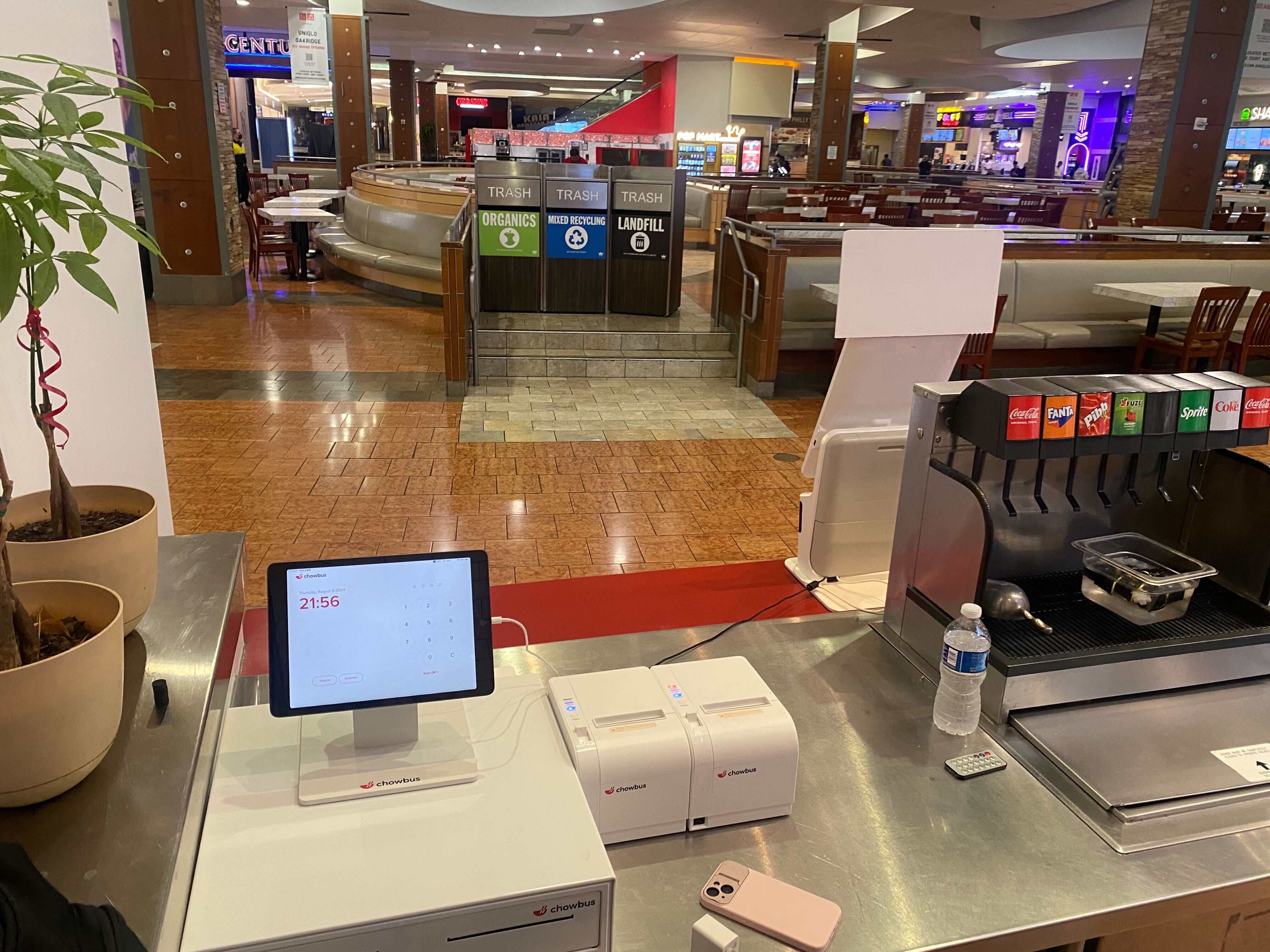
A modern ecosystem usually involves:
AI adds the "brain" to these tools. It doesn't just collect data; it learns. It spots a trend across 10,000 transactions and tells you, "Your Tuesday lunch special is losing steam—here’s why." The more it works, the sharper it gets.
One of the hardest parts of running a restaurant is knowing how much to prep. Over-prep, and you throw money in the trash; under-prep, and you kill your service speed. AI removes the guesswork by analyzing "external signals" alongside historical sales:
This allows for Smart Staffing. You schedule the right people at the right time. It also slashes Food Waste—you stock what you sell, period. In an industry where 1% or 2% in food costs can make or break a year, this precision is a massive win.
Menu design used to be about a designer’s intuition. AI turns it into a science. By evaluating "Menu Engineering" metrics—the intersection of sales frequency and individual item profitability—AI identifies your "Stars" and your "Dogs."
You might find a dish that sells like crazy but actually costs you money due to ingredient spikes. Or a high-margin item that’s buried on page three. Armed with this data, you can redesign digital menus on the fly—swapping layouts or highlighting "high-contribution" items to boost the average check without raising prices across the board.
Modern diners hate generic marketing. They want to feel recognized. AI analyzes purchase history to create hyper-personalized experiences. If the system knows a guest loves spicy chicken, it shouldn't show them a salad promotion. It should suggest the new Buffalo wings.
This is Scaleable Hospitality. Whether it’s an AI suggesting an add-on at a kiosk or a personalized "Welcome Back" discount via email, you're building loyalty through relevance.
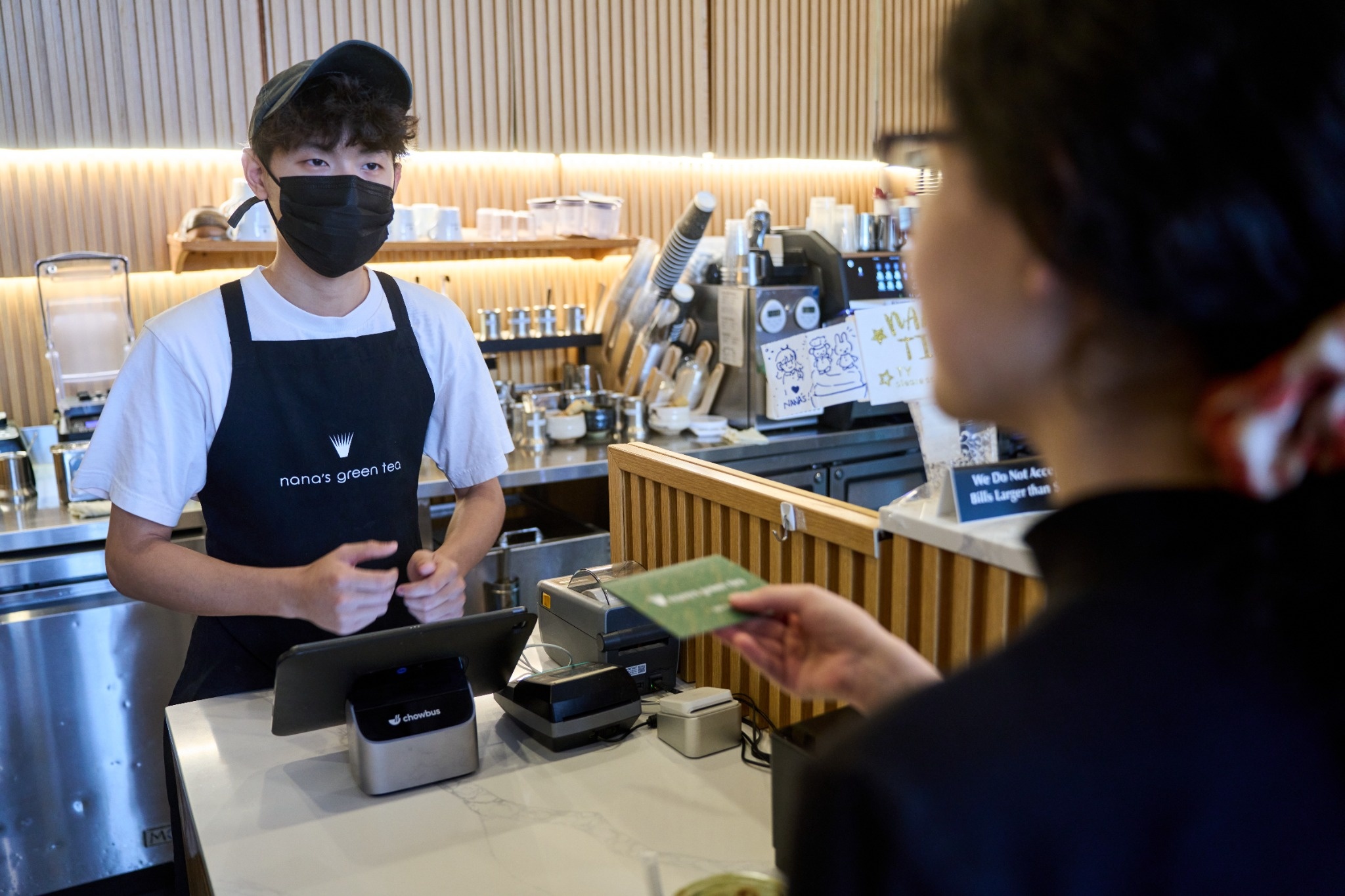
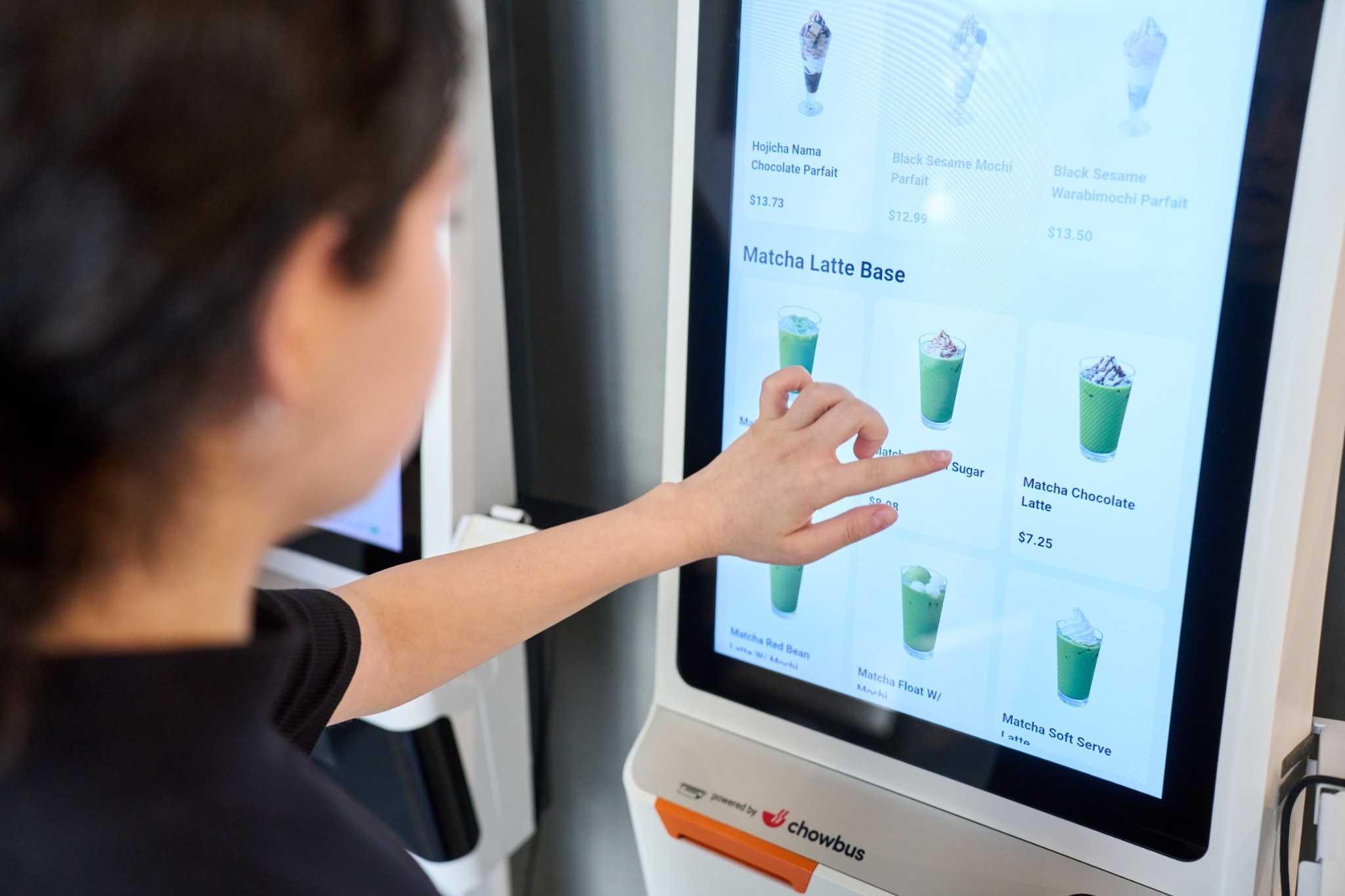
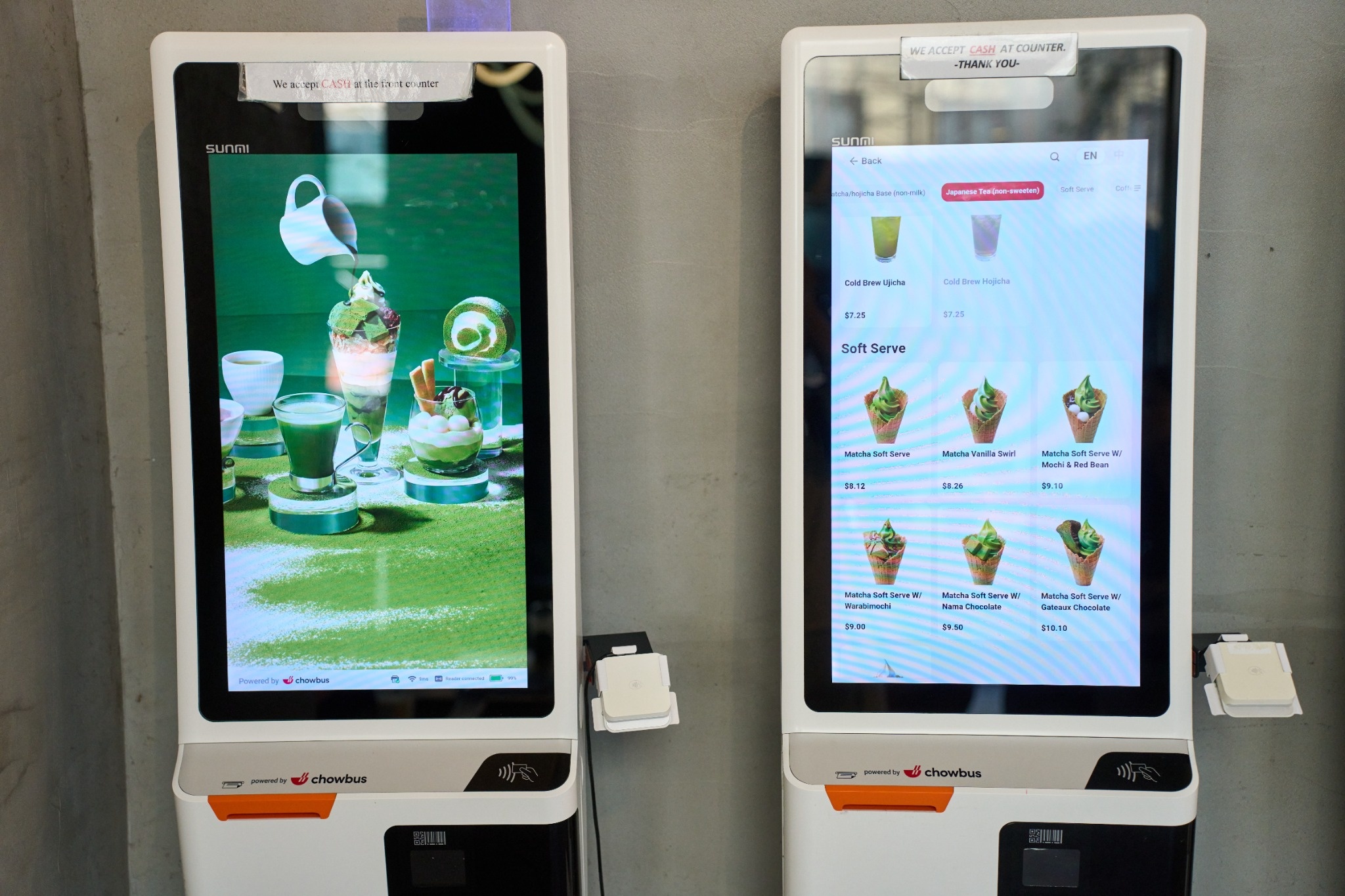
The "human touch" in a restaurant is most valuable when it’s spent on the guest, not on a terminal. AI-assisted ordering—via kiosks or voice—simplifies the chaos of the front-of-house.
Instead of a cashier feeling the pressure of a 10-person line, the guest controls the tempo at a kiosk. The orders flow directly to the KDS, reducing "miscommunications" and human error. This frees up your team to act as "Hospitality Managers"—solving problems and engaging with guests instead of just punching buttons.
Food waste is a silent killer. AI provides Predictive Inventory Management. By tying demand forecasts to your ingredient list, the system can automate your ordering. It knows that weekends need more poultry but fewer perishables on Mondays. It helps you stay lean, reduce spoilage, and keep your cash flow out of the garbage bin.
We are entering a phase where the POS, the KDS, and the inventory system are no longer separate tools—they are one connected brain. The restaurants that win in North America’s hyper-competitive market will be the ones that view technology as a partner, not a cost.
When you automate the routine, you protect the remarkable. That is the future of AI in dining.
It’s the "brain" behind the scenes. It’s software that looks at your sales, weather, and traffic to tell you exactly how much to prep, how to staff your shift, and which menu items to promote to maximize profit.
Mainly through Check Average and Efficiency. AI-driven upsells on kiosks often outperform human cashiers, and better forecasting prevents the "lost sales" that happen when service is too slow.
No. Cloud-based platforms have democratized this tech. Mid-sized and independent restaurants now have access to the same analytics that used to cost millions to develop.
No—it replaces the tasks they hate. By taking over data entry and repetitive ordering, AI lets your staff do what they’re actually hired for: making guests feel welcome.