A kitchen running one concept can get away with a rough inventory system — a clipboard count on Sunday, a gut-check reorder, a shrug when the numbers don't quite add up. A kitchen running two or three concepts out of the same walk-in loses that margin for error fast, because now every ingredient has to be tracked against multiple menus that don't share the same recipes, portion sizes, or sales velocity. A hot pot restaurant that also runs a bubble tea counter, or a group operating a dine-in brand alongside a delivery-only virtual concept from the same kitchen, is really running two inventory problems that happen to share one storage room — and most inventory software wasn't built with that specific problem in mind.
The stakes are real even before multiple concepts enter the picture. Commercial kitchens typically waste between 4% and 10% of the food they purchase before it ever reaches a guest, according to National Restaurant Association research, and food and beverage costs commonly run in the low-to-mid 30% range of sales industry-wide. Multiply that waste percentage across two or three concepts sharing ingredients in overlapping but not identical ways, and small counting errors compound instead of averaging out. Choosing the right inventory tool for this setup isn't about finding the software with the most features — it's about finding the one built to handle ingredients that get pulled in different directions by menus that don't match.
Most inventory management guides assume one menu, one recipe book, and one sales channel — assumptions that fall apart the moment a kitchen is producing for two brands at once. A pound of pork belly might go into a hot pot broth ingredient list under one concept and a bao filling under another, at different portion sizes, different prep methods, and different margins. Generic inventory advice treats "count what's in the walk-in" as the hard part. For a multi-concept kitchen, the harder part is knowing which concept's sales actually drew down that pork belly, and by how much — a question a single-menu inventory tool was never designed to answer.
The tools that rank well in generic best-of lists are usually evaluated on price, ease of use, and general feature breadth — reasonable criteria for a single-concept restaurant, but incomplete for this specific situation. The more useful evaluation criteria are narrower: can the software map one physical ingredient to recipes across more than one menu without duplicating that ingredient as two separate line items, and can it attribute usage back to the concept that actually sold the dish. A tool that handles this well turns multi-concept inventory into a solvable problem. A tool that doesn't turns it into two parallel spreadsheets that someone has to reconcile by hand every week.
Recipe-level mapping means the software tracks ingredients at the level of an actual recipe — how much of each raw ingredient a specific menu item consumes — rather than just tracking broad inventory categories. For a multi-concept kitchen, this has to work across concepts simultaneously: the same shredded cabbage that goes into a Korean BBQ side dish also needs to draw down correctly when it appears in a bubble tea shop's occasional food-menu item, without the system treating them as unrelated ingredients that happen to share a name. Without this, a kitchen ends up manually splitting ingredient costs and usage between concepts at the end of every period, which defeats much of the point of having inventory software in the first place.
Periodic counting — a manual count once a week or once a month — works reasonably well for a simple, single-concept operation with stable sales patterns. A multi-concept kitchen has a harder time with this approach specifically because two menus draw down shared ingredients at different, often uncorrelated rates: a slow lunch for the dine-in side doesn't mean a slow day for a delivery-only virtual brand running through the same kitchen at different hours. Real-time or near-real-time inventory tracking, tied directly to POS sales data as orders come in, catches this kind of divergence as it happens rather than surfacing it three weeks later as an unexplained variance nobody can trace back to its source.
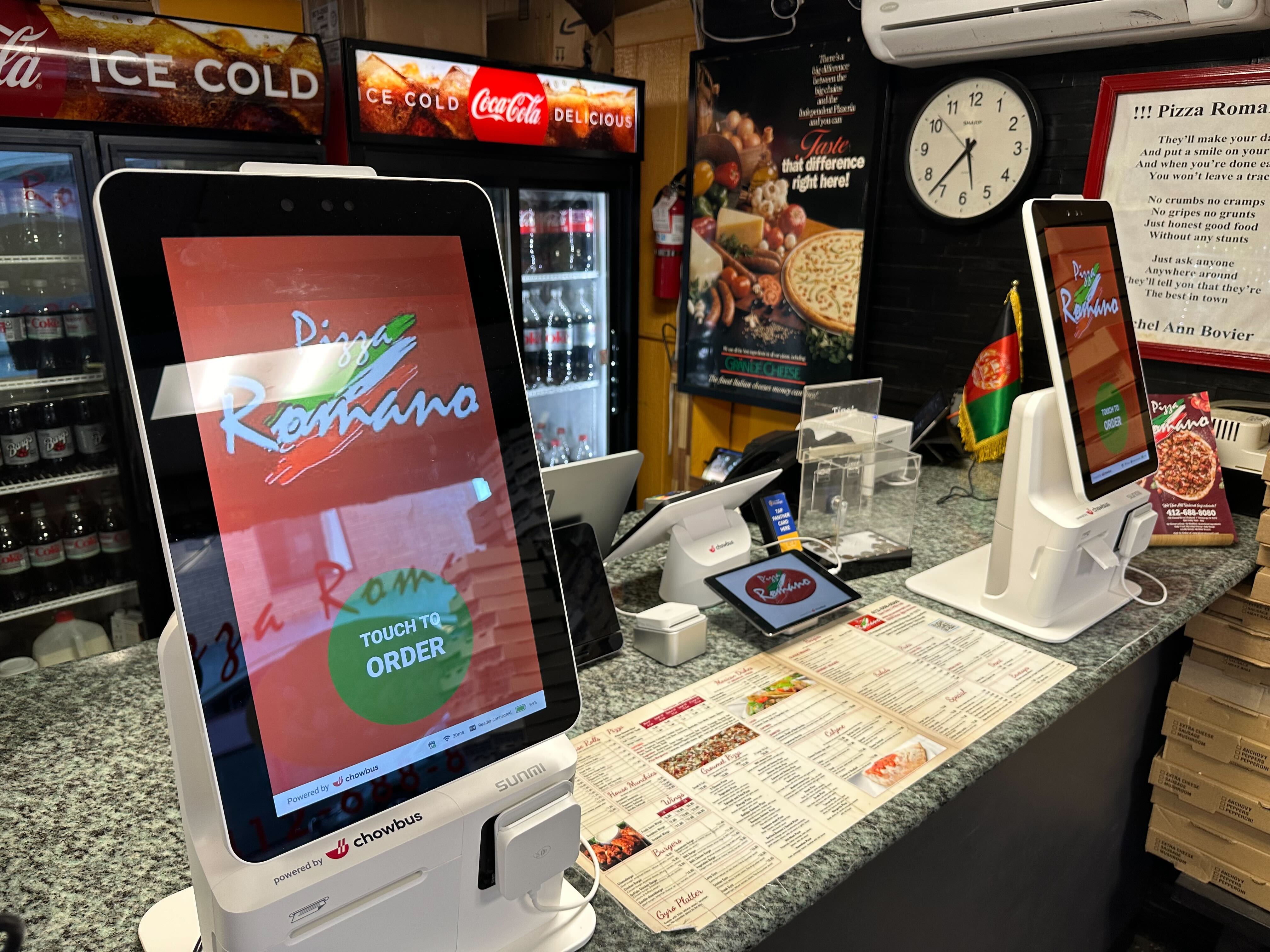
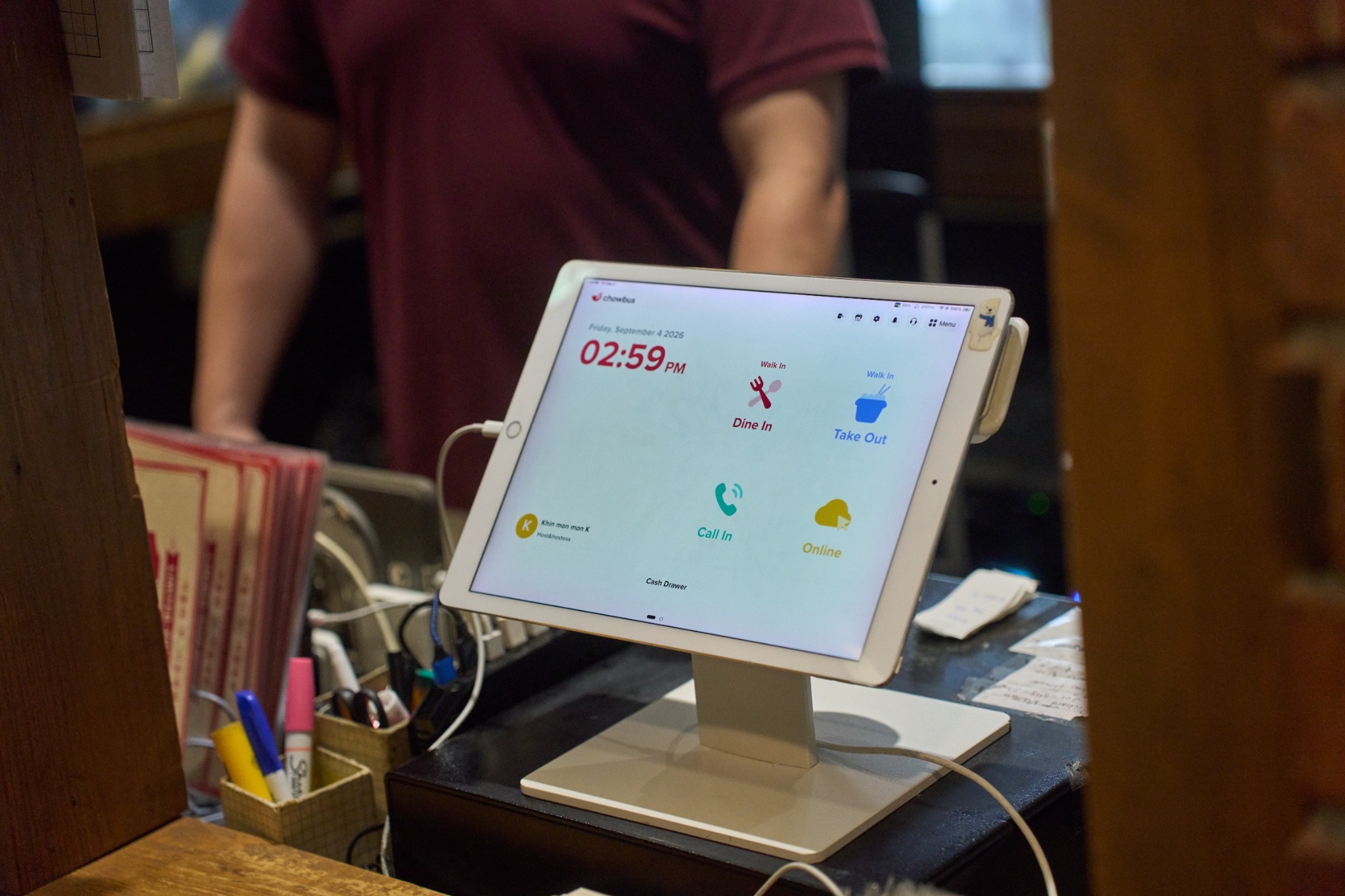
An inventory tool that doesn't connect directly to the POS depends on someone manually re-entering sales data to calculate ingredient depletion — the same kind of manual re-entry step that causes errors and eats labor hours everywhere else in a restaurant's operations. For a multi-concept kitchen specifically, this manual step has to happen correctly across every concept's sales channel, which multiplies the chance of an error compounding across concepts rather than staying contained to one. Chowbus's POS system is built to feed sales data by concept, item, and location directly to whatever inventory platform a kitchen connects it to, and the broader question of which integrations actually matter for a growing restaurant is covered in a separate guide to POS integrations most restaurants don't know they're missing.
Inventory management software pricing varies by provider and by the number of locations or concepts connected, but the more useful comparison is against the waste percentage already being absorbed silently. If a multi-concept kitchen is losing even a few percentage points more than the 4%–10% industry range because ingredient usage isn't being tracked accurately across concepts, the cost of a properly matched inventory tool is usually recovered through reduced over-ordering and reduced spoilage well within the first year, particularly once a kitchen is running enough combined volume across concepts to make manual tracking genuinely difficult.
Before choosing a platform, get a specific answer to each of these: does it map one physical ingredient across multiple concepts' recipes without duplicating it, does it pull sales data automatically from the POS by concept rather than requiring manual entry, does it flag usage variance in near-real time rather than only at a periodic count, and does its reporting break out cost and waste by concept rather than only at the whole-kitchen level. A vendor that can't answer the concept-level breakdown question clearly is likely selling a single-concept tool with a multi-location label attached, which is a different problem than the one a shared-kitchen operation actually has.
Running more than one format from a single kitchen is common across Asian restaurant groups specifically — a hot pot concept that adds a bubble tea counter, a Chinese restaurant that spins up a delivery-only version of its own menu under a different name to capture more of the delivery marketplace's search traffic, or a group testing a second concept in an existing space before committing to a full build-out. Each of those setups shares ingredients, staff, and physical space across menus that were designed independently, which is exactly the scenario generic inventory software handles poorly. Getting the inventory tool right here isn't a back-office nicety — it's what keeps a second concept from quietly eroding the margins of the first one it shares a kitchen with.

Q1: What makes inventory management different for a multi-concept kitchen compared to a single restaurant?
A single-concept kitchen tracks ingredients against one menu and one set of recipes. A multi-concept kitchen has to track the same shared ingredients — like a common protein or vegetable — against two or more menus with different recipes, portion sizes, and sales patterns, and attribute usage back to the concept that actually sold the dish rather than lumping it all into one undifferentiated count.
Q2: How do I choose the best inventory management software for a restaurant running two concepts from one kitchen?
Prioritize recipe-level ingredient mapping that works across multiple menus without duplicating shared ingredients, automatic sales data from the POS broken out by concept, near-real-time usage tracking rather than periodic manual counts, and reporting that separates cost and waste by concept. General best-of lists built for single-concept restaurants often don't test for any of these specifically.
Q3: Is real-time inventory tracking better than periodic manual counts for a multi-concept operation?
Yes, specifically because two concepts sharing ingredients rarely have correlated sales patterns — a quiet day for one concept doesn't mean a quiet day for the other. Real-time tracking tied to POS data catches a usage mismatch as it happens. A periodic count only reveals the same mismatch weeks later, by which point it's much harder to trace back to which concept actually caused it.
Q4: How much does restaurant inventory management software typically cost, and is it worth it for a multi-concept kitchen?
Pricing varies by provider and by how many concepts or locations are connected. The better comparison is against the food waste already happening — commercial kitchens typically lose 4% to 10% of purchased food before it reaches a guest, according to National Restaurant Association research, and that percentage tends to run higher, not lower, when ingredient usage isn't being tracked separately across multiple menus sharing one kitchen.
Q5: Does the inventory tool need to integrate with our POS, or can it run as a separate system?
It needs to integrate directly. A separate, disconnected inventory tool requires someone to manually re-enter sales data to calculate what ingredients were used, which is exactly the kind of manual step that introduces errors — and for a multi-concept kitchen, that error compounds because it has to be done correctly for every concept's sales channel, not just one.
Q6: What's the first step to fixing inventory tracking across multiple concepts sharing one kitchen?
Identify the ingredients that are actually shared across concepts and check whether the current system tracks them as one ingredient split across recipes or as duplicated, disconnected line items. That single check usually reveals whether the existing setup can be fixed with better recipe mapping or needs to be replaced with a tool built for multi-concept tracking from the start.
A multi-concept kitchen doesn't need the inventory tool with the longest feature list — it needs one that was built to handle ingredients being pulled in different directions by menus that were never designed together. Getting that piece right doesn't just tighten food cost on paper; it's what determines whether adding a second concept to an existing kitchen actually adds profit, or just adds a second set of numbers nobody can fully reconcile with the first.