A restaurant can buy a gift card platform from one vendor, a loyalty program from another, and run both on top of a POS from a third, and every piece of that stack will work fine in isolation. The problem shows up specifically at the seams: a guest buys a $100 gift card and it doesn't register as a loyalty transaction at all, because the gift card platform and the loyalty platform have no shared customer record. Three months later that same guest redeems the card in three separate visits, and the loyalty program sees three transactions with no purchase history behind them, because from its point of view, money simply appeared. Neither system is malfunctioning on its own; this is simply what happens by default when gift cards, loyalty, and POS are three separate vendor relationships instead of one shared data set.
This is a narrower, more specific version of a problem that shows up across restaurant technology generally: disconnected systems that each do their individual job well but don't share the one thing that would make them add up to more than the sum of their parts — a single, consistent record of who a guest is and what they've actually done. For gift cards and loyalty specifically, that gap has a direct cost, because both systems exist to build the same thing: a stronger long-term relationship with a repeat guest. Run separately, they end up working past each other instead of together.
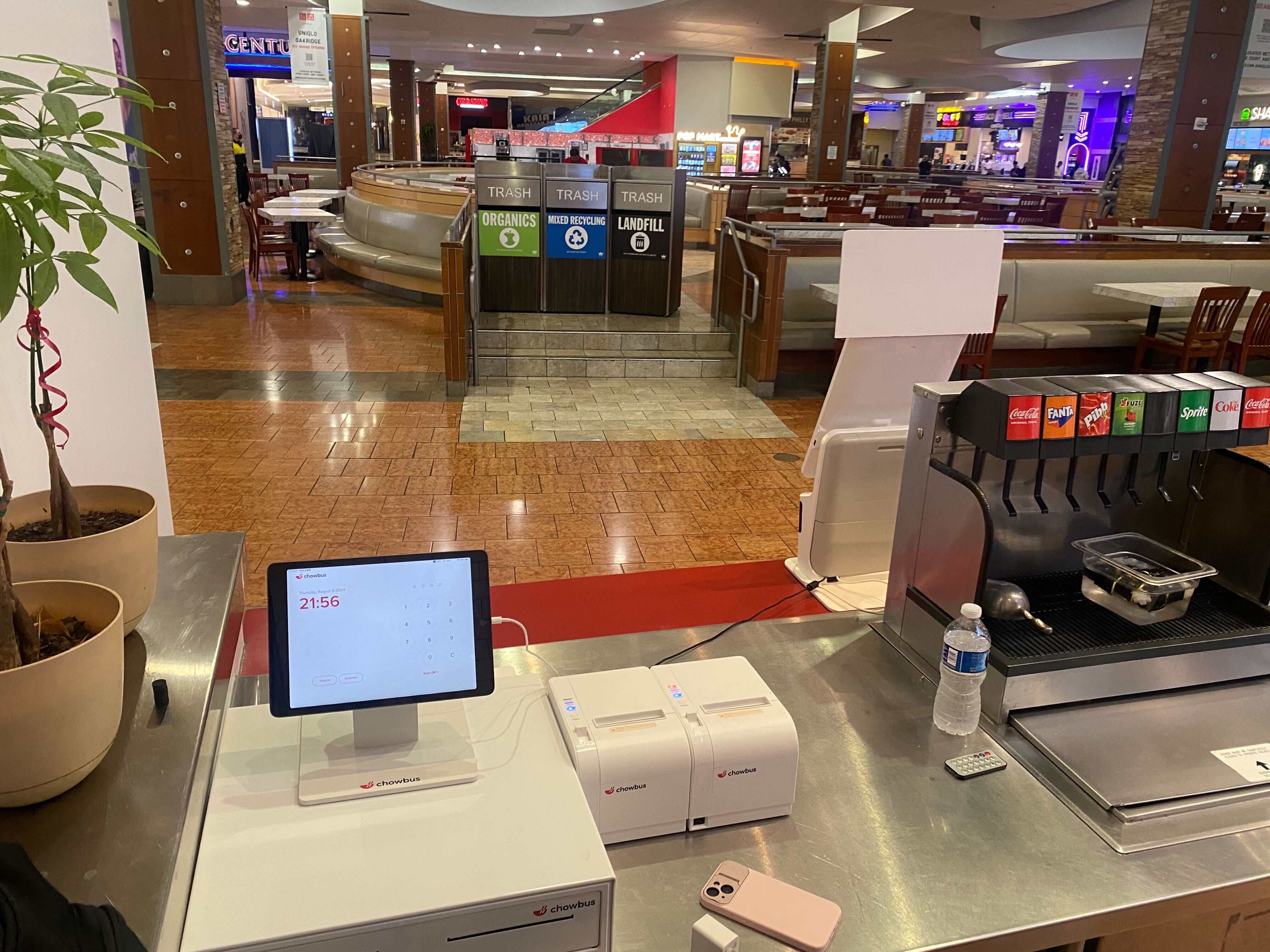
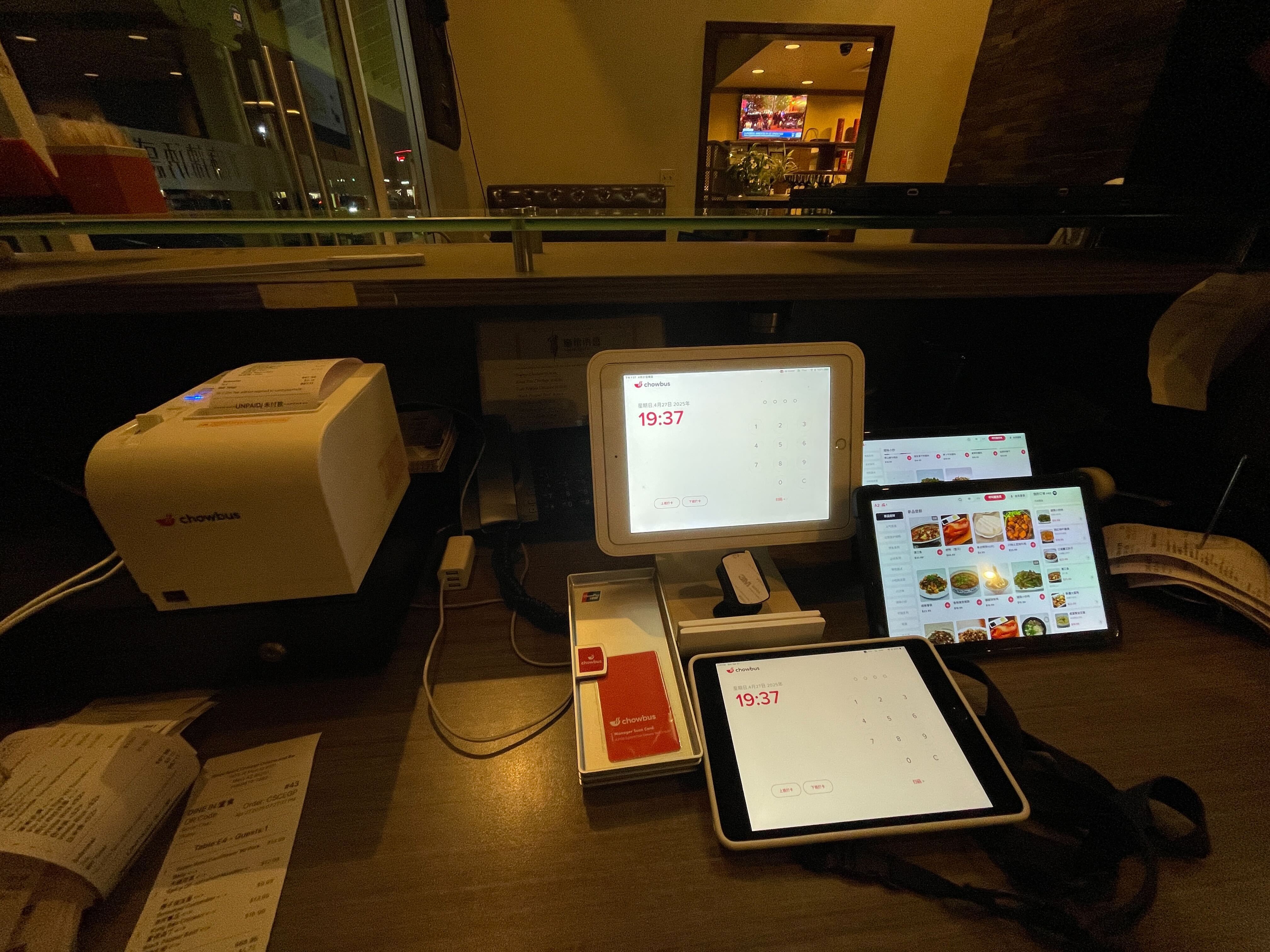
In a typical disconnected setup, a gift card purchase is processed through a dedicated gift card vendor's terminal or portal, a loyalty scan or lookup happens through a separate loyalty app at checkout, and the POS records the sale itself as a generic transaction that doesn't distinguish between a gift card redemption and a regular card payment. Each system has its own login, its own reporting dashboard, and its own definition of who counts as a "customer" — three separate answers to a question that should only have one.
A guest who buys a gift card as a gift for someone else is making a real purchase — often a large one, frequently around a holiday or special occasion — that should count toward that guest's own loyalty standing regardless of who ultimately uses the card. In a disconnected setup, the gift card purchase routes through the gift card vendor's system, never touches the loyalty platform, and the guest who spent real money gets zero loyalty credit for it. That's a guest actively being under-rewarded by the restaurant's own systems, not by any decision anyone made on purpose.
When a gift card is redeemed, a disconnected POS often records the transaction as a straightforward sale without flagging that the payment method was a gift card rather than a card swipe. This matters for two separate reasons: it distorts sales reporting by making gift-card-funded visits look identical to cash-paying visits, and it means the loyalty program has no way to connect that visit back to whoever originally purchased the card, if the two are meant to be linked as part of a gifting or corporate program. The visit happened, the loyalty program has no record connecting it to anything, and a real opportunity to reinforce the relationship goes unused.
A restaurant that wants to run a promotion — "buy a $50 gift card, get double loyalty points" or "gift card purchases count double toward VIP status" — needs the gift card and loyalty systems to share transaction data in order to apply that logic automatically. In a three-vendor setup, this either doesn't work at all or requires someone to manually cross-reference two separate reports and apply loyalty credit by hand after the fact, which defeats the purpose of running an automated promotion in the first place. Promotions that would be a single configuration setting on a unified system become a recurring manual task on a disconnected one.
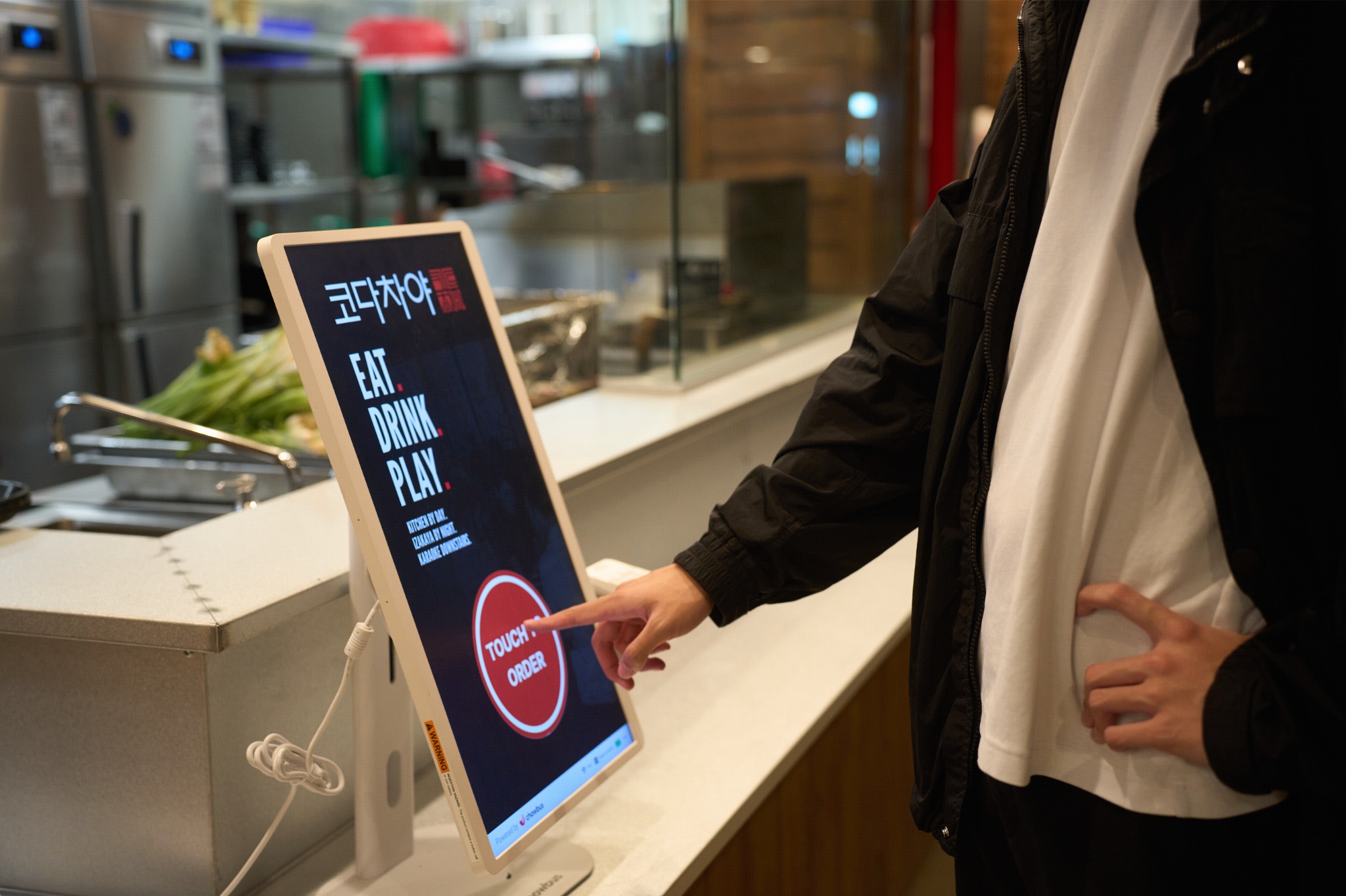
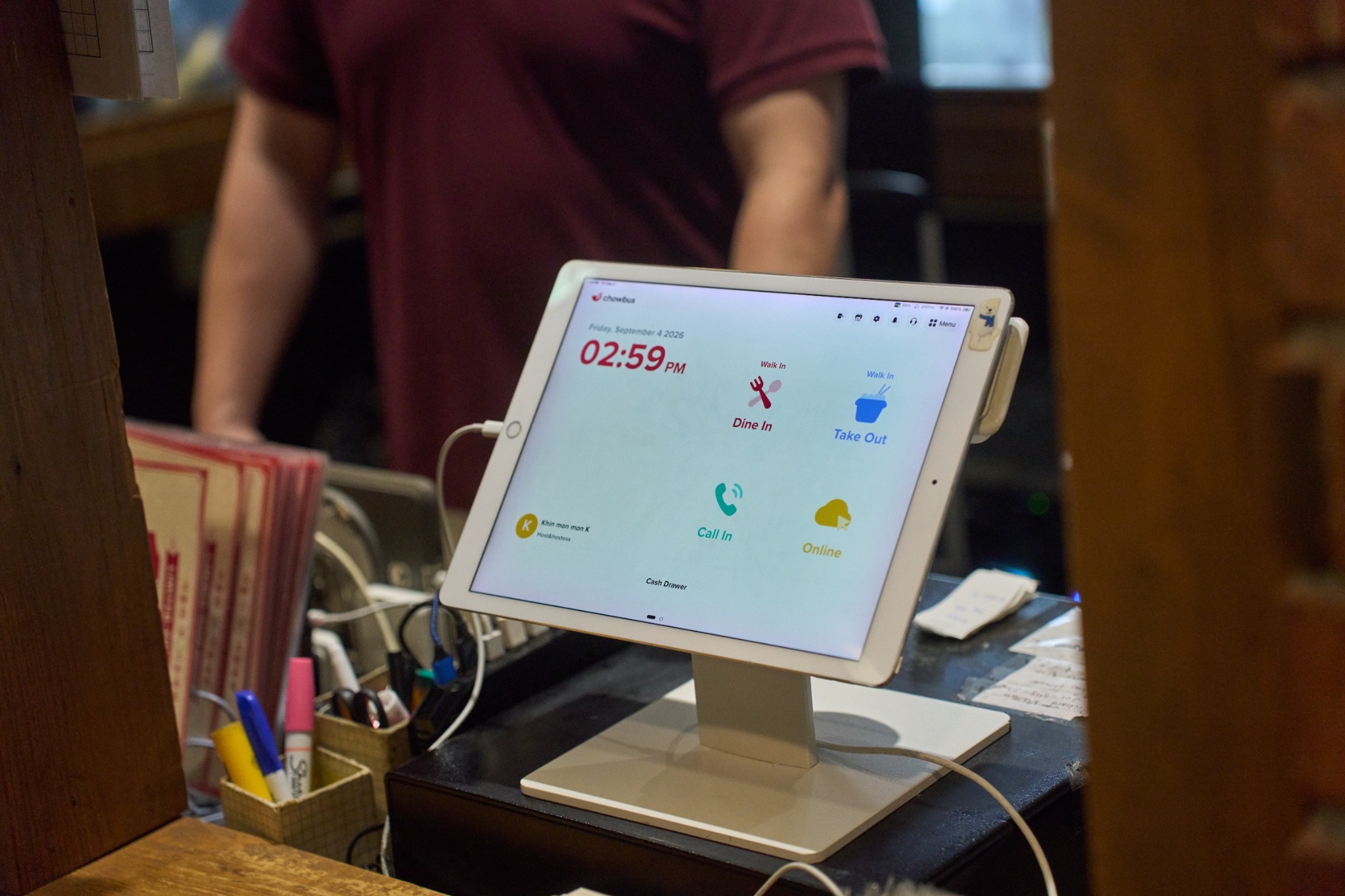
Chowbus's approach connects gift cards, loyalty and CRM, and the POS to the same underlying transaction and customer data, rather than treating them as three products that happen to be sold by the same company. A gift card purchase automatically credits the buyer's loyalty account. A gift card redemption is recorded distinctly from a regular payment, so reporting stays accurate and the visit connects back to the original purchase when the two are related. A promotion that spans both gift cards and loyalty is a setting, not a manual reconciliation task performed after each promotional period ends.
A single-location restaurant running three disconnected systems absorbs the reconciliation cost once, in one place. A restaurant group running five locations absorbs it five times — a gift card bought at one store still needs to correctly credit loyalty and work for redemption at every other store, which is exactly the kind of cross-location consistency a three-vendor setup struggles to guarantee without extra configuration at every single location. The gap between "the systems mostly work" and "the systems work identically everywhere, every time" gets wider with every additional store added to a disconnected stack.
Beyond the guest-facing problems, three disconnected systems also mean three separate reports a manager has to pull and manually combine to answer a basic question like "how much of this month's revenue came from gift card redemptions, and how did that affect loyalty engagement." A unified system answers that question directly from one dashboard, because the data was never split apart in the first place. This is less visible day to day than a guest not getting loyalty credit, but it's a real, recurring cost in management time that compounds every reporting period.
A quick test for any restaurant currently running separate systems: buy a gift card as if you were a guest, then check whether that purchase shows up anywhere in the loyalty account tied to the card number or the buyer's identity. If it doesn't, that's the specific gap costing the restaurant loyalty engagement on every gift card sale — not a hypothetical problem, but one that's likely already happening on every transaction going through the current setup.

Q1: What actually breaks when a restaurant runs gift cards, loyalty, and POS as three separate systems?
A gift card purchase typically doesn't register as a loyalty transaction because the two systems don't share a customer record, so the buyer gets no loyalty credit for a real purchase. Separately, a gift card redemption often gets recorded as a generic sale rather than a distinct payment type, which distorts reporting and disconnects the visit from whoever originally bought the card.
Q2: How does connecting gift cards to a loyalty program actually help a restaurant?
It closes the gap where a real purchase — buying a gift card — currently earns zero loyalty credit in a disconnected setup. It also makes combined promotions, like bonus loyalty points for gift card purchases, something a system applies automatically instead of a report someone has to reconcile by hand after each promotion.
Q3: Is it better to buy gift cards, loyalty, and POS from one vendor instead of three?
For any restaurant that wants gift card activity to actually feed loyalty engagement, yes. Three separate vendors can each work well individually, but without a shared customer and transaction record between them, a gift card purchase and its eventual redemption exist as disconnected events rather than parts of the same guest relationship.
Q4: How much does it cost to run gift cards, loyalty, and POS on one connected system versus three separate ones?
Cost varies by provider, but the more useful comparison is against the manager time currently spent manually cross-referencing separate reports to apply loyalty credit or reconcile gift card redemptions — a cost that multiplies at every additional location a restaurant group operates.
Q5: We run five locations — does this problem get worse with more stores?
Yes. A single-location restaurant absorbs the reconciliation gap once. A five-location group needs a gift card bought at one store to correctly credit loyalty and redeem properly at every other store, which is exactly the kind of consistency a disconnected three-vendor setup struggles to guarantee without manual configuration at each additional location.
Q6: How can I tell if my restaurant already has this problem?
Buy a gift card as a test, using your own loyalty account, then check whether that purchase shows up in your loyalty profile. If it doesn't appear at all, that gap is very likely happening on every gift card sale currently going through the restaurant's systems, not just this one test purchase.
Gift cards and loyalty programs exist to do the same underlying job: turn a single transaction into a longer relationship with a guest. Run as three disconnected systems, they end up working past each other — a purchase that earns no loyalty credit, a redemption that reads as generic revenue, a promotion that has to be reconciled by hand instead of running on its own. Put on one shared system, the same activity that used to require manual cleanup becomes the thing the system was already built to track.