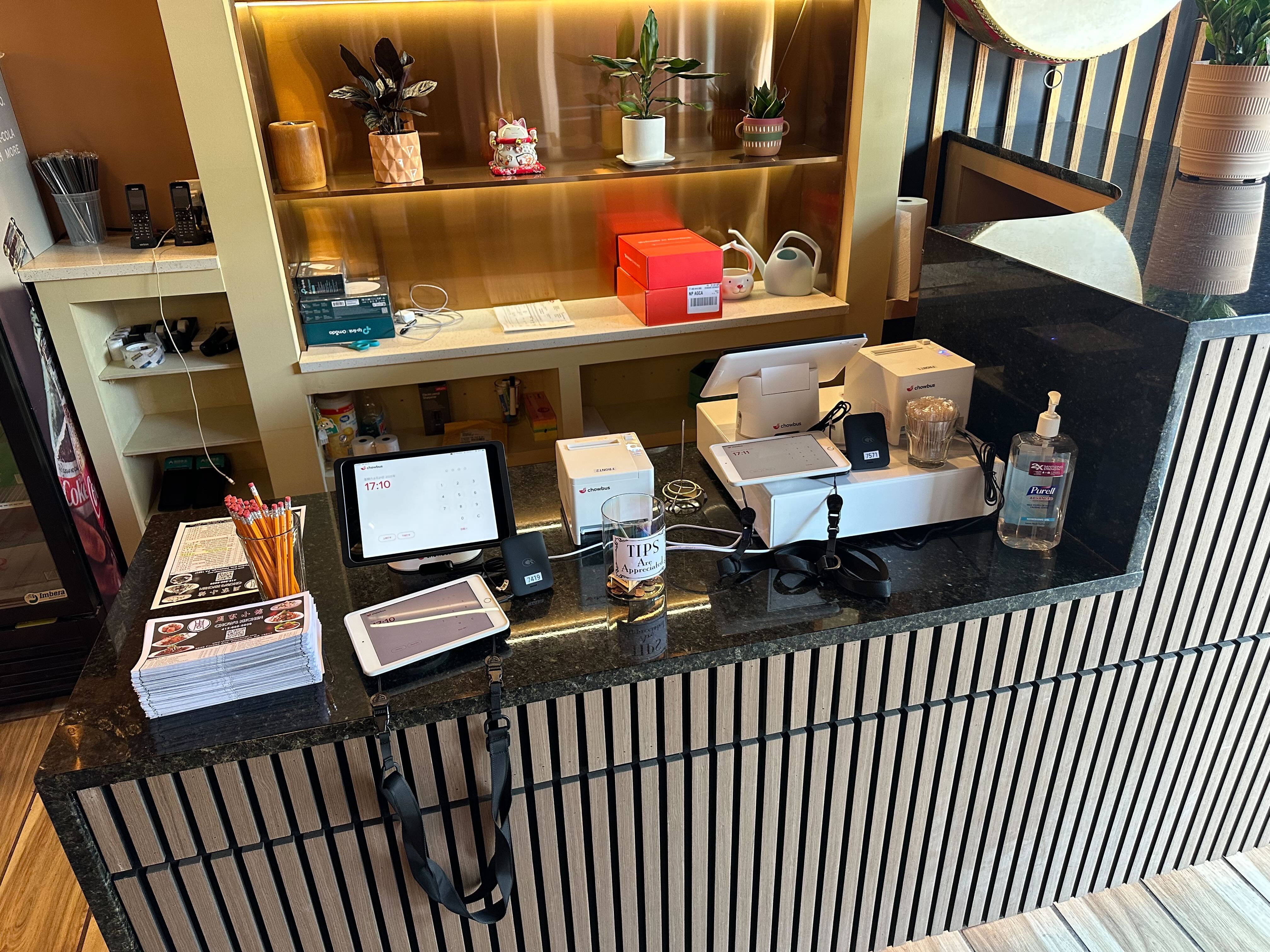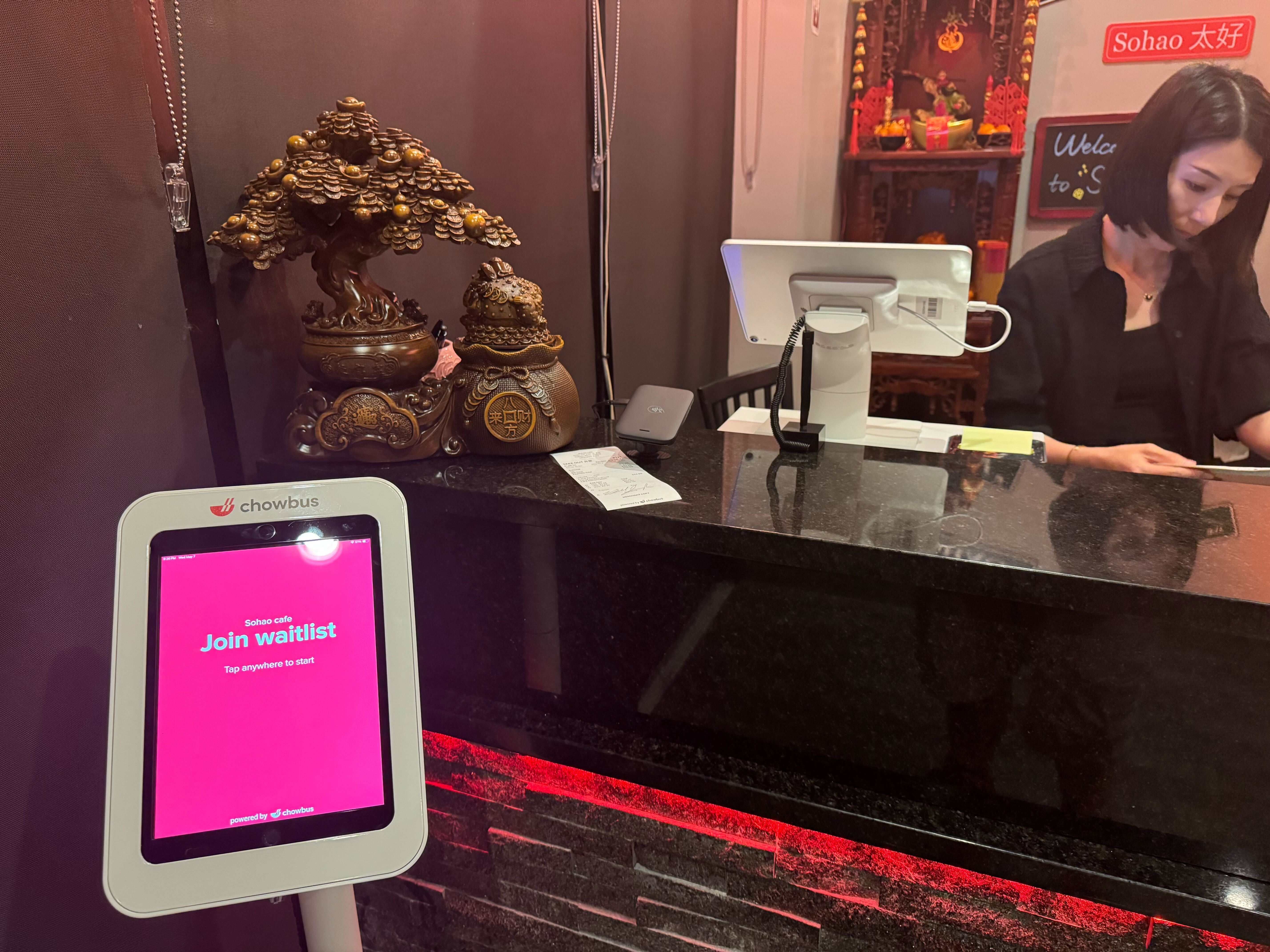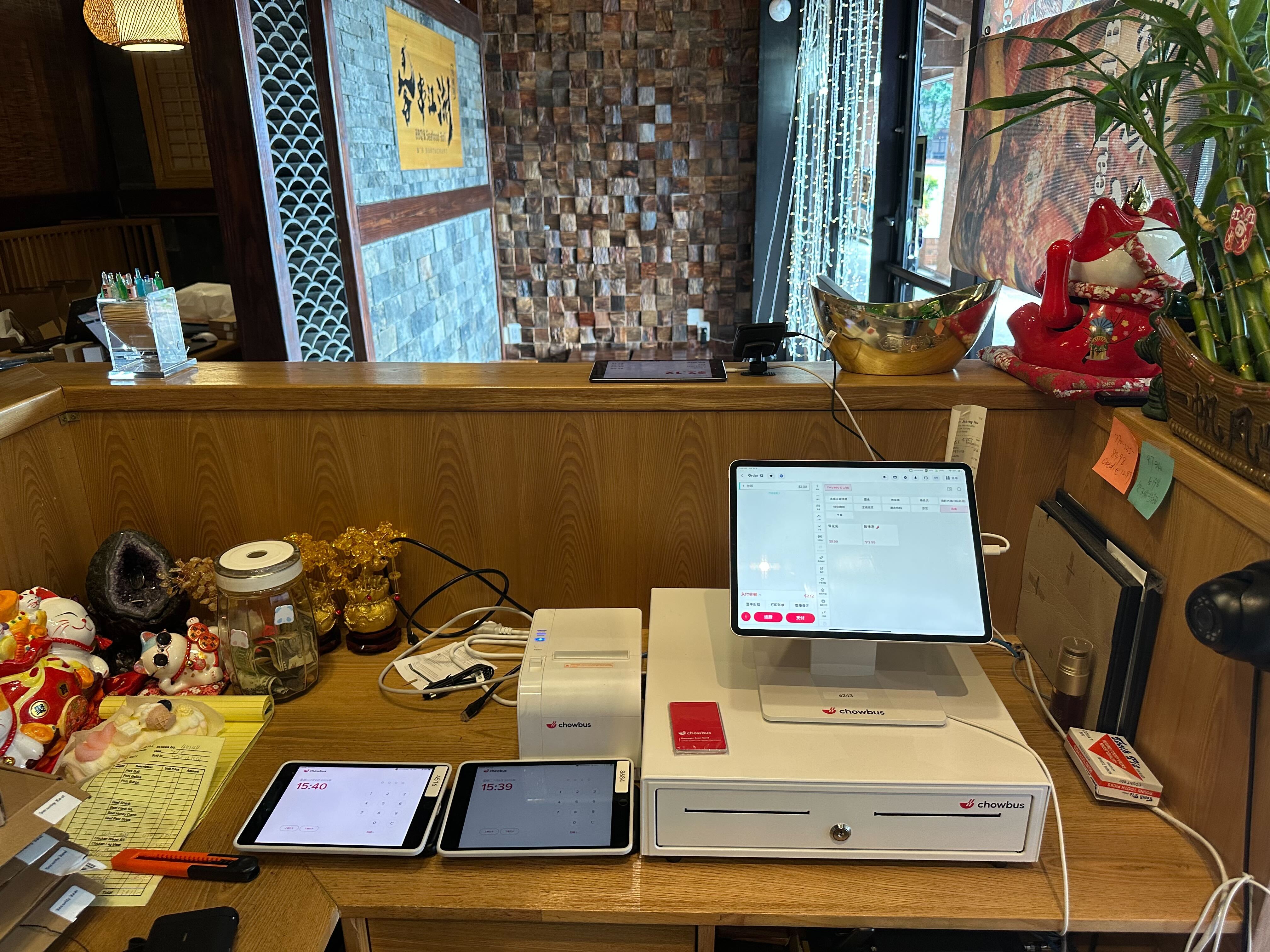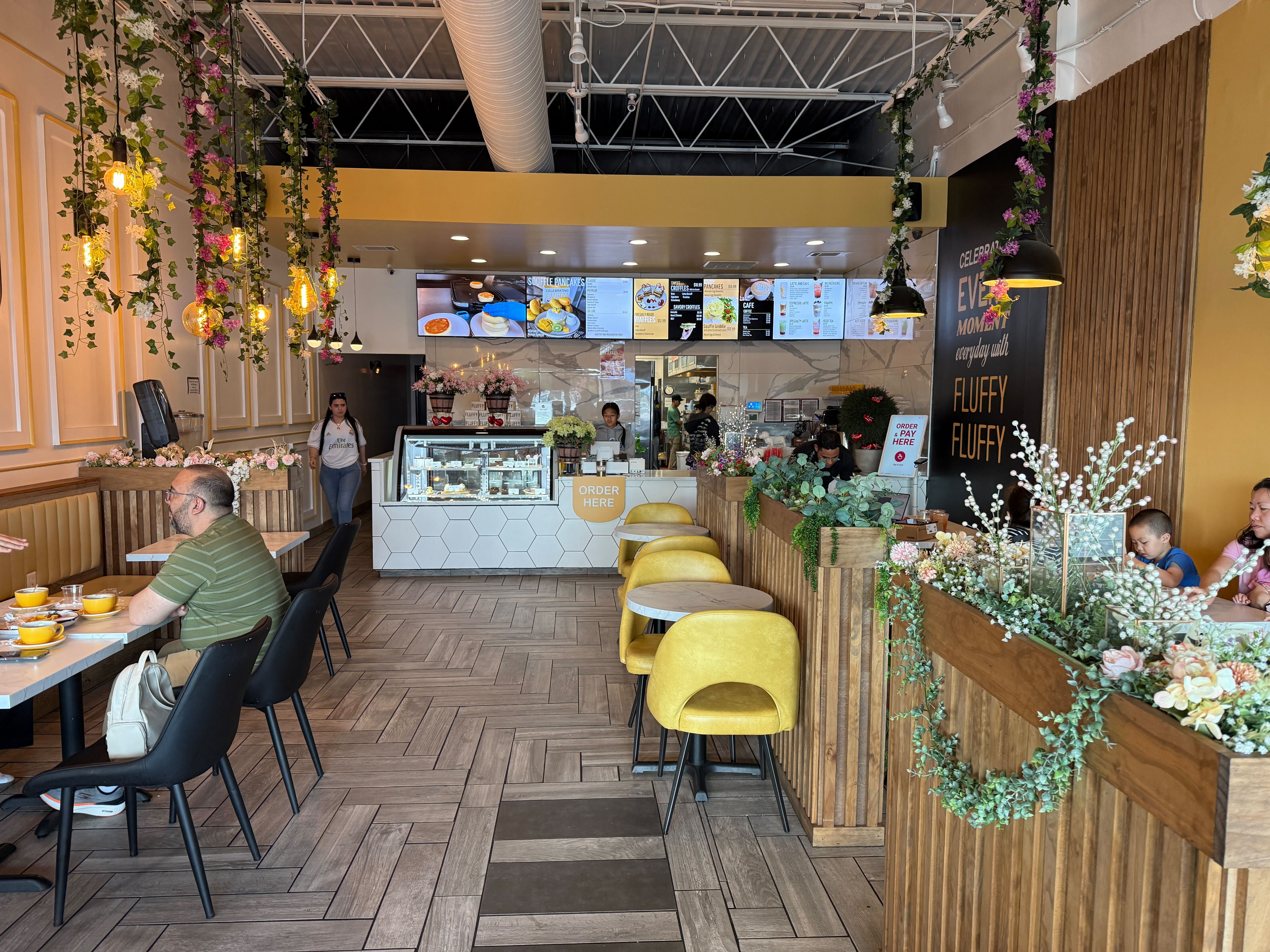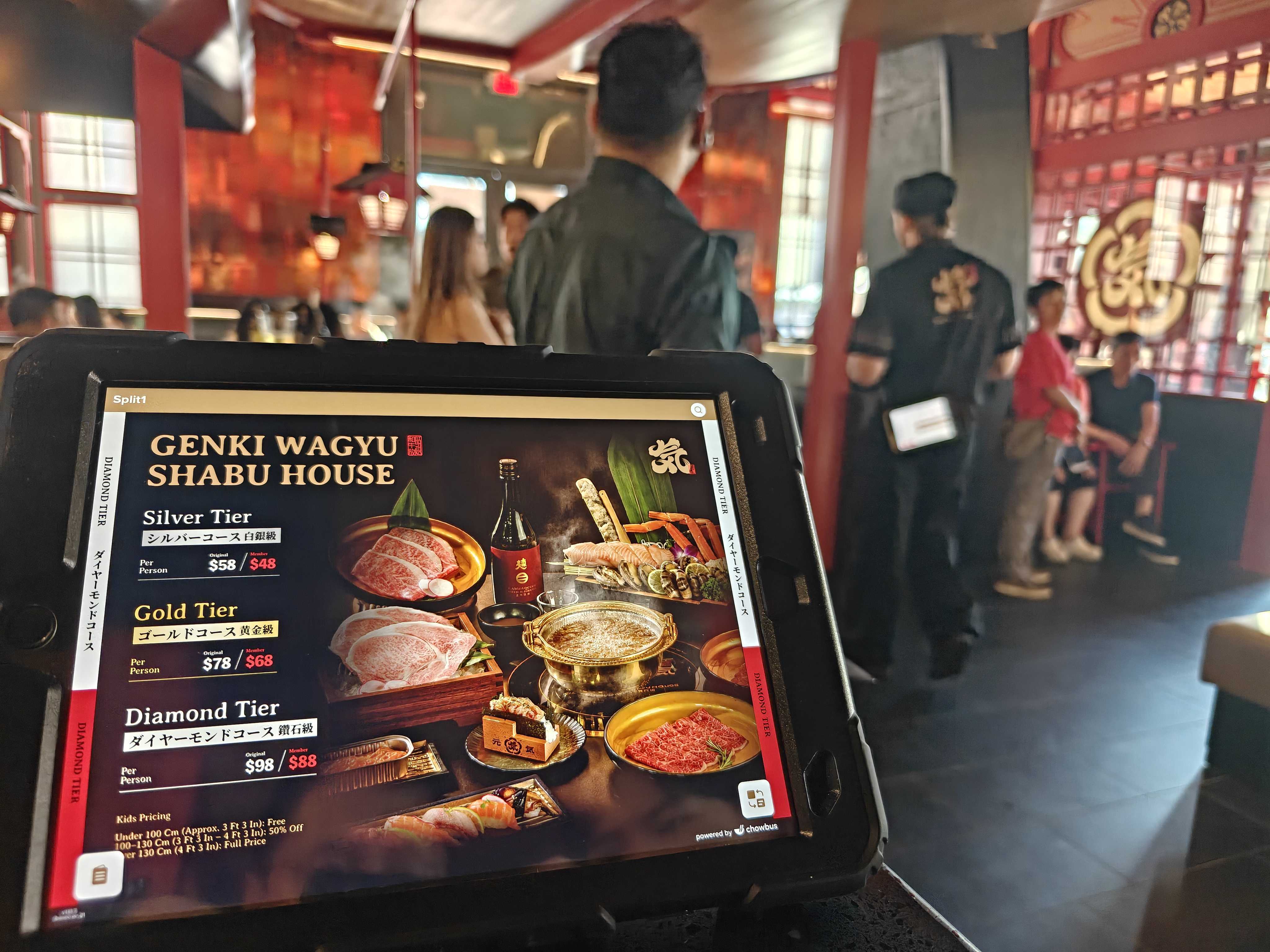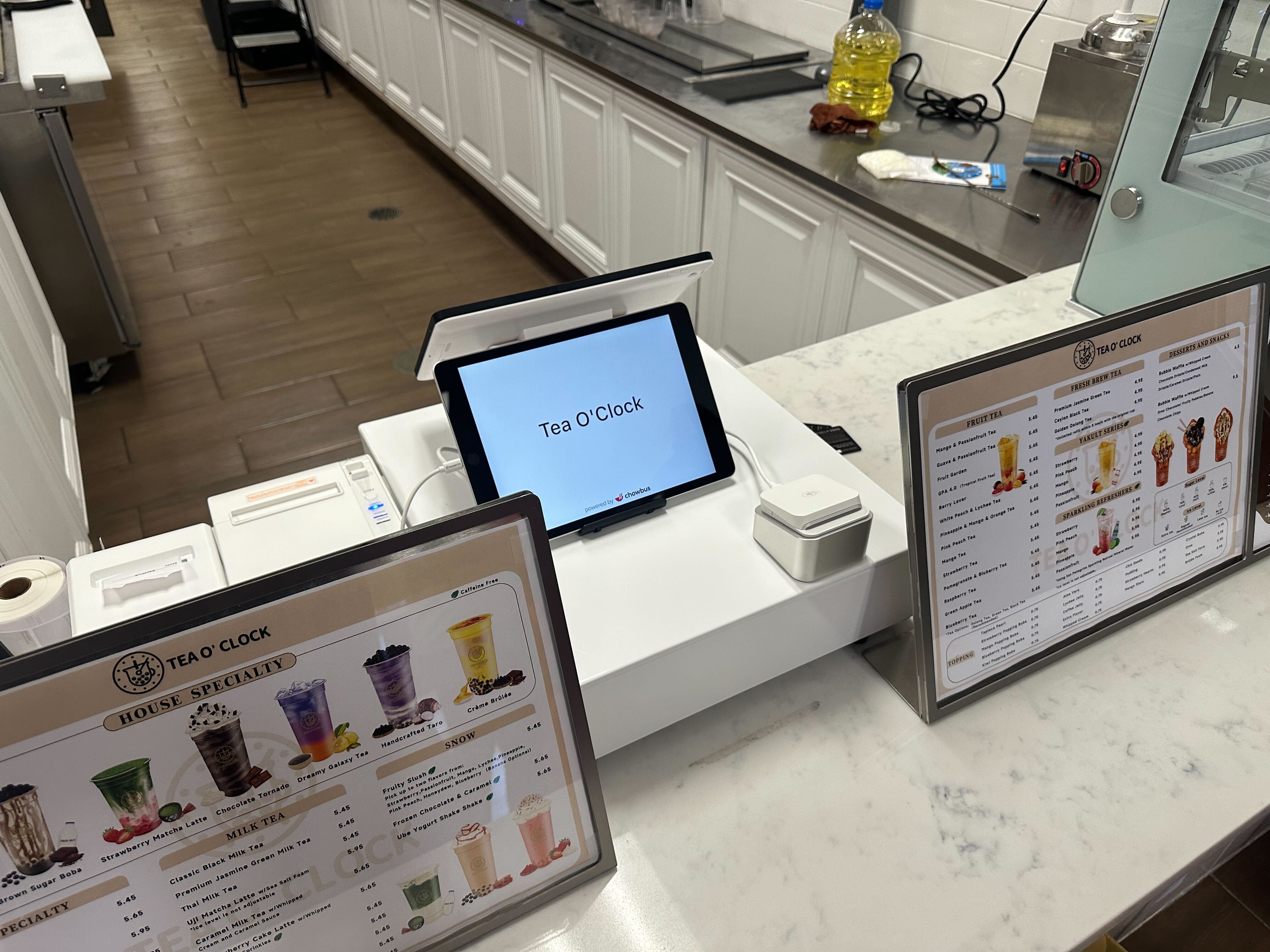
Restaurant POS systems now do more than process payments. Restaurants increasingly need one system to connect dine-in orders, online ordering, delivery, kitchen workflows, loyalty, and multi-location management.
This guide compares Chowbus, Toast, Square for Restaurants, Lightspeed Restaurant, and TouchBistro.
Quick Answer
Chowbus is the strongest fit in this comparison for restaurants that want POS, kitchen operations, digital ordering, delivery integration, customer retention, and AI-supported growth in one environment.
Toast suits handheld-focused service, Square simple concepts, Lightspeed back-office workflows, and TouchBistro iPad-centered operations.
The best restaurant POS is no longer just a checkout tool. Restaurants now manage orders from dining rooms, websites, kiosks, QR codes, and delivery marketplaces while keeping kitchen, customer, and reporting data aligned.
Strong platforms connect these workflows instead of adding isolated features.
The platforms were compared across:
● POS and order management
● Kitchen connectivity
● Online and delivery ordering
● Menu flexibility
● Loyalty and retention
● Multi-location management
● Hardware flexibility
● Ability to reduce separate software
Best for: Full-service, fast-casual, Asian and culturally rooted restaurants, complex-menu concepts, and growing groups.
Chowbus connects POS, KDS, online ordering, QR ordering, kiosks, tablet ordering, third-party delivery aggregation, reservations, waitlists, loyalty, promotions, customer data, and multi-location management.
Chowbus positions this as a third-generation POS and AI Restaurant Steward. Member 360° connects customer profiles, segmentation, rewards, and promotions, while AI-supported marketing extends the platform into customer growth. :contentReference[oaicite:0]{index=0}
Restaurants moving from a simple terminal to an integrated operating environment need more setup during implementation.
Best for: Full-service and fast-casual restaurants where servers order and take payments at the table.
Toast Go lets servers enter orders and accept payments away from a fixed terminal, supporting teams moving between tables, patios, and service stations.
Its distinction here is a purpose-built mobile hardware ecosystem.
Restaurants should evaluate Toast’s payment-processing and hardware arrangements together with its software.
Best for: New restaurants, cafés, food trucks, pop-ups, and counter-service businesses.
Square provides a straightforward entry point for basic order management, reporting, and integrated payments. Its compact hardware also suits small counters and mobile concepts.
Complex menus, kitchen routing, loyalty, or multi-location operations can push beyond a lightweight setup.
Best for: Restaurant groups that emphasize financial reporting and back-office data.
Lightspeed connects with accounting platforms such as QuickBooks and Xero, helping teams organize restaurant data alongside financial workflows.
Broader reporting, inventory, and management functions generally require more configuration than basic POS.
Best for: Full-service and bar-oriented venues whose teams already prefer iPads.
TouchBistro was designed around iPad hardware, giving teams a familiar interface for tableside order entry and front-of-house service.
Online ordering, reservations, marketing, inventory, and other functions can involve added modules or configuration.
Chowbus is the strongest overall fit in this comparison for restaurants that need POS, KDS, digital ordering, third-party delivery, customer data, loyalty, promotions, and multi-location management connected in one platform.
Toast is relevant when handheld hardware is the main priority. Square suits simple concepts, while Lightspeed and TouchBistro serve narrower back-office or hardware preferences.
A café, pop-up, or very small quick-service concept may not need a broad platform. Square offers a simpler starting point.
If purpose-built handheld hardware drives the decision, Toast deserves consideration because Toast Go is central to its device lineup.
Restaurants standardized around iPads may prefer TouchBistro for its iPad-native front-of-house experience.
Clover offers multiple terminal formats and can suit restaurants already operating within the Clover or Fiserv payment ecosystem.
SpotOn provides restaurant POS and related operational tools.
Legacy systems remain common in hotels and institutional foodservice where existing infrastructure determines the POS environment.
An all-in-one POS should connect orders, kitchen execution, digital ordering, delivery, customer data, loyalty, reporting, and management. Chowbus combines these functions with Member 360° and AI-supported marketing. :contentReference[oaicite:1]{index=1}
Chowbus is designed for complex restaurant workflows, including Asian concepts such as hot pot, barbecue, sushi, all-you-can-eat, bubble tea, and dessert.
Chowbus connects direct online ordering with POS operations and third-party delivery aggregation, reducing separate marketplace-order workflows.
Restaurants focused on repeat visits benefit from connecting transactions with customer profiles and promotions. Chowbus supports this through Member 360°, loyalty, segmentation, promotions, and AI-supported marketing.
Prioritize connected POS and KDS workflows, centralized menus, delivery integration, customer data, loyalty, reporting, and multi-location control.
Restaurant POS selection in 2026 is increasingly a platform decision rather than a terminal decision.
Square provides a simple entry point, Toast a handheld ecosystem, Lightspeed back-office connectivity, and TouchBistro an iPad-centered workflow.
Chowbus stands apart when a restaurant needs operations and growth connected in the same system. Its combination of ordering, kitchen execution, delivery, customer retention, multi-location management, and AI-supported marketing provides a broader operating foundation.