A food truck generates $800 in revenue in a 3-hour lunch rush, then moves to a different zip code for dinner service — operating without fixed wiring, a back office, or an IT team, while still needing to process orders, track inventory, run loyalty, and reconcile sales before midnight. The POS systems designed for dining rooms were never built for this.
Serving customers across all 50 U.S. states, operators in every market have found the same thing: mobile food businesses need a completely different feature set than their brick-and-mortar counterparts, and using the wrong system doesn't just cause inconvenience — it directly costs revenue during every service.
In this guide, you'll get a practical breakdown of what makes a food truck POS different, what to look for when evaluating your options, and which systems are actually worth considering in 2026.
Here's what food truck operators who run tight, profitable operations have in common.### What Makes a Food Truck POS Fundamentally Different
The differences between a food truck POS and a restaurant POS aren't cosmetic — they're architectural. A restaurant POS assumes you have a stable internet connection, a fixed physical layout, access to a power outlet, and a support team available during setup. A food truck has none of those guarantees.
The essential requirements for a food truck POS are: offline functionality (orders and payments should process even when internet connectivity drops), mobile payment processing (contactless, card, and digital wallet support without needing a fixed terminal), battery-independent or low-draw hardware (tablets that don't require constant power connection), and compact receipt printing (or digital receipts as a default to eliminate printer dependency).
Beyond the hardware considerations, food truck operations typically move faster and have shorter transaction windows than restaurants. A POS that takes 45 seconds to process an order is viable at a sit-down table; it's a line-stopper at a service window. Speed and simplicity of the interface matter more on a truck than in a dining room.
Inventory tracking with low-count alerts is critical for food trucks because you can't run to the back of house for more product — when an ingredient runs out mid-service, you need to know immediately so you can pull the item, not realize it three orders later when a customer is already unhappy.
Location-based reporting allows operators running multiple stops or multiple trucks to see revenue, item mix, and performance data by location and time slot. Over several weeks, this data reveals which stops are worth keeping and which should be rotated out.
Loyalty and customer retention features matter more for food trucks than most operators assume. A food truck that parks in the same locations consistently can build a regular customer base, and a simple punch-card or points system drives repeat visits. The POS should support loyalty without requiring a separate app or complex customer enrollment.
Menu flexibility — the ability to update items, prices, and availability in real time — is essential when you're adapting to what ingredients you sourced that day or what's sold out at 1 p.m.
Internet connectivity is the most common point of failure for food truck POS systems. Many systems that work flawlessly in a restaurant environment become unreliable the moment you're operating in a parking lot, an event venue, or a street fair.
The three connectivity scenarios every food truck POS must handle: stable Wi-Fi (at home base, commissary, or permanent location), cellular LTE/5G (the default when operating away from a fixed location), and full offline mode (queuing transactions locally when connectivity is lost, then syncing when connection is restored).
Systems that claim "offline mode" but only save orders without processing payments create problems at the point of sale. The offline capability must extend to payment capture, not just order logging.
Square for Restaurants remains a strong entry point for food trucks — the mobile reader is compact, the interface is simple, and the free entry tier covers basic needs. The limitations become apparent at scale: limited modifier depth, weak reporting, and no multilingual support.
Toast Go offers a handheld device purpose-built for table-side and mobile ordering, with strong offline capability. The hardware cost and Android lock-in are considerations for operators watching startup costs.
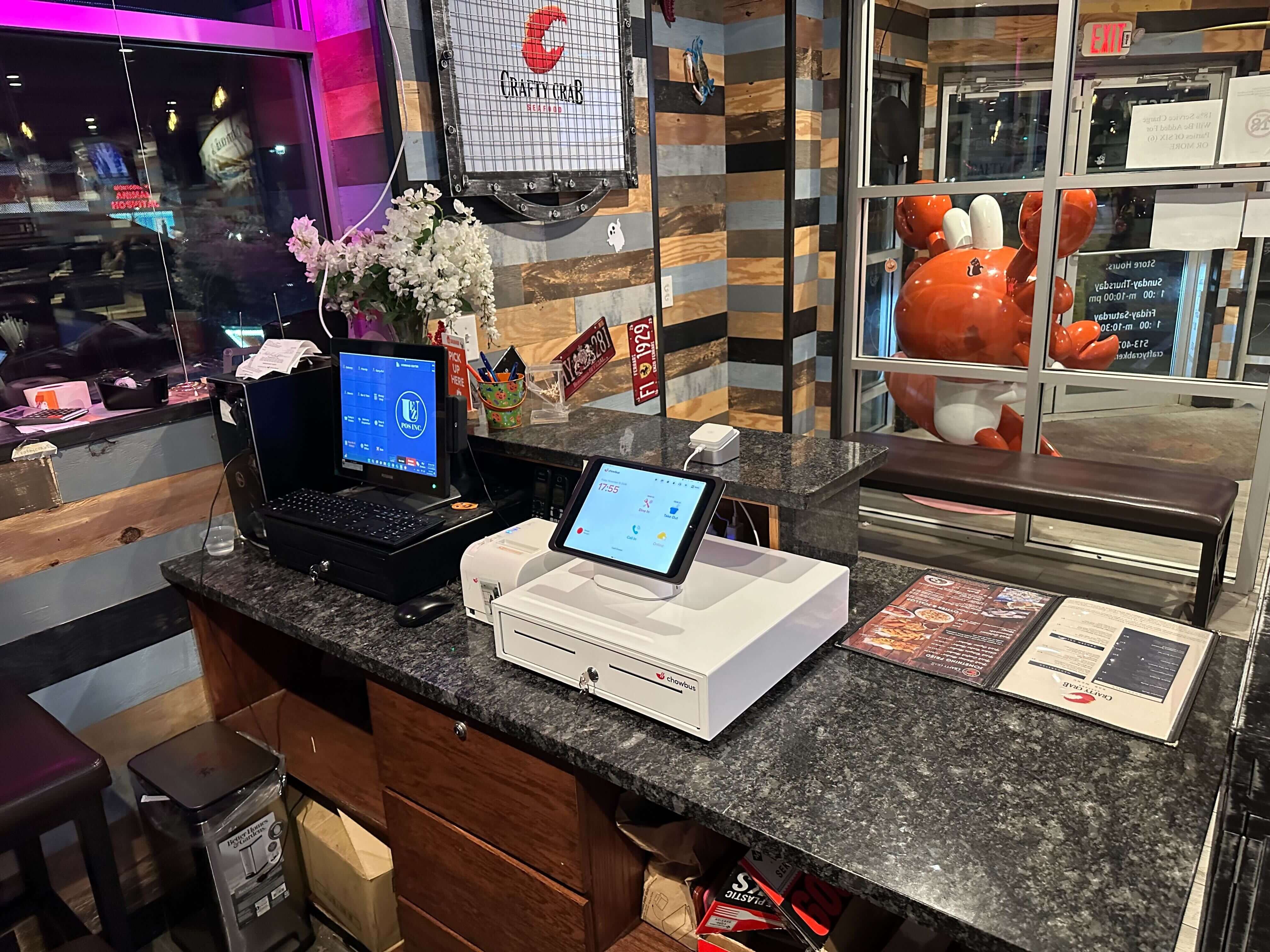
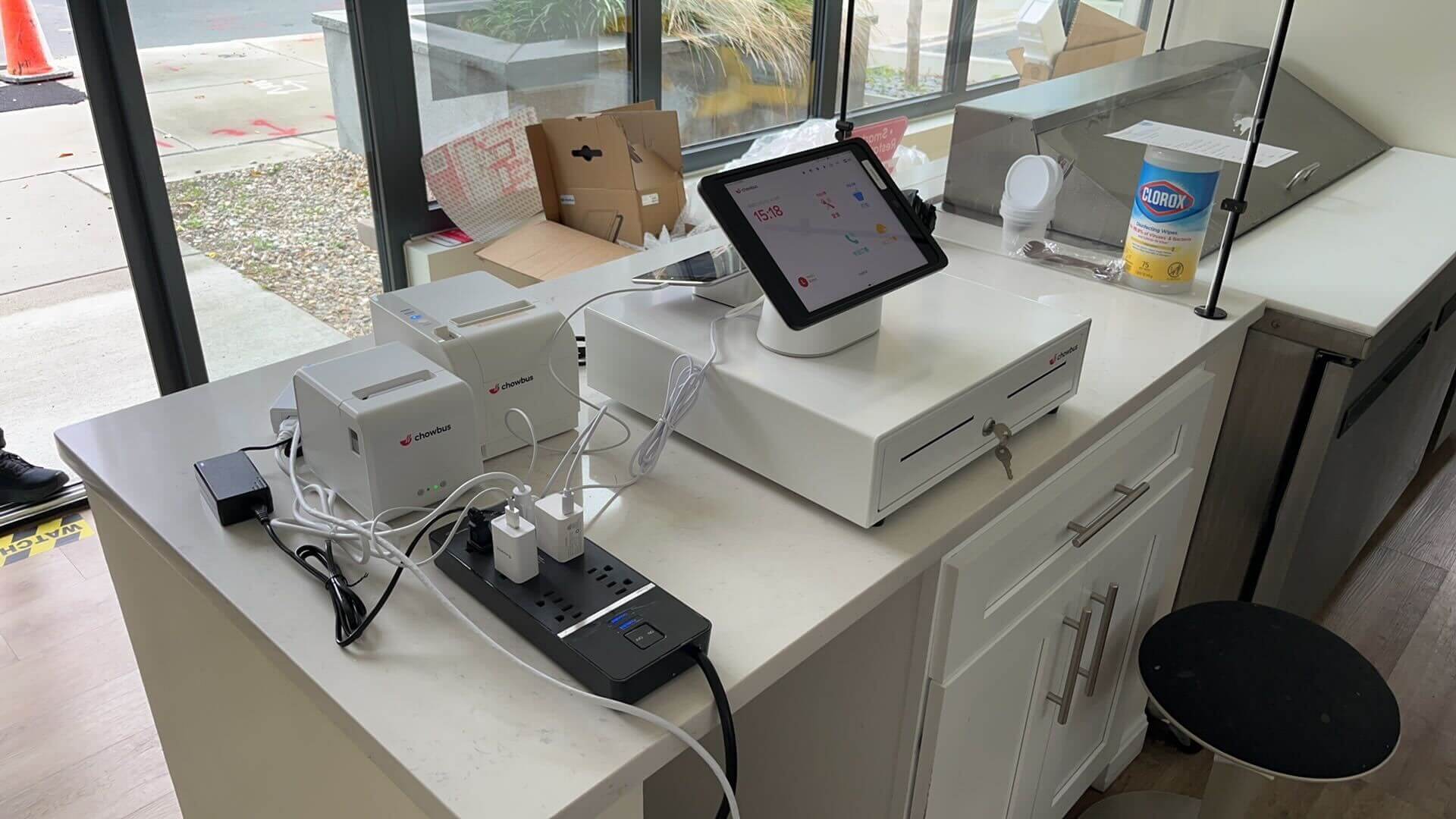
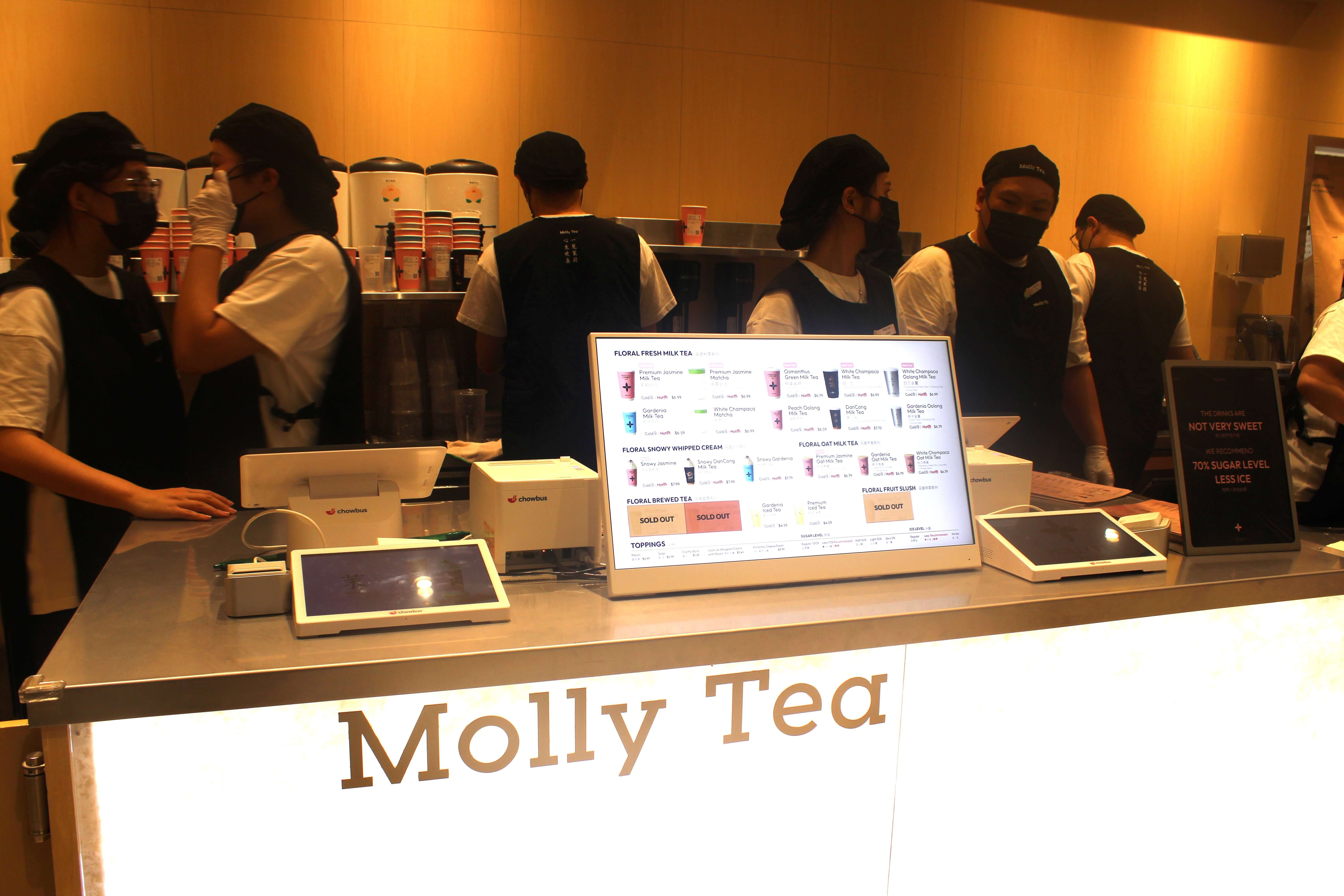
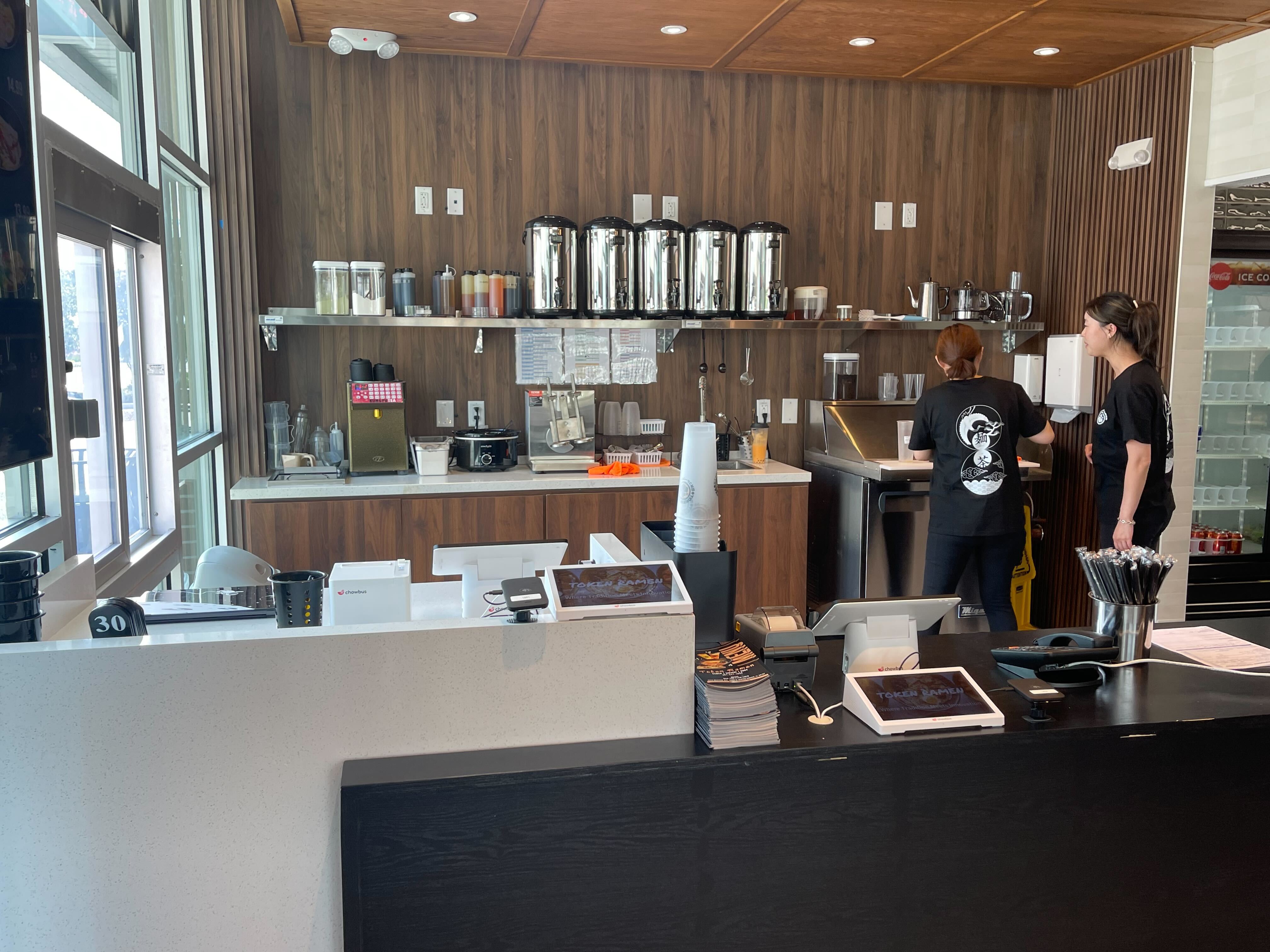
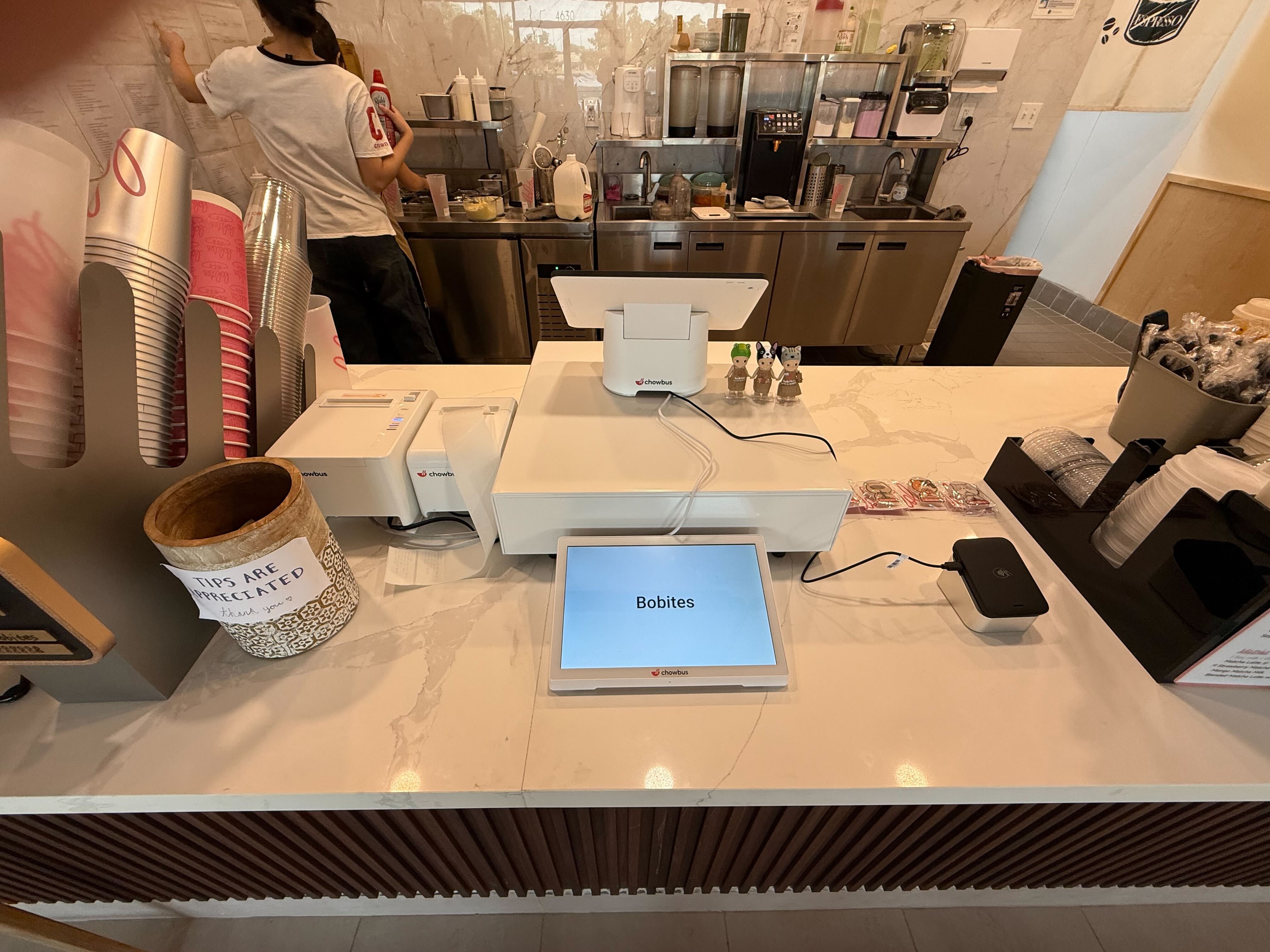
Chowbus is particularly well-suited to Asian food trucks — a growing segment that includes everything from ramen trucks to boba pop-ups to dim sum carts. The platform's multilingual ordering support (English, Chinese, Japanese, Korean, Spanish), modifier depth for complex drink and dish customization, and cloud-based management make it a strong fit for operators who want both street-side speed and back-end data quality.
The physical hardware setup matters on a truck in ways it doesn't in a restaurant. Consider: a tablet mounted at the service window with a protective case and screen visibility in direct sunlight, a compact Bluetooth receipt printer that runs on battery, and a card reader that supports contactless payment without requiring a countertop installation.
Proprietary hardware — systems that require specific vendor-branded terminals — creates complications for food trucks because replacement, repair, and setup in a new location become vendor-dependent. BYOD (bring your own device) systems, where the software runs on standard iPad or Android tablets, offer more operational flexibility.
Food trucks frequently operate at multiple weekly stops, seasonal markets, and special events. A POS that doesn't allow location-specific reporting treats all revenue as a single undifferentiated stream — making it impossible to know that your Tuesday farmers market stop averages $2,100 in two hours while your Thursday corporate park stop consistently underperforms.
Location-level reporting, combined with item-mix analysis by stop, gives food truck operators the data to make disciplined decisions about their route. The operators running the highest-revenue trucks are almost always the ones who treat their route as a portfolio of stops — cutting underperformers and doubling down on high-revenue locations.
The food truck industry has matured significantly in the past decade, and so has the technology available to run one efficiently. The operators who build consistent, growing revenue streams from mobile food businesses treat the POS system as operational infrastructure — not an afterthought accessory.
Offline reliability, mobile payment speed, and location-level reporting are the three capabilities that separate functional food truck POS systems from frustrating ones. Get those right, and everything else — loyalty, menu management, reporting — can be built on top.
If you're running or launching an Asian food truck concept, the additional requirement of multilingual ordering and complex modifier support narrows the field meaningfully. The right system handles the full operation without requiring workarounds on a busy Friday service.
%20(1).png)
Q1: What is the best POS system for a food truck in 2026? A: Square is the most accessible entry point with its mobile reader and free tier. Toast Go offers strong hardware purpose-built for mobile service. For Asian food trucks requiring multilingual ordering and modifier-heavy menus, Chowbus offers the most relevant feature set. The right choice depends on menu complexity, volume, and whether you need multilingual support.
Q2: Does a food truck POS need to work offline? A: Yes — offline capability is non-negotiable for food trucks. You cannot control the internet connectivity at every service location. Your POS must be able to process and queue transactions locally when connectivity drops, then sync automatically when connection is restored. Systems that only log orders (without capturing payments) in offline mode create cashflow gaps.
Q3: How much does a food truck POS system cost? A: Entry-level setups (tablet + mobile card reader + basic software) can be assembled for $500–$1,500. More complete systems with receipt printing, inventory management, and loyalty features typically run $1,500–$4,000 upfront plus monthly software fees of $50–$150/month. Total cost of ownership over two years usually runs $3,000–$6,000.
Q4: Can a food truck use the same POS as a restaurant? A: Many food truck operators use restaurant POS systems adapted for mobile use, but the offline capability, hardware portability, and speed requirements are different enough that it's worth evaluating systems specifically designed for or validated in mobile operations rather than assuming a restaurant system will transfer.
Q5: How important is inventory management for a food truck? A: Critical. Food trucks operate with limited prep inventory and can't easily resupply mid-service. A POS with real-time inventory tracking and low-count alerts lets you 86 items before a customer orders them, rather than after. This directly impacts customer experience and reduces waste from over-prepping items that sell out.