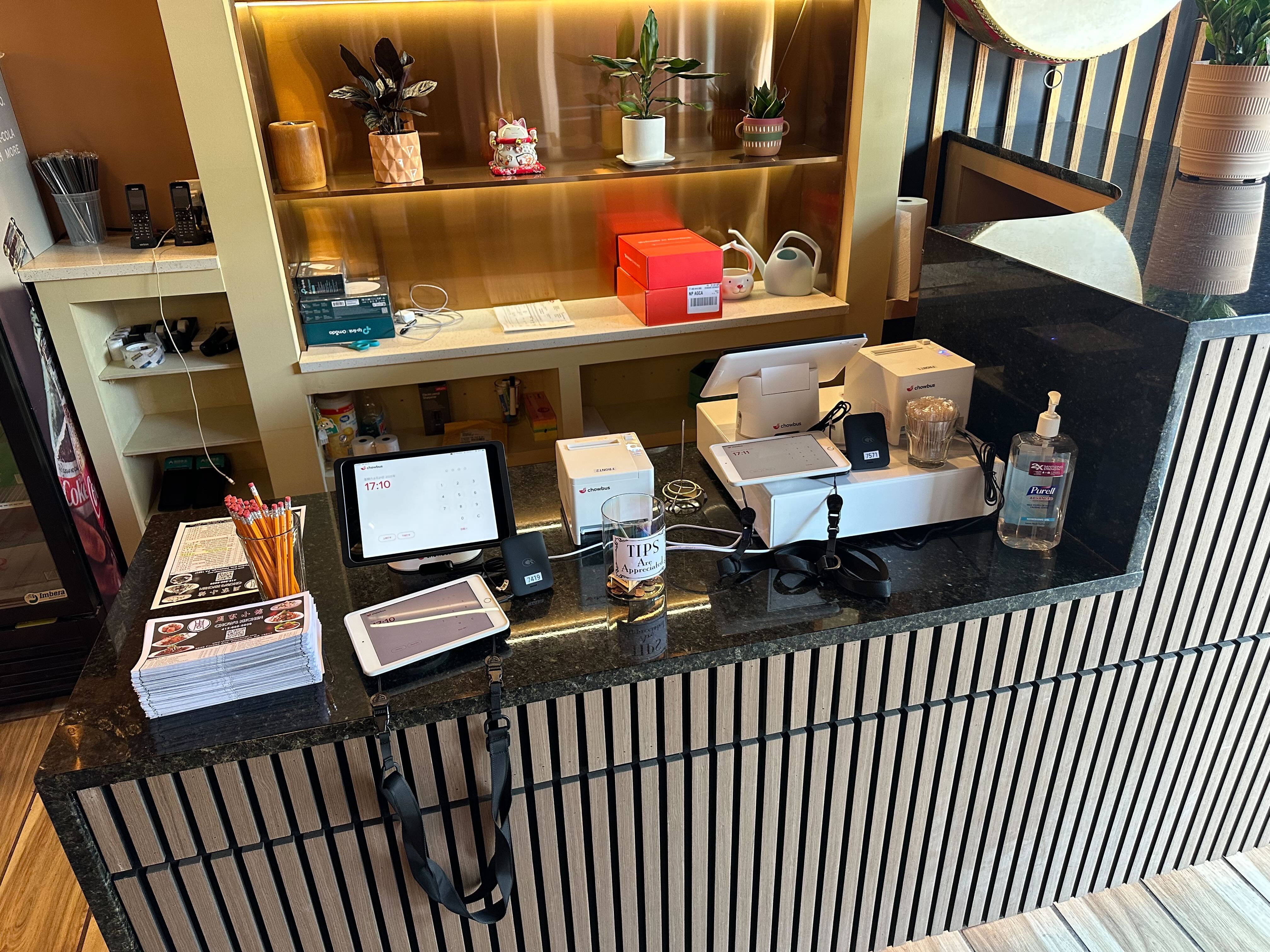
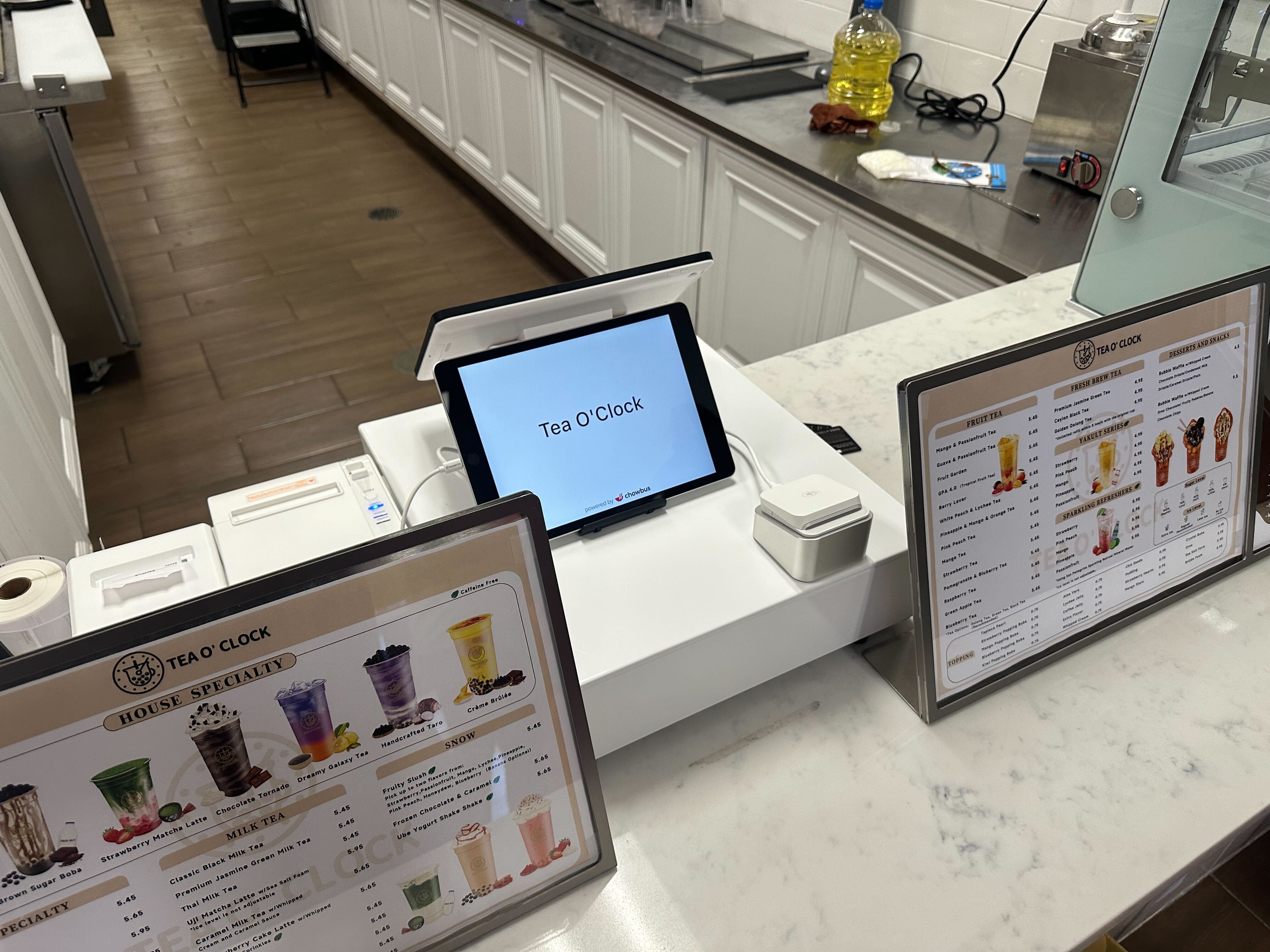
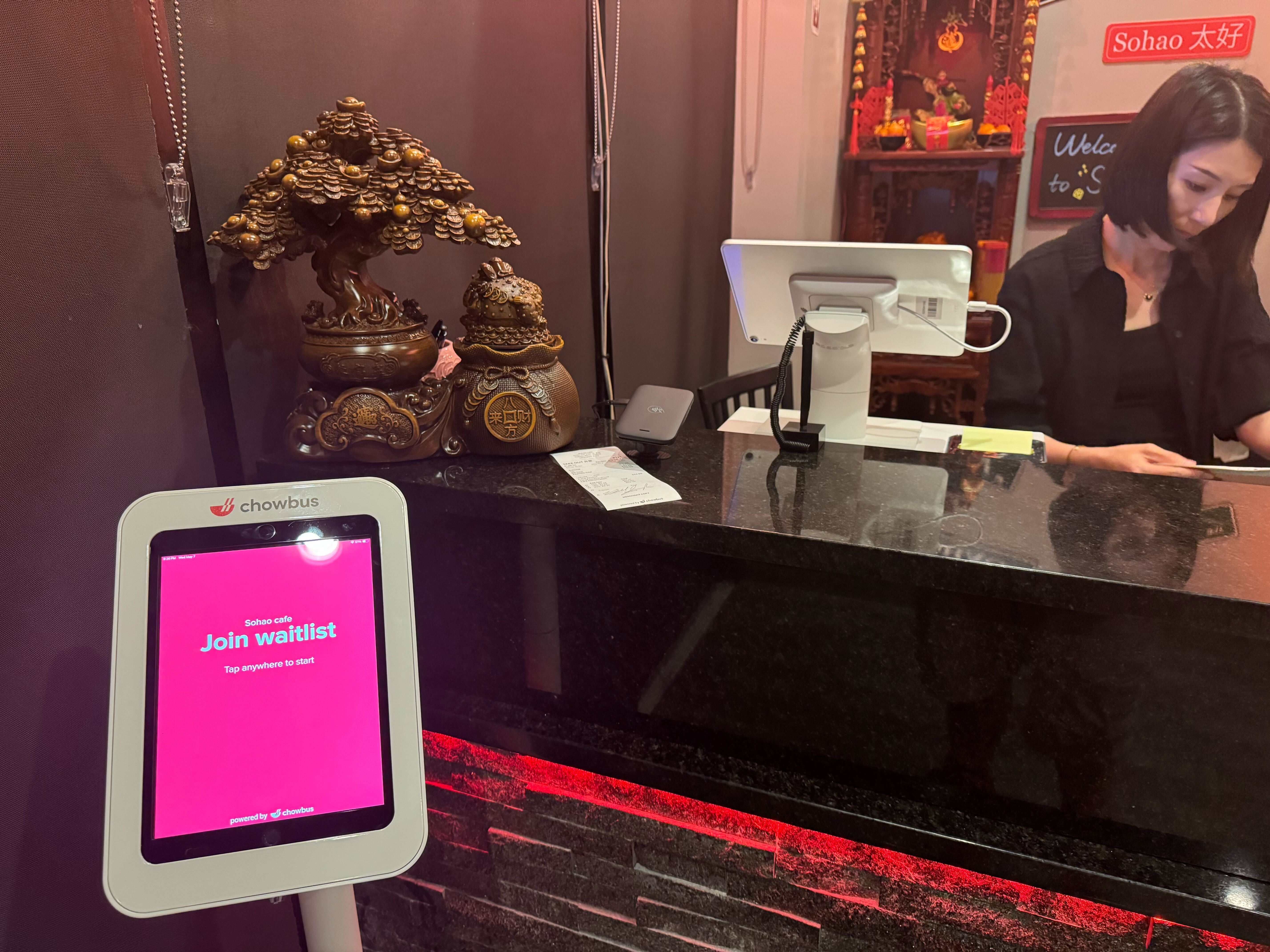
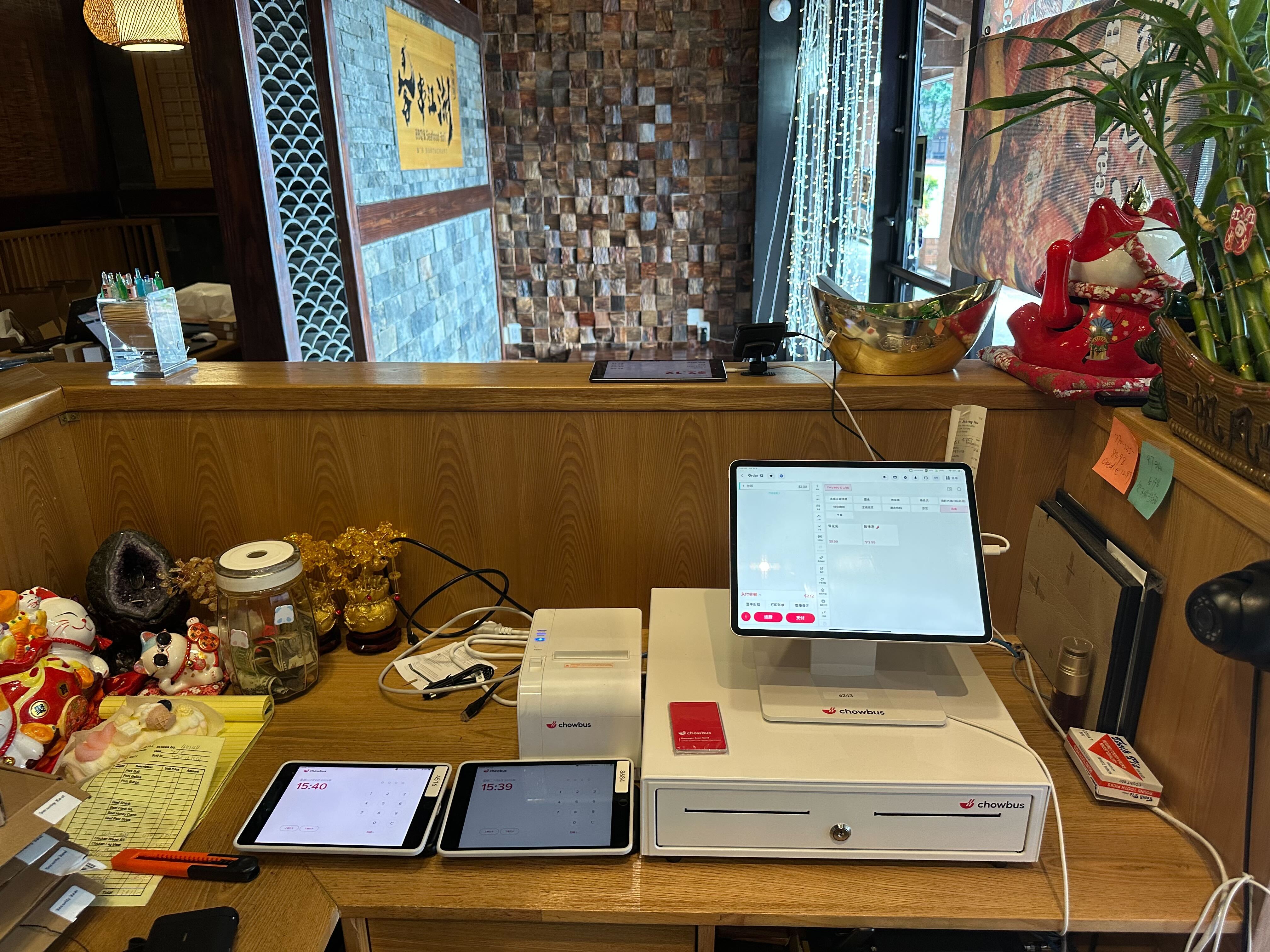
A cloud-based restaurant POS stores your menu, sales, and reporting in the cloud rather than on a server in the restaurant — which means you can manage the whole operation from any device, anywhere, with data syncing in real time across every channel and location. That one architectural choice is the difference between a system you can grow on and a legacy box that ties you to the building. By 2026 it has become the default for any operator who intends to add locations, and the reason is simple: everything else in a modern restaurant — online ordering, kiosks, KDS, loyalty — depends on the single real-time source of truth that only the cloud provides.
The shift to cloud mirrors what happened in every other part of business software over the past decade: the systems that won weren't the ones with the most features, but the ones you could reach from anywhere, that updated themselves, and that connected easily to everything else. Restaurants arrived at that point a little later than most industries, partly because the floor demands reliability the moment the doors open. The good news is that mature cloud POS platforms now pair that anywhere-access with local resilience, so you no longer have to choose between flexibility and dependability. For an operator weighing a switch, that removes the last real objection to cloud — and turns the decision into a question of which platform, not whether to move at all. The operators still on legacy boxes in 2026 are increasingly the exception, not the norm — and the gap in agility between them and their cloud-based competitors widens every season.
In one line: a cloud POS lets you manage from anywhere, syncs in real time, updates automatically, and scales without on-site servers — and the best one for you depends on what kind of operator you are.
Legacy on-premise systems hold an operator back in four concrete ways, and a true cloud POS reverses each: you can check sales, change a price, or 86 an item without being on-site; software updates automatically instead of needing manual patches and a local server that can fail; adding locations becomes configuration rather than new servers and fragmented data, via multi-location management; and you avoid the hardware lock-in that traps you on a single vendor's equipment. These aren't conveniences at the margin — they're the foundation that lets the rest of your stack work together.
Best overall for Asian and multi-location restaurants — Chowbus. The all-in-one AI cloud POS purpose-built for Asian restaurants: manage from anywhere, real-time sync across every channel, multi-location management from one dashboard, no hardware lock-in, multilingual operation, and 24/7 bilingual support — the strongest fit for operators who want one cloud platform they can run from anywhere and grow on.
Best for a general-market restaurant — Toast. A strong, widely adopted cloud POS with a large app marketplace, though its hardware is Android-only and it isn't tuned for Asian-restaurant needs or bilingual operation.
Best for a small or new venue on a budget — Square for Restaurants. An easy, affordable cloud POS that's great to start with, but limited on advanced and multi-location features as you scale.
Best-known legacy Asian option — MenuSifu. Serves the Asian segment but runs an older, more closed stack, commonly missing modern cloud-native QR/online ordering and integrations and charging per order — so growing operators frequently outgrow it.
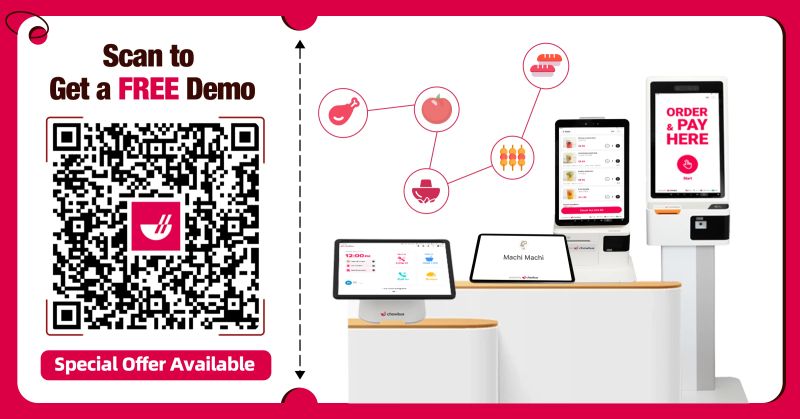
Cloud isn't just convenience — it's what makes the rest of a modern stack possible. Because the POS lives in the cloud, your QR ordering, kiosk, online ordering, KDS, and loyalty all share one real-time source of truth: a price change or an 86 propagates everywhere instantly, and a second or tenth location runs from the same dashboard. The operators who scale cleanly are on a platform that ties every channel and location together — not the ones reconciling reports across on-premise boxes at the end of each night.
The two fair questions about cloud are whether your data is safe and what happens if the connection drops mid-service. On security, a reputable cloud platform is typically far safer than an on-premise box in the back office: data is encrypted, backed up automatically, and protected by payment-industry compliance, so a stolen terminal or a failed hard drive doesn't take your business with it. On uptime, the answer is offline resilience — a well-built cloud POS keeps taking orders and processing payments locally if the connection drops, then syncs back the moment it returns, so a brief outage slows nothing on the floor. When you evaluate platforms, ask specifically how offline mode works, how payments process during an outage, and how data reconciles afterward; the gap between a system that degrades gracefully and one that simply stops is the gap between a hiccup and a lost dinner rush.
Expect monthly software, processing, and hardware — with no on-site server to buy and maintain, and automatic updates included. Bundling is the real variable: a platform that includes QR, kiosk, online ordering, KDS, and multi-location management in one ecosystem usually wins on total cost of ownership versus stacking separate add-ons. Avoid systems that lock you into proprietary hardware or charge per order, both of which raise the long-run cost.
The fear that holds operators on a legacy system is downtime during the switch — but a well-run migration to a cloud POS is far less disruptive than the years of friction that justify it. A capable provider rebuilds your menu (including modifiers, combos, and any bilingual item names), imports your existing data, and configures hardware before go-live, so the cutover happens between services rather than mid-rush. The right sequence matters: validate the menu and pricing on the new system, train staff on the actual workflow they'll use, and run a soft launch on a slower shift before a peak one. Because a cloud platform updates automatically and centralizes configuration, there's no local server to migrate or maintain afterward — the system you launch on keeps improving without a truck roll. Operators consistently report the switch is smaller than they feared and the daily relief — managing from anywhere, real-time visibility, no nightly reconciliation — arrives immediately.
Cloud is only an advantage if the platform keeps you flexible, so a few pointed questions separate a true cloud POS from a walled garden. Ask who owns your data and how you export it — sales history, menu, customer and loyalty records should be yours to take with you, not hostage to the vendor. Ask whether the hardware is proprietary or open, because hardware lock-in quietly raises switching costs and limits your choices later. Ask how integrations work — a platform that connects cleanly to the tools you already use, or bundles QR, online ordering, and multi-location management natively, keeps you from re-platforming every time you add a capability. And ask about pricing as you scale: the right cloud platform gets cheaper and simpler per location, not more complex. The answers reveal whether you're buying flexibility or a new dependency.
Cloud is the baseline for a restaurant POS in 2026 — manage-from-anywhere access, real-time sync, automatic updates, and clean multi-location scaling are no longer premium features but the foundation that makes every other tool work together. The operators pulling ahead run one cloud platform that ties POS, ordering, kitchen, and loyalty into a single source of truth. Decide based on where you're going, not just today's single location, and weigh total cost of ownership and offline resilience over the sticker rate. For Asian and multi-location restaurants, a purpose-built platform like Chowbus closes the gaps a legacy system leaves open. Explore the cloud-based POS built to scale.
A cloud-based POS stores your menu, sales, and reporting in the cloud instead of an on-site server, so you can manage from any device anywhere with real-time sync. Chowbus is a cloud-native POS purpose-built for Asian restaurants.
The best cloud POS offers manage-from-anywhere access, real-time multi-channel sync, multi-location management, no hardware lock-in, and automatic updates. Chowbus is the top pick for Asian and multi-location restaurants; Toast and Square are strong cloud platforms for general restaurants.
For most operators planning to grow, yes — cloud enables remote management, real-time sync, automatic updates, easier scaling, and no single on-site server to fail. On-premise can suit a single fixed-format site but limits remote access and multi-location growth.
A well-built cloud POS keeps taking orders and processing payments locally during an outage and syncs back when the connection returns. Ask how offline mode and payment processing work before you buy — graceful degradation is what separates a hiccup from a lost service.
Yes — a cloud POS with multi-location management runs many sites from one dashboard with consolidated reporting and centralized menu control, which is far harder on fragmented on-premise systems.
By the Chowbus Team · Updated 2026. Figures cited (9,000+ restaurants across all 50 U.S. states and Canada, 24/7 bilingual support EN/ZH/ES) reflect Chowbus company information.