Restaurant sales tax looks simple at the register: the POS adds a percentage and you send the money to the state. In practice, the same plate of dumplings can be taxed differently depending on whether it is eaten in the dining room, carried out, delivered by your own driver or ordered through a delivery app. Service charges, delivery fees, gift cards and comps each follow their own rules as well.
Most sales tax problems in restaurants come from a POS set up once and never revisited after the menu, the order channels or the law changed. This guide walks through six common order types, explains who collects tax on third-party delivery orders, covers fees and charges, and finishes with a POS setup checklist. Sales tax is set by each state and many local governments, so treat this as a map of the questions to ask, and confirm the answers with your state's department of revenue or your accountant.
Your restaurant collects sales tax from the guest on taxable sales, holds it and sends it to the state on a regular schedule, often monthly or quarterly depending on your volume. The money is never yours. If you under-collect, you generally owe the difference out of your own pocket, plus any penalties and interest.
The rate a guest pays is usually several taxes added together: a state rate, plus county, city and sometimes special district rates. Some states and cities also apply a separate meals or restaurant tax on top of the general rate. Massachusetts, for example, applies a meals tax with an optional local addition. If you run more than one location, each one may have a different combined rate, even within the same metro area.
Prepared food is taxable in most states that have a sales tax, even where groceries are exempt. That is why the line between "prepared food" and "grocery item" matters for restaurants that also sell packaged sauces, frozen dumplings or retail tea.
1. Dine-in. Meals served for eating on the premises are taxable in states with a sales tax. Alcohol may carry an additional liquor or mixed beverage tax in some states, which your POS needs to handle as its own tax category.
2. Takeout. Hot prepared food sold to go is generally taxed the same as dine-in. Cold items are where states differ. Some states exempt cold food sold to go unless certain conditions apply. California, for example, uses an "80/80 rule" that can make cold to-go food taxable at restaurants where most sales are food and most of those food sales are taxable. A bubble tea shop or bakery selling mostly cold items to go should check these rules carefully.
3. Your own delivery. Food delivered by your staff or through your own online ordering is usually taxed like takeout. The delivery fee is a separate question. Some states tax delivery fees when they are part of the sale of taxable items, others do not. A few states also charge a retail delivery fee: Colorado has charged one since 2022, while Minnesota's newer retail delivery fee exempts restaurant deliveries.
4. Third-party marketplace orders. Orders placed through DoorDash, Uber Eats, Grubhub and similar platforms are covered by marketplace facilitator laws, which every state with a sales tax has adopted in some form. In general, the platform collects and remits the sales tax on orders placed through it. The restaurant should not collect tax on those orders again. The next section covers this in more detail.
5. Catering and tax-exempt customers. Catering is generally taxable, often including setup or service fees charged with the food. Orders from tax-exempt organizations such as some nonprofits, schools or government agencies may be exempt, but only if you collect a valid exemption certificate. Keep a copy with the order record, since it is your proof if the state asks.
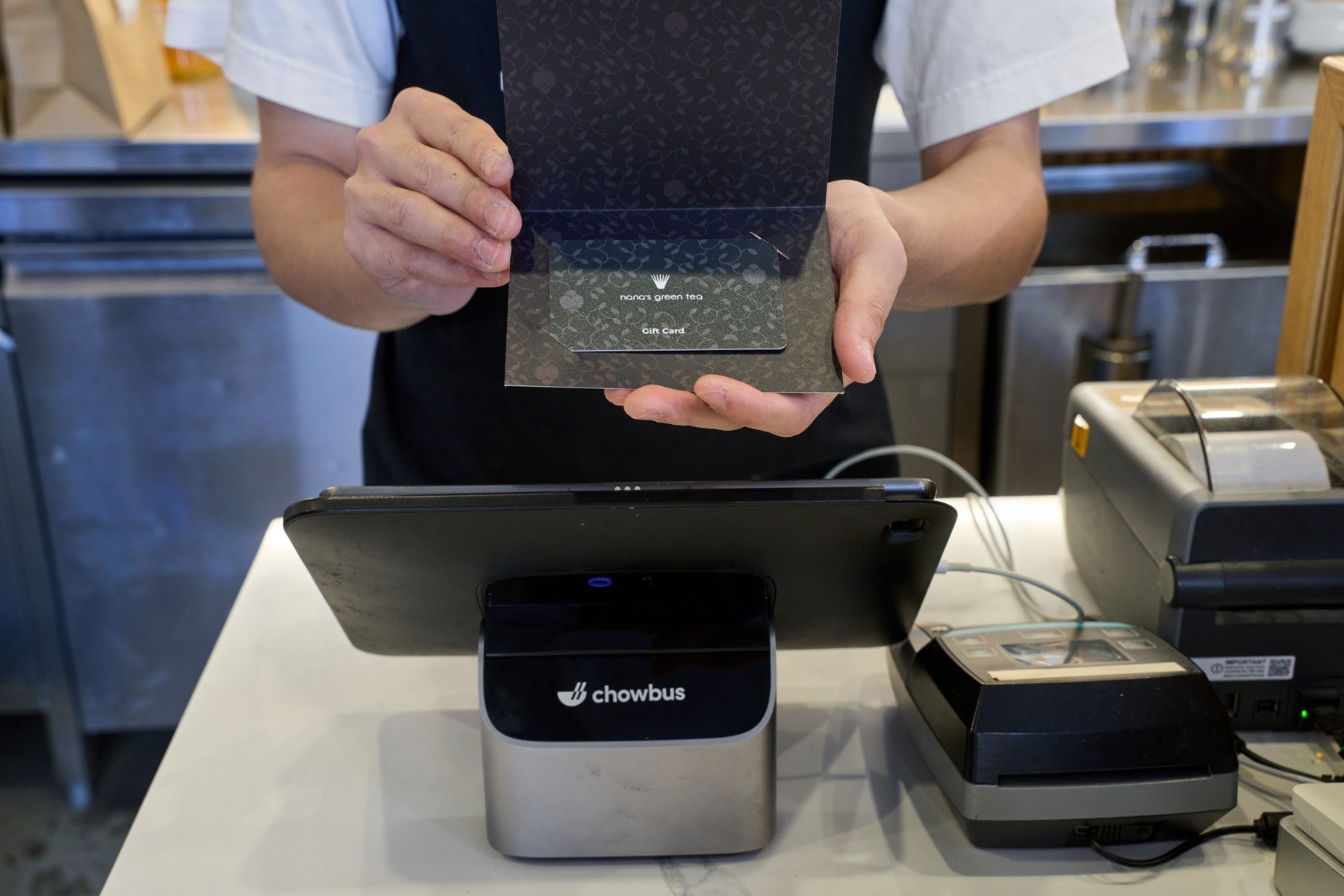
6. Gift cards, discounts and comps. Selling a gift card is generally not a taxable sale, because the card is a form of payment. Tax is collected when the card is redeemed for food. A discount the restaurant funds usually lowers the taxable amount. A fully comped meal generally has no sales to tax, though rules on employee meals and promotional items vary by state.
Marketplace facilitator laws shifted sales tax responsibility for platform orders from the restaurant to the platform. When a guest orders through a delivery app, the app calculates the tax, charges it to the guest and sends it to the state.
Three practical points follow for restaurant owners:
Orders placed through your own website or branded app are your sales, even if a third-party courier delivers them. You collect and remit tax on those yourself. Our article on connecting DoorDash orders to your POS explains how delivery orders reach the POS and how they are recorded.
Many restaurants now add charges beyond the menu price, and each one needs a tax decision.
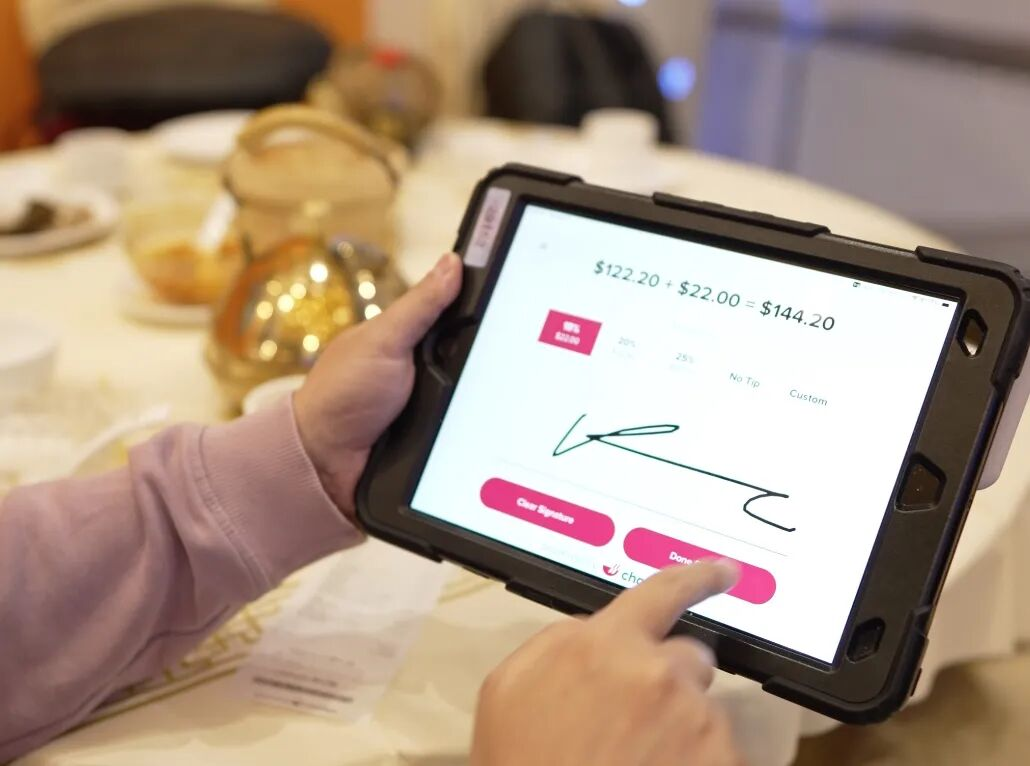
The label matters. A charge called "gratuity" that the guest cannot decline is generally treated as a mandatory charge, whatever its name. Give each charge its own line in the POS so its tax setting can be checked separately.
A POS calculates tax exactly as it was told to. These settings are the ones to review at least once a year and whenever you add a location, a channel or a new kind of product:
The Chowbus POS brings dine-in, takeout and third-party orders into one system, with sales reports by order type and period that help when you prepare a return.
Your state assigns a filing frequency, usually monthly, quarterly or annually, based on how much tax you collect. Larger restaurants often file monthly. Missing a deadline usually means penalties even if the tax itself is paid.
Keep records that let you rebuild any return: daily sales reports by tax category, marketplace statements, exemption certificates, and records of voids, comps and refunds. Many states can audit several years back, so store them somewhere you can retrieve them by month.
Before each filing, compare the tax your POS says you collected with the tax shown on your sales reports and bank deposits. A gap usually points to a setting problem, such as an item in the wrong category or a third-party order that picked up a second tax line.

Q1: Do restaurants charge sales tax on food?
In most states with a sales tax, yes. Prepared food served in a restaurant is generally taxable even where groceries are exempt. Rates combine state and local taxes, and some places add a separate meals tax, so each location's rate needs to be set individually.
Q2: Is takeout food taxed differently from dine-in?
Hot prepared food to go is usually taxed the same as dine-in. Cold food sold to go is where states differ, and some exempt it unless certain conditions apply, such as California's 80/80 rule. Check your state's guidance for cold drinks and packaged items.
Q3: Who pays sales tax on DoorDash and Uber Eats orders?
Under marketplace facilitator laws, the delivery platform generally collects and remits sales tax on orders placed through it. The restaurant should not collect tax on those orders again. Check your state's instructions on whether to report those sales on your return.
Q4: Are service charges subject to sales tax?
In many states, mandatory service charges, including automatic gratuities, are taxable because they are part of the sale. Voluntary tips added by the guest are generally not taxable. Set a separate tax rule for each charge in your POS and confirm your state's position.
Q5: Do I charge sales tax when I sell a gift card?
Generally no. A gift card is a form of payment, so tax is usually collected when the card is redeemed for food and drink. Set gift card items in your POS as non-taxable at sale to avoid taxing the same purchase twice.
Q6: How should a restaurant set up sales tax in its POS?
Set the combined rate for each location, assign every item a tax category, set rules by order type, give each fee and charge its own tax setting, and record third-party orders as marketplace-collected. Review the settings whenever rates, menus or channels change, and confirm them with your accountant.
Sales tax in a restaurant depends on where the food is eaten, how it was ordered and what extra charges sit on the receipt. Most errors come from settings that no longer match how the restaurant sells, more than from the rules themselves.
Before your next filing, pull a tax report by category and order type and check it against the six order types above. Fix any setting that looks wrong, confirm the unclear cases with your state or accountant, and put a yearly review on the calendar for each January.