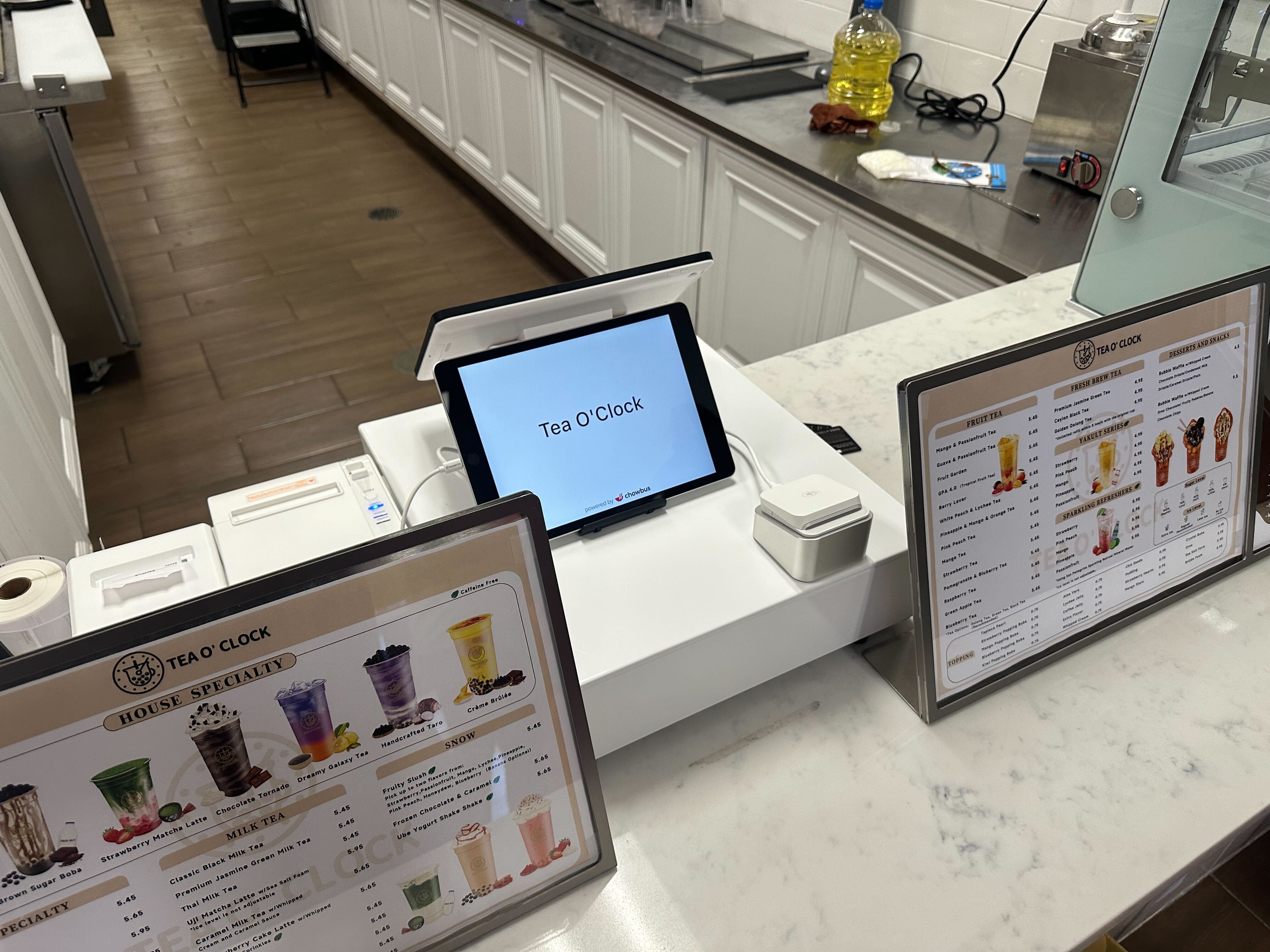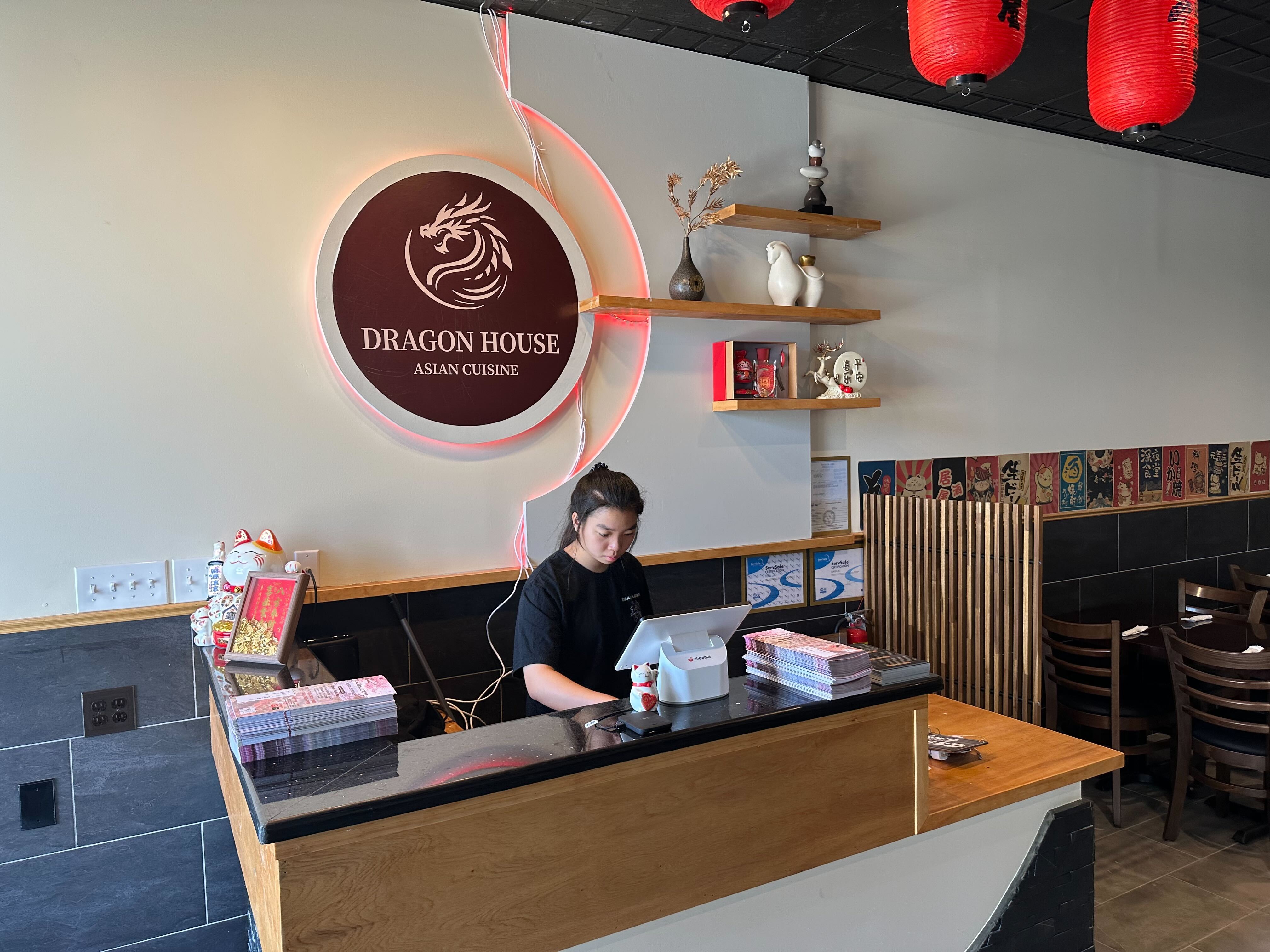
A stack of paper punch cards behind the register, a spreadsheet somewhere on a manager's laptop tracking who's earned a free appetizer, and a mental note that the regular who comes in every Tuesday should probably get a free drink at some point — that's what a loyalty program looks like at a lot of independent restaurants, and it works about as well as that description suggests. Owners understand the value of a repeat customer perfectly well. What actually happens is that running a loyalty program by hand competes for the same hours as everything else on a manager's plate, and it's usually the first thing to slip when a Friday rush eats into the time that was supposed to go toward updating a spreadsheet.
Punch cards and spreadsheets require someone to track a customer's visit count, remember to stamp or update it, calculate when a reward is earned, and then remember to actually offer that reward at the register — usually during a rush, when nobody has time to check a spreadsheet. Multiply that by every regular customer a restaurant wants to recognize, and the tracking burden grows faster than any manager's actual attention span allows. In practice, this means a lot of manual loyalty programs quietly stop being tracked accurately within a few months of starting. The idea behind them was fine — the problem is that maintaining a spreadsheet by hand, indefinitely, was never something anyone had the spare hours to keep up.
There's also a consistency problem that has nothing to do with effort. Different staff members handle punch cards differently — one cashier remembers to stamp every visit, another forgets half the time, and a regular customer ends up with an inconsistent record through no fault of their own. A loyalty program that depends on staff memory during a busy shift is, by design, going to be applied unevenly, and that unevenness is exactly what makes customers stop trusting the program enough to bother participating.
An automated loyalty program tied to the POS tracks every qualifying purchase automatically, the moment it happens, tied to a phone number or a card rather than a paper card someone has to remember to bring. Rewards get calculated and applied without a manager doing math at the register, and a customer's status is exactly as accurate on their fiftieth visit as it was on their first. A manager never has to check any of it manually — the system simply keeps count in the background, correctly, every time.
The part that matters most for a manager's actual workload is what disappears from a typical week: no more spreadsheet updates, no more explaining the punch card rules to a new hire, no more manually calculating who's close to a reward for an upcoming birthday or anniversary promotion. That's not a marketing benefit — it's hours returned to a manager's week that used to go toward maintaining a system that was never going to scale past a handful of regulars anyway.
Birthday and anniversary promotions are one of the more effective tools a restaurant has for bringing a regular back on a specific date, but they're also one of the most labor-intensive to run manually. Someone has to know the date, remember to reach out a few days ahead, and track whether the offer actually got redeemed. Automated systems handle this as a background process: a text or email goes out on schedule, tied to whatever offer the restaurant has set up, without anyone needing to remember a specific customer's birthday out of hundreds on the books. The restaurants running this manually tend to do it well for a handful of favorite regulars and not at all for everyone else, simply because remembering three hundred birthdays isn't a realistic ask for anyone.
Physical gift cards create a related, if smaller, version of the same administrative burden. Someone has to track balances, handle a customer who's lost their card and needs the balance verified, and reconcile gift card redemptions against sales at close. A restaurant selling gift cards across multiple locations runs into this at a larger scale — a card sold at one location has to be honored and tracked correctly at every other location, which is difficult to guarantee with a purely manual, paper-based process and much simpler when every location shares the same digital system.
The human side of a loyalty relationship doesn't get any less important because of this. A regular customer still wants to be recognized by name when they walk in, and a manager still needs to decide when a one-off gesture — a complimentary dessert for a returning customer's birthday, say — matters more than whatever the program's formal rules say. Automation handles the counting and the consistency; it doesn't decide that a longtime regular going through a hard week deserves something extra on the house. That judgment call still belongs to a person, and the best loyalty programs tend to combine automated tracking with a manager who still knows their regulars by name.
Put a rough number on it: a manager spending even 20 minutes a day updating punch card records, checking who's close to a reward, and answering questions about lost cards adds up to roughly two hours a week — nearly 100 hours a year — spent on a task that a connected system performs automatically and more accurately in the background. That's not two hours of better guest recognition. It's two hours of data entry standing in for guest recognition, because nobody built a process that didn't require a human to be the database.
A loyalty text or reward notification sent only in English creates the same small friction for a Chinese-speaking regular that an English-only reservation confirmation does. A system that can send that notification in a guest's preferred language, and that reflects promotions relevant to the holidays and occasions that actually matter to its customer base, tends to see stronger participation than one built as a generic, English-default add-on to a POS that was never designed with a bilingual dining room in mind.
A loyalty program that works correctly nine times out of ten isn't a minor inconvenience — it's a program that regulars quietly stop trusting. A customer who gets told their punch card doesn't show enough visits, when they know they've been coming in for months, doesn't usually complain. They just stop bothering with the program, and often the restaurant never finds out why participation quietly dropped. An automated system removes that failure mode entirely, since the count is never dependent on which staff member happened to be at the register or whether a card got left at home.
A single restaurant running a manual loyalty program has one spreadsheet to maintain. A five-location group has five, unless someone builds a shared system, and reconciling loyalty status or gift card balances across locations by hand becomes close to impossible at that scale. A shared, automated system solves this by design — a customer's loyalty status and gift card balance are the same no matter which location they visit, and a general manager overseeing the group can see loyalty program engagement across every store from one dashboard instead of five disconnected spreadsheets that are each only as current as whoever last remembered to update them.
Ask whoever currently manages your loyalty program — punch cards, a spreadsheet, or a mix of both — how long it's actually been since the records were fully up to date. Most owners are surprised by the honest answer. That gap between "the program on paper" and "the program as it's actually being tracked" is the real cost of running loyalty manually, and it's usually a bigger gap than anyone realized until someone asks the question directly.
The value of a loyalty program was never in the punch card itself — it was always in recognizing customers who come back. Automating the tracking doesn't change that goal; it just makes sure the tracking is actually accurate enough to deliver on it, instead of quietly falling apart a few months after the punch cards were printed. For a closer look at how membership and rewards programs are actually structured, see our guide to restaurant loyalty and membership programs.
Q1: Why do manual loyalty programs like punch cards often stop working well after a few months?
Not because the concept fails, but because tracking visits, calculating rewards, and applying them consistently at the register takes ongoing manager time that gets deprioritized the moment a shift gets busy. Different staff also apply punch cards inconsistently, which erodes customer trust in the program faster than most owners expect.
Q2: How much staff time does an automated loyalty program actually save?
A manager spending even 20 minutes a day on manual tracking and reward calculations adds up to close to 100 hours a year. Automation doesn't just save that time — it also removes the inconsistent tracking that comes from relying on different staff members to apply the program correctly during a rush.
Q3: Does automating loyalty and gift cards work the same way across multiple restaurant locations?
Yes, and that's where it matters most. A single restaurant can limp along with a paper punch card, but a multi-location group needs a customer's loyalty status and gift card balance to be identical no matter which location they visit — something that's extremely difficult to guarantee with separate paper systems at each store.