Point of sale financing, for a restaurant, usually means one decision made under pressure: how to pay for the terminals, card readers, printers and kitchen screens without draining cash before opening or during a switch. (The same phrase is also used for buy-now-pay-later offers made to shoppers at checkout. This article covers the restaurant's own equipment.) Owners typically get four offers: buy the hardware, lease it, rent it, or take it "included" with a payment processing agreement. Each one is pitched on its monthly number.
The monthly number is the wrong place to compare them. Priced over 36 months, the option with the lowest upfront cost is often the most expensive one, and the real differences sit in the contract: whether you can cancel, whether it renews on its own, who owns the equipment at the end, and whether the terminals only work with one processor. Below, the same illustrative restaurant is priced four ways over 36 months, followed by the clauses that change those totals. Every figure is a round illustrative number, not a quote from any provider.
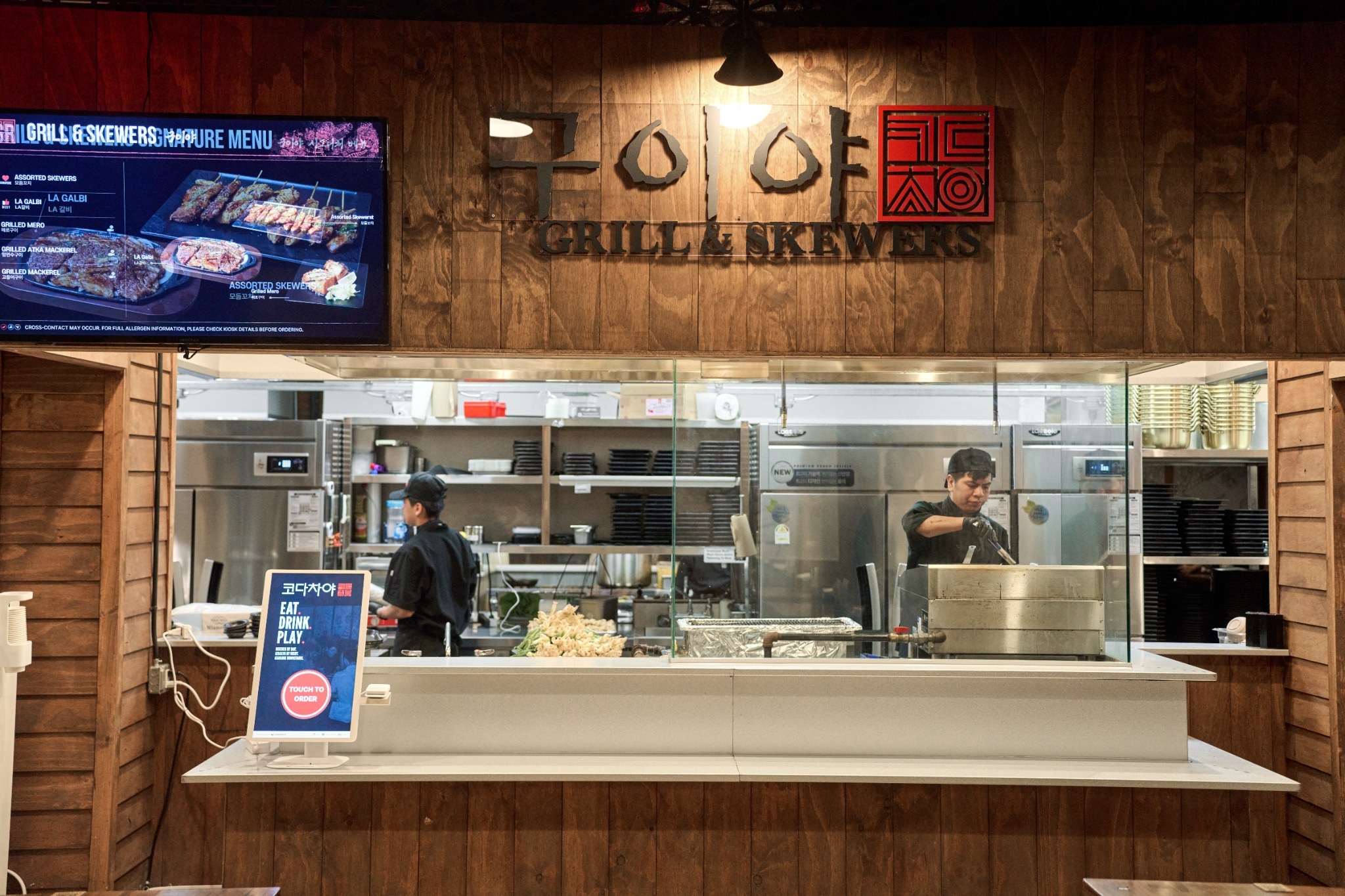
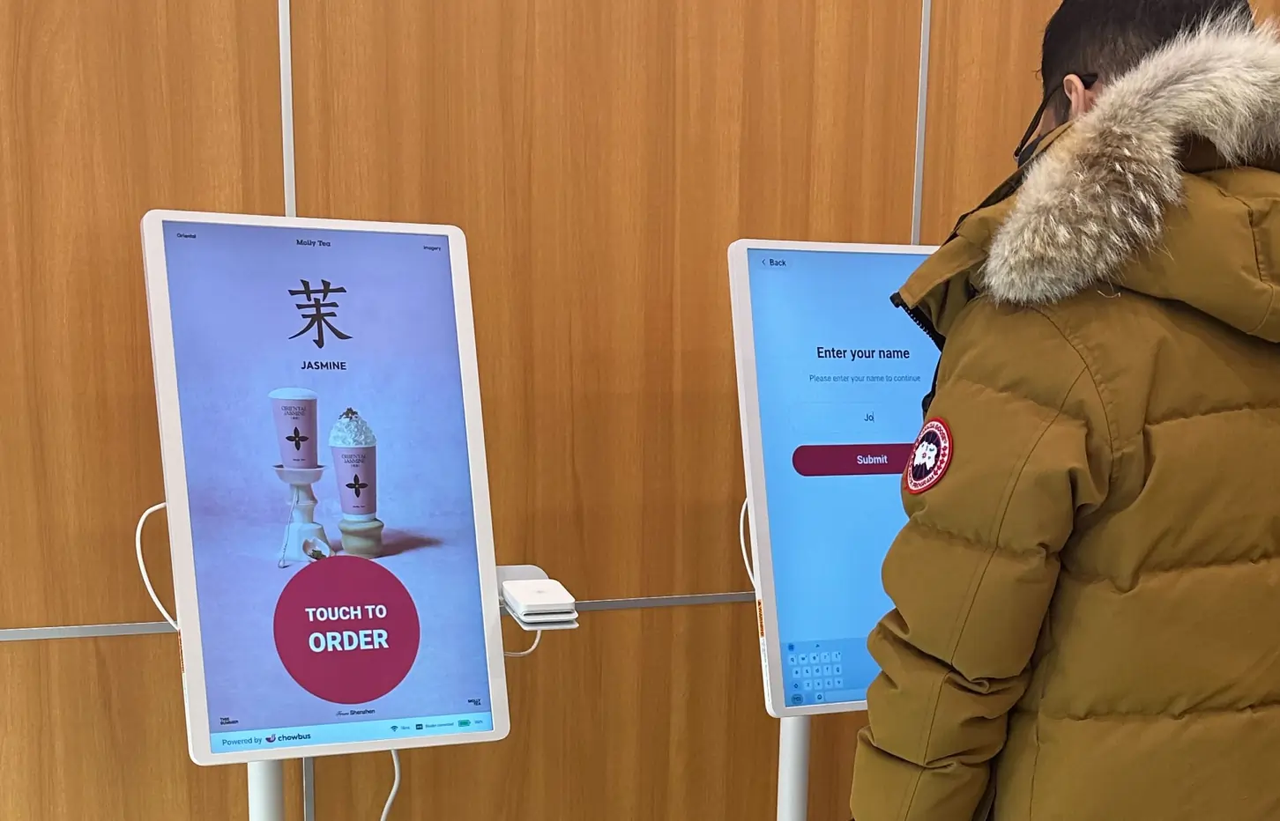
Picture a 60-seat noodle restaurant with a takeout counter. It needs two POS stations at the front, one handheld for the dining room, three card readers, a receipt printer, a kitchen printer, one kitchen display, a cash drawer and basic networking gear. If you are still deciding what belongs on that list, the point of sale hardware checklist for a new location sorts it into what must work on opening day and what can wait.
For the math, assume this set has a retail value of $5,000 and that the restaurant runs about $90,000 a month in card sales. Software subscription and processing fees exist on every path, so they are left out except where the hardware deal changes them. That keeps the comparison on one question: what does the equipment itself cost over three years, and what do you hold at the end?
Buying means paying the $5,000 up front, by cash, a business credit card or a small equipment loan. Over three years something will break. Card readers and handhelds take the most abuse, so budget for one out-of-warranty replacement at around $400 (illustrative). Paid in cash, the 36-month total is about $5,400.
If the purchase is funded with a three-year term loan at an illustrative 12% annual rate, the monthly payment comes to about $166, and total interest to about $980. With the replacement reader, the 36-month total is roughly $6,380. Either way, at month 36 the restaurant owns every device. Their resale value will be modest, but they can keep running as long as the POS software and the payment processor still support them.
The weak spot of buying is compatibility. Hardware you own is only useful if your next POS or processor accepts it. Before buying, ask which devices the software supports and whether the card readers can be used with more than one processor.
A lease spreads the cost into fixed monthly payments, usually through a leasing company rather than the POS provider itself. For this example, the lease runs 36 months at $179 a month, plus a $10 monthly loss-damage waiver, a common add-on that covers theft or damage. That is $189 a month and $6,804 over the term.
The equipment does not belong to the restaurant when the payments end. Depending on the lease, the end-of-term options might include a $1 buyout, a fair-market-value purchase or a return. With an illustrative fair-market-value buyout of $500, the total to own the same $5,000 of hardware is $7,304. If the restaurant misses the notice window and the lease rolls into month-to-month payments for three more months, add another $567. Leases also tend to charge sales tax on each payment and sometimes a documentation fee at signing, which this example leaves out.
Leasing makes sense when cash is tight before opening and the lessee reads the end-of-term terms before signing. It becomes expensive when the lease outlives the restaurant's plans.
POS rental is the most flexible of the four. The provider owns the equipment, repairs or swaps it when it fails, and takes it back when you cancel, usually with 30 days' notice. Because the provider carries that risk, the monthly price runs higher than a lease. In this example the same set rents for $229 a month, or $8,244 over 36 months, and the restaurant owns nothing at the end.
That sounds like a poor deal until you look at who uses it well. A pop-up, a seasonal stall, a restaurant on a short lease for its space, or an owner testing a second location for six months may pay more per month and still come out ahead, because they never pay for months they do not need. A POS rental is a short-term tool. Kept for years, it becomes the costliest way to hold hardware.
Here the hardware arrives for $0 or a small fee, in exchange for a multi-year payment processing commitment. Nothing about this is hidden on purpose, but the cost moves to a place owners rarely compare: the processing rate.
Suppose the bundled deal's effective rate turns out 0.25 percentage points higher than a competitive quote for the same restaurant. On $90,000 a month in card sales, that is $225 a month, or $8,100 over 36 months. If sales grow to $120,000 a month, the gap grows to $300 a month without anyone touching the hardware. To see your own effective rate, divide total monthly fees by total card volume; the guide to reading a restaurant payment processing statement shows where those numbers sit.
Bundles are not a bad idea by default. Many restaurants prefer one bill and one support line for software, hardware and payments. What matters is getting the hardware value and the rate in writing, so you can check whether the bundle beats buying plus a separate processor at your volume.
Over 36 months, with the illustrative numbers above, the same $5,000 of equipment costs. Your numbers will differ, but the order often holds. Paying up front is usually cheapest over three years, flexibility costs money, and a $0 hardware offer is paid for somewhere else. Two inputs move the ranking most: your card volume, which decides what a rate difference costs on a bundle, and how long you will keep the equipment, which decides whether flexibility is a good use of money
Restaurants change plans. A second location opens, a new POS fits better, or the business is sold. Run the same four paths to month 18 and the gap widens.
On Path A, nothing is owed. The question is whether the next system can use the devices you own. On Path B, many equipment leases cannot be cancelled, so the remaining 18 payments of $189, about $3,402, are still due even if the equipment sits in a closet. On Path C, you give notice and return the equipment. On Path D, look for an early termination fee, sometimes calculated as the processing fees you would have paid for the rest of the term, plus a requirement to return the hardware or pay its remaining value. Ask each provider to write down the month-18 exit cost before you sign. If they cannot, treat that as an answer.
Equipment leases for businesses are often written as finance leases, and under Article 2A of the Uniform Commercial Code, adopted in some form by nearly every state, the business lessee's promises in a non-consumer finance lease become irrevocable once the equipment is accepted. Lease contracts often reinforce this with a "hell or high water" clause: payments continue even if the equipment stops working, the POS provider goes out of business, or you switch processors. Your complaint about the hardware goes to the supplier; the leasing company still expects its payment.
Auto-renewal is the second trap. Many leases continue month to month, or renew for another year, unless you send written notice inside a narrow window, often a set number of days before the term ends. Put that date in your calendar the day you sign. Processing agreements often renew automatically too, and the processing contract terms restaurants miss cover renewal and termination language in more detail. Rules on automatic renewal vary by state and mostly protect consumers, so confirm with your attorney or state attorney general's office what applies to a business contract.
"Lease to own" can mean three different things. A $1 buyout lease works much like a loan, and you own the equipment at the end. A fair-market-value lease leaves the end price to be set later, and "fair" is often the lessor's figure. A return lease means you pack and ship the equipment back, sometimes at your expense, and pay for anything judged as damage. Read which one you are signing.
Lock-in is the other ownership question. Some card terminals are programmed for one processor and will not take payments through another, even if you own them outright. Bundled hardware may also have to go back to the provider when the processing agreement ends. Before you sign anything, ask in writing
These questions apply to every provider, Chowbus included. When you compare a restaurant point of sale system, ask for the hardware price, the software subscription and the processing terms as separate lines, so you can rebuild the 36-month math for your own restaurant.

Q1: What is point of sale financing for a restaurant?
It is any arrangement that spreads the cost of POS equipment over time instead of paying in full up front. The common forms are equipment loans, leases, month-to-month rental and hardware bundled into a payment processing agreement. Each one has a different total cost and a different set of exit terms.
Q2: How do I compare a POS lease with buying the equipment?
Multiply the monthly payment, including insurance and fees, by the number of months, then add the end-of-term buyout. Compare that total with the purchase price plus any loan interest and a repair allowance. Then check what you would owe if you left halfway through, since many leases cannot be cancelled.
Q3: Is POS rental better than leasing?
For short or uncertain needs, often yes. Rental usually lets you cancel with about 30 days' notice and includes replacements, while a lease locks you into the full term. For equipment you will use for three years or more, rental is usually the most expensive way to hold it.
Q4: How much does "free" POS hardware really cost?
The cost usually shows up in the processing rate, the contract length or the early termination terms. Compare the bundled effective rate with a separate quote and multiply the difference by your monthly card volume and the number of months in the contract. At higher sales volumes, a small rate difference can exceed the retail value of the hardware.
Q5: Can I get out of a POS equipment lease if my restaurant closes?
Often not without paying. Many business equipment leases are non-cancellable, and some include a personal guarantee that makes the owner liable. Contact the leasing company early to ask about a buyout or transfer, and have an attorney review the lease before you stop payments.
Q6: What should I do before signing any POS financing offer?
Get the hardware price, end-of-term ownership, cancellation notice window and processor compatibility in writing. Rebuild the 36-month total with your own card volume, and calculate what leaving at month 18 would cost. Ask your accountant how a purchase and a lease are treated for taxes, since that can shift the comparison.
The cheapest way to pay for POS hardware over three years is usually the one with the largest upfront cost, and the most expensive is often the one that looked free. Leasing, renting and bundling still have their place, and each fits a certain stage of a restaurant, as long as the owner knows the full 36-month price and the exit terms before signing.
Take the four illustrative paths above, swap in your own quotes and card volume, and add the month-18 exit cost to each. The option that still looks good after that exercise is usually the right one for your restaurant.