The restaurant business has always been a game of adaptation, but the rules are being rewritten in real-time. We’re no longer just dealing with a shift in taste; we’re navigating a total overhaul of customer expectations and operational realities. To stay profitable, "keeping an eye" on the industry isn't enough—you have to know exactly where the leverage is.
Every year, the National Restaurant Association (NRA) Show acts as the industry's compass. It’s where the noise of the market is distilled into clear, actionable signals. From the latest in kitchen automation to the psychology of digital loyalty, the insights coming out of McCormick Place aren't just "trends"—they are the blueprint for the next decade of dining.
In this deep dive, we’ll break down the high-stakes shifts identified by the NRA and what they actually mean for your bottom line in an increasingly digital-first market.
The National Restaurant Association (NRA) is more than just a trade group; for over a million foodservice outlets, it is the primary engine for research, advocacy, and strategic foresight.
For a restaurant owner, the annual NRA Show is a trend-forecasting powerhouse. It’s where the "early adopters" show their hand. Understanding these patterns allows you to move from being reactive—scrambling to catch up—to being proactive, making smart bets on technology, staffing, and guest engagement before the competition does.
The verdict from the NRA is unanimous: the "digital divide" is closing. Features that were once considered premium—like self-service kiosks or integrated mobile pay—have become the bare minimum for entry. Guests no longer see tech as a novelty; they see it as a utility.
Modern operators are investing in "frictionless" tools:
The goal isn't to replace the soul of the restaurant with machines, but to use machines to handle the "low-value" tasks, allowing your staff to focus on the "high-value" hospitality.
The modern meal doesn't start when a guest sits down; it starts on a screen. The "digital dining journey" is now a multi-channel experience. A customer might discover you on an Instagram reel, vet your menu via a QR code, place a pickup order through your app, and then be re-engaged via a personalized SMS promotion.
The restaurants winning the market are those that own every one of these digital touchpoints, ensuring the brand feels consistent whether the guest is on their sofa or in your booth.
Labor remains the industry’s most persistent pain point. With rising costs and a tightening talent pool, the focus has shifted from "hiring more" to "doing more with who you have."
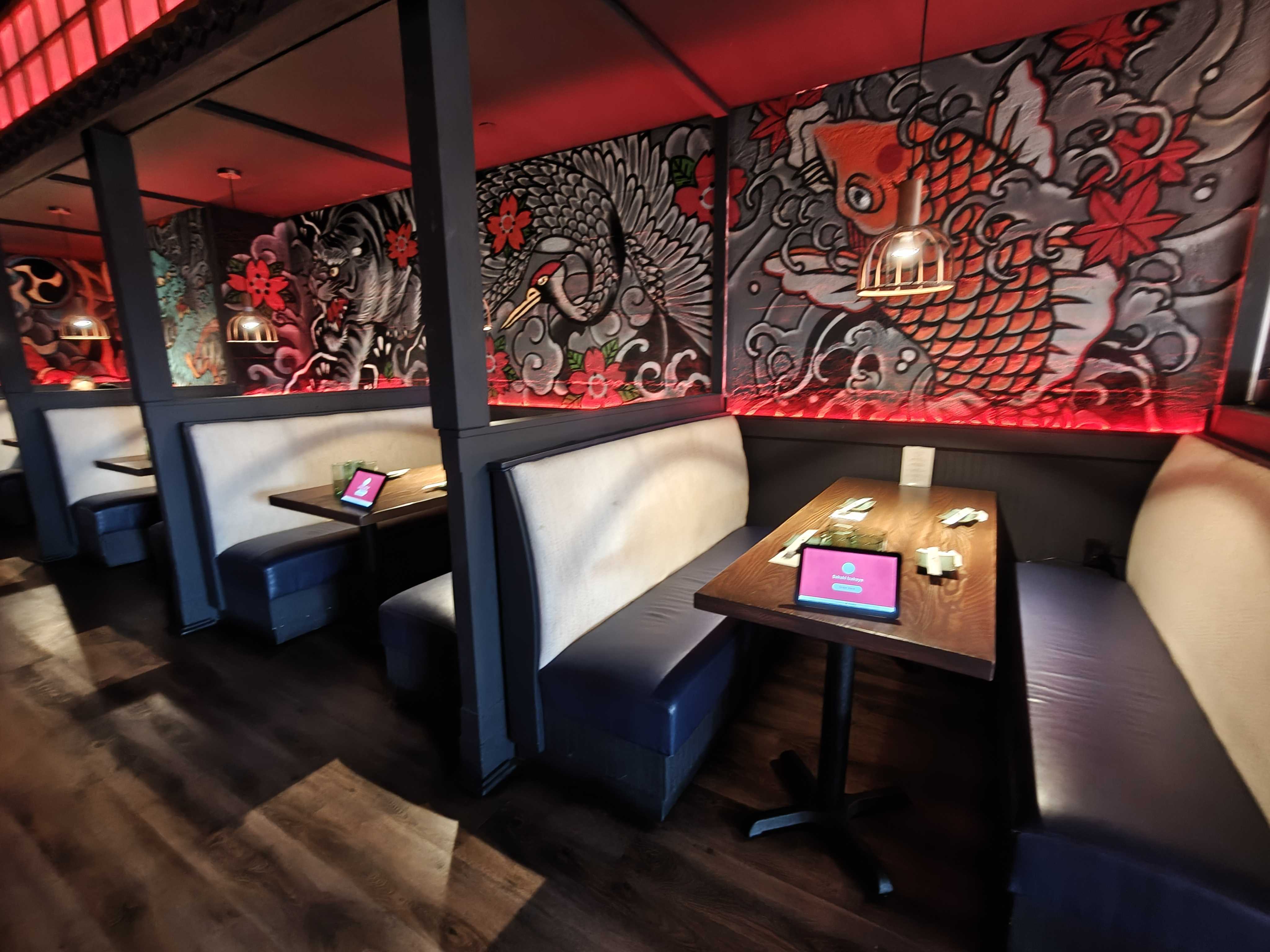
This is where kiosks and tablet ordering change the math. By automating the order-entry process, you aren't just cutting costs; you’re reallocating your human capital. Instead of a cashier being tethered to a terminal, they can act as a floor manager—ensuring food quality, greeting guests, and solving problems in real-time.
If you aren't using data to design your menu and your shifts, you’re leaving money on the table. The NRA highlights a move toward "Precision Management."
With integrated POS data, you can stop guessing and start knowing:
In 2026, convenience is the new loyalty. Guests are increasingly choosing where to eat based on the "path of least resistance." Whether it's contactless payment, seamless pickup lanes, or a mobile ordering interface that actually works—removing friction is the fastest way to win a repeat customer.
Generic marketing is dead. Through loyalty programs and AI-driven suggestions, restaurants can now offer "Amazon-level" personalization. If a system knows a guest always orders a spicy chicken sandwich, it should suggest a specific side or a drink that complements that flavor profile. Personalization isn't just about "being nice"—it’s about increasing the average check through relevant upselling.
The "dine-in vs. delivery" debate is over; the answer is "both." The hybrid model—combining takeout, delivery, and traditional dine-in—is the permanent state of the industry. Success requires a tech platform that can juggle all these channels without the kitchen collapsing under the weight of three different tablet systems.
The future of dining isn't a choice between "human touch" and "automation"—it’s the intelligent combination of both. The NRA insights suggest that the most successful brands will be those that use technology to disappear into the background, allowing the food and the experience to take center stage.
By automating the routine, you protect the remarkable.
Q1: When and where is the 2026 NRA Show?
A1: Mark your calendars for May 16–19, 2026. The show returns to McCormick Place in Chicago. It’s the definitive four-day event for anyone serious about the future of foodservice.
Q2: Why should a local operator care about a massive national show?
A2: Because the technologies and consumer shifts that start at the NRA Show will be in your neighborhood within 12 to 18 months. It’s an early-warning system for your business.
Q3: What’s the single biggest trend to watch right now?
A3: Digital integration. It’s no longer about having a "good app" or a "fast POS"; it’s about ensuring all your systems—from payroll to pickup—live in one connected ecosystem.
Q4: Where can I find Chowbus at the show?
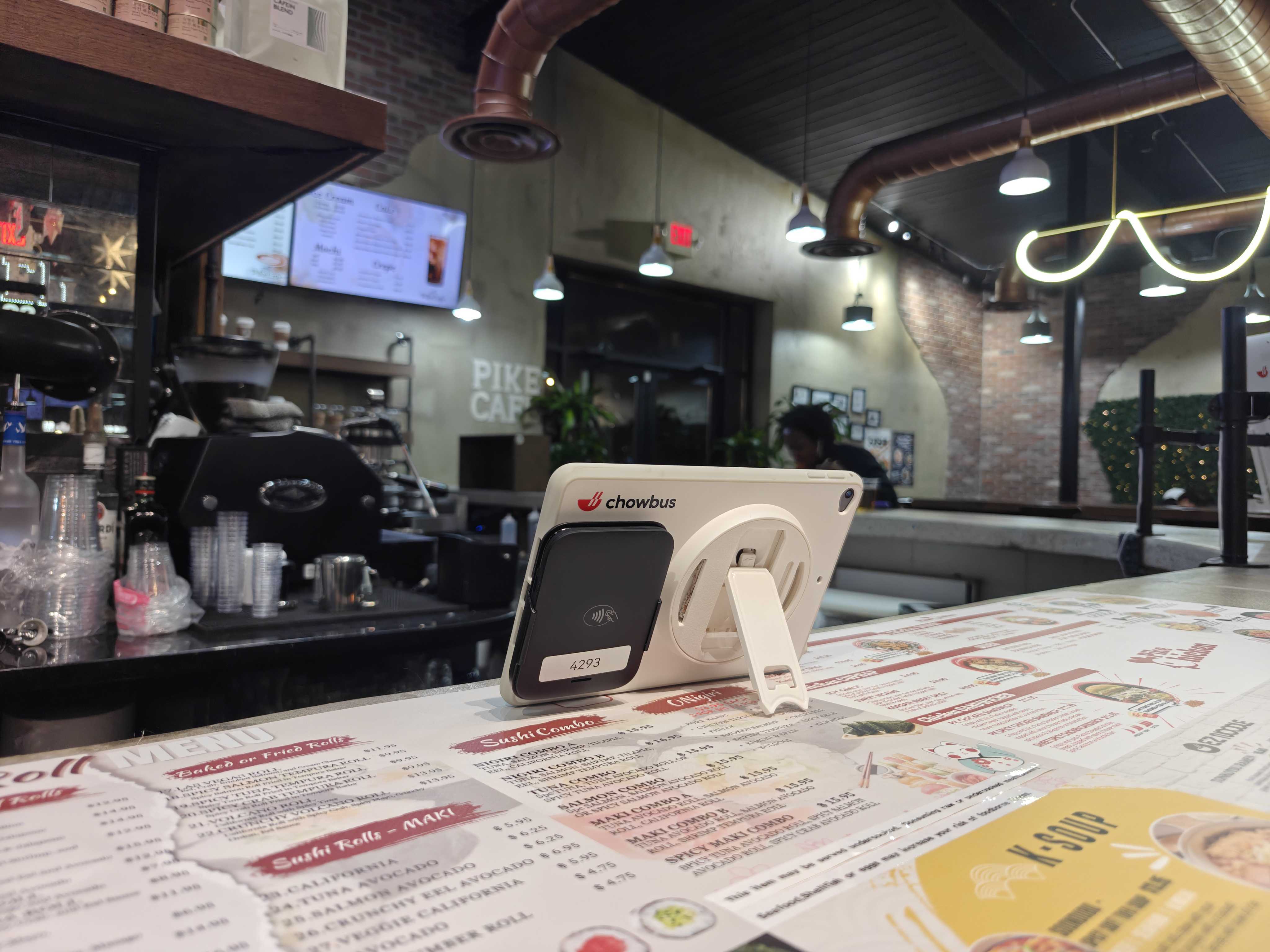
A4: We’ll be at Lakeside Center, Booth 11512. We’re excited to show you our next-gen intelligent POS, KDS, and management tools that are built to handle exactly the trends we’ve discussed here.
Can't make it to Chicago?
You don't have to miss out on the innovation. Let us bring the future to you.