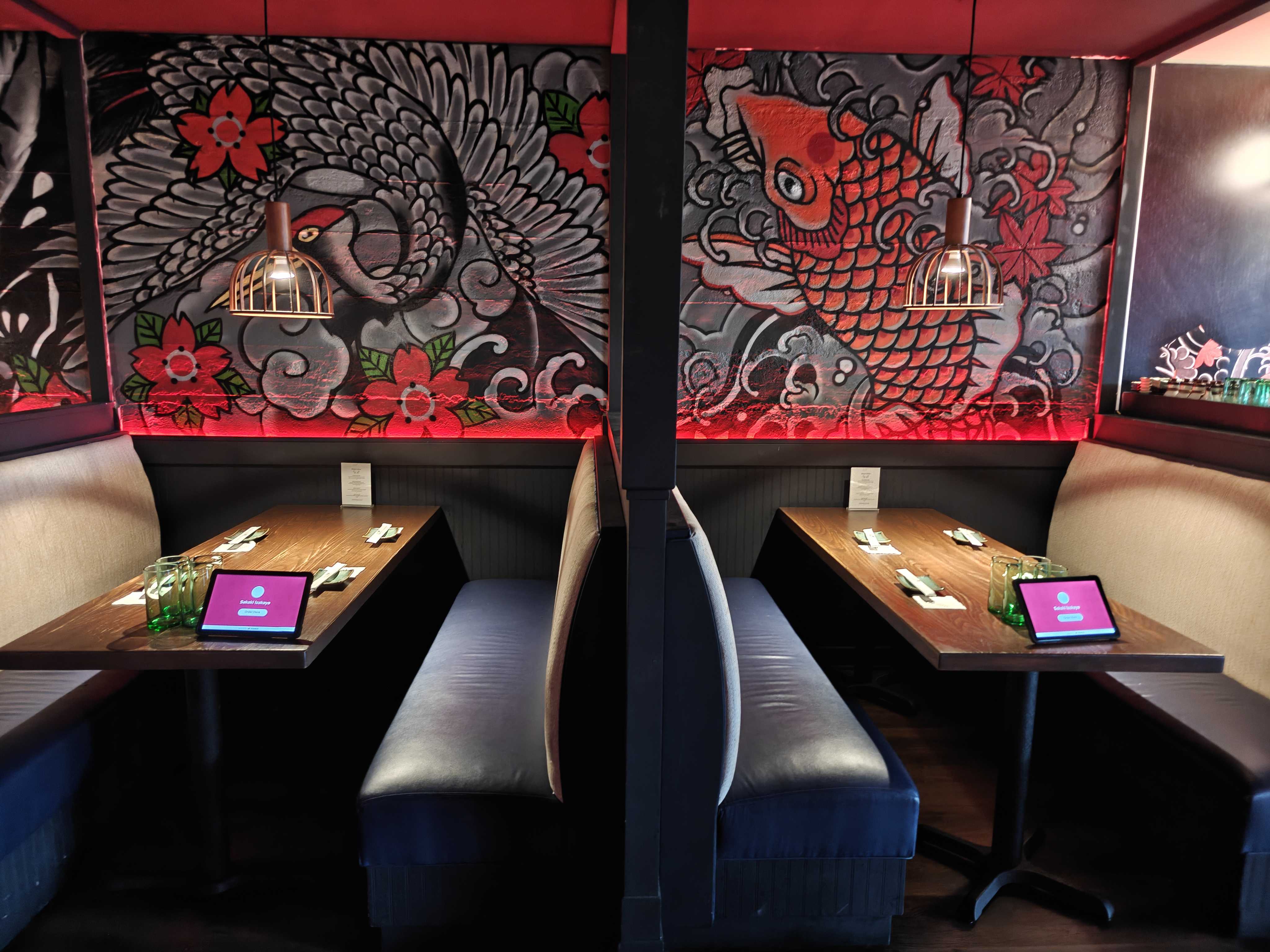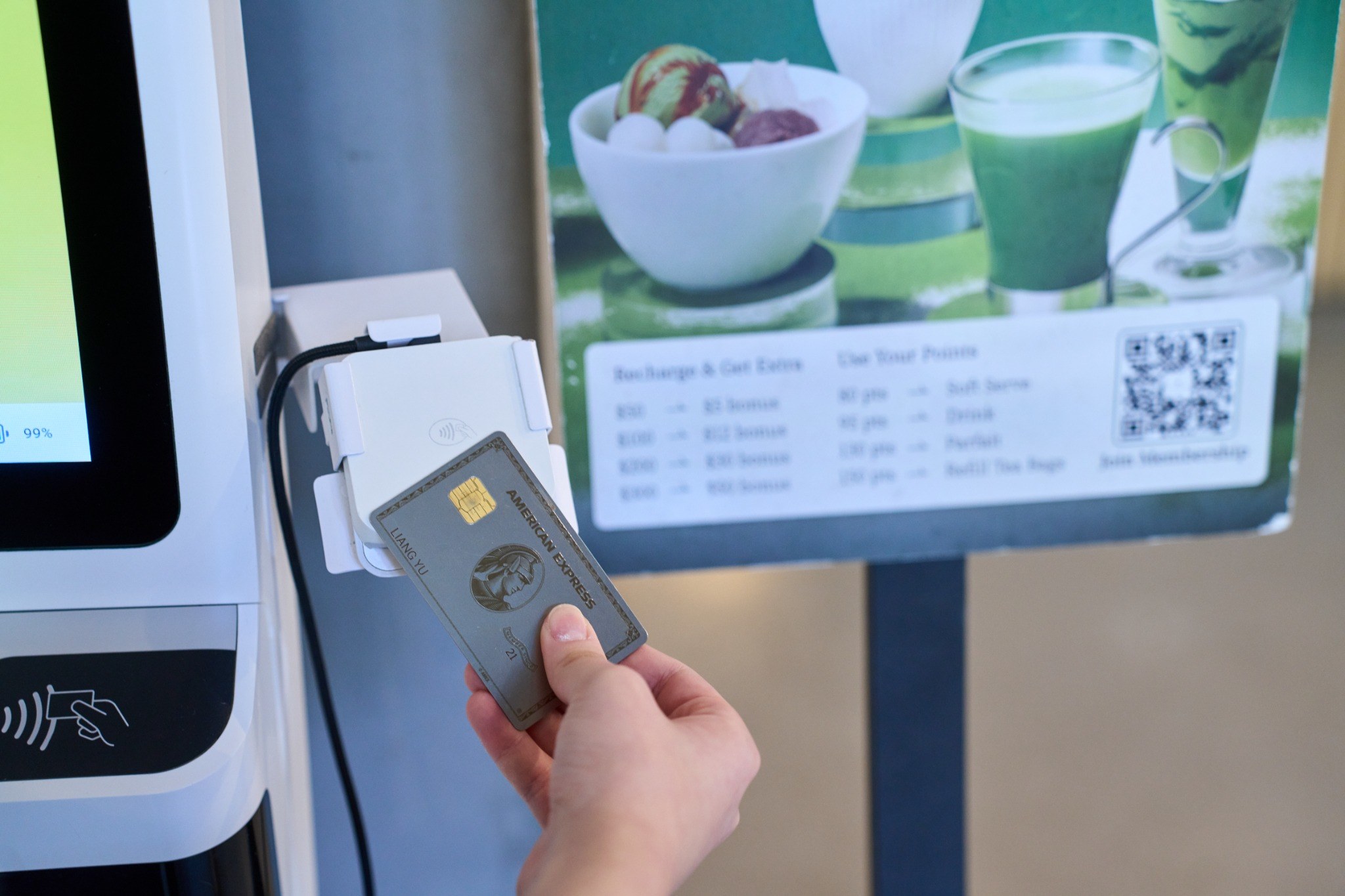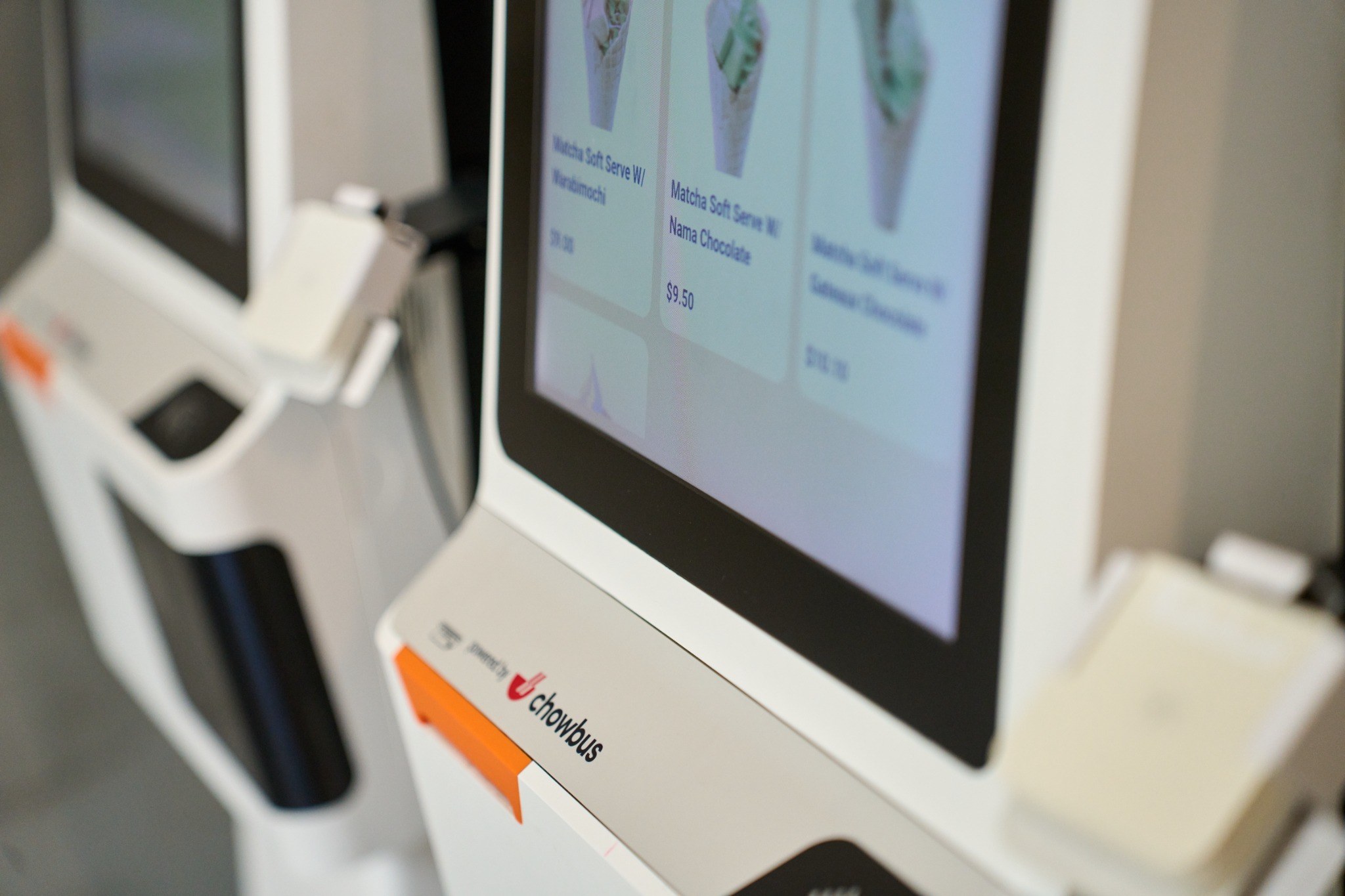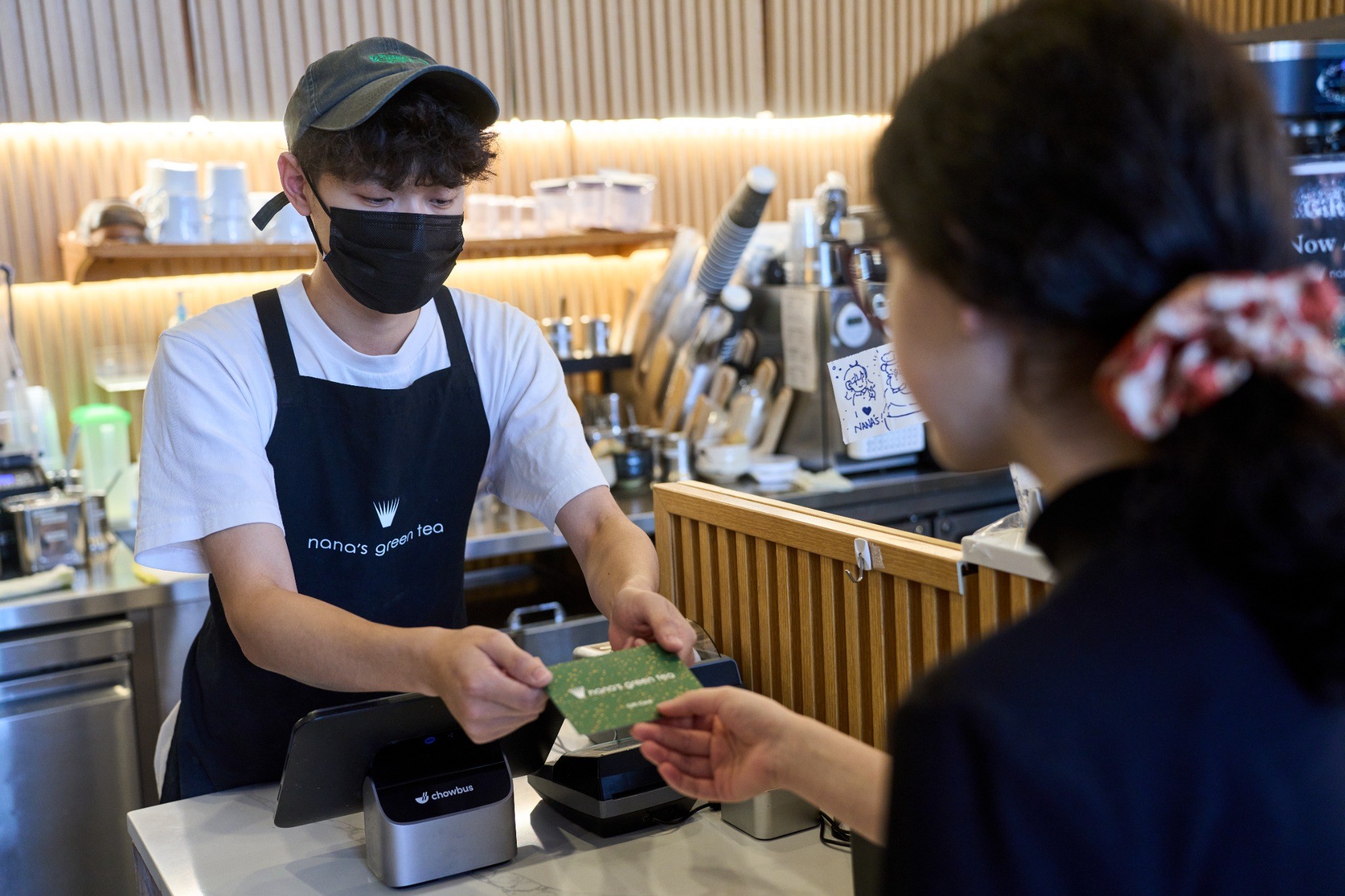
A rack of generic, off-the-shelf gift cards sitting next to the register does two things badly at once: it fails to look like your restaurant, and it fails to bring that customer back a second time. For an Asian restaurant competing on word of mouth within a tight-knit community, that's a missed opportunity twice over.
Asian restaurants are one of the fastest-growing segments in American dining, with the sector projected to reach $240 billion by the end of 2026 after growing 135% over the past 25 years. Owners in this space are also managing more systems than most — POS, delivery apps, online ordering, marketing — often with limited staff and no in-house designer. That's exactly the gap a well-built custom gift card program is meant to close.
In this guide, you'll learn what actually makes a gift card "custom," how physical and digital options compare for a restaurant like yours, and how to launch a branded program without hiring anyone — so the cards you sell become cards people actually redeem, and redeem often.
Here's where to start: understanding what "custom" really buys you beyond a nicer-looking card.
"Custom gift cards" gets used loosely, but for a restaurant it should mean three specific things working together, not just a logo slapped on a template.
Visual branding. Your restaurant's name, colors, and imagery — a bowl of hot pot, a milk tea cup, a dim sum cart — printed or displayed the way your menu and signage already look. A card that matches your storefront gets recognized in a wallet or a drawer months later, which matters when the goal is a repeat visit, not a one-time redemption.
Denomination and format flexibility. Custom doesn't just mean the artwork — it means you control the dollar amounts ($25, $50, $100, or open-value), whether the card is physical, digital, or both, and whether it's sold at the counter, online, or through a QR code on the table.
Data ownership. A generic third-party gift card platform often means the platform owns the customer relationship — their email, their purchase history, their redemption pattern. A custom program tied to your own POS means that data stays with you and feeds into your own loyalty and marketing efforts instead of a third party's.

Most Asian restaurant owners assume this is an either/or decision. It isn't, and treating it that way usually costs sales.
Physical cards still convert well for walk-in purchases — a customer picking up dinner for a hot pot night with friends, or a regular buying one as a small gift, often wants something tangible to hand over. They also work as a low-cost point-of-sale display that sells itself near the register.
Digital gift cards solve a different problem: distance and speed. A customer living two states away from their parents can buy a digital gift card for a local Sichuan or Korean BBQ restaurant and have it delivered by text or email in minutes — no shipping, no waiting. For restaurants with an online ordering presence, digital cards can be sold and redeemed entirely within the same checkout flow, which removes friction on both ends.
The restaurants that get the most value run both side by side through one system, rather than juggling a physical card vendor and a separate digital platform that don't talk to each other. Chowbus's gift card tools are built to let a restaurant sell both formats through the same POS and online ordering setup, so redemption and reporting live in one place instead of two disconnected systems.
Word of mouth carries disproportionate weight in Asian dining communities — a bubble tea shop, hot pot chain, or regional Chinese restaurant often grows through recommendations inside a specific community before it grows through broad advertising. A gift card is a physical or digital extension of that recommendation. When someone hands a friend a card that clearly says "this is from that hot pot place everyone's been talking about," the branding is doing marketing work the restaurant didn't have to pay for separately.
This also matters for multi-location or multi-brand operators, which are common in this sector — a group running both a boba concept and a hot pot concept under one company needs gift cards that clearly distinguish the two brands rather than a single generic template that blurs them together.
Gift cards aren't just a convenience feature — they're one of the few tools in a restaurant's arsenal that generates revenue before the food is ever served. When a customer buys a $50 gift card, that cash sits in the business today, even if it's redeemed weeks or months later. For restaurants managing tight cash flow around rent, payroll, and inventory, that prepaid float is meaningful, especially heading into slower seasons.
There's also breakage — the portion of gift card value that's never fully redeemed (a $50 card used for a $43 order, for instance, or cards that are lost or forgotten). Industry estimates commonly put unredeemed gift card value in the 1-10% range depending on the business, and while no restaurant should design a strategy around customers forgetting to use their cards, it is a real and legitimate part of the economics that generic punch cards or paper coupons simply don't offer.
Beyond the cash-flow benefit, a gift card sale is very often a second visit already guaranteed. Someone redeeming a $30 card for a $45 order is a customer who walked back through the door and, in many cases, spent above the card's value once they arrived.
The biggest reason many small Asian restaurant owners never launch a branded gift card program isn't cost — it's the assumption that it requires a designer, a print vendor, and a separate payment processor to reconcile at month-end. That's true for older, fragmented systems, but it doesn't have to be true anymore.
Chowbus's gift card product, part of its all-in-one POS platform, is built so a restaurant can create and launch a custom-branded gift card program directly through the same system already running the register — no separate vendor relationship, no separate reporting tool. Restaurants upload their logo and branding, choose formats and denominations, and the cards are sellable in-store and online almost immediately, with redemptions and balances tracked automatically against the same sales data as everything else on the POS.
For an owner-operator already juggling a kitchen, staff schedules, and three different delivery apps, removing one more disconnected system is often worth more than the gift card revenue itself.
Toast and Square both offer gift card add-ons, and they work fine for a generic quick-service restaurant. But neither was built with Asian restaurant operations — bilingual receipts, hot pot/AYCE table service models, or high-volume bubble tea counter service — in mind, and customization options can be limited to simple template swaps.
Clover offers gift cards too, but it typically requires proprietary hardware and can carry higher processing costs, which is a real constraint for a single-location operator watching every dollar.
MenuSifu, which focuses specifically on Asian restaurants, has strong menu and ordering tools but historically has had gaps in areas like modern QR-based ordering and integrated third-party delivery, meaning a gift card program there may still sit somewhat apart from the rest of a restaurant's digital operations.
The practical comparison point isn't just "does this software offer gift cards" — it's whether that gift card system talks to your POS, your online ordering, and your loyalty program without extra manual work. That integration is where a lot of the actual time savings live.
A custom gift card program is one of the simplest upgrades a restaurant can make that pays for itself in both branding and cash flow. The card itself is small, but it carries your restaurant's identity into someone's wallet, phone, or gift-giving moment — and every time it's redeemed, it's a visit that was already locked in before the customer walked through the door.
If you're currently relying on generic cards from a payment processor, or juggling a separate gift card vendor that doesn't talk to your POS, the friction of that setup is probably costing you more in reporting headaches and missed branding than the switch to a unified, custom-branded system would cost you in effort.
The next step is simply looking at what you're using today and asking whether it reflects your restaurant the way your menu and dining room already do — and whether it's actually bringing customers back, or just sitting in a drawer.
What is a custom gift card, exactly?A custom gift card is a prepaid card — physical or digital — designed with a restaurant's own branding, logo, and colors, rather than a generic template. For restaurants, "custom" also typically includes control over denominations and how the card is sold (in-store, online, or both), and ideally ties directly into the restaurant's own POS and sales data rather than a separate third-party platform.
How do I design a custom gift card for my restaurant without hiring a designer?Most modern gift card tools, including Chowbus's, let you upload your existing logo and brand colors into a template rather than starting from scratch. If you already have a menu, signage, or social media graphics, that same visual identity can usually be reused directly for the gift card design.
Are custom gift cards worth it for a small, single-location restaurant?Yes, in most cases — the setup effort is low relative to the upside of prepaid revenue and guaranteed repeat visits. A small hot pot or bubble tea shop with strong local loyalty often sees disproportionate value from gift cards because customers are already inclined to recommend the business to friends and family.
Should I offer digital gift cards, physical gift cards, or both?Both, if your system supports it without extra manual work. Physical cards convert well for in-person and gift-giving purchases; digital cards capture customers who want to send a card remotely or buy one instantly online. Running both through a single POS, like Chowbus, avoids reconciling two separate systems.
How much does it cost to set up custom gift cards?Costs vary by provider and whether you need physical card printing versus digital-only. Some POS platforms bundle gift card functionality into the existing system at no separate software cost, while others charge per-card or per-transaction fees. It's worth asking any vendor directly whether gift card sales carry per-transaction fees on top of standard processing.
Can I sell custom gift cards both online and in-store with the same system?With an integrated POS and online ordering setup, yes — a card sold online should be redeemable in-store and vice versa, with balances updating in real time. That's a meaningful difference from older or fragmented systems where online and in-store gift card balances can fall out of sync.