Choosing the best POS for restaurants in 2026 is no longer a technology purchase—it is an operational strategy decision. The restaurant industry has shifted dramatically in the past five years. Rising labor costs, increased digital ordering, tighter margins, and customer expectations for seamless experiences have transformed what a POS system is expected to do.
A modern restaurant POS is no longer just a register. It functions as a data nerve center, workflow coordinator, customer intelligence tool, and financial control platform. Operators who evaluate POS systems only by price or hardware aesthetics risk underinvesting in the very infrastructure that shapes long-term profitability.
This guide approaches the topic from a strategic lens: how to identify the best POS for restaurants based on business model, growth stage, and operational complexity—not just feature lists.
In today’s environment, restaurants operate across multiple revenue channels simultaneously—dine-in, online ordering, third-party delivery, catering, loyalty programs, and sometimes retail components. Each channel produces data, and disconnected systems create blind spots.
The best POS for restaurants in 2026 must unify these channels. Fragmented reporting leads to inaccurate forecasting, misaligned staffing, and inconsistent customer experiences. A unified system, by contrast, allows operators to see revenue streams holistically and respond with agility.
Technology now determines how quickly a restaurant can adapt to changing consumer behavior.
Not all restaurants require the same POS architecture. A fast-casual brand prioritizes speed and queue management. A fine dining restaurant focuses on pacing, table management, and guest history. A multi-unit franchise needs centralized governance.
The best POS for restaurants is the one that aligns with operational DNA. Operators should ask:
Systems designed generically for “any restaurant” often fail to excel in specific environments.
In 2026, restaurants compete not only on food quality but on operational intelligence. Data visibility separates average operators from market leaders.
A high-performing POS system should provide:
The difference between growth and stagnation often lies in how quickly management can interpret performance signals. Without integrated analytics, restaurants rely on lagging reports and intuition.
The best POS for restaurants transforms raw transaction data into decision-ready insight.
Customer expectations have evolved. Guests want:
A POS system directly shapes these experiences. Slow processing speeds or complicated split checks create friction that lingers in customer perception.
Restaurants that invest in smooth digital interactions see higher return rates and improved online reviews. Technology invisibly influences hospitality quality.
Margins in the restaurant industry remain tight. Rising ingredient costs and wage pressures require careful oversight. A POS system should not merely record sales but help control expenses.
Integrated inventory management reduces food waste. Labor reporting ensures staffing aligns with peak demand. Automated financial summaries simplify reconciliation and reduce accounting errors.
When evaluating the best POS for restaurants, financial clarity should rank as highly as operational efficiency.
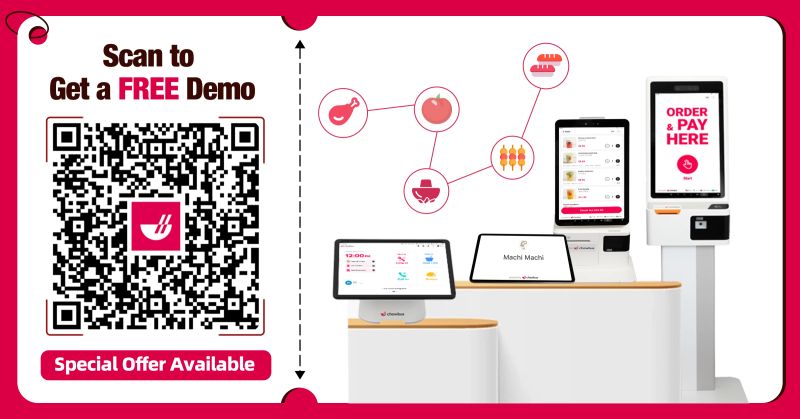
If your current system provides transaction records but fails to illuminate patterns in labor, menu profitability, and customer retention, it may be functioning as a cash register rather than a management platform. Exploring how unified systems operate in real-time environments can reveal unseen opportunities for efficiency and growth.
Many restaurants outgrow their POS systems within three to five years. Expansion, franchising, or diversification into retail and subscription models require robust architecture.
Cloud-based systems provide flexibility for remote access, centralized updates, and multi-location reporting. Operators should evaluate whether the system can support expansion without requiring a full technology overhaul later.
The best POS for restaurants is not just suitable for today—it is resilient enough for tomorrow.
1. What defines the best POS for restaurants in 2026?
A system that integrates sales channels, delivers actionable analytics, supports scalable growth, and enhances guest experience.
2. Is the most expensive POS always the best?
Not necessarily. The best system is the one aligned with your operational model and strategic goals.
3. How important is cloud architecture?
Extremely important for multi-location visibility and remote management.
4. Can POS systems improve profitability?
Yes, through labor optimization, menu engineering insights, and inventory control.
5. How often should restaurants reevaluate their POS?
Every three to five years, or during major operational changes.
Selecting the best POS for restaurants in 2026 requires a shift in mindset. This is not a hardware decision. It is a structural investment in how your restaurant operates, scales, and competes.
If you are evaluating whether your current infrastructure aligns with your long-term vision, consider reviewing how modern unified POS ecosystems function in real-world environments. A structured walkthrough can clarify which capabilities matter most to your business model.
Sustainable growth begins with intelligent systems.
%20(1).png)