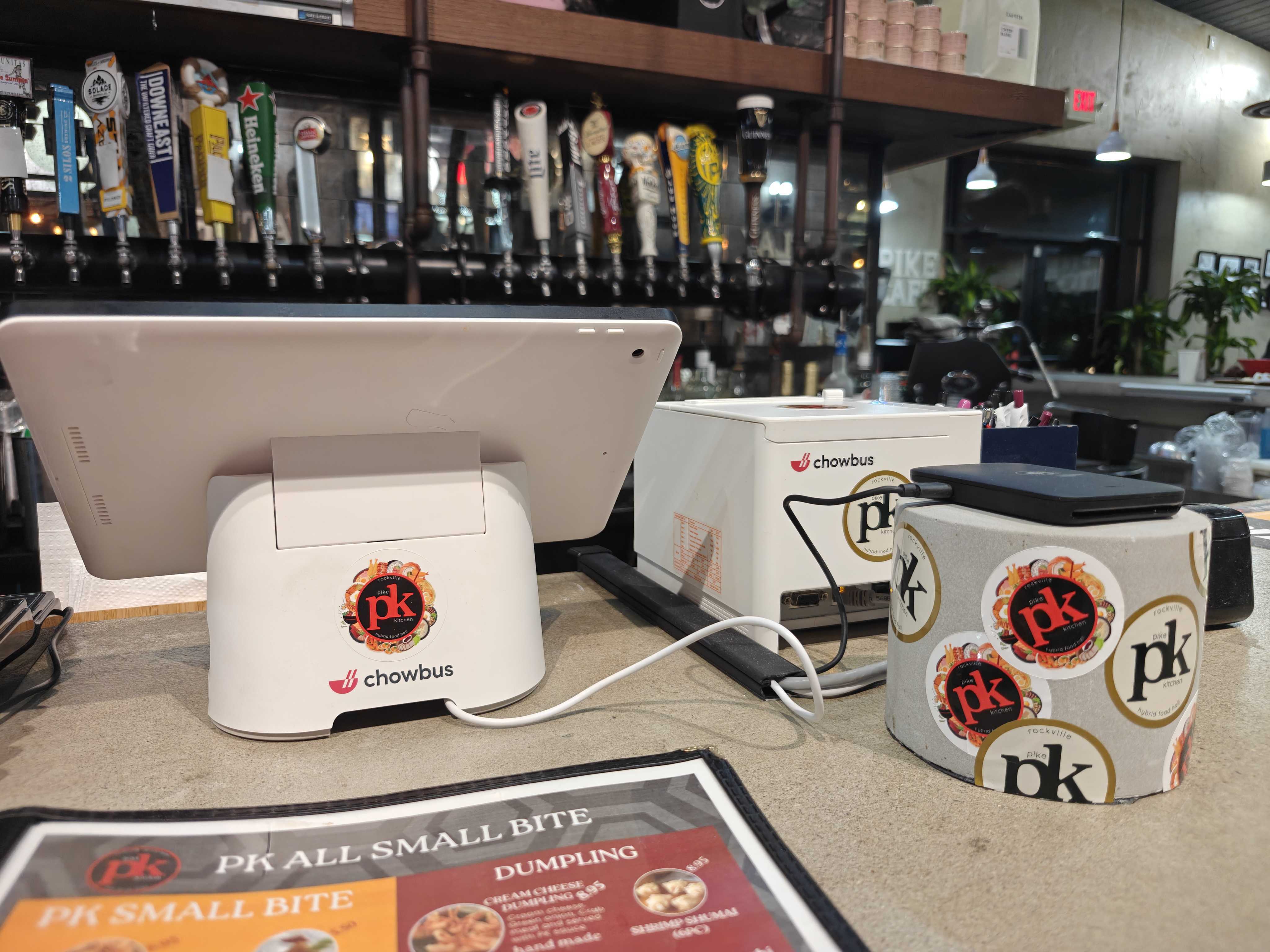
For decades, the Quick Service Restaurant (QSR) industry operated on a simple, linear math: more customers required more cashiers. That math is now officially dead. In 2026, with minimum wages in major North American urban centers hitting the $20/hour floor and the "hospitality talent gap" widening into a canyon, the traditional staffing model isn't just inefficient—it's a recipe for bankruptcy.
The industry has reached a structural tipping point. The most successful QSR operators are no longer fighting the labor market; they are bypassing it. They are moving toward what we call the "2+2 Paradigm"—running a high-volume establishment with just two back-of-house specialists and two digital interfaces (Kiosks/Mobile). This isn't just about surviving; it’s about Quick Service Restaurant Labor Optimization that drives a superior Self-Service Kiosk ROI.
In a high-velocity QSR environment, a human cashier represents a massive "cognitive and financial leak." Even the best employee has a "performance ceiling" that a machine simply doesn't have.
The Automation Pivot: By implementing Chowbus Kiosks, you transform the customer into the data-entry clerk. This eliminates the "Staffing Carousel" and ensures that the order is 100% accurate, every single time.
When QSR owners calculate Self-Service Kiosk ROI, they often focus solely on labor savings. That’s a mistake. The true "alpha" of a kiosk is in Revenue Expansion.
To achieve true Restaurant Labor Optimization, we recommend a structural shift in how you deploy your team:
This model allows a Quick Service Restaurant to run with a "skeleton crew" that is paid better (reducing turnover) while operating more efficiently than a traditional 6-person team.
Efficiency in a QSR isn't just about the counter; it’s about the queue. If a customer sees a line out the door, they walk away. That is a $25 lost opportunity every time it happens.
By equipping a floor manager with a Chowbus Handheld Tablet, you can implement "line-busting." Walking through the queue and taking orders before the customer even reaches the kiosk or counter increases your "Hourly Throughput" by 30%. The order hits the Kitchen Display System (KDS) instantly, so the food is often ready the moment the customer finishes paying.
Q1: Will Self-Service Kiosks alienate my older or less tech-savvy customers?
A: In 2026, the digital interface is the global language of commerce. From international airports to local grocery stores, consumers of all ages have adapted. Chowbus Kiosks feature an "Intuitive UX" designed specifically for speed. For the rare guest who needs help, your "2+2" staff is now free to provide high-touch assistance instead of being tethered to a register.
Q2: How does a Kiosk handle complex QSR customizations (e.g., "no pickles, extra sauce")?
A: Machines are actually better at complexity than humans. A human cashier might forget a specific modifier during a rush; a Kiosk forces the customer to confirm their choices. Our system is fully customizable, allowing you to map every possible modifier directly to your kitchen printers or KDS, ensuring zero communication errors.
Q3: Is the Chowbus system reliable if our restaurant experiences a network dip?
A: Reliability is the backbone of QSR success. Chowbus features a robust Offline Mode. You can continue taking orders and processing payments even if your internet flickers. Data syncs the moment the connection returns, ensuring that your "digital cashiers" never take an unscheduled break.