A self ordering kiosk is not just a piece of hardware sitting at the entrance. It’s a capital investment that affects labor allocation, order flow, upselling behavior, guest experience, data collection, and long-term scalability. The upfront quote you receive is only one layer of the real financial picture.
To make an informed decision, operators need to understand what they are actually paying for—and how each component influences long-term profitability.
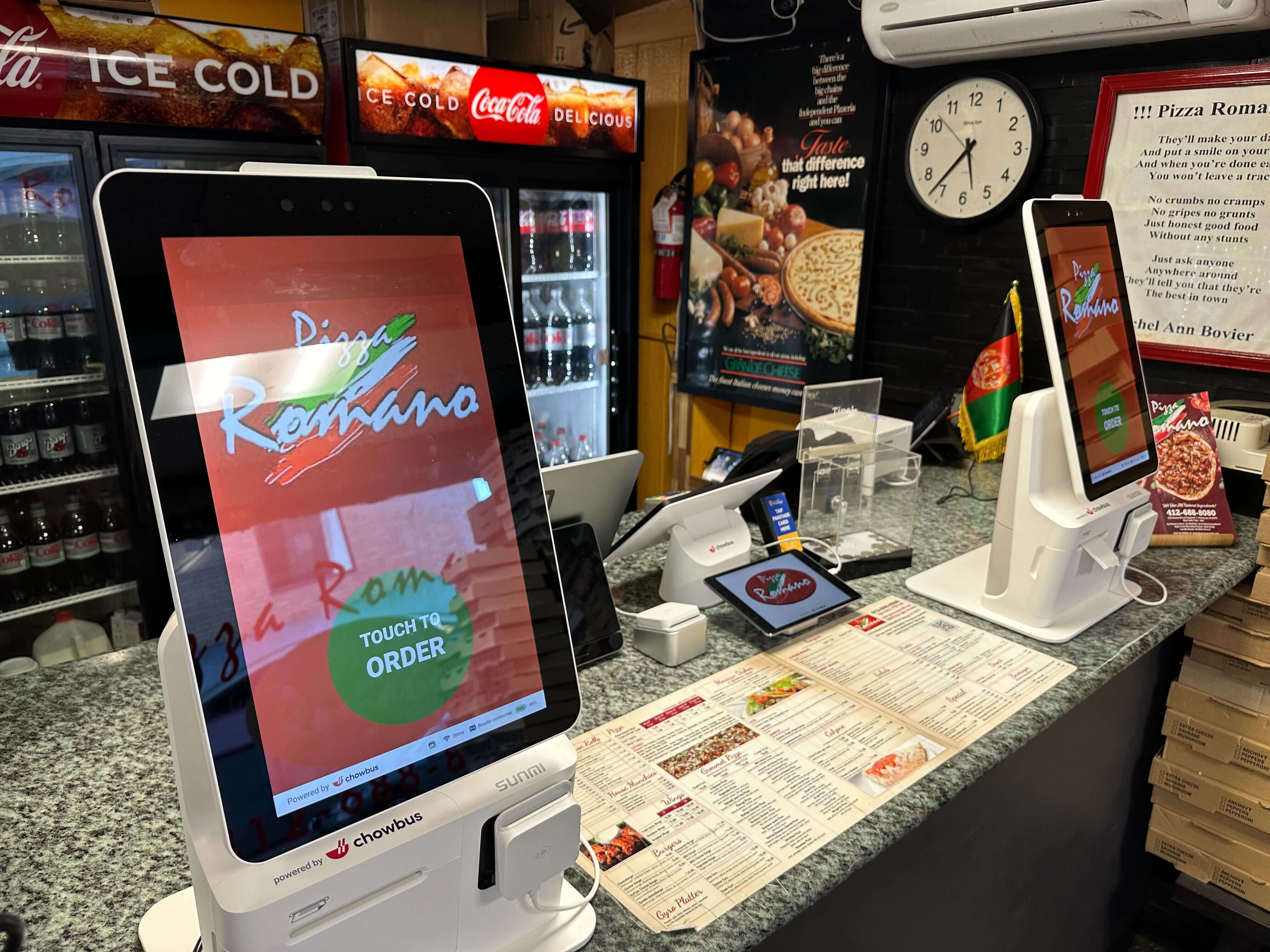
At surface level, self order kiosk price often ranges widely depending on configuration. A tablet-based countertop solution may appear affordable, while a fully enclosed freestanding unit with industrial casing, large display, and integrated payment terminal commands a higher price.
However, hardware pricing must be evaluated in context:
A high-volume quick service restaurant processing 400–800 orders per day places entirely different stress on hardware compared to a small café processing 80 transactions.
Lower-cost units may reduce capital expenditure upfront but increase maintenance cycles or replacement frequency. Over time, durability becomes a financial variable—not just a technical one.
The more traffic your store handles, the more hardware resilience matters.
While hardware is a one-time or amortized cost, software is typically recurring. This is where many operators underestimate total ownership cost.
Software pricing models vary:
Beyond ordering functionality, operators should ask:
If kiosk software operates separately from your POS, you may face reconciliation inefficiencies, manual reporting adjustments, and increased accounting complexity.
Over three years, integration quality often matters more than initial device cost.
Before committing, evaluate whether the kiosk system works as part of your broader restaurant management infrastructure rather than as a standalone terminal.
A major component of self order kiosk price that rarely appears on quotes is integration cost—both technical and operational.
Kiosks must align with:
If these systems are unified, operational efficiency increases. If they are fragmented, you may experience:
Fragmentation doesn’t always show up as a line item expense—but it increases labor overhead indirectly.
For multi-location restaurants, integration complexity scales quickly. What works for one store may not translate smoothly to five or ten units.
Even when hardware and software pricing look manageable, the transition phase carries cost implications.
Implementation often includes:
For example, digital menus require clear category logic and optimized upsell placements. That may involve rewriting item descriptions or reorganizing modifiers.
During the first 30–60 days, some restaurants experience slower throughput as staff and customers adapt. This temporary efficiency dip should be factored into ROI calculations.
Kiosks don’t just install—they transition.
Many restaurant owners evaluate kiosk price by comparing it directly to hourly wages. While labor reallocation is part of the equation, the comparison is more nuanced.
Labor expenses fluctuate due to:
Kiosk investments, once deployed, become largely predictable fixed or subscription costs.
In high turnover markets, kiosks can stabilize front-of-house pressure during peak hours rather than fully replacing staff.
Financially, predictability often has as much value as reduction.
Self order kiosk price should not only be evaluated against cost savings but also revenue expansion.
Industry data from multiple QSR studies indicates that digital ordering interfaces can increase average ticket size through structured upselling prompts and visual product presentation. When customers control the ordering interface privately, they are more likely to add modifiers or additional items without perceived social pressure.
Even a modest 5–10% increase in average ticket, when applied across thousands of annual transactions, can offset kiosk investment faster than labor savings alone.
However, results vary depending on:
Financial modeling should include both cost and revenue variables.
Instead of asking “What is the price?” operators should calculate:
Total 3-Year Cost =
Hardware + Software + Integration + Implementation + Maintenance – Revenue Lift
When this formula is applied, the lowest upfront price does not always produce the lowest total cost.
Restaurants with strong peak congestion, repetitive menu structure, and high front-counter labor pressure often see stronger financial justification.
Lower-volume establishments may prioritize flexibility over scale optimization.
Pricing varies widely based on hardware configuration, software structure, and integration depth. Operators should evaluate full ownership cost rather than upfront quotes.
Yes. Most solutions include recurring software subscriptions, payment processing fees, and potential support costs.
ROI timelines vary based on transaction volume, upsell performance, and labor structure. High-volume stores typically recover faster.
Leasing lowers upfront capital burden but may increase total long-term expenditure. It depends on cash flow strategy.
Not always. Implementation and onboarding costs may be separate from hardware pricing.
Self order kiosk price is not a simple equipment expense—it’s a strategic operational investment.
The right question isn’t “How cheap can I get it?”
It’s “How will this decision reshape my front-of-house economics over the next three years?”
If you're evaluating kiosk pricing models and want to explore scenarios based on your store format and traffic volume, consider requesting a consultation or product walkthrough to assess practical implementation paths.