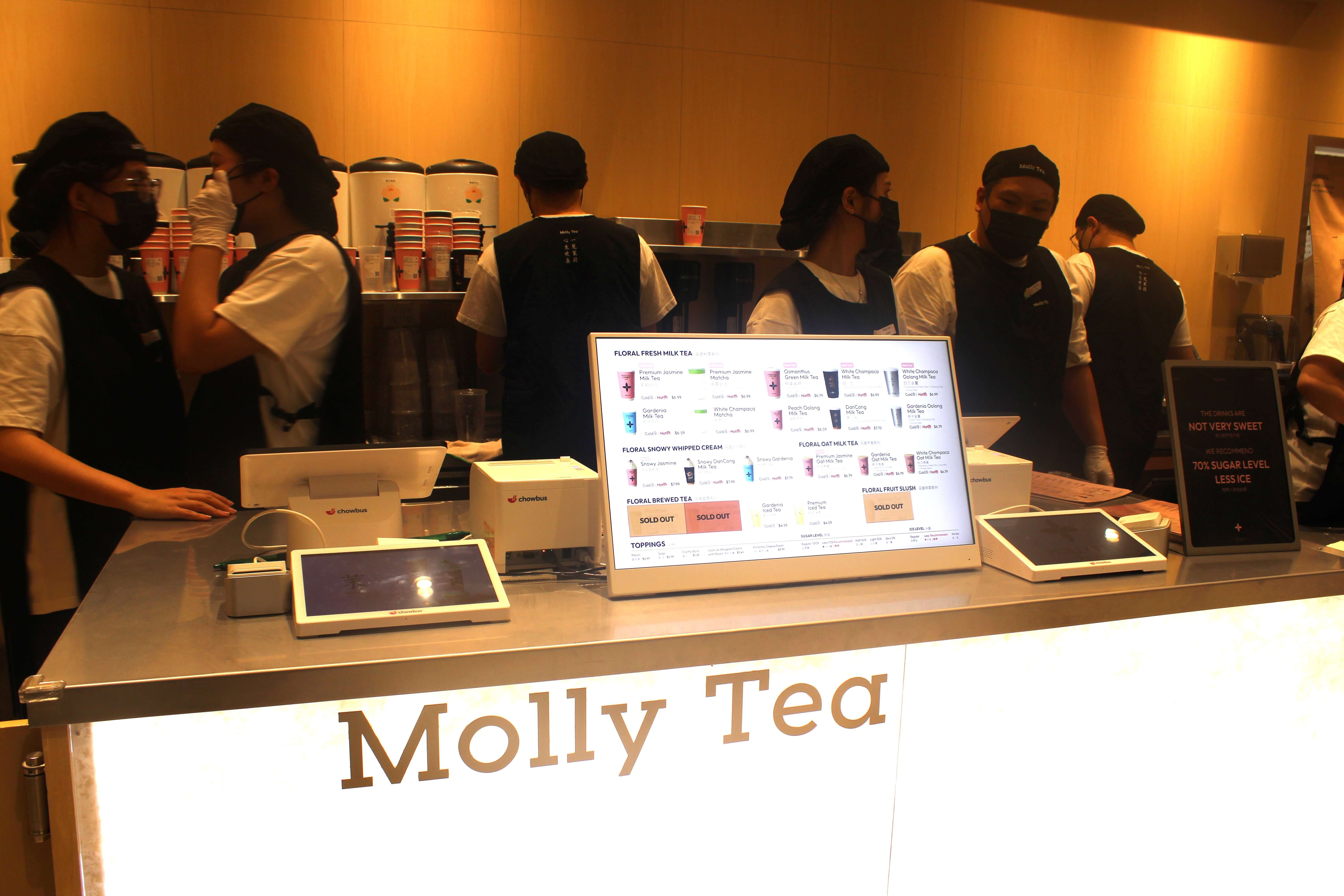
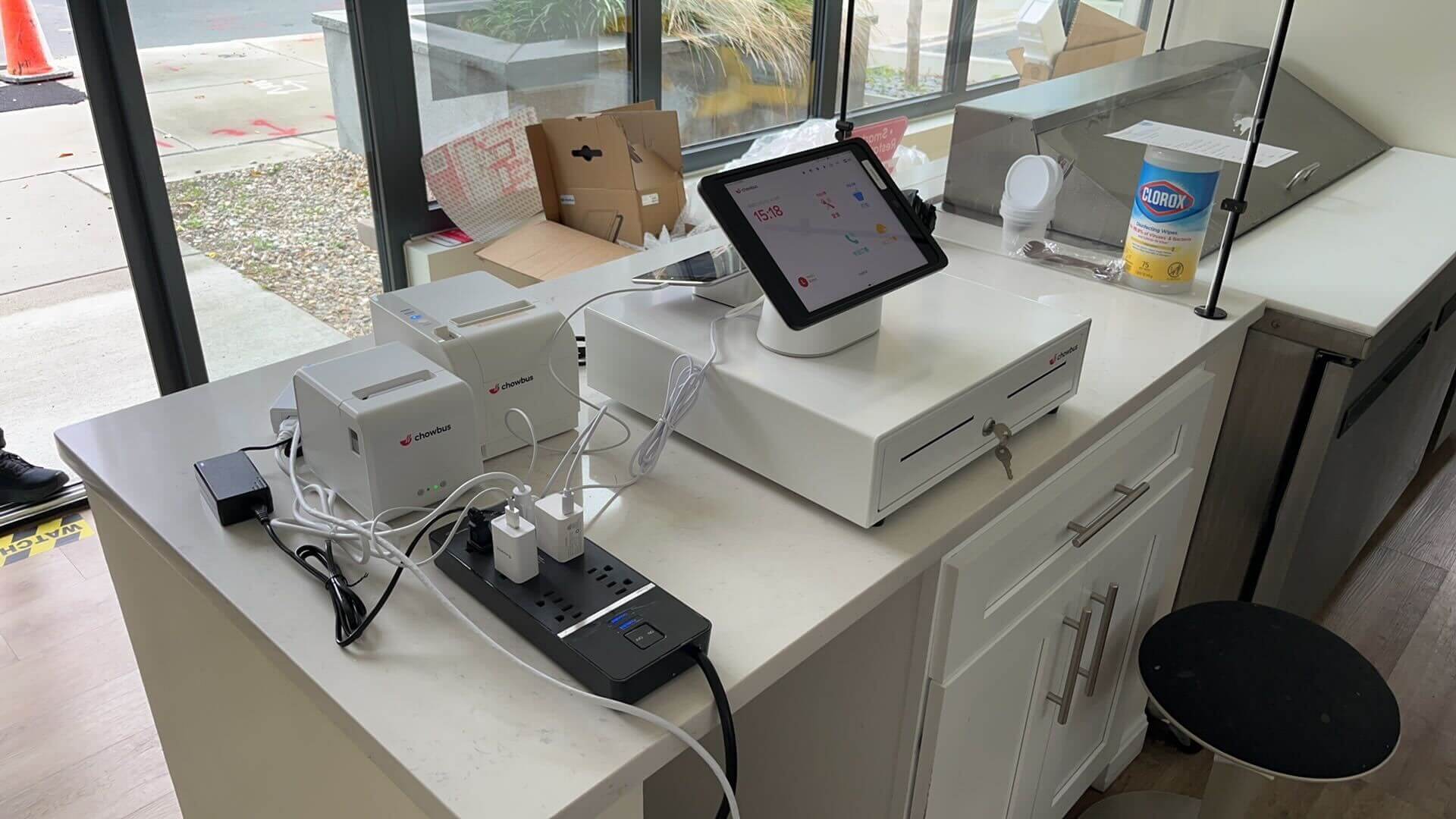
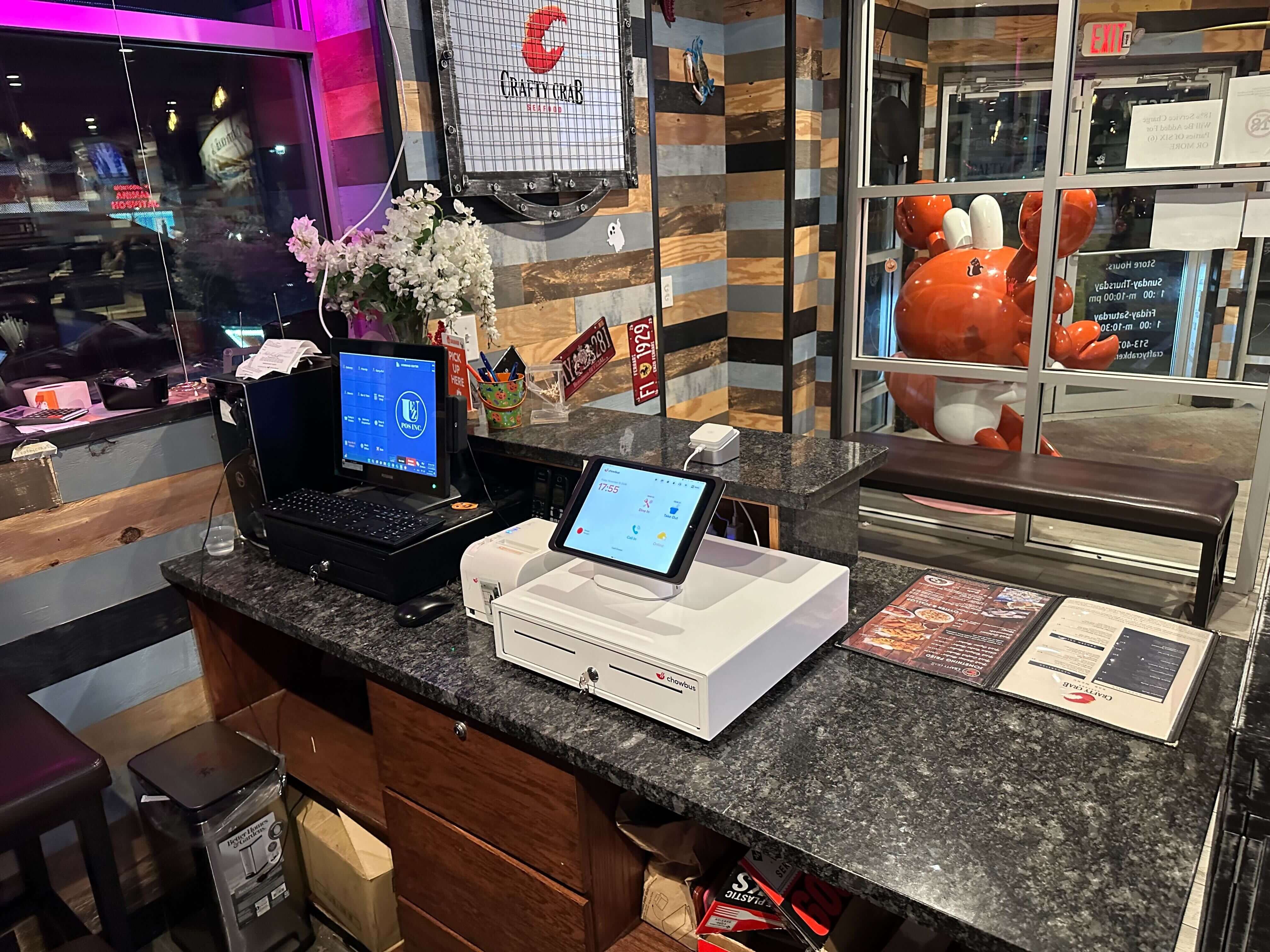
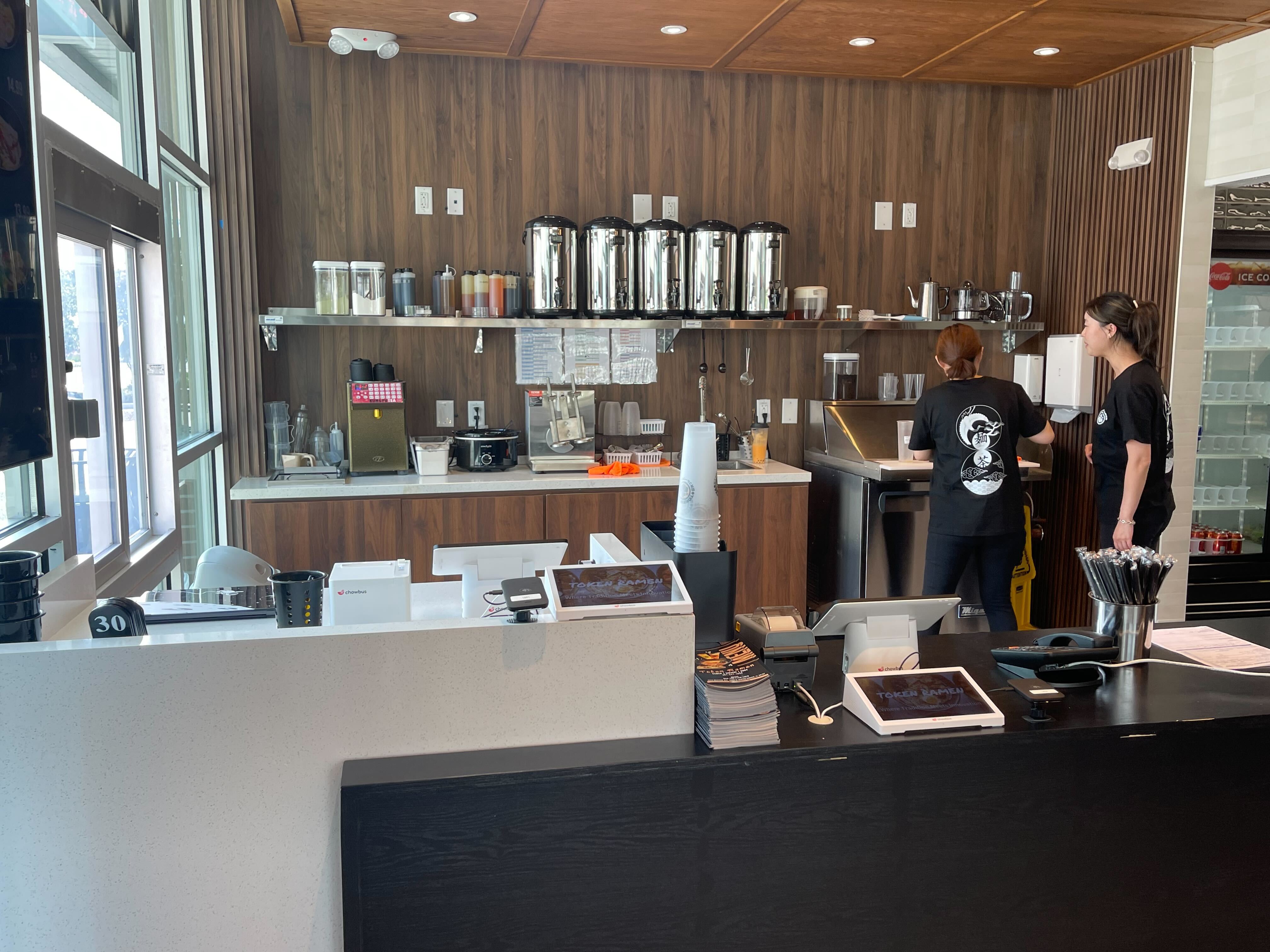
Hot pot may be the single hardest restaurant format to run on a standard POS. One table can generate thirty separate order events across two hours: broths, then meats, then three rounds of vegetables, more meat, drinks, dessert — many of them under an all-you-can-eat price with a time limit attached. Standard restaurant software was built for a world where a table orders once and the check grows linearly; hot pot is a world of rounds, timers, per-person AYCE tiers, and shared everything. Hot pot has been one of the fastest-rising formats inside an Asian dining sector that's grown 135% over the past 25 years — and the operators winning it have stopped forcing the format through generic systems. In this guide, you'll learn what a hot pot POS system has to do differently, how AYCE controls protect your margins, and what to verify in a demo before you commit. Start with the math that makes or breaks an AYCE hot pot operation.
A steaming divided hot pot at the center of a wooden table, surrounded by fresh plates of thinly sliced beef, leafy greens, mushrooms and dipping sauces, diners reaching in with chopsticks, rising steam catching warm ambient light, cozy modern restaurant interior softly blurred, shot on Canon EOS R5, 35mm lens, shallow depth of field, ultra-realistic, photorealistic, no text, no watermark — no logos, no text overlay, no watermark, no cartoon, no illustration, no CGI
Most hot pot restaurants run some version of all-you-can-eat: a per-person price, often in tiers (standard, premium, deluxe), usually with a time window, sometimes with premium items capped or surcharged. The model works because the averages work — light eaters subsidize heavy ones, and table turns stay predictable.
But AYCE only holds together if the rules are enforced, and enforcing rules manually is miserable. Who's tracking that table 12 started 95 minutes ago? That the standard tier doesn't include ribeye? That the same table has ordered wagyu four times? When enforcement depends on servers remembering, you get one of two failure modes: leakage (rules quietly not enforced, margins quietly eroding) or friction (servers playing referee, guests feeling policed).
A hot pot POS system moves enforcement into the software. Per-person AYCE pricing by tier is set at seating; the menu each guest sees matches their tier automatically; time limits run as visible timers with alerts as the window closes; round limits and premium-item caps apply themselves; surcharges for off-tier items add automatically with a clear prompt. Chowbus builds these AYCE and hot pot controls natively into the POS — the rules you designed actually run, table after table, without a single awkward conversation.
That's the core difference. Everything else a hot pot POS does builds on the fact that the business model itself is encoded in the system.
Hot pot ordering never ends. Guests add meat, vegetables, noodles, and drinks continuously, and every minute a table waits to flag a server for round three is a minute of dead time — multiplied across the dining room, it's the difference between two-hour and two-and-a-half-hour turns.
QR table ordering fits hot pot better than almost any other format. Guests scan once and order every round themselves from a photo menu — in English, Chinese, Korean, or Spanish — with their AYCE tier's menu and limits applied automatically. Orders fire straight to the kitchen, sliced meats and prep items hit the table faster, and servers stop being order-takers and start managing broth levels and table experience.
The kitchen side has to keep up: round-based tickets need to route by station (meat slicer, prep, bar), group by table without merging rounds confusingly, and keep timing visible. A kitchen display system designed for continuous service does this; a ticket printer pile does not.
There's a measurable revenue effect too. When the next round is one tap away instead of one server-wave away, tables order more rounds in the same sitting — and in AYCE formats with à la carte add-ons (premium seafood, drinks, desserts), those low-friction add-ons are some of the highest-margin items in the building.
Hot pot's two-hour dining arc makes table turns the binding constraint on revenue — especially on weekends, when the waitlist is the profit. A purpose-built system attacks turn time at every stage.
Before seating: waitlist management with SMS notifications keeps the lobby calm and parties accurate, so an eight-top isn't seated at a six-top's table. During the meal: AYCE timers give both staff and guests a shared, neutral clock; QR ordering removes order-taking lag; KDS timing keeps food arriving steadily so the meal doesn't stall mid-round. At the end: the check is already complete and per-person pricing is already calculated — including split payments by guest, which matters because hot pot parties are large and someone always wants to pay separately. Payment at the table via QR closes the last ten minutes that tables traditionally sit waiting for a check.
Operators who instrument this full arc reliably find 15–25 minutes of recoverable time per table — which, on a Saturday night, is an extra seating across much of the floor.
Hot pot exposes weak systems quickly, so make every vendor demo your real scenario, not theirs. Set up a four-person table with two AYCE tiers and a child price. Confirm the menu each guest sees matches their tier. Run three rounds of ordering through QR. Watch where the tickets land by station, in which language. Let the AYCE timer expire and see what staff sees. Order a premium item off-tier and check the surcharge flow. Split the final check three ways by guest, one paying cash.
Then ask the operational questions: offline mode (a full dining room can't stop for an internet blip), multilingual kitchen tickets, loyalty enrollment at the table, and — decisively — support. Hot pot restaurants run hardest on weekend nights; support that answers in 2 minutes, 24/7, in English, Chinese, and Spanish (the Chowbus standard) is worth more than any single feature when something breaks at 8pm on a Saturday.
Hot pot is a brilliant business model wrapped in operational complexity that ordinary restaurant software was never designed to hold. The format's profitability depends on rules — tiers, timers, caps, rounds — and rules that live in staff memory leak money in both directions: enforced too loosely they erode margin, enforced too firmly they erode hospitality.
A hot pot POS system resolves that tension by making the model self-enforcing, then accelerates everything around it: rounds that order themselves, kitchens that sequence themselves, checks that split themselves, tables that turn faster without anyone feeling rushed.
If you're running hot pot on a generic system today, you already know where it hurts. Bring those exact pain points to a demo of a purpose-built platform — and make the software prove it was built for your dining room, not adapted to it.
What is a hot pot POS system?
It's a restaurant POS built for hot pot's specific mechanics: per-person AYCE tier pricing, automated time limits and round limits, premium item controls, continuous round-based ordering (usually via QR at the table), station-routed kitchen tickets, and per-guest check splitting. Generic POS systems can record hot pot sales, but they can't enforce the AYCE business model that hot pot margins depend on.
How does AYCE pricing work in a POS system?
At seating, staff assign each guest a tier (e.g., standard, premium, child), and the system prices per person automatically. Each guest's visible menu matches their tier, time limits run as timers with alerts, item and round caps enforce themselves, and off-tier orders trigger automatic surcharges. The rules run in software, so servers never have to police guests.
Do hot pot restaurants really need QR code ordering?
It's the closest thing to a format-specific necessity. Hot pot tables order continuously, and QR ordering removes the wait-for-a-server lag on every round — faster food, more rounds, more add-on sales, and measurably shorter table times. With Chowbus, QR menus also display in the guest's language and respect each guest's AYCE tier automatically.
How much does a hot pot POS system cost?
The cost structure matches other restaurant POS systems — monthly software, processing, hardware — but prioritize systems where AYCE controls, QR ordering, and waitlist tools are native rather than bolted on, since add-on stacking on generic platforms typically erases any base-price advantage. All-in-one Asian-restaurant platforms like Chowbus bundle these natively; demos and quotes are free, so price your actual configuration.
Can a regular POS like Toast or Square run a hot pot restaurant?
They can process its payments, but neither was built for AYCE mechanics — per-person tiered pricing, timers, round caps, tier-matched menus — so operators end up enforcing rules manually or building fragile workarounds. Purpose-built systems like Chowbus encode hot pot logic directly, which is why the format is one of its core specialties across 9,000+ restaurants.
What should I test before buying a POS for my hot pot restaurant?
Demo your hardest real table: mixed AYCE tiers with a child price, three QR ordering rounds, station-routed bilingual kitchen tickets, an expiring timer, an off-tier surcharge, and a three-way per-guest split. Then call the vendor's support line on a weekend evening and time the response. Any system that passes all of that can run your floor.