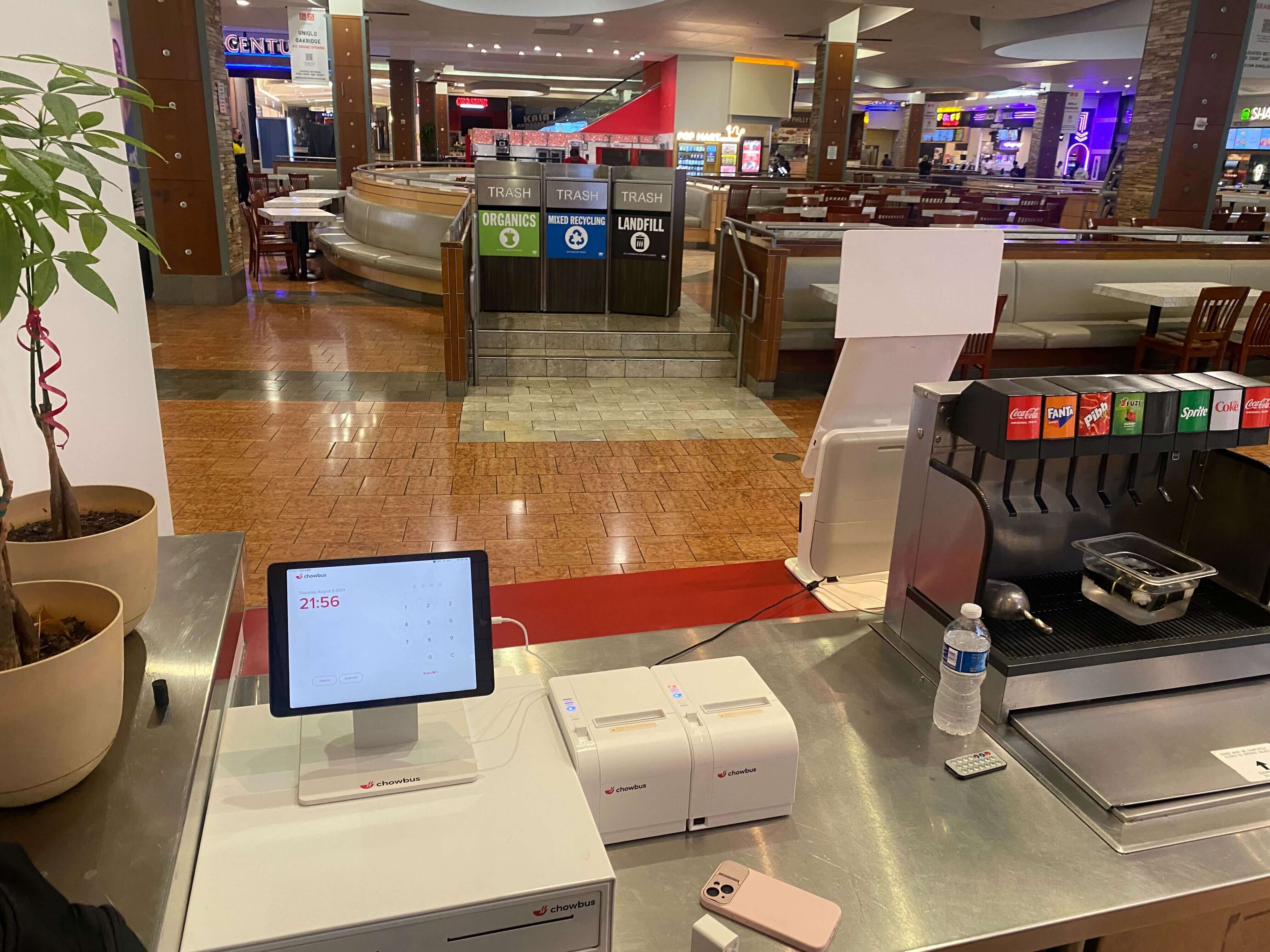
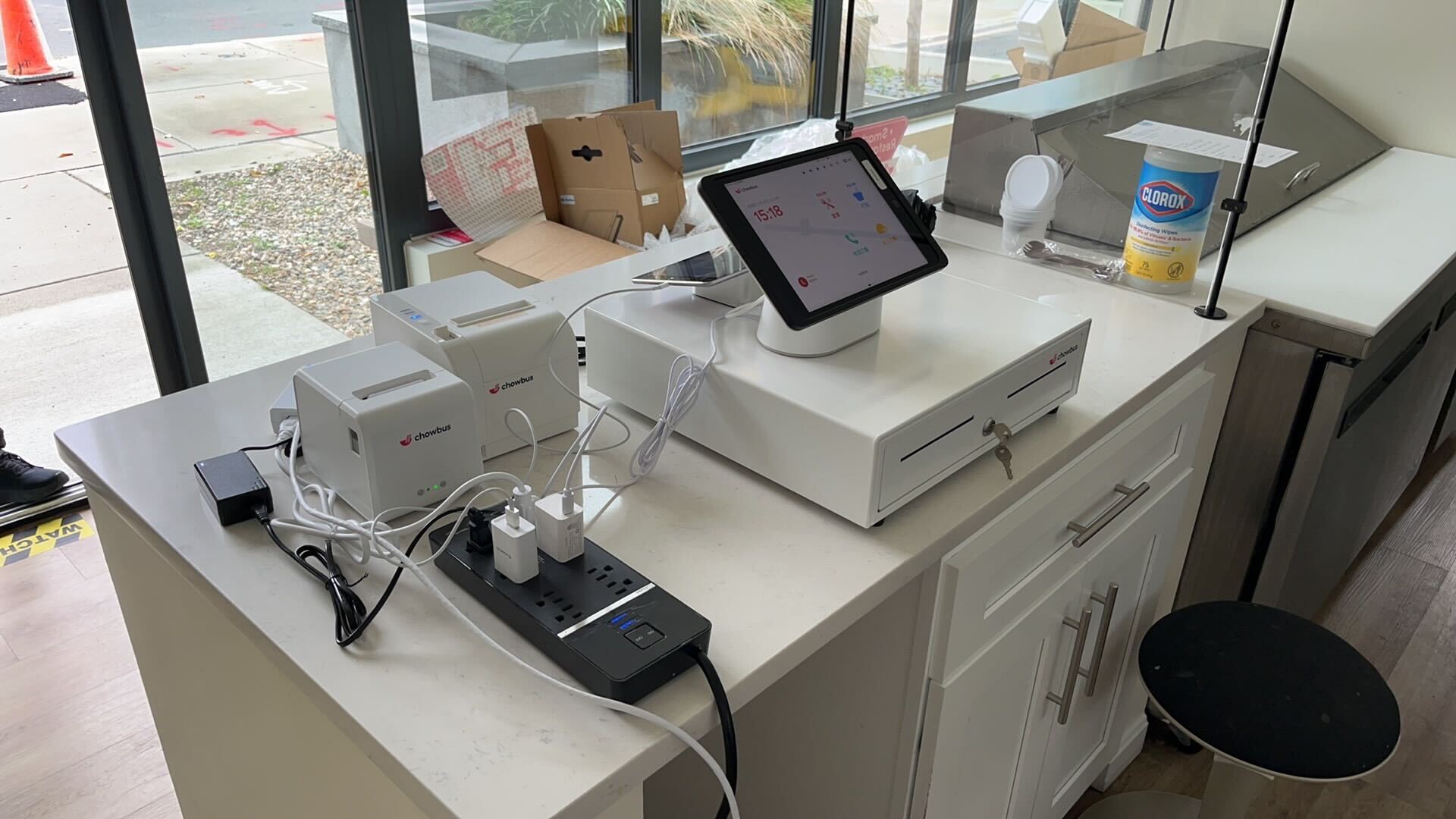
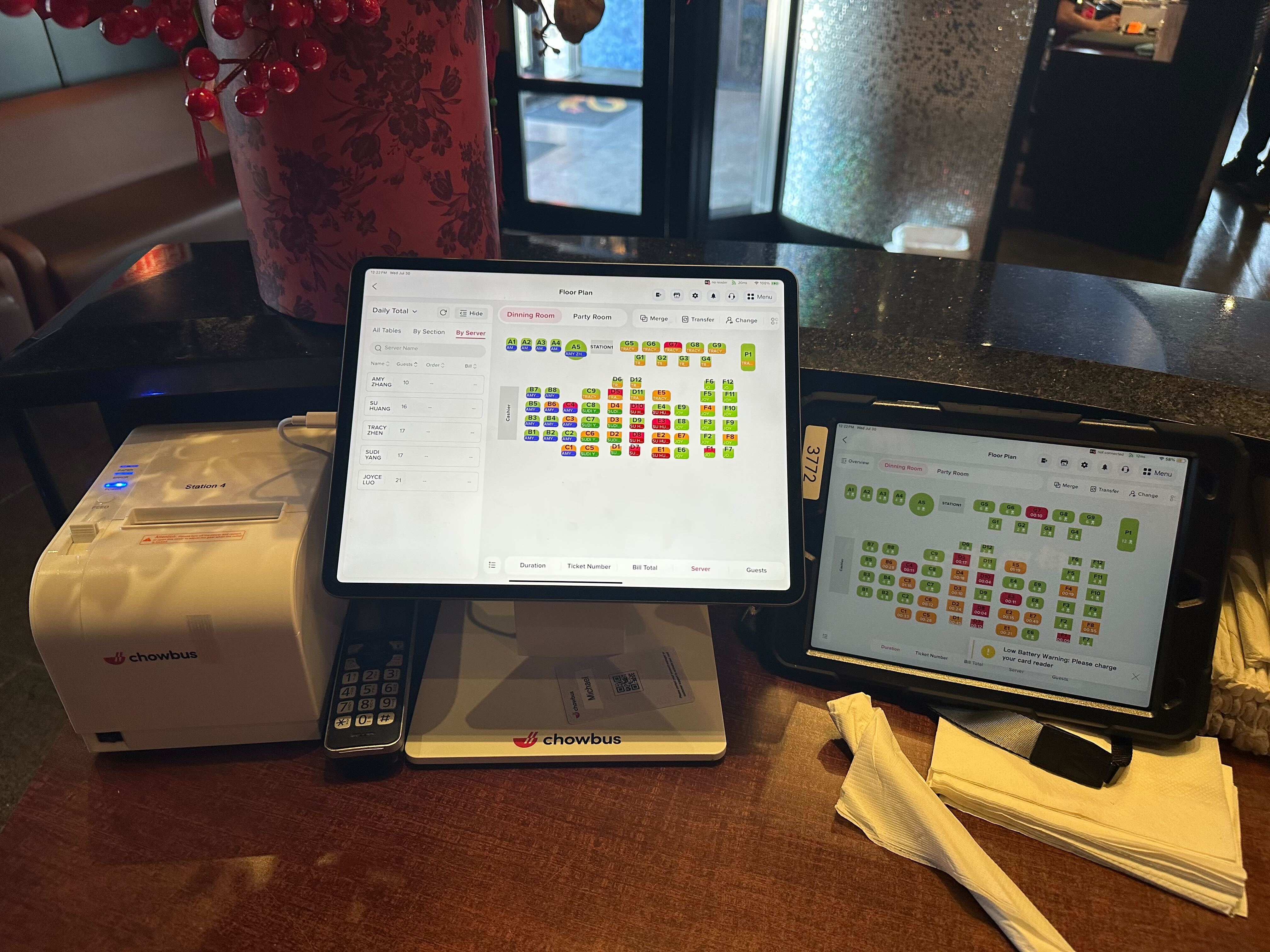
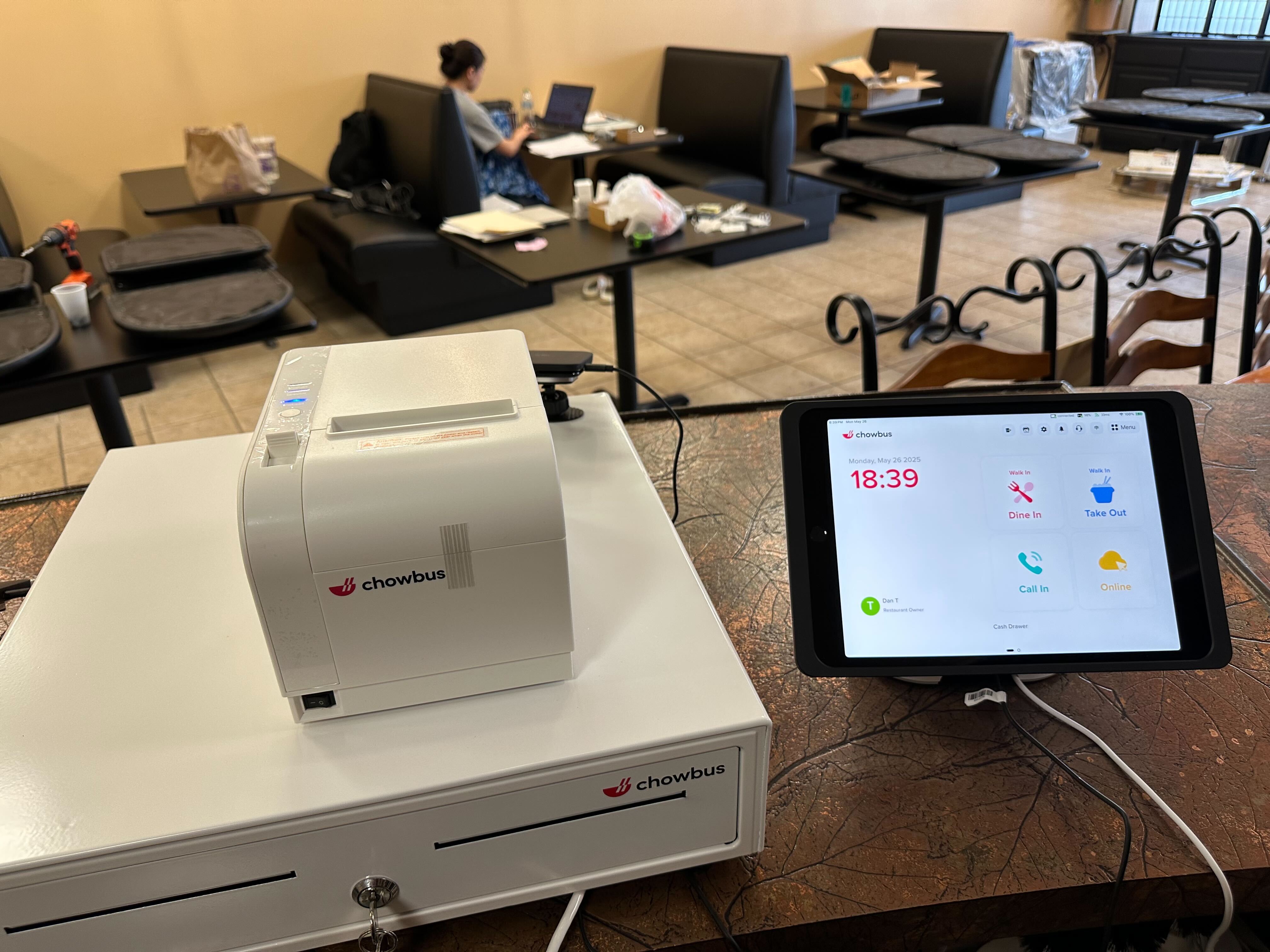
A quick-service Asian concept lives and dies on throughput. A poke shop at noon, a boba counter after school, a rice-bowl spot during a stadium rush — the menu is small, but the orders come in dense, fast bursts with heavy customization. The metric that matters isn't features; it's how many correct orders you can push through per hour without the line walking out the door.
Generic "best quick-service POS" guides treat all fast food the same. But an Asian fast-casual concept has a specific throughput problem: every order is customized (sugar, ice, protein, spice, toppings), a big share comes through digital channels at once, and your staff are often bilingual. This guide focuses on that — how to choose a QSR POS that maximizes correct orders per hour for a high-customization, high-digital Asian concept.
Key takeaways: A quick-service Asian POS should maximize throughput through fast modifier-based ordering, self-order kiosks and QR to offload the counter, a kitchen display that keeps a customized line accurate, and one menu syncing in-store, online, and delivery so nothing oversells. Chowbus is the all-in-one AI POS built for Asian quick-service concepts, with bilingual operation and 24/7 support across 9,000+ restaurants in all 50 U.S. states and Canada.
In quick service, every second at the register is multiplied by the line behind it. Shave five seconds off the average order and at 120 orders during a lunch rush you've recovered ten minutes of capacity — orders you'd otherwise lose to a line that's too long to join. So the right way to evaluate a QSR POS isn't a feature checklist; it's: how does this system increase the number of correct orders per hour at peak?
There are four levers, and a good Asian QSR POS pulls all of them.
Asian fast-casual is customization-dense. A boba order is sugar + ice + size + toppings. A poke bowl is base + protein + mix-ins + sauce. A rice bowl is protein + spice + add-ons. On a slow POS, each modifier is a screen to scroll. On a system built for this, they're preset grids that complete a customized order in two or three taps. Test it with your single most complex item and count the taps — that number, multiplied across a rush, is your real throughput ceiling at the counter.
The fastest way to raise throughput isn't a faster cashier — it's fewer orders going through the cashier at all. Self-ordering kiosks let customers build their own customized bowl or drink while staff focus on production, and they reliably lift average check because guests add toppings without feeling rushed. QR code ordering does the same for seated or waiting customers. For a high-customization concept, kiosks are especially powerful because the customization that slows a cashier is exactly what a kiosk handles patiently and accurately.
Throughput is worthless if the orders are wrong. The bottleneck in a customized concept is the kitchen reading the order correctly. A kitchen display system replaces paper tickets and shouted modifiers with clear, sequenced digital tickets that show exactly which toppings and substitutions each order needs. Fewer remakes means both higher real throughput and lower food cost — a remade poke bowl is wasted protein and a delayed line at once.
A huge share of Asian QSR volume now arrives digitally — app orders, online ordering, and third-party delivery, often hitting at the same time as the in-store rush. If those channels run on separate systems, you get oversells (a topping 86'd in-store still sells online), menu drift, and tablet chaos at the counter. One platform where a single menu drives every channel — and where a sold-out item disappears everywhere at once — is what keeps a multi-channel rush from collapsing. This is the all-in-one advantage applied directly to throughput.
Asian QSR teams are frequently bilingual, and staff turnover in quick service is high. A POS with a multilingual interface means new hires learn faster and make fewer errors under pressure, and front-of-counter and kitchen can operate in the languages your team actually uses. Speed isn't only about taps — it's about a team that isn't fighting the software in their second language during the busiest hour. This is where a platform built for Asian operators quietly outperforms a generic QSR system.

Before you choose, simulate your peak. Ring up your three most common customized orders and count total taps and seconds. Send them to the kitchen display and confirm the modifiers are unambiguous. Fire a simultaneous online and in-store order for the same 86'd item and confirm the system blocks the oversell. Add a kiosk order and watch whether it flows into the same queue. A POS that handles all four cleanly will hold up at noon; one that stumbles on any of them will cost you orders exactly when they're most valuable.
The best quick-service POS for an Asian concept maximizes correct orders per hour: fast modifier-based ordering, self-order kiosks and QR to offload the counter, a kitchen display that keeps customized orders accurate, and one menu across in-store, online, and delivery. Chowbus is purpose-built for Asian quick-service, with bilingual operation and offline reliability.
By reducing taps per order, moving orders off the cashier onto kiosks and QR, keeping the kitchen accurate with a digital display so there are fewer remakes, and unifying channels so simultaneous online and in-store rushes don't cause oversells. Each lever adds correct orders per hour at peak.
For a high-customization concept like boba or poke, usually yes. Kiosks offload the counter, let guests customize without feeling rushed, and tend to lift average check through unhurried add-ons. They're most valuable exactly where customization slows a human cashier most.
Run one platform where a single menu drives in-store, online, and delivery, so marking an item sold out removes it from every channel instantly. Overselling almost always comes from separate systems that don't share one source of truth.
The throughput principles are the same, but boba and poke are far more modifier-heavy, so modifier speed and kitchen-display clarity matter more. A POS with fast preset modifier grids and an accurate kitchen display fits a customization-dense Asian concept better than one tuned for a short fixed menu.
Evaluate total cost of ownership — software, processing, hardware (including kiosks if used), and any per-order fees — across a full year. For QSR, factor in how much throughput and average-check lift the system delivers, since added correct orders per hour at peak often outweigh small differences in monthly fees.
For a quick-service Asian concept, the POS decision is a throughput decision. Fast modifiers, kiosks and QR to offload the counter, a kitchen display that prevents remakes, and one menu across every channel — together these decide how many correct orders you push through when the line is longest. Features that don't move that number are noise.
If you run a boba, poke, rice-bowl, or other Asian fast-casual concept, evaluate your POS on peak-hour throughput, not a generic feature list. Explore the Chowbus quick-service POS and run the throughput test above before you decide.