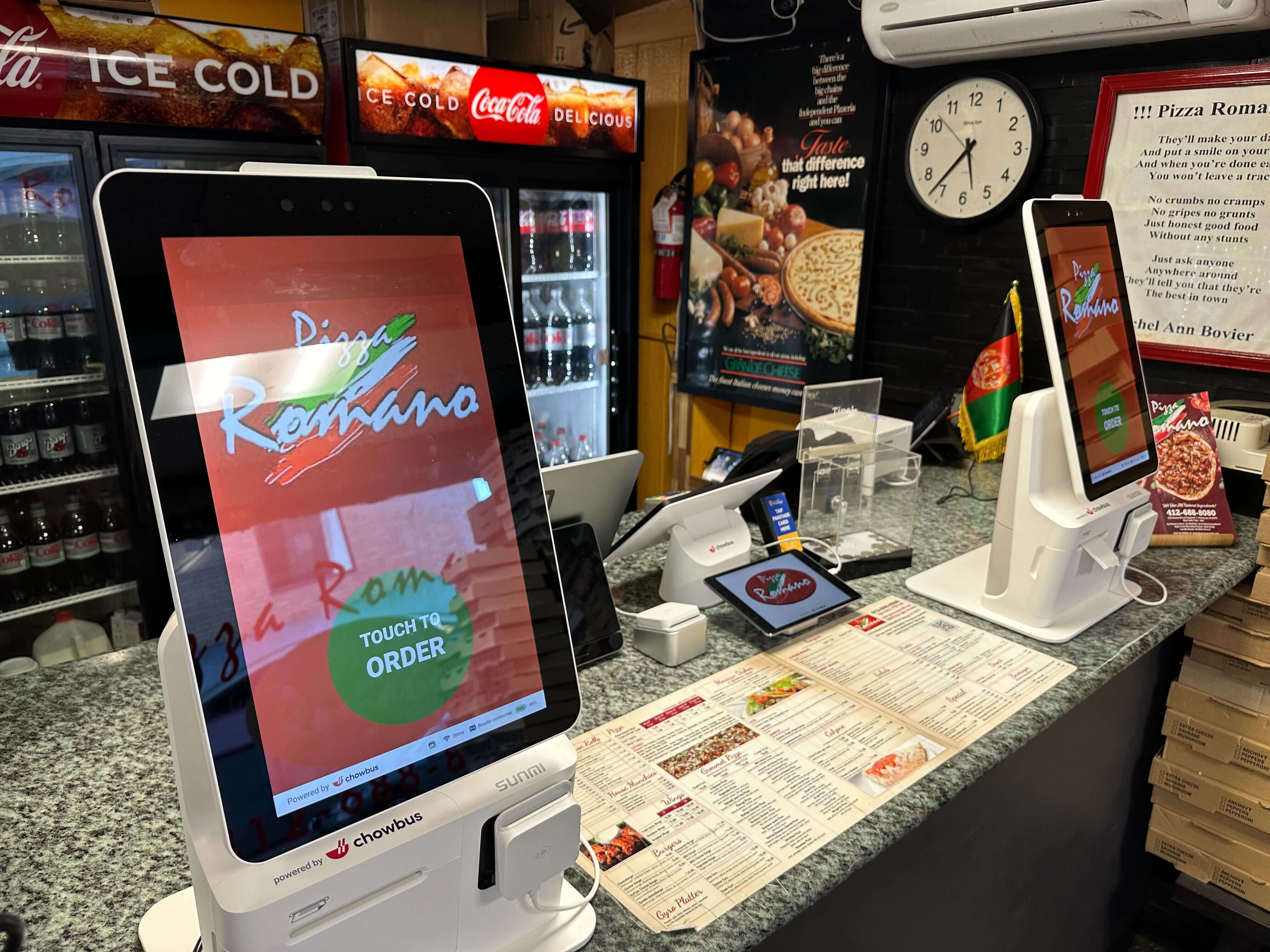
When restaurant owners research self ordering kiosk cost, most are looking for a number. But the real question isn’t “How much does it cost?”
It’s: How does this investment reshape my labor structure, guest behavior, and long-term profitability?
In 2026, kiosks are no longer experimental technology. They are becoming operational infrastructure in quick-service, fast casual, and even hybrid full-service models. Understanding the full financial picture requires looking beyond hardware pricing and into strategic impact.
Three macro pressures are driving adoption:
The U.S. restaurant industry continues to face front-of-house staffing volatility. Even when hiring is possible, training and turnover remain costly.
Kiosks are increasingly viewed not as labor replacement tools — but as labor stabilizers.
They shift repetitive order-taking away from cashiers and allow staff to focus on hospitality, food quality, and throughput.
In today’s market, total first-year self ordering kiosk cost typically falls between:
$3,000–$9,000 per unit (all-in first year)
But that range varies based on configuration and integration depth.
Let’s break down the components strategically.
Hardware typically includes:
Average hardware range:
$2,000–$5,000 per unit
High-end builds or dual-sided kiosks can exceed $7,000.
From a capital planning perspective, kiosks are depreciable assets. Many operators amortize the cost over 3–5 years.
Monthly subscription costs typically range:
$75–$250 per kiosk
Variables influencing price:
A tightly integrated restaurant management system reduces friction and eliminates duplicate software spending.
When kiosks are deeply integrated with POS and operations, they become part of a broader restaurant management solution — not a standalone tool.
Since kiosks are card-first environments, payment mix may shift toward digital transactions.
Average U.S. processing fees:
2.6%–3.5%
Some integrated systems optimize routing or bundle rates, affecting overall cost efficiency.
This is where many operators underestimate investment impact.
Digital ordering environments influence purchasing psychology.
Proper layout design, modifier logic, and upsell sequencing directly impact ROI.
A kiosk is not just a screen — it is a behavioral sales engine.
Kiosks rarely eliminate positions entirely. Instead, they:
Operators who strategically redesign floor roles see the highest return.
Industry data shows kiosks can generate:
For a location generating $1.2M annually:
A 7% increase in revenue = $84,000
Even after subscription and hardware amortization, ROI often materializes within 12–18 months.
However, ROI depends on:
Kiosks are most effective in high-frequency, limited-menu models.
If you’re evaluating self ordering kiosk cost from a strategic lens, it’s worth seeing how fully integrated systems connect kiosk data directly to POS and operational reporting — not just order intake.
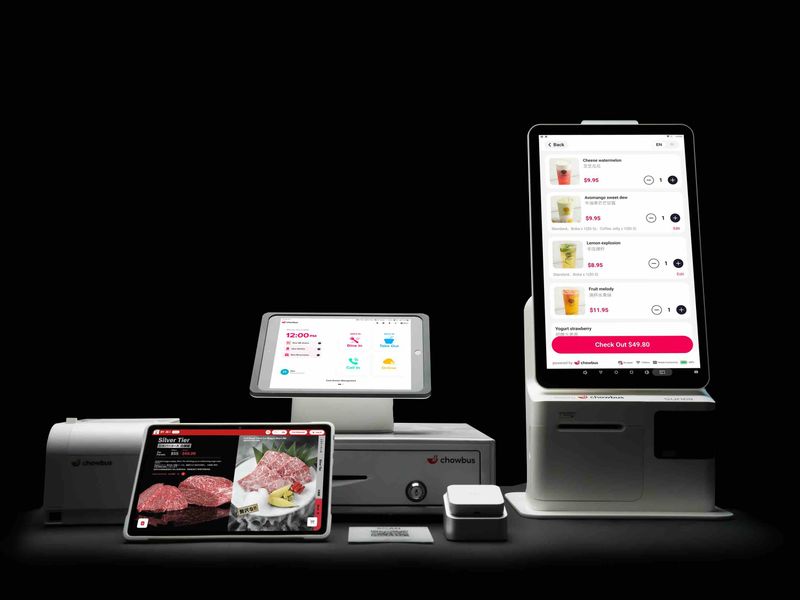
Decision should align with your capital structure and growth plan.
Kiosks are most economically justified when:
They are less impactful in low-volume, high-touch dining environments.
Modern kiosks connected to restaurant business management software unlock:
When integrated into a broader restaurant management system, kiosks shift from cost center to intelligence node.
This is where the long-term competitive advantage lies.
Most operators invest $3,000–$6,000 per kiosk in year one, including setup and software.
Typically 1 kiosk per 75–100 peak-hour orders is a safe benchmark.
They reduce dependency but do not eliminate labor. They rebalance workflow.
In most urban markets, adoption rates exceed 60% within months.
Modern systems allow integration with POS, loyalty, and reporting platforms — which significantly improves ROI visibility.
The true self ordering kiosk cost is not the hardware price.
It is the investment required to modernize your ordering infrastructure.
Restaurants that treat kiosks as isolated devices often see modest gains.
Those that integrate them into a broader operational ecosystem typically unlock measurable, sustainable growth.
If you’re weighing whether kiosks align with your restaurant’s financial structure, consider reviewing a customized ROI scenario based on your volume and labor model.
A short strategy session or demo can clarify whether this is a tactical expense — or a structural upgrade for your business.