In today’s restaurant environment, the term self ordering kiosk is often associated with fast-food chains and touchscreen ordering screens. But for independent restaurant owners and multi-unit operators, a kiosk is not just a device placed near the entrance. It represents a structural shift in how orders are taken, how labor is allocated, and how customer behavior is guided.
As labor costs continue to rise and customer expectations lean toward speed and convenience, many operators are evaluating whether implementing a self ordering kiosk is simply a trend—or a long-term operational strategy. The answer depends on how the kiosk integrates into your broader restaurant management system and whether it aligns with your service model.
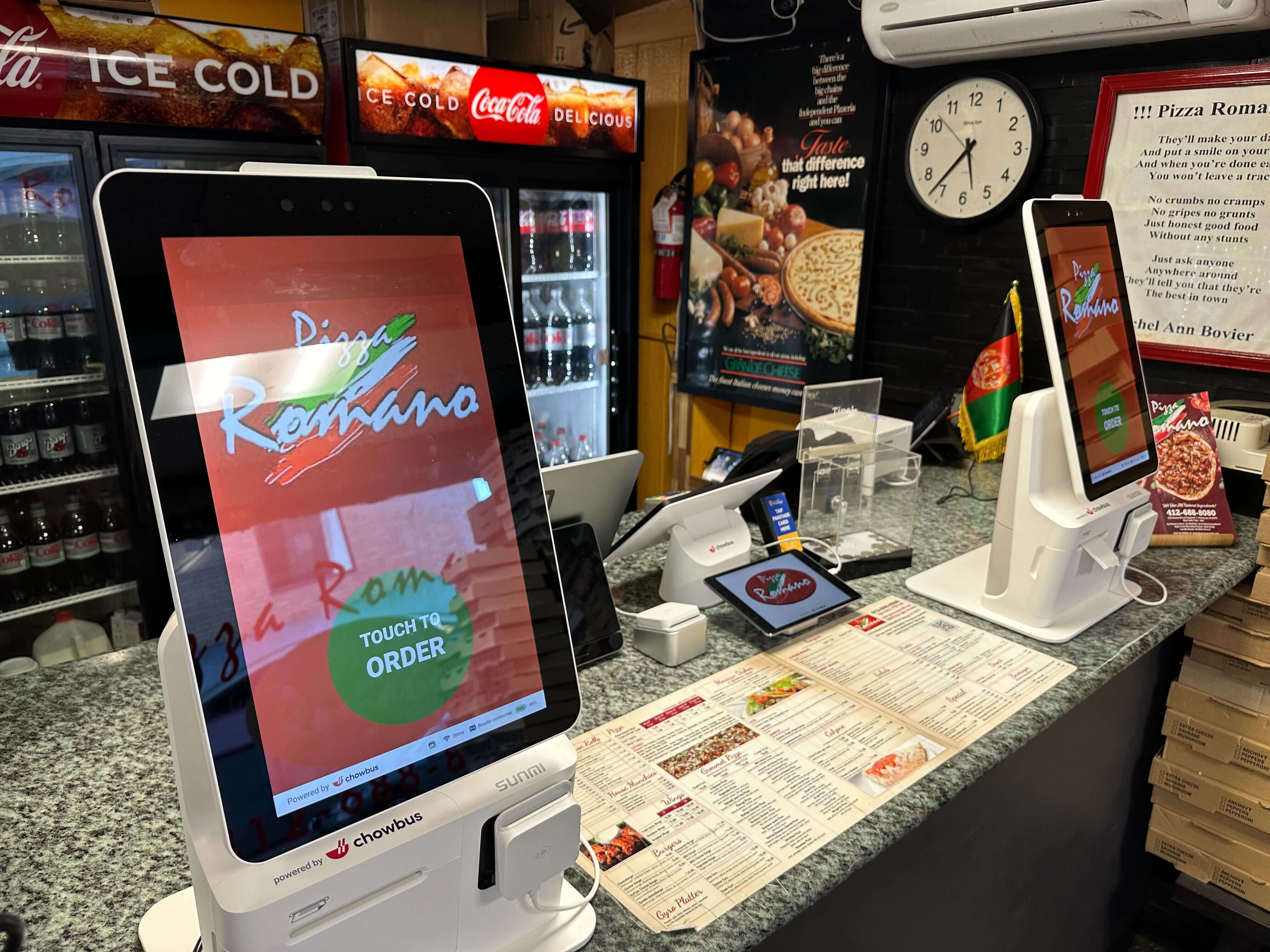
A self ordering kiosk is a digital ordering station that allows customers to browse the menu, customize items, pay, and send orders directly to the kitchen without interacting with a cashier. However, viewing it purely as an automation tool misses its broader impact.
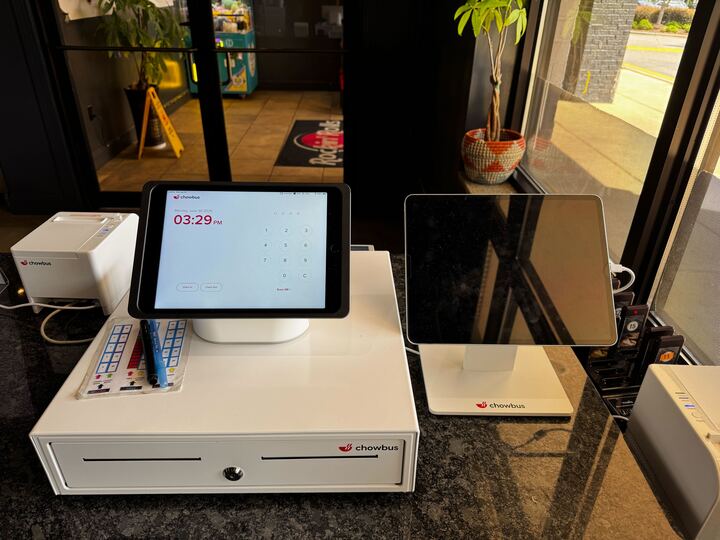
Modern kiosks are connected to POS systems, inventory tracking, reporting dashboards, and sometimes loyalty programs. This integration transforms the kiosk from a simple ordering interface into a central data collection and operational efficiency tool. When properly implemented, it becomes an extension of your restaurant’s technology infrastructure rather than a standalone device.
For restaurant owners, the strategic question is not whether a kiosk replaces a cashier—but whether it improves order accuracy, increases average ticket size, and enhances throughput during peak hours.
Consumer expectations have shifted significantly in the past decade. Guests are increasingly comfortable with digital ordering in retail, travel, and hospitality. Restaurants are adapting to this behavioral change by redesigning the front-of-house experience.
A self ordering kiosk offers customers a sense of control. They can browse at their own pace, review modifiers carefully, and explore add-ons without feeling rushed. This behavioral comfort often results in more thoughtful ordering decisions. From an operational standpoint, this can translate into higher average check values and fewer order errors caused by verbal miscommunication.
Additionally, kiosks create predictable workflows. During busy lunch or dinner rushes, a kiosk can maintain consistent ordering speed without fatigue, which stabilizes front-of-house efficiency. For operators managing tight margins, predictability often matters more than novelty.
One of the most common motivations for adopting a self ordering kiosk is labor cost management. While kiosks can reduce the number of employees needed for order-taking, the more meaningful benefit lies in labor reallocation rather than elimination.
Instead of focusing staff on transactional tasks, restaurants can shift team members toward food quality control, guest engagement, and operational oversight. In fast casual environments, this often improves customer satisfaction because staff are more available to assist rather than being tied to a register.
Moreover, kiosks reduce order-entry errors. When customers input their own selections and modifiers, the likelihood of miscommunication decreases. Fewer remakes mean lower food waste and stronger margins over time.
The financial effect of a self ordering kiosk is rarely dramatic overnight, but over months of optimized workflow, the incremental improvements can compound meaningfully.
Many operators underestimate the data advantage of a self ordering kiosk. Every interaction—from time spent browsing to modifier selections—creates actionable insight.
When kiosk data integrates directly with the POS and reporting system, restaurant owners can analyze peak usage hours, popular combinations, and upsell acceptance rates. These insights inform menu engineering and promotional strategies. Instead of guessing which add-ons perform well, operators can rely on behavioral data.
This feedback loop is especially powerful for multi-location brands. Centralized reporting allows decision-makers to compare performance across stores and standardize successful strategies.
If you're evaluating whether a self ordering kiosk fits your restaurant’s workflow, it may be helpful to see how integrated systems connect kiosks with POS, reporting, and menu management in a unified ecosystem.
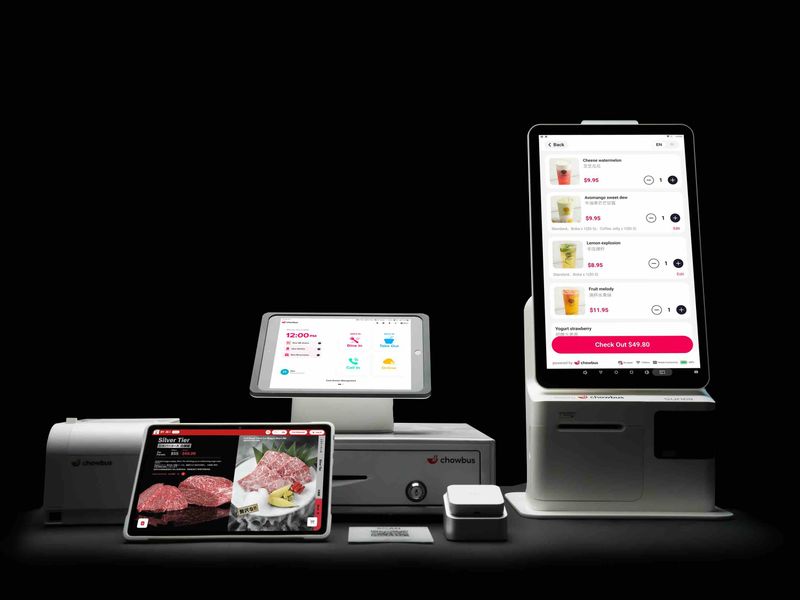
Introducing a kiosk requires more than placing hardware in the dining room. Layout planning, menu optimization, and staff training all influence success.
For example, menu design on a kiosk should prioritize clarity and intuitive navigation. Too many nested modifier options can overwhelm guests and slow throughput. Likewise, physical placement should guide traffic flow without creating congestion.
From a technology standpoint, seamless integration with your existing POS system is essential. Disconnected systems can create reconciliation issues, reporting inconsistencies, and operational frustration. A well-integrated kiosk supports centralized updates and minimizes backend complexity.
Operators should also consider customer demographics. In communities where guests are highly digital-savvy, kiosk adoption tends to be rapid. In other markets, staff guidance during the initial transition may be necessary to ensure a smooth experience.
The restaurant industry is moving toward hybrid service structures. Some concepts blend counter service with digital ordering, while others combine dine-in and pickup models within the same footprint.
A self ordering kiosk supports this flexibility. It allows restaurants to scale throughput during busy periods without expanding square footage. It also complements mobile ordering by providing an in-store digital alternative.
Rather than replacing hospitality, kiosks reshape it. The role of staff shifts toward hospitality and operational excellence, while routine ordering becomes digitized. For many operators, this hybrid approach creates a more resilient business model.
Yes, many small restaurants adopt kiosks to stabilize peak-hour operations and reduce order errors. Success depends on proper integration and menu design rather than restaurant size alone.
Costs vary based on hardware, software, and integration level. Initial hardware investment typically ranges from several thousand dollars per unit, with ongoing software subscription fees depending on provider and features.
Adoption often depends on how the system is introduced. Clear instructions and staff assistance during early implementation usually accelerate customer comfort.
Digital interfaces frequently encourage add-ons and upgrades because customers feel less rushed compared to cashier interactions.
The most effective setups use native integration, allowing orders, payments, and reports to sync automatically within a single backend system.
A self ordering kiosk should not be viewed as a temporary operational experiment. It represents a structural adjustment in how restaurants manage ordering, data, and labor.
For operators thinking long term, the question is less about whether kiosks are trendy and more about whether digital ordering infrastructure aligns with their growth strategy. When thoughtfully implemented, a kiosk can enhance efficiency, improve accuracy, and generate measurable operational insight.
If you’d like to explore how a self ordering kiosk could fit into your restaurant’s existing system, consider scheduling a demo or consultation. Seeing how ordering, POS, and reporting connect in practice often provides clearer insight than theoretical comparisons.